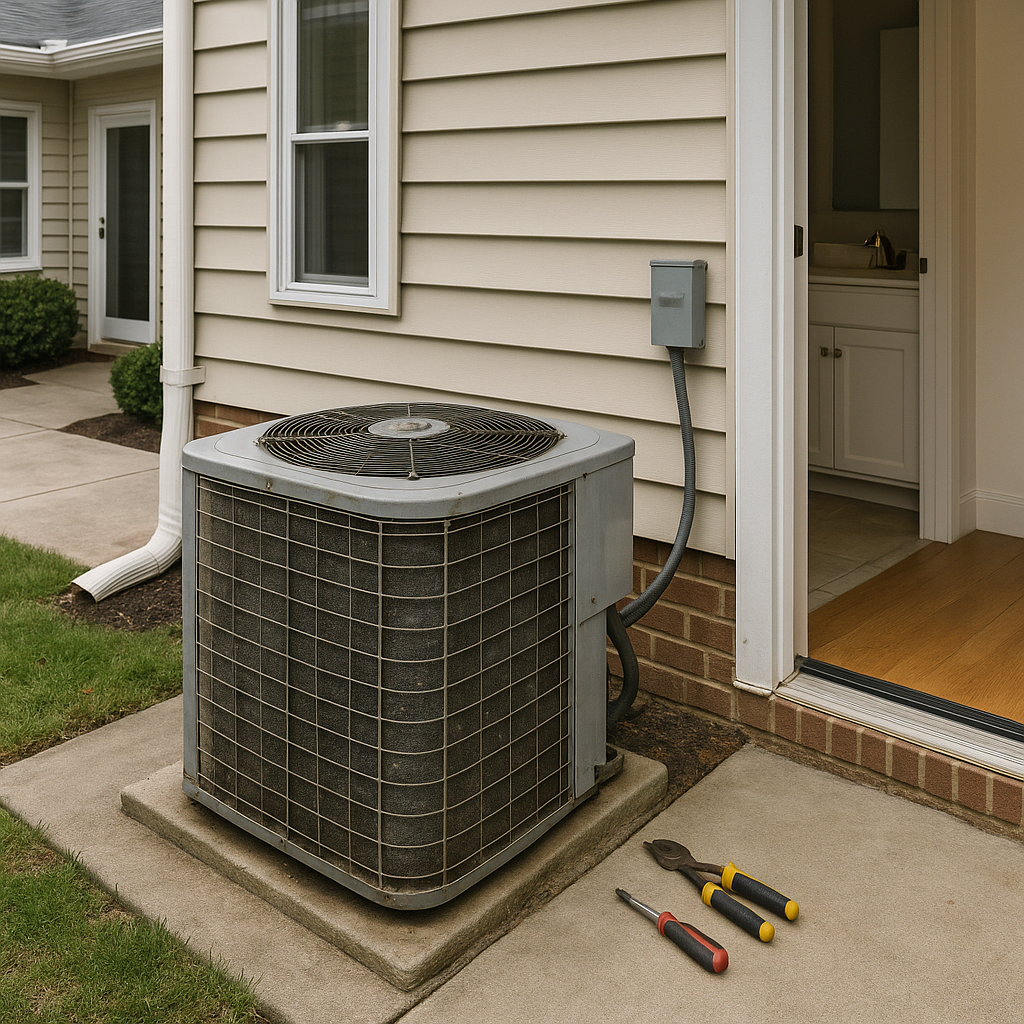
As a homeowner, you rely on your HVAC system to keep your home comfortable year-round. But like all vital home systems, your HVAC system has a lifespan and will eventually need replacement. Recognizing the signs early on can prevent costly repairs and keep your home in optimal living condition. Below, we discuss the five definitive signs that indicate it’s time to replace your HVAC system.
1. Your HVAC System Is Over a Decade Old
The age of your HVAC system is a critical factor when considering replacement. Most HVAC systems, including air conditioners, heat pumps, and furnaces, have a lifespan of around 10 to 15 years. If your system is nearing or beyond this age range, it may be time to consider an upgrade. Energy Star recommends evaluating your HVAC system once it hits the 10-year mark.
Consider the Benefits of Newer Models
Modern HVAC systems are far more energy-efficient than those designed a decade ago. By opting for a newer model, you can take advantage of ENERGY STAR-rated systems that save energy and significantly reduce utility costs. For more guidance, the EPA suggests assessing the performance of equipment older than 10 years to ensure your home remains comfortable.
2. Frequent Repairs
When your HVAC system requires frequent repairs, it’s a clear sign that it’s on its last legs. While minor maintenance is expected, regular breakdowns signal that it’s time for replacement. Constantly repairing an old unit can be more expensive in the long run compared to investing in a new, reliable system.
Cost-Effectiveness
Consider the 50% rule: if the cost of repairs approaches 50% of the value of a new system, it’s financially wise to install a new unit. This ensures you avoid the pitfalls of pouring money into a failing system.
3. Rising Energy Bills
Notice a spike in your energy bills that can’t be explained by seasonal fluctuations? An inefficient HVAC system can be the culprit. As systems age, they lose efficiency, resulting in higher utility costs. According to EPA regulations, replacing outdated units with models that use modern refrigerants and technologies can alleviate this issue.
Enhanced Technology
New HVAC systems come with advanced technology designed to enhance efficiency. Features such as programmable thermostats, variable-speed motors, and smart home integration can lead to substantial energy savings.
4. Inconsistent Temperatures
If certain rooms in your home are too hot or too cold, there might be an underlying issue with your HVAC system. These inconsistencies often arise due to malfunctioning components, inadequate sizing, or failing ductwork. When an HVAC system can’t effectively circulate air, it’s a sign that something is amiss and replacement may be necessary.
Optimize Comfort
A new HVAC system can ensure every room in your home maintains a consistent temperature, optimizing comfort and reducing unnecessary strain on the system.
5. Unusual Noises and Odors
Strange sounds and odors emanating from your HVAC system are more than just nuisances; they often indicate severe issues. Rattling, grinding, or squealing noises can suggest worn-out components or mechanical failures. Similarly, foul odors could point to issues like mold or burnt-out parts.
Safety and Air Quality
These problems not only compromise the system’s function but can also affect indoor air quality and safety. A new system installation can restore peace of mind and ensure a healthy living environment.
Conclusion: Invest in Comfort and Efficiency
Replacing your HVAC system is a significant investment, but it’s essential for maintaining a comfortable, efficient, and safe home environment. Recognizing the signs outlined above can help you make informed decisions, ensuring you upgrade to a system that meets your modern needs. If you’re considering whether it’s time for an upgrade, reach out to trusted professionals for assessments and quotes. For more guidance on home system maintenance, visit Contractors Candy. Stay informed, and keep your home comfortable year-round!