Building a new home is one of the most significant investments you can make. Understanding construction costs can help ensure your project runs smoothly and stays within budget. This ultimate guide to US home construction costs in 2026 provides insights, statistics, and key considerations every homeowner should be aware of.
Understanding Home Construction Costs
Home construction costs vary widely based on location, materials, labor, and individual preferences. Let’s break down these factors to give you a clearer picture of what to expect in 2026.
Regional Variations
The cost to build a home can differ significantly from one region to another. For instance, building in urban areas typically costs more due to higher labor and material expenses. According to the This Old House guide, costs can range from $100 to $500 per square foot depending on the location.
Material Costs
The choice of materials greatly influences the overall budget. Opting for sustainable materials can offer long-term savings while adding value to your home. For more on sustainable construction, check out our blog on Building a Green Home.
Labor Costs
Labor accounts for a substantial portion of the construction budget. Hiring skilled workers is crucial, but it can be costly. For tips on choosing the right contractor, read 10 Essential Tips for Choosing the Right Contractor.
Breaking Down Major Expenses
Let’s examine the primary cost components associated with home construction in 2026:
Foundation
The foundation is one of the most critical parts of any construction project. Expect to spend around 10-15% of your budget on this phase. Prices can fluctuate based on soil conditions and the type of foundation selected.
Framing
Framing usually constitutes about 18% of total costs. This step includes building walls and roof structures, both vital for the integrity and design of the home. The NAHB’s Cost of Doing Business Study suggests that framing expenses will rise slightly in 2026 due to increased lumber prices.
Roofing
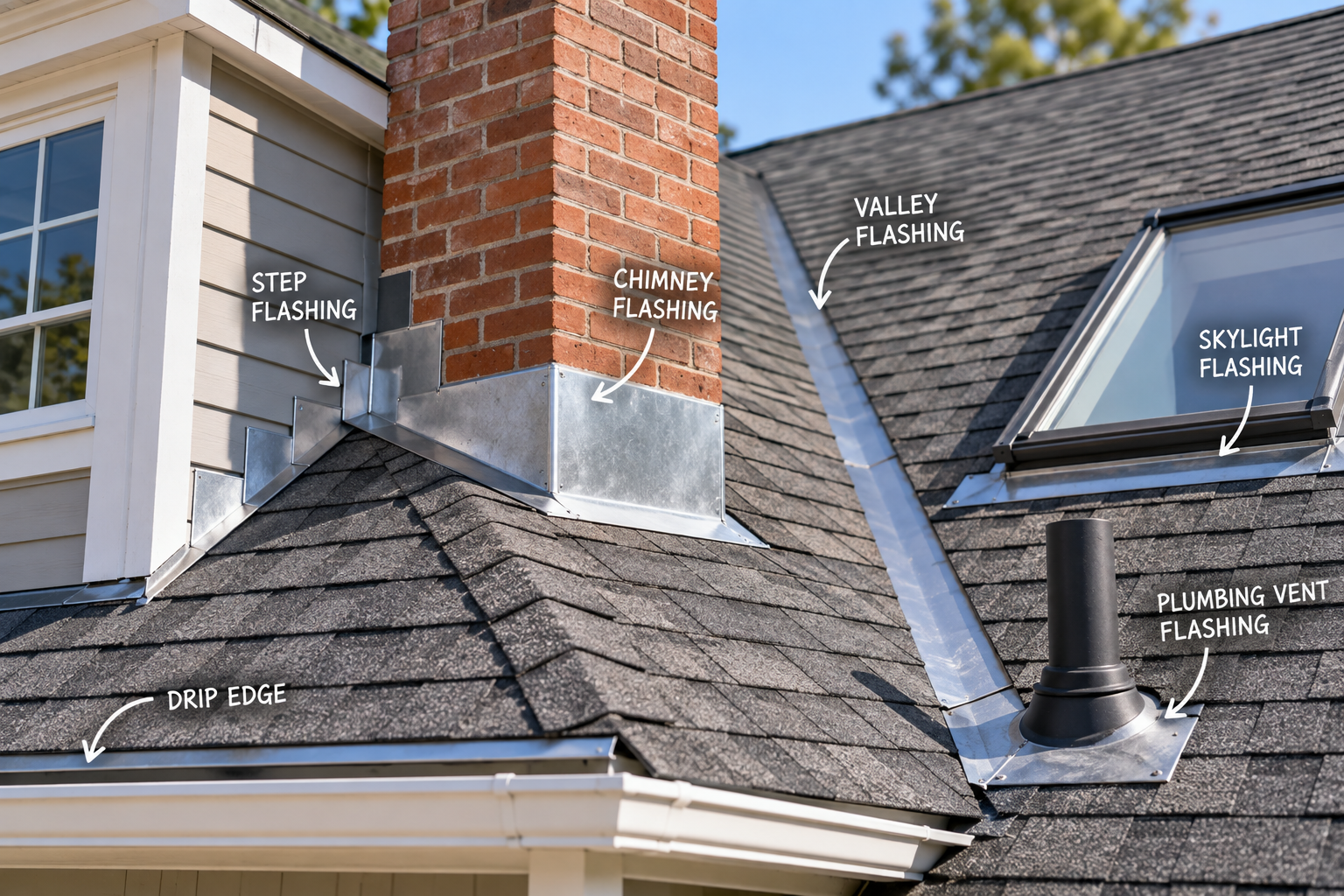
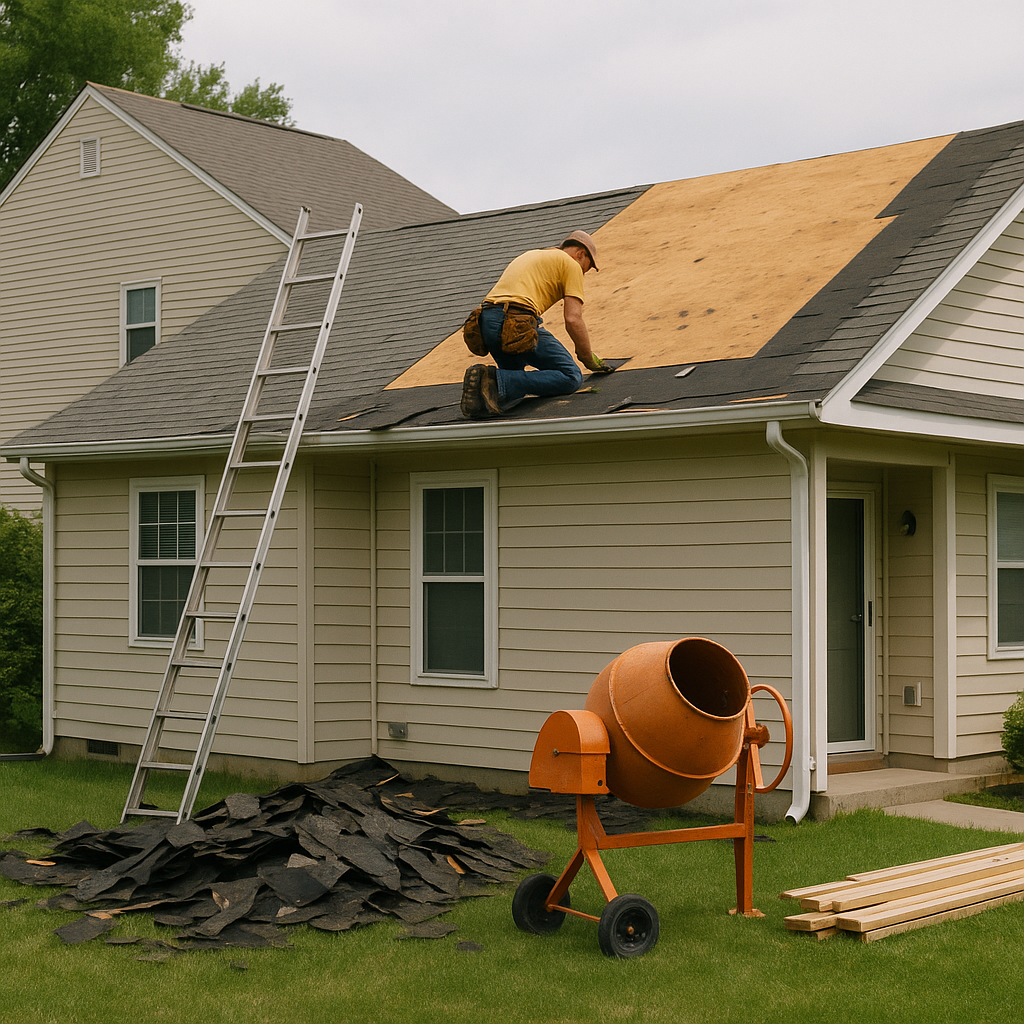
Whether you choose asphalt or metal, roofing can significantly affect construction costs. For a detailed comparison, see our article on Asphalt vs. Metal Roofing.
Finishes
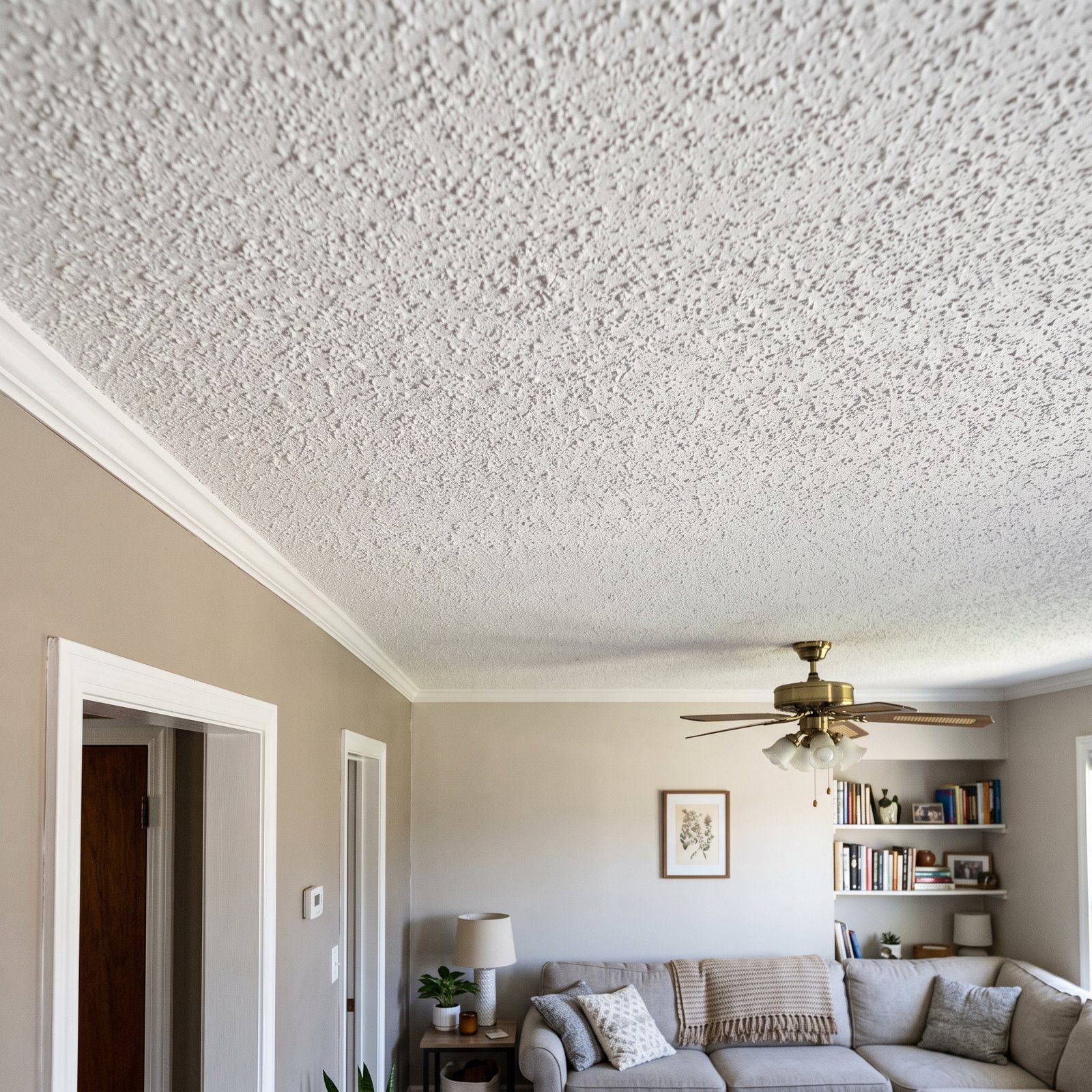
Interior and exterior finishes can account for up to 30% of construction costs. Opting for high-end finishes can drive up the budget, but they can enhance the aesthetic and resale value of your home. Angi offers insights on choosing finishes that balance quality and cost.
Energy Efficiency and Sustainability
With a growing focus on sustainability, investing in energy-efficient solutions can offer significant savings. The Department of Energy outlines numerous incentives for integrating green technologies, which can offset initial costs.
Budgeting and Additional Costs
When planning your budget, remember to consider ancillary costs, such as permits, utilities, and landscaping, which can add up quickly. Our Guide to Permit Requirements provides essential information to help you navigate this process.
Contingency Fund
Always allocate a contingency fund, typically 10-15% of the total project cost, to cover unexpected expenses. Flexibility is key to managing sudden budget overruns or changes in plans.
Conclusion
Understanding the nuances of home construction costs enables you to make informed decisions, ensuring your project is a success from start to finish. For more comprehensive planning tips, check out The Ultimate Checklist for a Successful Home Construction Project.
Are you planning a home construction project in 2026? Share your thoughts and questions with us in the comments, and don’t hesitate to explore our blog for more valuable resources designed to assist you in your home building journey!