
Building your own home is an exciting and rewarding journey, but it can also be daunting if you’re not familiar with the process. This beginner’s guide to home construction is designed to give you a solid foundation of knowledge as you embark on this adventure. From planning and permits to construction techniques and materials, we’ll cover all the essentials you need to know.
Understanding the Planning Process
The journey to your dream home starts with proper planning. This includes setting a realistic budget, choosing a design, and finding the right location.
Setting a Budget
Before you begin, you must understand your financial limits. Setting a realistic budget helps you make informed decisions throughout the process. Consider all elements such as land purchase, construction costs, landscaping, and interior finishes. Always include a buffer of 10-15% for unexpected expenses.
Choosing a Design
Your home should reflect your lifestyle needs and personal preferences. You can either hire an architect to create a custom design or select from pre-designed plans. Think about current trends and your long-term needs. Check out remodeling trends to get inspiration.
Location Matters
Consider the neighborhood, school district, proximity to work, and other personal priorities. Evaluate the lot size, soil condition, and accessibility to utilities. The location will influence your overall satisfaction and future resale value.
Navigating Permits and Regulations
Before breaking ground, you need to secure the necessary permits. Regulations can vary widely, so it’s crucial to understand local requirements.
Hire a knowledgeable contractor who can help you navigate the complexities of permits. Understanding the permit requirements is crucial to avoid costly fines or delays. Our detailed guide, Understanding Permit Requirements for Home Construction in the US, can offer insights into this important step.
Choosing the Right Construction Techniques and Materials
Your choice of construction techniques and materials greatly affects the efficiency, durability, and aesthetics of your home.
Foundations and Framing
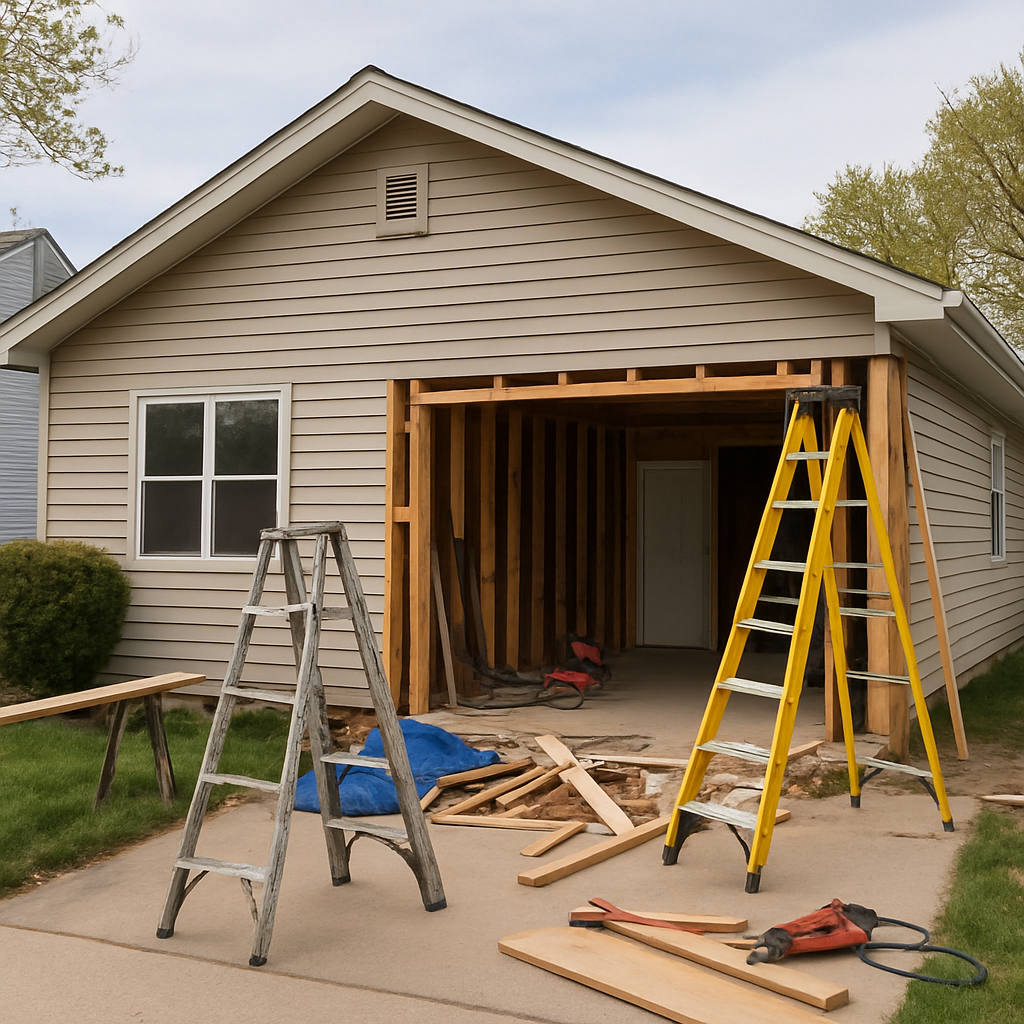
Start with a strong foundation. Most homes use concrete slabs or crawl spaces, depending on the climate and soil condition. When it comes to framing, wood is a popular choice, offering flexibility and cost-effectiveness. Explore sustainable options as well, such as engineered wood, which is resistant to moisture. For guidance, visit APA’s Build A Better Home.
Insulation and Energy Efficiency
Invest in quality insulation to enhance energy efficiency and indoor comfort. Look for materials with high R-values and consider environmentally friendly options like recycled denim or wool. The Residential Green Building Guide offers insights into sustainable choices.
Plumbing and Electrical Systems
Efficient plumbing and electrical systems are essential for modern living. Ensure your home complies with water conservation standards by following the WaterSense guidelines. For electrical systems, prioritize safety, and consider adding smart home technology for convenience.
Ensuring Indoor Air Quality and Moisture Control
Maintaining good air quality and preventing moisture problems from the start is crucial for a healthy home.
Implementing proper drainage, sealing, and ventilation can help prevent mold and water damage. The Moisture Control Guidance provides comprehensive insights for builders and homeowners.
Heating and Cooling Solutions
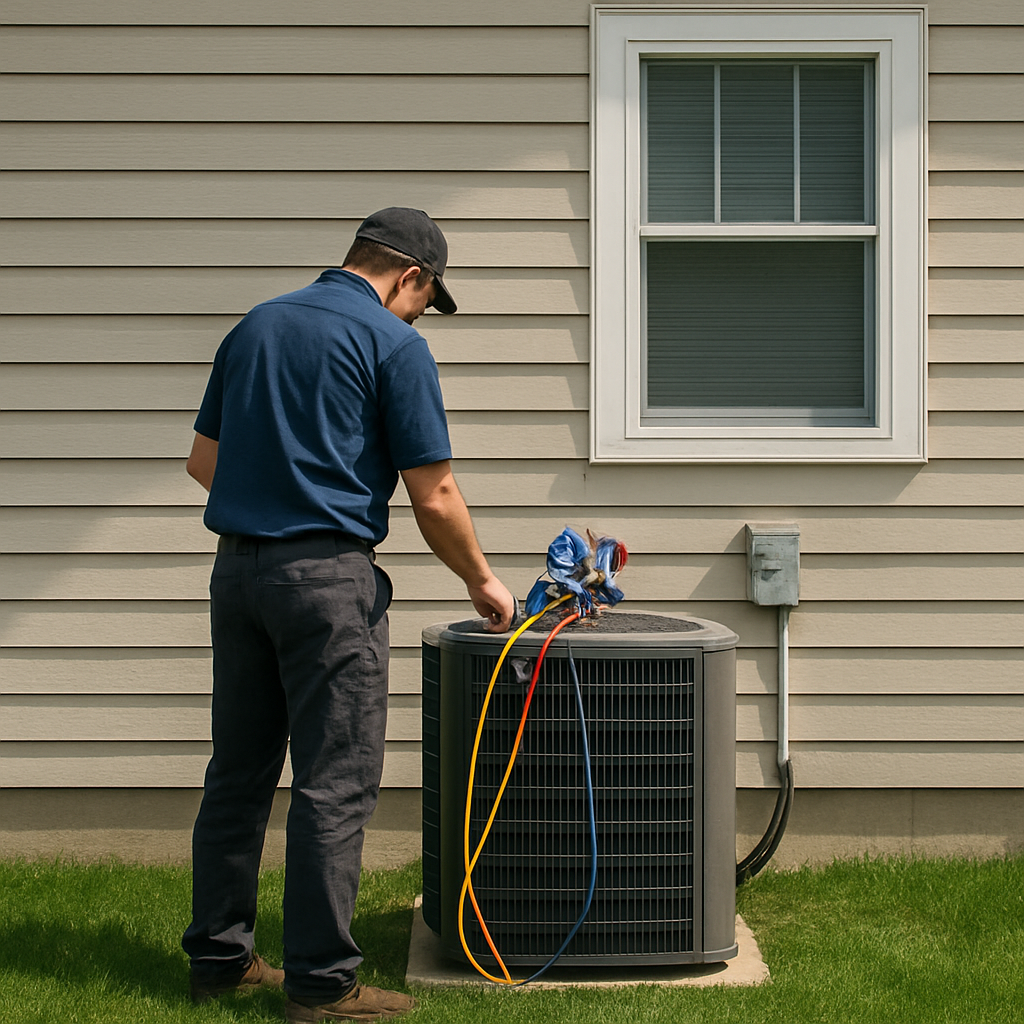
A well-designed HVAC system will keep your home comfortable year-round. Look for energy-efficient options, and maintain them regularly to extend their lifespan. For the latest systems, check out The Best HVAC Systems for Energy Efficiency.
Final Stages and Finishes
Once the structural and mechanical systems are in place, focus shifts to final finishes. This includes flooring, painting, cabinetry, and landscaping. Choose durable finishes that suit your aesthetic and have resale appeal.
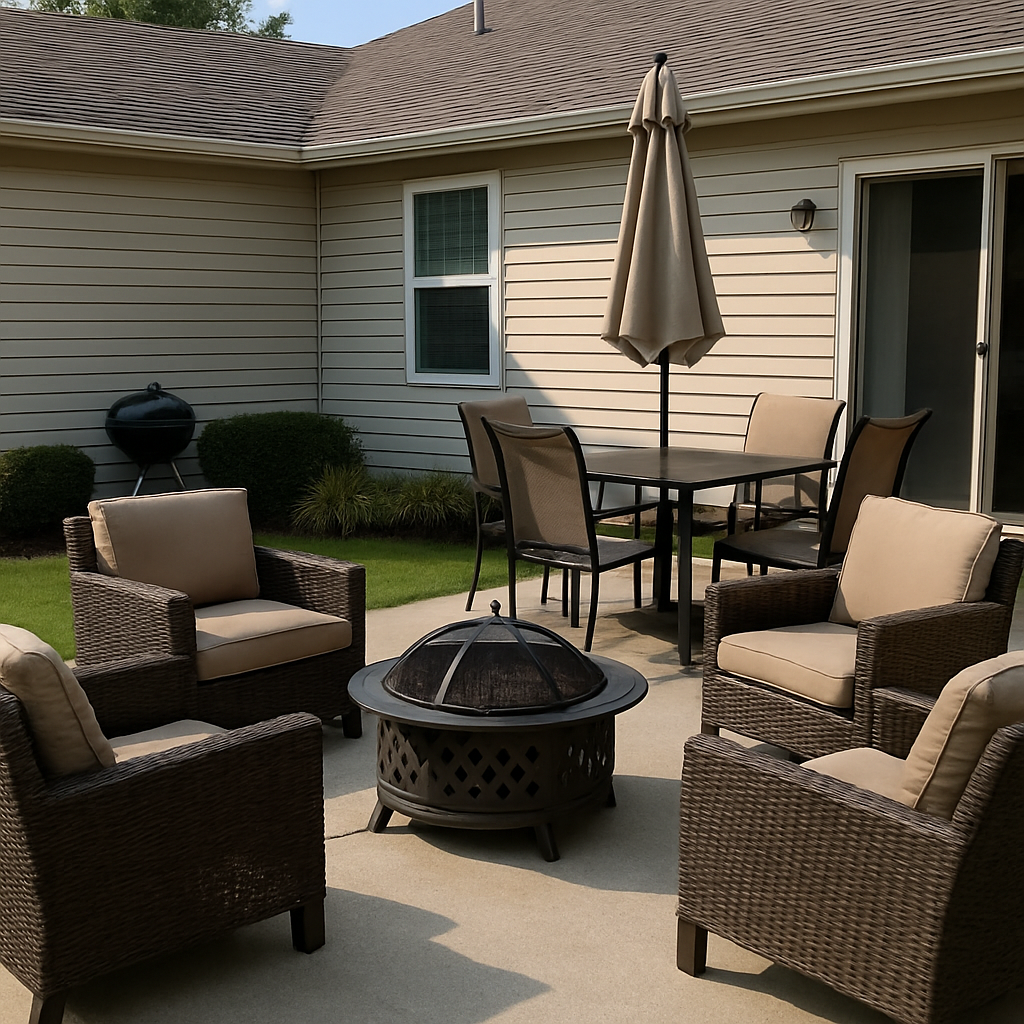
Don’t forget outdoor spaces which significantly impact the enjoyment of your home. Explore ideas at Top Outdoor Living Space Ideas.
Conclusion
Building a home is an exciting endeavor with countless decisions to be made. By understanding the planning process, knowing the construction techniques, and selecting the right materials, you can ensure a successful project. Whether you’re just getting started or ready to dive in, equip yourself with knowledge and resources to make your dream home a reality.
Ready to take the next step? Check out our Ultimate Checklist for a Successful Home Construction Project to ensure you’re fully prepared for every phase of your build. Happy building!