
Understanding construction laws is crucial whether you’re planning a new build or renovating your existing property. These laws can vary significantly from state to state, making it essential to know the specific regulations applicable in your area. This comprehensive guide will help you navigate construction laws across different states in 2026, ensuring your project complies with all legal requirements.
Why Construction Laws Matter
Construction laws are designed to ensure safety, quality, and fairness in the building industry. They cover various aspects such as zoning, permits, environmental impact, labor laws, and more. Ignoring these regulations can lead to legal issues, fines, and even halted projects, impacting both timelines and budgets.
State-by-State Overview
Each state has its own set of construction laws influenced by local climate, geography, and politics. Below, we explore the essential construction regulations across several major states.
California
Known for its stringent environmental laws, California requires comprehensive environmental impact assessments for larger projects. The state also mandates energy efficiency codes, encouraging the use of renewable resources and sustainable building practices. For tips on building sustainably, check out our guide to sustainable construction practices.
Texas
In Texas, construction laws focus heavily on safety and labor. The state emphasizes proper worker training and adherence to safety standards. Zoning laws are less restrictive compared to other states, providing flexibility in property usage. For more localized advice, explore our expert tips on home construction.
New York
New York’s construction laws are influenced by its dense urban environment. Expect strict regulations regarding building heights, fire safety, and historic preservation in cities. Energy codes are also tightening to reduce carbon emissions. Explore our guide to roofing costs for insights specific to urban environments.
Florida
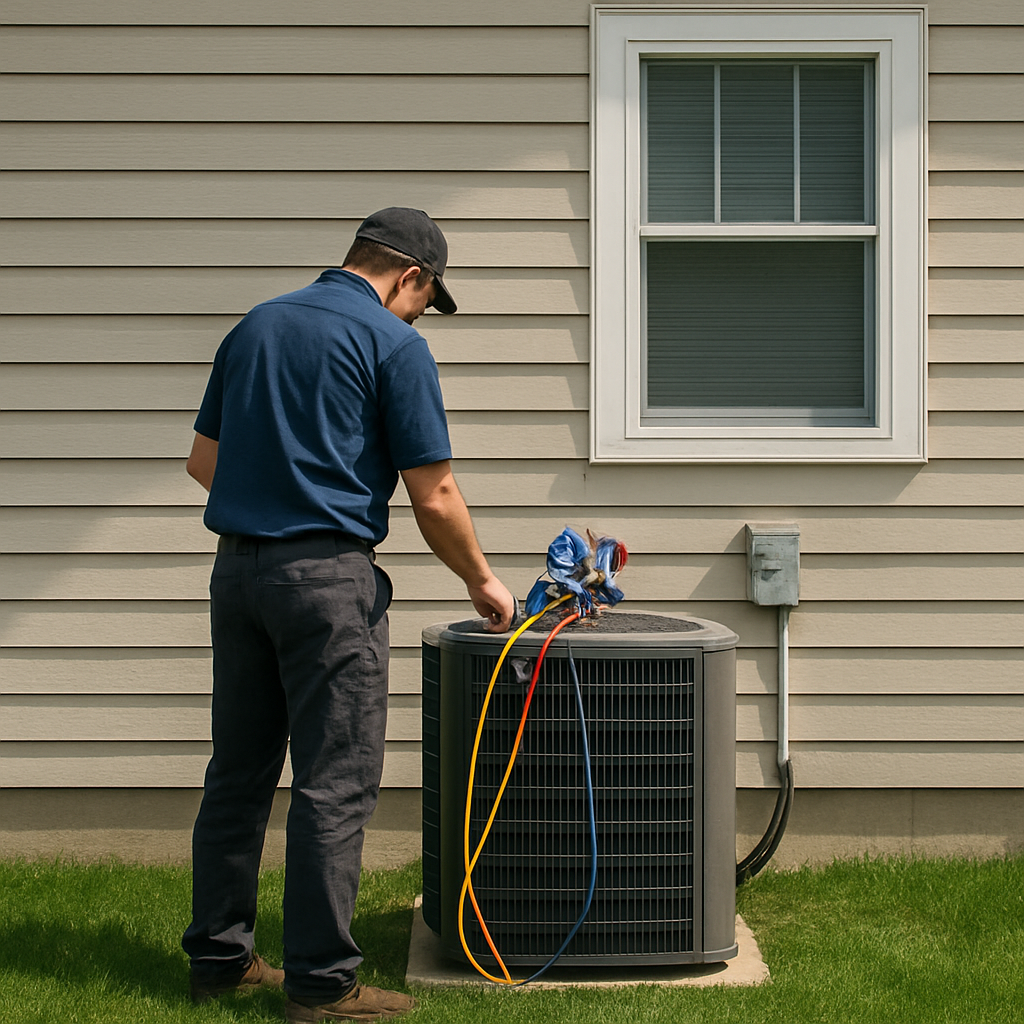
Florida’s laws are heavily influenced by its frequent exposure to hurricanes. Buildings must comply with stringent wind-resistance standards. Plumbing and HVAC systems are also under close scrutiny due to the state’s humid climate. Discover the best HVAC systems for energy efficiency that cater to Florida’s specific needs.
Special Considerations
Zoning Laws
Zoning laws determine how land can be used and what types of structures can be built. These laws vary not just by state, but often by city or county. It’s crucial to consult local zoning maps before purchasing property or planning a construction project.
Building Permits
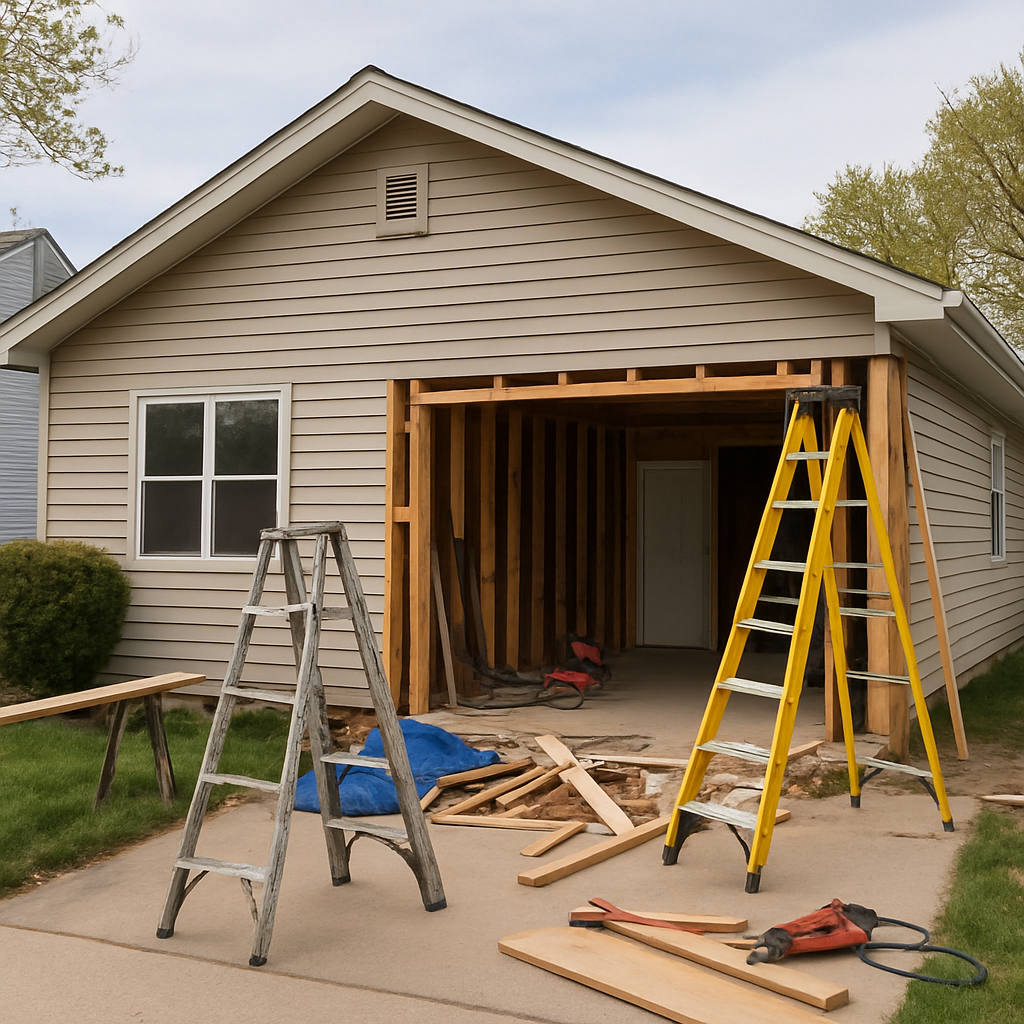
Building permits are required for most construction projects. These permits ensure that your project complies with local building codes, including safety standards and zoning regulations. For more on obtaining permits, see our article on permit requirements for home construction.
Environmental Regulations
Environmental impact assessments might be necessary, especially in ecologically sensitive areas. These evaluations can affect timelines and costs but are essential for sustainable building practices.
Tips for Navigating Construction Laws
Successfully navigating construction laws requires careful planning and professional guidance. Here are some tips to help you manage the legal landscape:
- Consult with a local contractor familiar with state-specific laws.
- Review state government websites for updates on construction laws and regulations.
- Use online resources such as CDC’s Construction Program and OSHA’s Construction Safety Guidelines for safety standards.
- Engage a legal expert if your project is complex or located in an area with intricate laws.
Conclusion
Understanding and adhering to construction laws is essential for any successful building project. Whether you’re in California, Florida, New York, or Texas, being informed about local regulations will save time, money, and potential legal hassles. As you plan your next project, make sure to stay compliant and consider consulting local experts to help guide your efforts. For more detailed guides on various aspects of construction, visit our blog for the latest insights.
Have questions or need further assistance? Reach out to us, and our team of experts is ready to help you navigate your construction journey with ease.