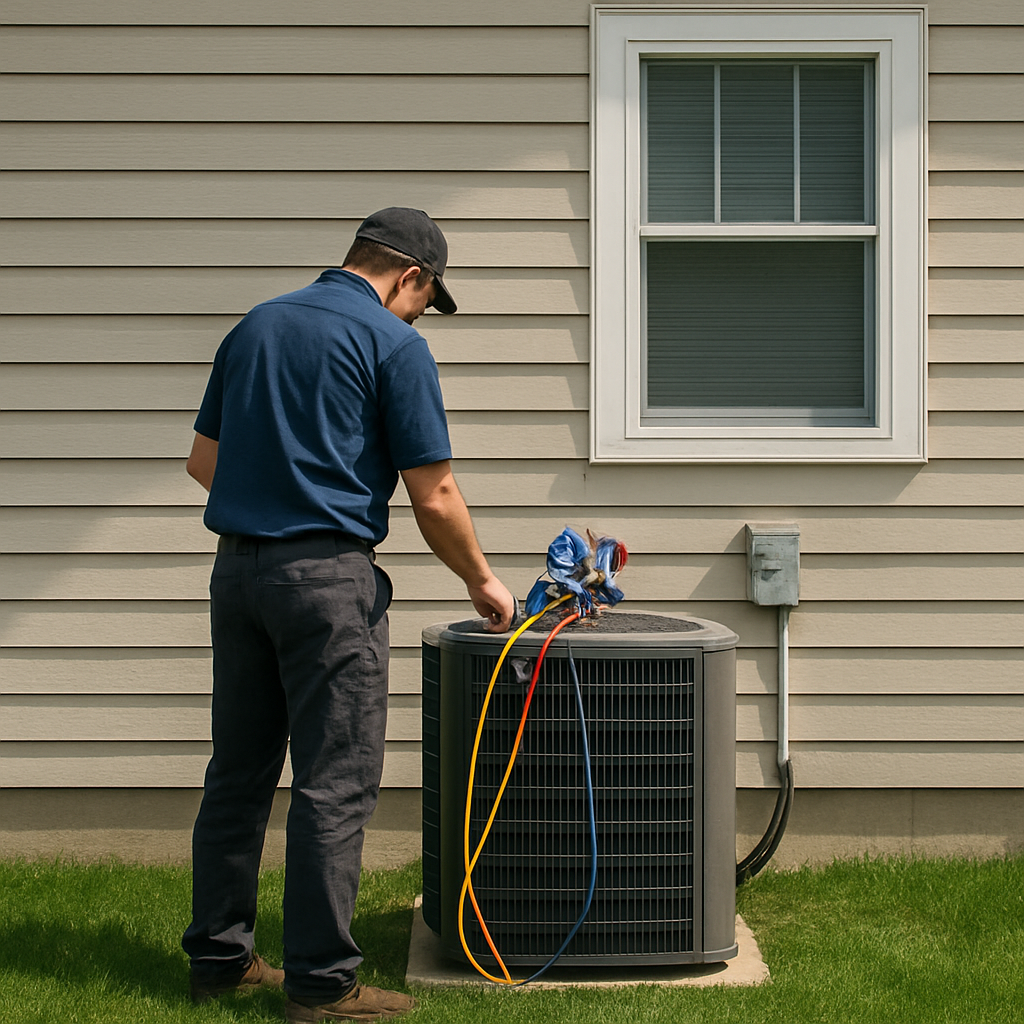

In today’s world, maintaining a comfortable home environment is more important than ever. An efficient HVAC (Heating, Ventilation, and Air Conditioning) system plays a crucial role in achieving that comfort. This guide aims to provide US homeowners with valuable insights into HVAC systems, including types, maintenance tips, and how to choose the right system tailored to your needs.
Understanding HVAC Systems
HVAC systems are designed to regulate indoor temperature and air quality. They encompass heating, ventilation, and cooling components, ensuring a comfortable living environment year-round.
Types of HVAC Systems
- Split Systems: These consist of separate indoor and outdoor units. They are the most common type found in homes and are ideal for all climates.
- Hybrid Heat Split Systems: Similar to traditional split systems but with a heat pump option, allowing for more efficient energy use.
- Ductless Mini-Split Systems: Perfect for homes without ductwork, these systems offer flexibility by allowing different temperatures in each zone.
- Packaged Heating and Air Conditioning Systems: All components are located in a single unit, suitable for homes with limited indoor space.
Benefits of an Efficient HVAC System
An efficient HVAC system can significantly impact your home’s energy consumption. According to the Department of Energy, proper installation and maintenance can reduce heating and cooling costs by up to 30%.
- Energy Savings: Efficient systems consume less energy, translating into lower utility bills.
- Environmental Impact: Reduced energy consumption lowers your home’s carbon footprint.
- Improved Indoor Air Quality: Modern HVAC systems enhance air filtration, providing cleaner air.
- Consistent Comfort: Advanced controls and technology maintain a steady indoor climate.
Choosing the Right HVAC System for Your Home
Selecting the right HVAC system involves several factors. Considerations include climate, home size, and budget. Consulting with a professional is advisable to ensure proper sizing and installation, aligning with EPA recommendations.
Factors to Consider
- Climate: Warm regions may benefit from a system focused on cooling efficiency, while colder areas might prioritize heating performance.
- Home Size and Layout: Larger homes might require zoning to ensure even temperature distribution.
- Energy Efficiency Ratings: Look for units with high SEER (Seasonal Energy Efficiency Ratio) ratings.
- Budget: Upfront costs versus long-term savings must be balanced when making your decision. ENERGY STAR models can help guarantee efficiency and quality.
Maintenance Tips for Longevity and Efficiency
Regular maintenance is vital for keeping your HVAC system running efficiently. Neglecting care can lead to increased costs and system failures.
- Routine Inspections: Schedule annual professional inspections to evaluate system performance and address potential issues early.
- Change Filters Regularly: Replacing air filters every 1-3 months can substantially improve air quality and system efficiency, as highlighted in the DOE guide.
- Inspect Ductwork: Regular duct checks ensure that heat or air is distributed evenly throughout your home.
- Programmable Thermostats: Utilize these devices for automatic adjustments, reducing energy use when the home is unoccupied.
Preparing for Future HVAC Trends
As technology advances, so do HVAC systems. Preparing for future trends can save money and enhance your home’s efficiency. Explore energy-efficient systems for upcoming projects at The Best HVAC Systems for Energy Efficiency in 2026.
- Smart Technology: Integration with smart homes allows for precision control and monitoring remotely.
- Eco-Friendly Refrigerants: The transition to more environmentally benign refrigerants is ongoing. Learn more about current options from the EPA’s FAQs.
- Enhanced Air Quality Solutions: Considerations for air cleaning and ventilation can be critical for new builds or renovations.
Conclusion
Navigating the world of HVAC can be daunting, but it’s essential for maintaining a comfortable, energy-efficient home. This guide serves as a foundational resource for making informed decisions about your home heating and cooling needs. For further strategies to maintain your HVAC system, check out our 2026 HVAC Maintenance Checklist for US Homeowners.
For personalized advice or detailed inquiries, consider reaching out to HVAC professionals who can provide customized solutions. Stay informed and proactive for a comfortable and eco-friendly home environment. For more insights, visit our blog regularly!