HVAC systems are essential for maintaining comfort in our homes, but the rumble and clatter these systems sometimes produce can disrupt our tranquility. Ever wondered why your HVAC system is making noise and how you can silence it? Let’s decode those sounds and explore solutions for a quieter home environment.
Understanding Common HVAC Noises
Before diving into solutions, it’s crucial to identify and understand the different types of noises your HVAC system might produce. These noises can range from annoying to alarming, depending on their source.
Banging or Clanking
Banging or clanking can be indicative of a loose or broken part within the compressor, such as a connecting rod or piston pin. Ignoring this noise might lead to extensive damage, necessitating costly repairs.
Squealing or Screeching
These high-pitched sounds often result from problems with the blower or fan. The belt may be worn or improperly aligned, or the motor bearings might need lubrication.
Rattling
Rattling noises are usually a sign of loose debris or screws within the system. It’s a minor issue initially, but if left unaddressed, it can lead to significant damage.
Diagnosing HVAC Noise Issues
Diagnosing the source of HVAC noise involves a careful observation and understanding of when and where the noises occur. Here’s how you can get started:
Conduct a Visual Inspection
Inspect the system for any visible signs of wear or damage. Loose parts or debris in the unit can create noises during operation.
Listen Closely
Pay attention to the time and location where the noise is most prominent. This can help narrow down potential issues with specific components.
Consult the User Manual
Your HVAC unit’s manual often includes troubleshooting sections that can help identify common issues.
Solutions for a Quieter HVAC System
Once you’ve diagnosed the problem, it’s time to explore potential solutions to silence your HVAC system.
Regular Maintenance
Regular maintenance is crucial for keeping your HVAC system running smoothly and silently. This includes changing filters, cleaning ducts, and lubricating moving parts. For a comprehensive maintenance checklist, check out our HVAC Maintenance Checklist for US Homeowners.
Professional Inspection
Sometimes, it’s best to leave it to the experts. A professional HVAC technician can accurately diagnose and fix noise issues, ensuring your system runs efficiently. Find guidance on choosing the right professional in our guide to choosing the right contractor in the US.
Upgrading Your System
If your system is older, it might be time for an upgrade. Modern HVAC systems are designed to be more energy-efficient and quieter. We discuss the best options in our article on the best HVAC systems for energy efficiency.
Soundproofing Solutions
Consider insulating ducts and using sound blankets around the compressor to reduce noise. These solutions can effectively dampen sound without affecting system performance.
Preventive Measures to Minimize HVAC Noise
Preventive measures can often stop noise issues before they start. Here’s what you can do:
Regularly Clean and Change Filters
Dirty filters can cause the system to work harder, creating noise. Regular cleaning and replacement can prevent this problem.
Clear the Surrounding Area
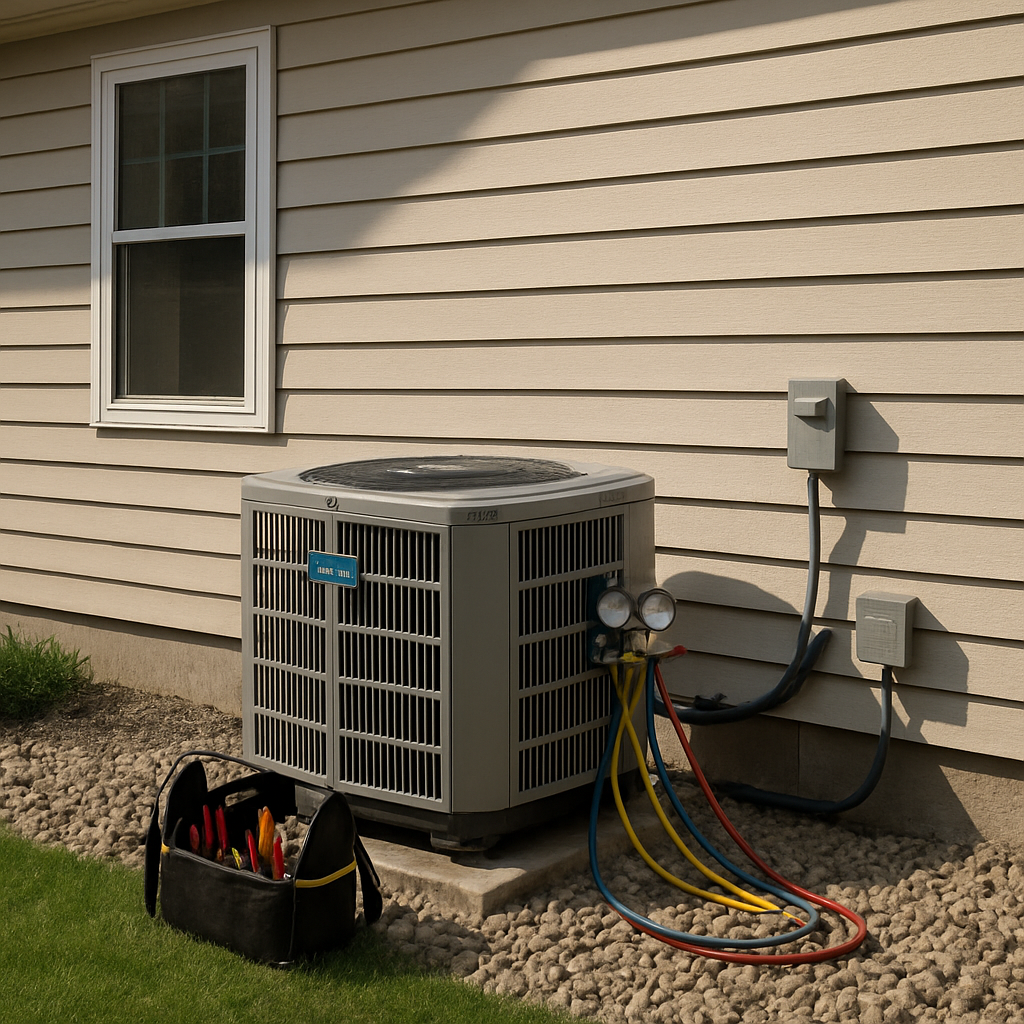
Ensure that your outdoor unit is clear of debris and overgrowth, which can obstruct airflow and cause noise.
The Importance of Indoor Air Quality
Speaking of airflow, maintaining your HVAC isn’t just about noise—it’s also about optimizing air quality. Good air quality ensures that your system works efficiently and quietly. Explore more about enhancing indoor air quality in our detailed guide on air quality solutions.
Conclusion: Enjoy a Quieter Home
By understanding and addressing the various causes of HVAC noise, you not only enhance your home’s tranquility but also improve the system’s longevity and efficiency. Whether through simple DIY diagnostics or professional assistance, taking action can lead to a more peaceful living environment. If you’re considering a major upgrade or are new to the technicalities, our ASHRAE standards and guidelines provide excellent insight into industry norms.
For more home improvement insights and expert advice, visit our full range of blog posts at Contractors Candy Blog. Take control of your home’s comfort today!