
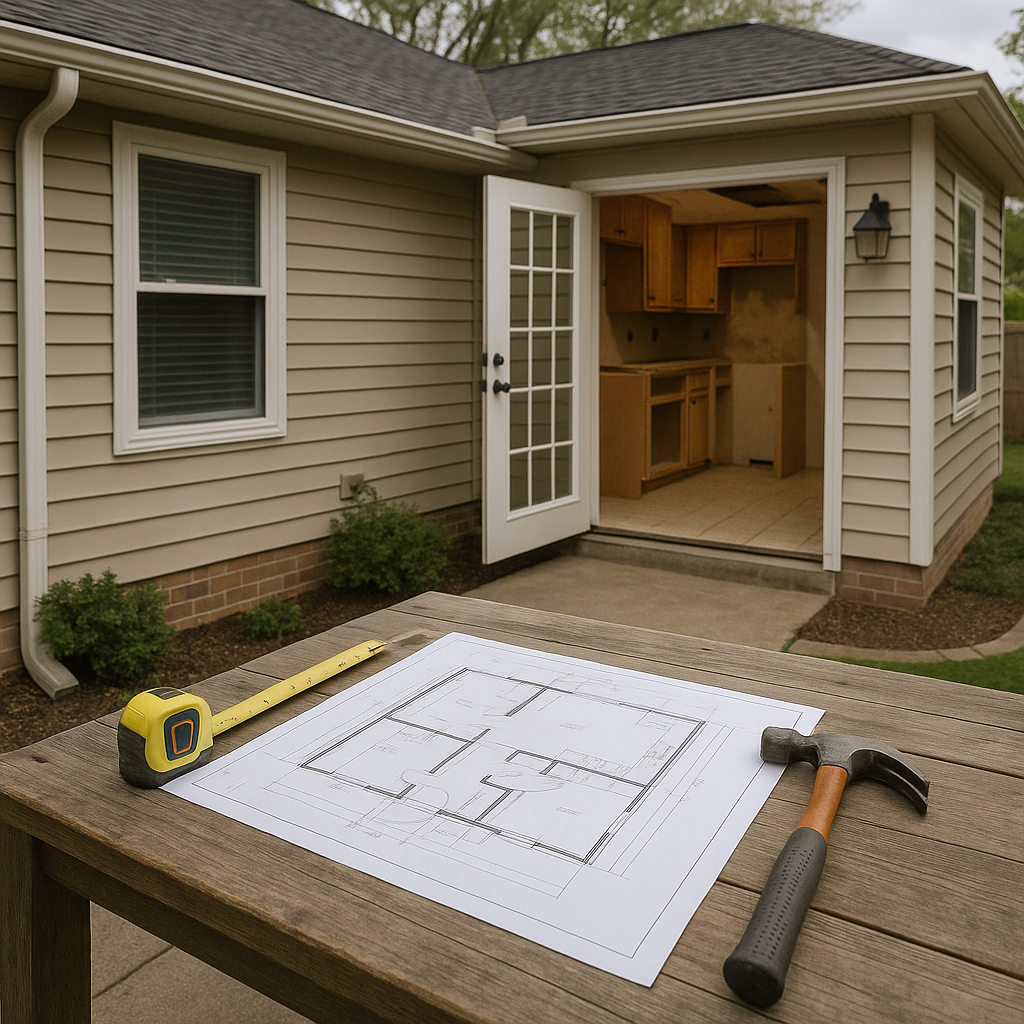
Your kitchen is more than just a place to cook meals; it’s often the heart of your home. Planning a kitchen remodel is an exciting but complex task that requires careful thought and consideration to ensure that the final result is both functional and visually appealing. Whether you’re revamping it to improve practicality or to refresh the aesthetic, a detailed plan is essential. In this post, we’ll guide you through the steps to effectively plan your kitchen remodel.
Assess Your Needs and Set Goals
Before diving into the design and layout, taking stock of what you want to achieve with your remodel is essential. Consider how you currently use your kitchen and what changes could improve your experience.
Identify Pain Points
Make a list of what currently frustrates you about your kitchen. Is it a lack of storage? An awkward layout? Or perhaps outdated appliances? Identifying these pain points will help you focus your efforts where they’re needed most.
Define Your Must-Haves
Think about features that are non-negotiable for you. This could include a larger island, a farmhouse sink, or energy-efficient appliances. Establishing these priorities early will guide your decisions throughout the process.
Create a Budget
Remodeling can be a significant investment, so establishing a realistic budget is crucial. Be sure to include all potential costs, such as materials, labor, appliances, and unexpected expenses.
Get Quotes from Contractors
Hiring the right contractor can make or break your remodel. Obtain several quotes to compare costs and services. Ensure that contractors are licensed and experienced in kitchen remodels. Visit our homepage to explore how we can aid in your search.
Allocate a Contingency Fund
It’s wise to set aside about 10-15% of your budget for unforeseen expenses. Remodeling can reveal hidden issues such as plumbing or electrical problems that can add to your costs.
Plan the Layout
An efficient layout enhances the functionality of your kitchen. Consider the classic work triangle that involves the refrigerator, stove, and sink, ensuring they are in close proximity to boost efficiency.
Maximize Space
Regardless of your kitchen’s size, optimizing space is essential. Consider adding vertical storage solutions or a pull-out pantry to make the most of limited space.
Consider Workflow
Think about how you move around your kitchen. The layout should support smooth traffic flow between these key areas. A well-thought-out workflow can save time and unnecessary steps during meal preparation.
Choose Materials Wisely
The materials you choose impact both the look and durability of your kitchen. From countertops to cabinets, make selections that align with your lifestyle and aesthetics.
Cabinetry Options
Look into different cabinet styles and materials. Solid wood is durable but may be costlier, while laminated cabinets offer more budget-friendly options with similar visual appeal.
Countertop Considerations
Popular countertop materials include granite, quartz, and butcher block. Each material has its pros and cons regarding durability, maintenance, and cost, so consider what best suits your cooking habits.
Think About Ventilation and Lighting
Good ventilation is crucial to remove cooking odors and moisture, which can otherwise damage cabinetry and walls. Meanwhile, proper lighting enhances functionality and mood.
Ventilation Solutions
Options like range hoods or additional windows help keep the air fresh. For a comprehensive guide on how air quality affects your health during remodeling, check out this EPA resource.
Lighting Plan
Incorporate a combination of task, ambient, and accent lighting. This multi-layer approach ensures your kitchen is well-lit for cooking, dining, and entertaining.
Be Mindful of Safety and Regulations
Your kitchen must adhere to safety standards and local building codes. It’s also crucial to consider issues like lead paint and asbestos, especially in older homes.
Understand Legal Requirements
Prioritize safety by ensuring your contractor adheres to all local codes. The EPA guidelines offer a comprehensive overview on safe renovation practices.
Address Health Concerns
During remodeling, old materials might release harmful substances like lead or asbestos. The EPA’s lead-safe renovation tips are invaluable for handling these risks responsibly.
Hire Professionals
While DIY can be tempting, hiring experienced professionals ensures quality and adherence to safety standards. Use reputable sources to vet your candidates thoroughly.
Conclusion
A successful kitchen remodel adds value to your home and enhances your daily living experience. By carefully evaluating your needs, planning your budget, designing an efficient layout, and selecting quality materials, you’re setting yourself up for a project that satisfies both form and function. Ready to start your remodel? Contact experienced professionals or explore Contractors Candy for even more remodeling advice and resources!