
Improving the efficiency of your HVAC system is essential for maintaining comfort and reducing energy costs, especially in older homes. Older homes often face unique challenges due to outdated systems and building materials not designed with energy efficiency in mind. Fortunately, there are several strategies you can employ to enhance the functionality and efficiency of your HVAC system.
Understanding the Challenges of Older Homes
Older homes often come with charming architecture and historical value, but they may also present inefficiencies in heating and cooling. These can stem from inadequate insulation, outdated HVAC systems, and poor sealing around doors and windows. Moreover, these homes may lack modern energy-efficient technologies, making it crucial for homeowners to understand how to best update their systems.
The Importance of Insulation and Sealing
Insulation and air sealing are foundational elements in ensuring your home’s HVAC system operates efficiently. Without proper insulation, homes can lose substantial amounts of conditioned air, forcing HVAC systems to work harder than necessary.
- Identify Problem Areas: Inspect your home for signs of air leaks around windows, doors, and attics.
- Upgrade Insulation: Consider adding insulation to attics, walls, and crawl spaces to retain heat in winter and cool air in summer. This EPA resource underscores the benefits of proper insulation.
- Seal Air Leaks: Use caulk or weather-stripping to seal any detected leaks, which can significantly aid in maintaining desired indoor temperatures.
Modernizing Your HVAC System
Replacing or upgrading your existing HVAC system can substantially improve efficiency. Systems that are more than 10-15 years old may not meet today’s energy efficiency standards.
Consider HVAC System Upgrades
- High-Efficiency Units: Invest in modern, energy-efficient HVAC units, such as those with ENERGY STAR certifications. These are designed to use less energy and reduce utility bills. Learn more about this from ENERGY STAR.
- Ductless Mini-Splits: These systems are highly efficient for older homes without existing ductwork and can provide targeted heating and cooling.
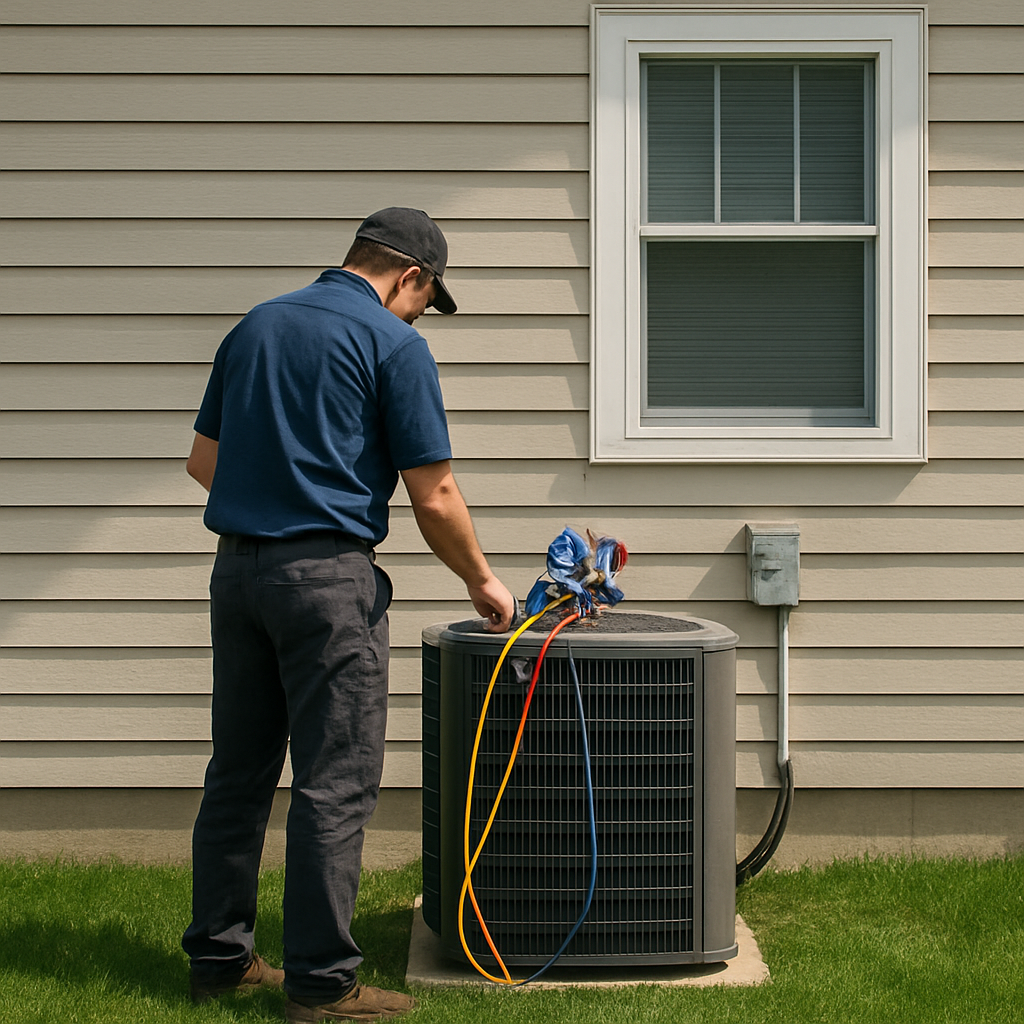
- Regular Maintenance: Ensure your system is regularly serviced. The U.S. Department of Energy offers valuable guidance on maintaining air conditioners.
Optimizing Air Flow and Quality
A crucial aspect of HVAC efficiency is maintaining proper airflow and ensuring indoor air quality is optimal. This not only helps the system run efficiently but also promotes a healthier living environment.
Enhancing Air Quality
- Install Air Filters: Use high-quality air filters and replace them regularly to enhance air quality and system efficiency.
- Ventilation Practices: Implement strategic ventilation practices to improve air circulation and remove stale air. Our blog on enhancing your home environment provides further insights.
- Consider Air Purifiers: For those with allergies or respiratory concerns, air purifiers can significantly aid in removing pollutants and allergens.
Additional Tips for Maximizing Efficiency
Simple everyday actions can complement larger upgrades and help in maximizing the efficiency of your HVAC system.
- Smart Thermostats: Consider installing smart thermostats to optimize temperature settings automatically based on your schedule and occupancy patterns.
- Manage Sunlight Exposure: Use curtains or blinds to manage heat gain from sunlight, thereby reducing cooling demands.
- Zoning Systems: Implement zoning systems, which allow you to control temperatures in specific areas of your home independently.
For further guidance on maintaining your HVAC system, our HVAC maintenance checklist can serve as a comprehensive resource.
Conclusion
Improving the efficiency of your HVAC system in an older home doesn’t have to be daunting. By enhancing insulation, upgrading to modern systems, and optimizing airflow, you can enjoy a comfortable, efficient home while reducing energy costs. Whether you’re considering big changes or small tweaks, each step contributes to better performance and savings. For more expert advice, explore our Contractors Candy blog. If you have any questions or need professional assistance, feel free to contact local HVAC experts to guide you through the process.