When it comes to maintaining your home, your roof is one of the most crucial components. It provides shelter from the elements, adds to the aesthetic appeal, and helps maintain energy efficiency. However, roofing problems are common and can escalate into serious issues if not addressed timely. In this guide, we’ll help you spot and fix common roofing problems to keep your home safe and sound.
Understanding Common Roofing Problems
There are several roofing issues that homeowners might encounter. Recognizing these problems early can save you time and money down the road.
Leaks and Water Damage
Leaks are perhaps the most obvious sign of roofing trouble. Water stains on your ceiling or walls can indicate a leak. These could be caused by missing shingles, cracked flashing, or improperly sealed roof valleys.
To tackle leaks, the first step is pinpointing the source. Inspect your attic for signs of moisture intrusion during daylight. Look for water stains, mold, or wet insulation.
Damaged or Missing Shingles
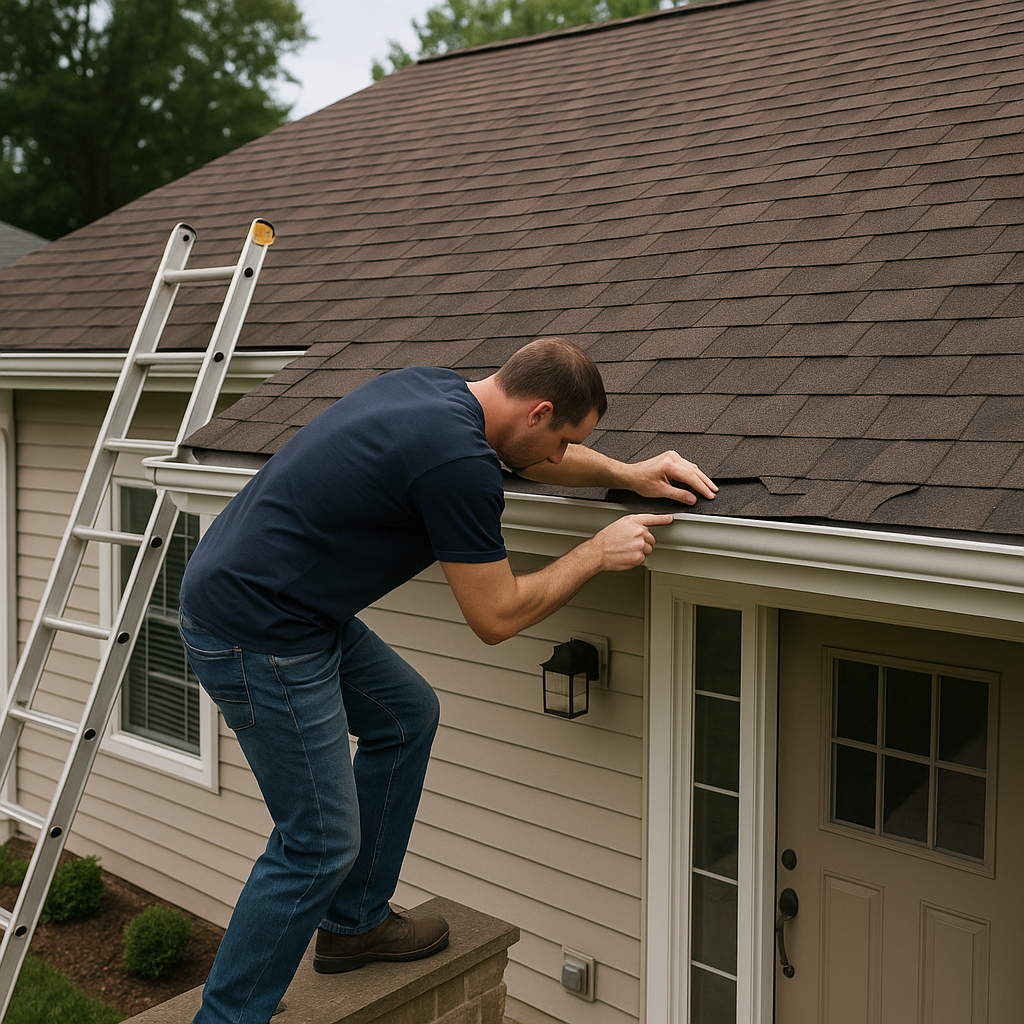
Shingles protect your roof’s underlayment from moisture. Over time, they can become cracked, curled, or even blow off during a storm. Damaged shingles can lead to leaks and other structural issues.
Inspect your shingles regularly, especially after heavy wind or rain. Replace missing or broken shingles promptly to prevent further damage. Learn more about replacing shingles in this resource from the U.S. Department of Energy.
Poor Roof Ventilation
Ventilation is key to a healthy roof. Without proper airflow, heat and moisture can build up, leading to mold growth, warping, and reduced roof lifespan.
Check your attic and roof for signs of poor ventilation such as musty odors, rusted nails, or excessively hot attic spaces. The EPA provides guidelines for managing moisture and ventilation in homes that could be useful.
Gutter Issues
Clogged or damaged gutters can cause water to back up and seep into your roof. This can lead to leaks and water damage.
Regularly clean your gutters to prevent clogs, and inspect them for any damage. Ensure they are securely attached and properly aligned to direct water away from your home.
Flashing Failures
Flashing is a material used to seal joints and prevent water from entering your roof. Over time, flashing can become damaged or corroded, leading to leaks.
Inspect areas like chimneys, vents, and skylights for damaged flashing. Replace or repair flashing to maintain a watertight seal. The EPA’s guide on safe renovations offers additional insights on dealing with flashing issues.
Preventative Maintenance Tips
Regular maintenance can extend your roof’s life and save you from costly repairs. Here are some preventative measures you can take:
Regular Inspections
Schedule inspections at least twice a year. Look for signs of wear and damage, especially after severe weather events.
Trim Overhanging Branches
Trees near your house can damage your roof with falling branches or leaves accumulating in gutters. Keep branches trimmed back to prevent this.
Install a Cool Roof
In warmer climates, consider installing a cool roof to reflect more sunlight and absorb less heat. This can reduce cooling costs and extend your roof’s life. Here’s more information from the Department of Energy about cool roofs and their benefits.
When to Call a Professional
While some minor repairs can be handled by handy homeowners, other issues require professional expertise. Here’s when to call in the pros:
Complex Repairs
If your roof has extensive damage, like large leaks or structural issues, hire a professional roofing contractor. They have the skills and equipment to properly address complex problems.
Installation of New Roofing
Installing a new roof is an extensive project that must be done correctly to ensure longevity and performance. This is best left to skilled professionals.
Conclusion
Maintaining your roof is crucial to protecting your home investment. By identifying and addressing issues promptly, you can prevent minor problems from becoming major headaches. Regular inspections, proper maintenance, and timely repairs will keep your roof in top shape.
For more home maintenance tips and resources, visit Contractors Candy. We’re here to help you every step of the way!
If you’re experiencing roofing issues that seem beyond a DIY approach, don’t hesitate to contact a local roofing expert to assess and fix the problems.