Are you planning a home improvement project in 2026? You’re not alone! Staying compliant with state-specific home improvement regulations can save you from unnecessary headaches and costs. Each state has its own set of legal requirements, and knowing these can help you avoid potential pitfalls. In this comprehensive guide, we’ll provide state-by-state insights to assist you in successfully navigating home improvement regulations.
Understanding Home Improvement Regulations
Why State Regulations Matter
Regulations ensure safety, quality, and community standards are met during home improvements. They cover everything from building permits and zoning laws to labor laws and environmental standards. Compliance with these regulations is crucial for both legal and safety reasons.
General Regulation Types
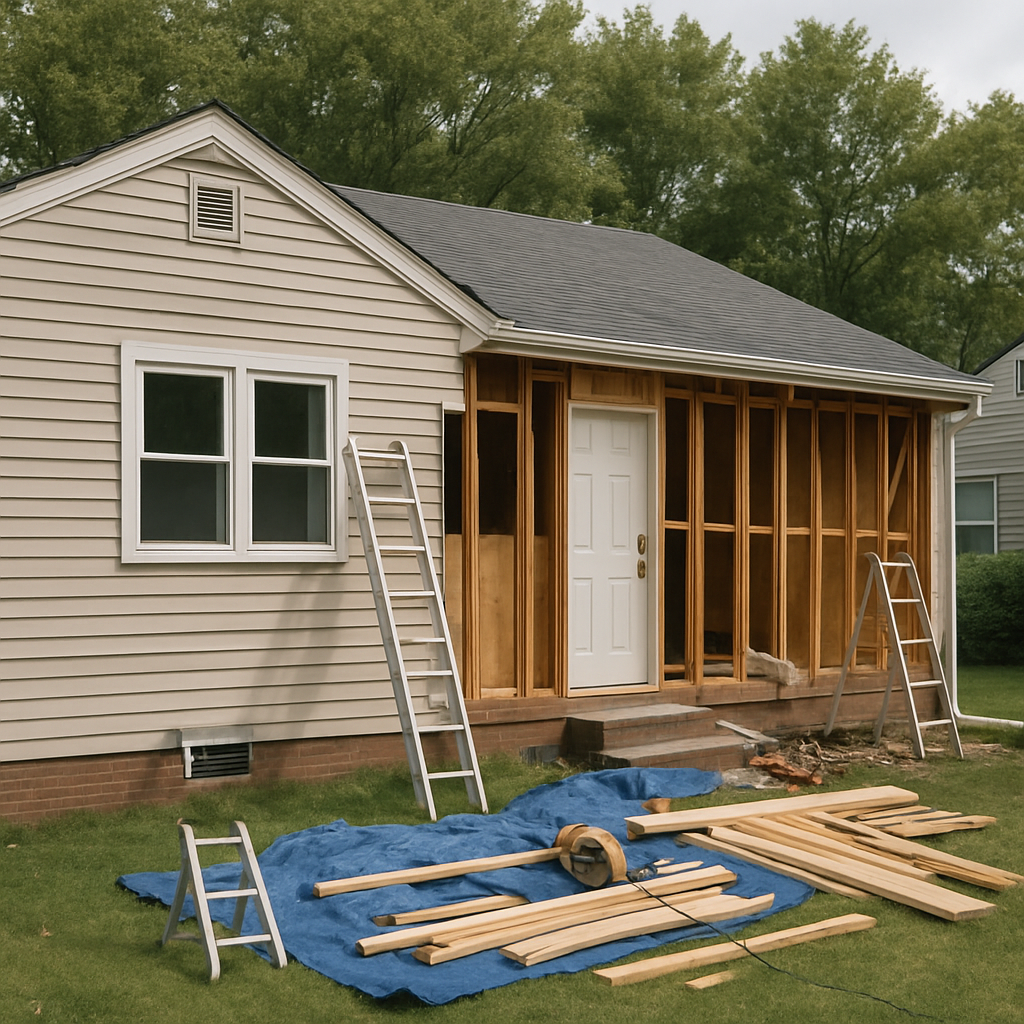
- Building Permits: Necessary for structural changes, electrical work, plumbing, and more.
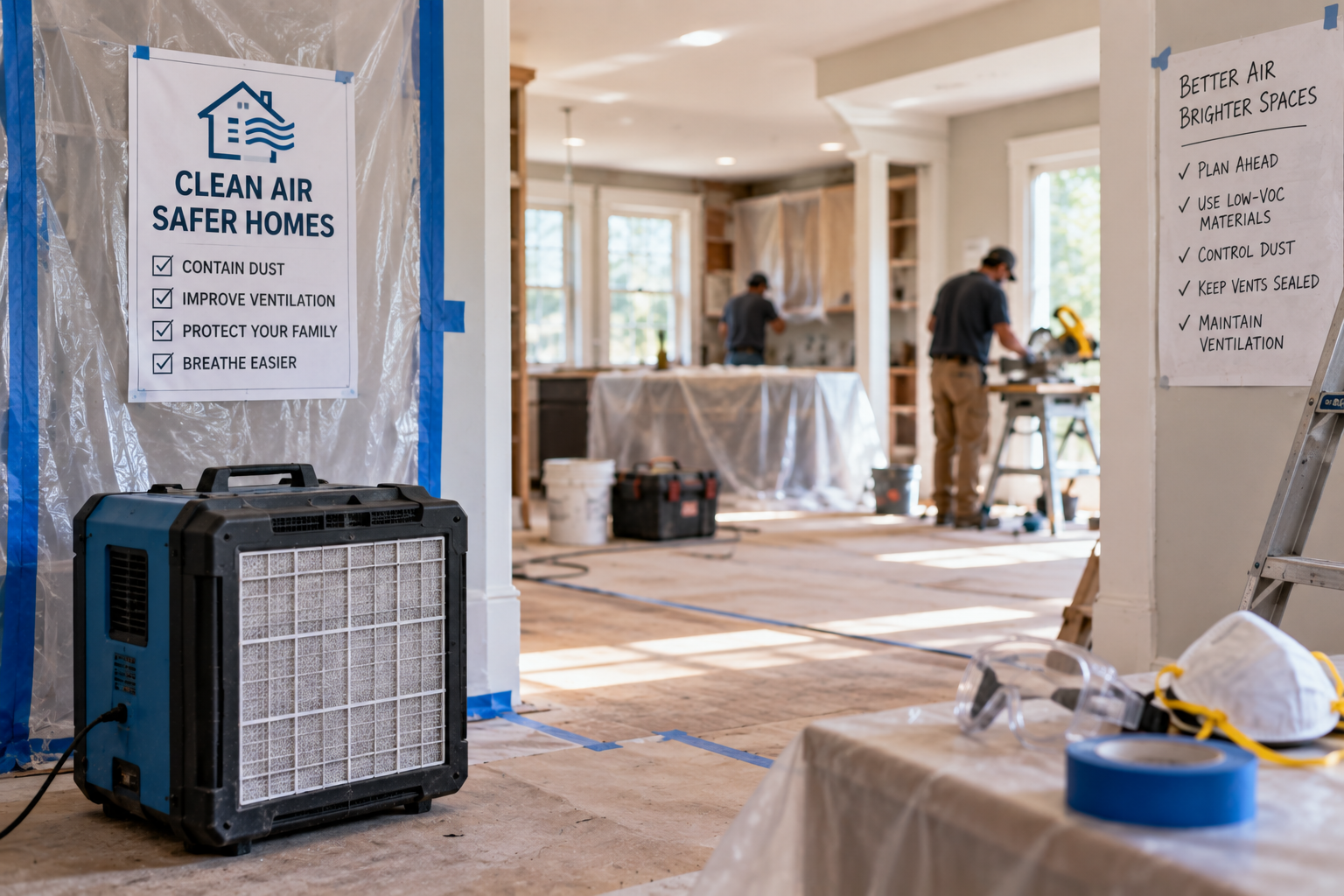
- Environmental Regulations: Includes rules on managing hazardous materials like lead-based paint, which is covered under the Renovate, Repair, and Paint (RRP) program.
- Contractor Licensing: Ensures that contractors meet local standards and are adequately qualified, as detailed by This Old House.
State-by-State Guide
Alabama to Georgia
Each state in this region has unique codes that may affect your renovations:
- Alabama: Permits are needed for most structural work. Check with local building departments for specific codes.
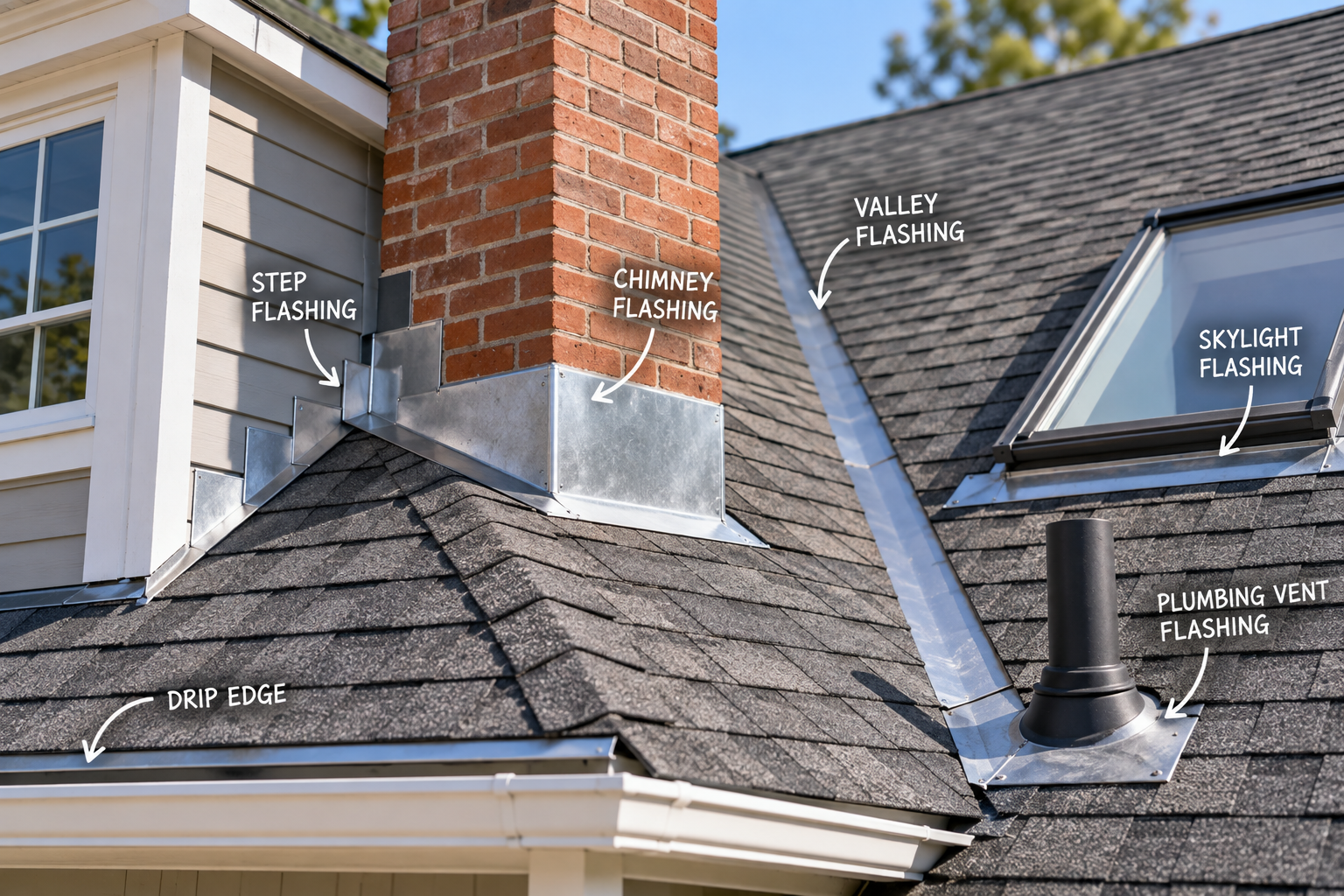
- Florida: Due to hurricane risk, strict regulations exist for roofing and window installations. For detailed roofing options, explore our asphalt vs. metal roofing guide.
- Georgia: Licensing is critical here. Contractors must be licensed for any project over $2,500.
Hawaii to Maryland
Island life and coastal living come with specific regulations:
- Hawaii: Environmental regulations are strict due to ecological concerns.
- Kentucky: Check local ordinances for historical and archaeological area protections.
- Maryland: Lead paint handling is regulated, particularly in older neighborhoods. Refer to the EPA’s guidelines for more information.
Massachusetts to New York
Historically rich states may have additional preservation regulations:
- Massachusetts: Energy codes are stringent, focusing on efficiency, as emphasized by the Department of Energy.
- New York: Major renovations require compliance with both state and city-specific codes.
Ohio to Virginia
From the Midwest to the Mid-Atlantic, consider these regulations:
- Ohio: Each county may have variant rules for similar projects – make sure to verify locally.
- Virginia: Strict on contractor licensing. Projects over $1,000 require a registered contractor.
Washington to Wyoming
The West includes diverse and evolving regulations:
- Washington: Environmental codes are in place to protect the natural landscape.
- Wyoming: The least populous state but still demands compliance with local codes.
Conclusion: Plan and Act Wisely
Understanding and following home improvement regulations in your state helps ensure a smooth remodeling process. Always verify the latest requirements from local building departments, and consider working with licensed professionals to stay compliant. For more expert advice, check out our post on DIY vs. Professional Remodeling and explore our extensive resources on Contractors Candy to empower your next project.
Ready to start your home improvement journey? Comment below with any questions or share your experiences. Let’s build a community of informed homeowners!