As energy efficiency standards evolve, homeowners across the United States need to stay informed about their state’s specific HVAC efficiency requirements. Understanding these regulations can not only help you make energy-conscious choices but also ensure compliance and potentially reduce energy bills. Here’s a comprehensive look at the state-by-state HVAC efficiency standards in the US.
Understanding HVAC Efficiency Standards
Heating, ventilation, and air conditioning (HVAC) systems have efficiency standards designed to minimize energy consumption and environmental impact. These standards are usually measured in terms of SEER (Seasonal Energy Efficiency Ratio) for air conditioners and HSPF (Heating Seasonal Performance Factor) for heat pumps. In 2023, new efficiency requirements were rolled out, emphasizing the importance of staying updated on these regulations.
The Importance of SEER and HSPF Ratings
The SEER rating evaluates the cooling output during a typical cooling season divided by the total electric energy input. A higher SEER means greater efficiency. Similarly, the HSPF rating assesses heat pump performance over a season. Updated efficiency standards ensure that HVAC systems consume less power, saving homeowners money and reducing carbon footprints.
Regional HVAC Efficiency Standards
The United States is divided into regions for HVAC efficiency standards: North, Southeast, and Southwest. These regional standards recognize the different climate conditions that influence HVAC usage. Let’s take a closer look at each region:
North Region
The North region generally includes colder states where heating is more essential than cooling. Here, the focus is more on the HSPF ratings for heat pumps rather than SEER for air conditioners. As of 2023, the minimum SEER for central air conditioners in this region is set at 14. Learn more about these SEER requirements. Homeowners should ensure their systems meet or exceed these ratings for optimal efficiency.
Southeast Region
Comprising states with hot, humid climates, the Southeastern region places more emphasis on SEER ratings to combat high cooling demands. In 2023, the minimum SEER requirement increased to 15 to support energy conservation efforts. This means investing in systems that meet these standards can offer significant energy savings over time. Explore the full standards for this region.
Southwest Region
The Southwest region includes desert states where both cooling and heating efficiency are crucial. Therefore, both SEER and HSPF ratings play a vital role. As of 2023, the region requires a minimum SEER of 15 and a suitable HSPF to ensure comfort year-round. Check out the Department of Energy’s detailed standards.
State-Specific Details
Each state may have specific legislation or incentives related to HVAC efficiency, adding another layer of complexity. Here’s an overview of the requirements in several key states:
- California: Known for its stringent efficiency codes, California requires systems with high SEER and HSPF ratings, often exceeding federal standards to conserve energy and protect the environment.
- Texas: With a large portion in the Southeast region, Texas focuses on higher SEER ratings to handle its hot summers.
- New York: Being in the Northern region, there is a stronger emphasis on heating efficiency with HSPF ratings taking precedence.
- Florida: It falls under the Southeast region, thus requiring higher SEER ratings to efficiently manage cooling needs.
If you’re planning HVAC upgrades, it’s crucial to understand your state’s specific standards. Consider professional insights from our extensive guides, such as The Best HVAC Systems for Energy Efficiency for informed decisions.
Federal Initiatives and Incentives
The federal government offers several incentives to help homeowners adapt to new efficiency standards. These include tax credits and rebates for energy-efficient upgrades. Staying informed about federal incentives can offset the costs of upgrading your HVAC system.
Implementing Efficiency Standards in Your Home
Adhering to these standards can seem overwhelming, but there are practical steps you can take:
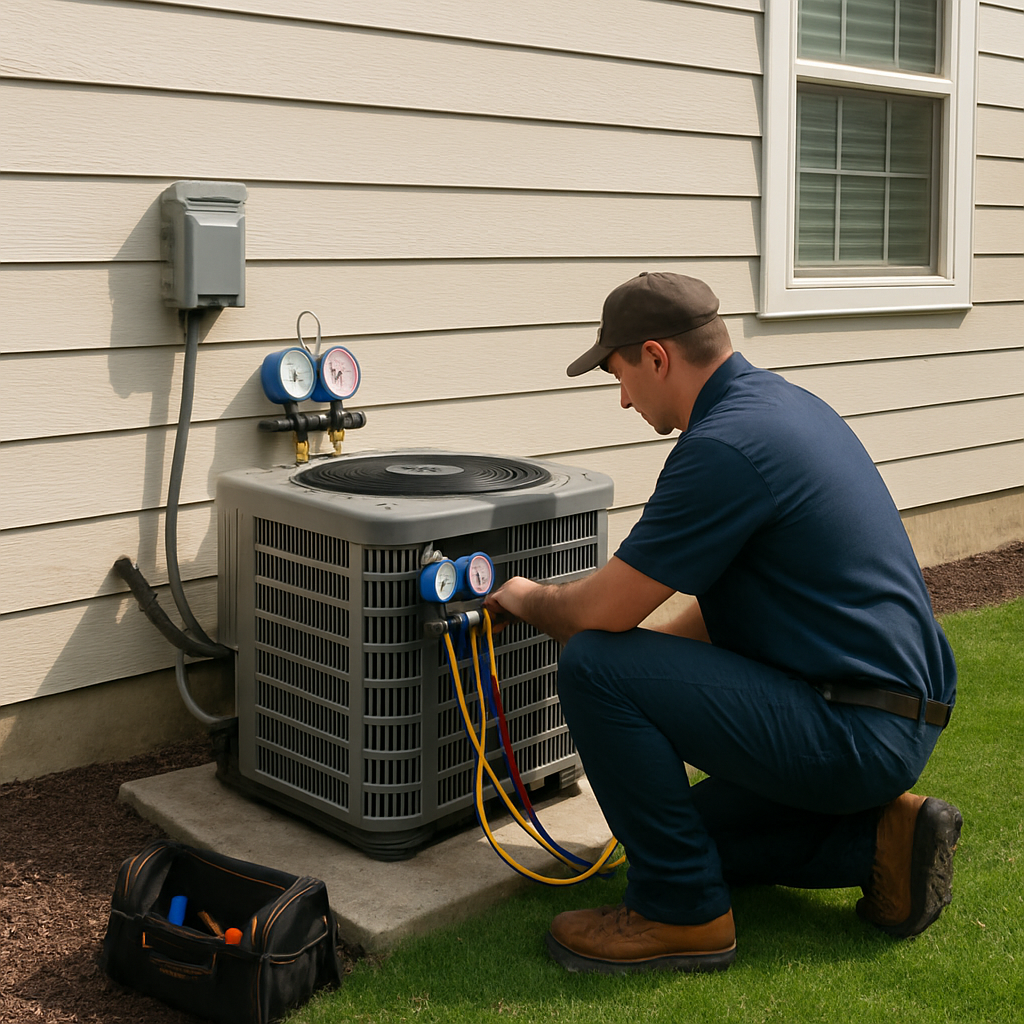
- Consult Professionals: Consider hiring an HVAC expert for assessments and guidance. Our guide on maintaining your HVAC system could provide additional insights.
- Routine Maintenance: Regular maintenance can ensure your system operates within efficiency limits, preventing costly repairs or replacements in the long run.
- Research State-specific Incentives: Every state has incentives that make upgrading worthwhile. Checking with local energy offices can uncover these opportunities.
The impact of adhering to HVAC efficiency standards cannot be overstated. From reducing energy bills to enhancing comfort, the benefits are tangible and extensive.
Conclusion
Remaining compliant with HVAC efficiency standards is not just about following regulations but also about investing in your home’s future. Higher efficiency systems mean lower energy bills, a smaller carbon footprint, and a more comfortable living environment. For more insights into improving home efficiency, check out our extensive blog resources packed with expert advice.
Ready to upgrade your HVAC system or need a maintenance checkup? Dive into our rich content on HVAC maintenance tips to keep your system running smoothly all year round. Start your journey towards a more energy-efficient home today!