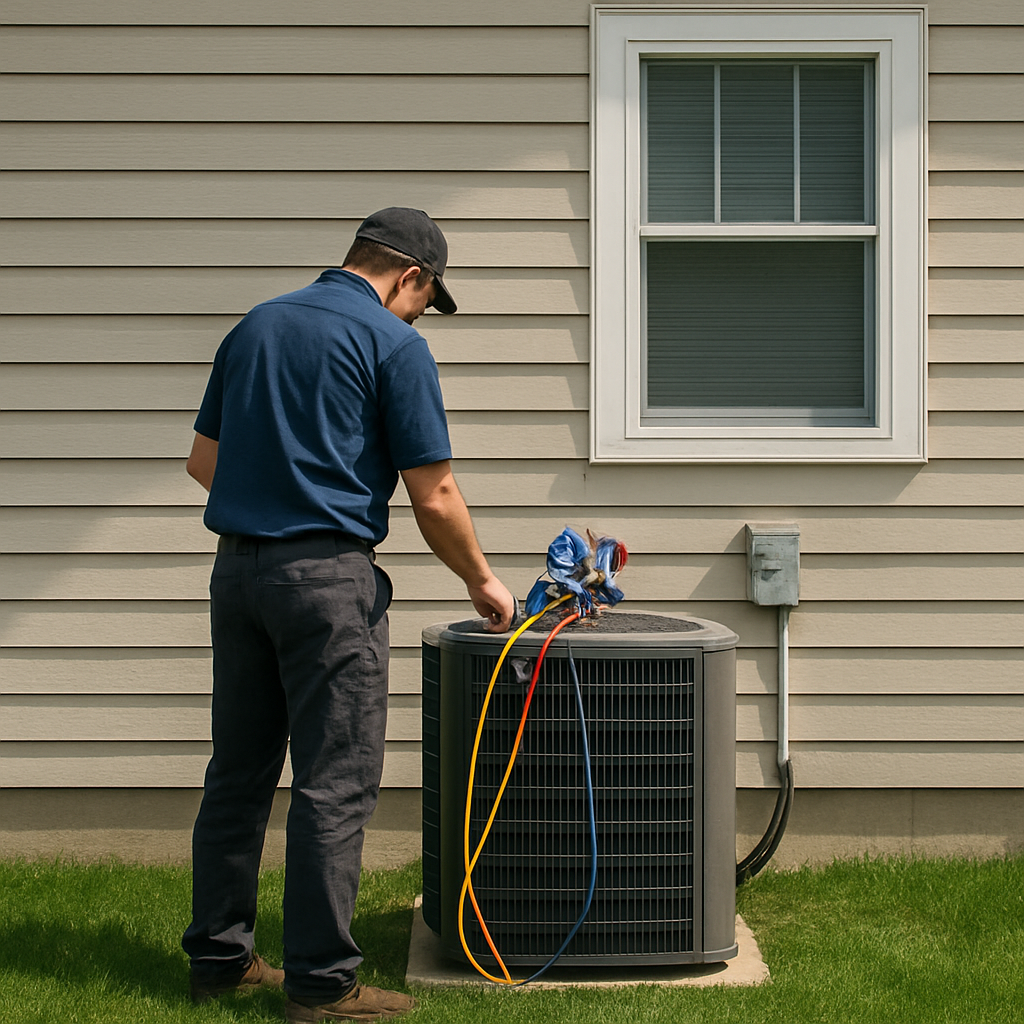

As homeowners continue to seek greener alternatives to power their homes, choosing the best HVAC systems for energy efficiency remains crucial. By 2026, the HVAC industry is set to revolutionize through technological advancements and regulatory changes designed to enhance energy savings while minimizing environmental impact. In this guide, we’ll explore some of the most efficient HVAC systems you should consider for your home to optimize energy use and reduce costs.
Understanding Energy Efficiency in HVAC Systems
Energy efficiency in HVAC systems is primarily measured by Seasonal Energy Efficiency Ratio (SEER) and Heating Seasonal Performance Factor (HSPF) ratings. These are metrics used to determine the cooling and heating efficiency of air conditioners and heat pumps, respectively. Higher ratings correlate with more energy savings, which translates into lower utility bills. According to the ENERGY STAR, updated SEER and HSPF ratings are essential for selecting the best energy-efficient systems in 2026.
SEER and SEER2 Ratings
SEER measures the cooling output of an HVAC system over a typical cooling season divided by total electric energy input. SEER2, an updated standard, reflects more realistic, field-based efficiencies, and will be prominent in the latest systems by 2026. These improved models are expected to offer superior energy savings due to enhanced technology.
HSPF Ratings
HSPF ratings play a similar role for heating systems, especially vital for heat pumps. A higher HSPF rating indicates more efficient heating performance, which is crucial during winter months. The Department of Energy outlines the benefits of selecting systems with the highest HSPF ratings to maximize efficiency.
Top Energy-Efficient HVAC Systems for 2026
Choosing an HVAC system for your home involves evaluating energy efficiency, cost, and environmental impact. Let’s delve into the best options available for 2026.
1. Advanced Heat Pump Systems
Heat pumps are leading the energy efficiency revolution, offering both heating and cooling in one unit. With advancements in inverter technology, these systems adjust their speed to maintain the ideal temperature, consuming less energy. The Department of Energy endorses heat pumps due to their high SEER and HSPF ratings, making them a smart homeowner choice.
2. Ductless Mini-Split Systems
Ductless mini-split systems provide a practical solution for homes lacking extensive ductwork. These units offer high SEER and HSPF ratings, delivering zoned heating and cooling. The absence of ductwork reduces potential energy loss, further enhancing efficiency.
3. Hybrid HVAC Systems
Combining the best of traditional and renewable technology, hybrid HVAC systems utilize a heat pump paired with a gas furnace. This system optimizes energy use by switching between electricity and natural gas, depending on the temperature and efficiency needs. Such systems are expected to become popular in areas with variable climates.
4. Central Air Conditioners with Variable Speed Compressors
Central air conditioners equipped with variable speed compressors offer a notable upgrade over traditional systems. They adjust to cooling demands more precisely, thus utilizing electricity more efficiently. The EPA emphasizes these systems’ reduced environmental impact and compliance with HFC refrigerant restrictions, making them an excellent investment.
Impact of Regulatory Changes on HVAC Systems
Regulations play a pivotal role in shaping the HVAC landscape. Stricter standards for high-GWP (Global Warming Potential) refrigerants have pushed manufacturers to innovate. The EPA has proposed reforms aimed at lowering costs for families while promoting energy-efficient technologies. By 2026, these measures are expected to significantly influence consumer choices and system availability.
The Role of HFC Regulations
The transition away from high-GWP refrigerants is crucial in reducing the environmental footprint of HVAC systems. Many new units will adhere to the latest EPA guidelines, ensuring they contribute to sustainability while offering improved energy efficiency.
Conclusion: Make the Smart Choice for 2026 and Beyond
Incorporating the latest energy-efficient HVAC systems by 2026 will not only save you money but also benefit the environment. Investing in advanced technologies like heat pumps, ductless systems, and hybrid systems positions your home for optimal comfort and efficiency. Stay informed on Contractors Candy for tips and insights to help guide your HVAC decisions.
Ready to upgrade your HVAC system? Contact a professional to assess your home’s needs and explore the best energy-efficient options for a greener future.