When something goes wrong with your roof, one of the first questions homeowners face is whether they need a roof repair or a full roof replacement. The answer is not always obvious. A small leak, missing shingles, storm damage, or aging materials may look concerning from the ground, but the right solution depends on the roof’s overall condition, age, materials, damage level, and long-term performance.
In some cases, a targeted repair can solve the problem and extend the life of the roof. In other cases, continuing to patch an old or failing roof may only delay the inevitable and cost more over time. Understanding the difference between roof repair and roof replacement can help homeowners make a more informed decision before hiring a contractor or approving work.
A roof protects the entire home from rain, wind, hail, sun, snow, pests, and moisture. Because roofing problems can lead to attic damage, mold, insulation issues, ceiling stains, and structural concerns, it is important to address them promptly. The National Roofing Contractors Association provides homeowner resources on roof maintenance and contractor selection, which can help homeowners better understand the importance of proper roofing care.
Here is what you should know about roof repair, roof replacement, and how to decide which option may be right for your home.
What Is Roof Repair?
Roof repair focuses on fixing a specific problem area rather than replacing the entire roofing system. A repair may involve replacing a few damaged shingles, sealing a small leak, fixing flashing, replacing a pipe boot, repairing storm damage, addressing a small section of damaged decking, or correcting a localized issue.
Roof repair is usually the right option when the roof is generally in good condition and the damage is limited. For example, if a storm blows off a few shingles from a relatively new roof, a repair may be enough. If flashing around a chimney has failed but the rest of the roof is sound, repairing or replacing the flashing may solve the leak.
The main goal of a roof repair is to restore protection in the damaged area without replacing the entire roof. A good repair should address the source of the problem, not just cover the visible symptom.
What Is Roof Replacement?
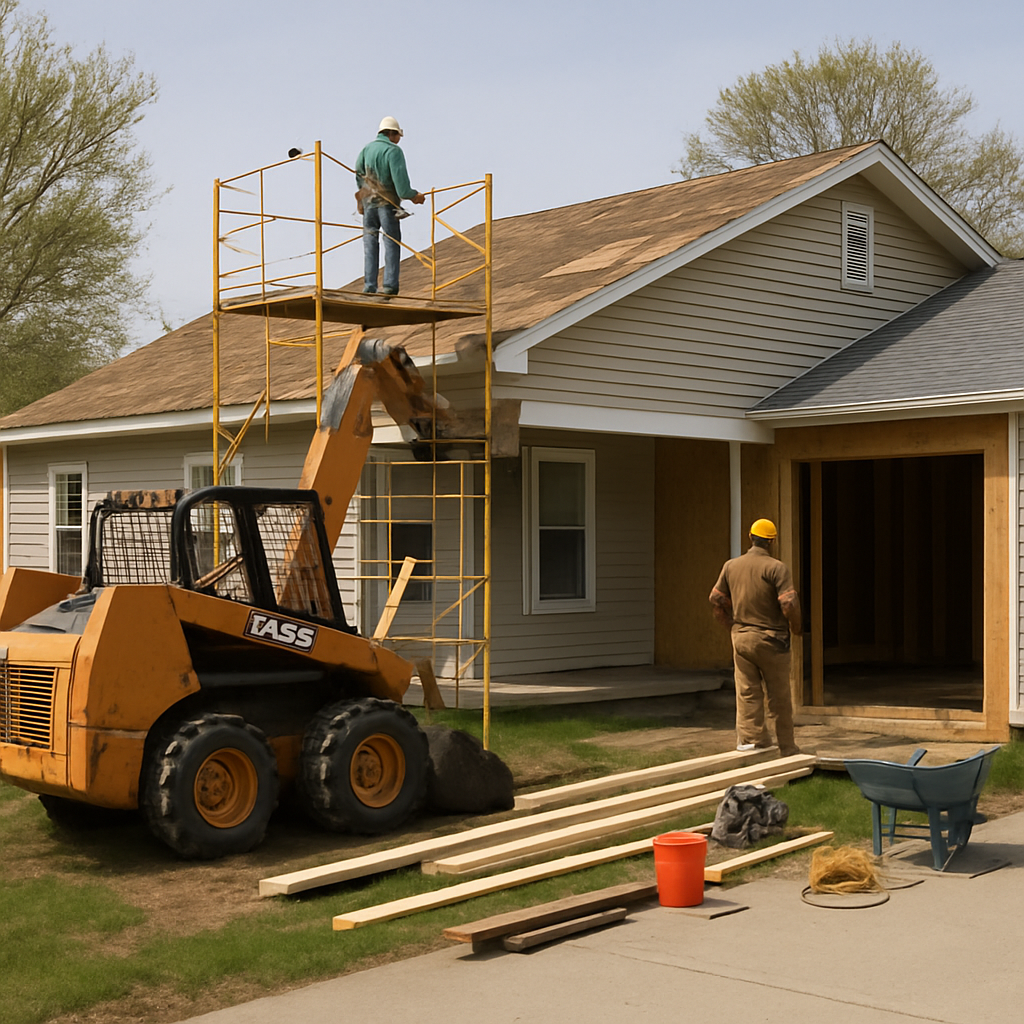
Roof replacement is a larger project that involves removing and replacing the existing roofing materials. In many cases, this includes tearing off old shingles or roof covering, inspecting the decking, replacing damaged decking if needed, installing underlayment, flashing, drip edge, vents, starter shingles, shingles or other roofing material, ridge caps, and other system components.
Replacement is usually recommended when the roof is old, heavily damaged, repeatedly leaking, poorly installed, or nearing the end of its useful life. It may also be the better option when damage is widespread across multiple areas.
A roof replacement is a bigger investment than a repair, but it can provide a more complete long-term solution. Instead of fixing one problem area at a time, replacement addresses the roof as a whole system.
When Roof Repair May Be Enough
Roof repair may be enough when the damage is minor, isolated, and the rest of the roof is still in good condition. This is especially true for newer roofs or roofs that have been properly maintained.
Common situations where repair may make sense include:
A few missing shingles
Minor wind damage in one area
A small leak from flashing
A damaged pipe boot
A single puncture or localized impact
A small area of lifted shingles
Minor damage around a vent or skylight
A limited section affected by falling debris
If the roof is not very old and the materials are still performing well, repairing the affected section can be practical and cost-effective. However, repairs should still be done correctly. A quick patch that does not address the real source of the leak may fail again.
It is also important to match materials as closely as possible. If the existing shingles are faded or discontinued, the repaired area may look slightly different. For some homeowners, that cosmetic difference matters.
When Roof Replacement May Be the Better Choice
Roof replacement may be the better choice when problems are widespread or recurring. If your roof has multiple leaks, large areas of missing shingles, severe granule loss, sagging, widespread storm damage, damaged decking, or repeated repair needs, a full replacement may provide better long-term value.
Replacement may also make sense if the roof is near the end of its expected lifespan. Continuing to repair an old roof can become expensive if new issues keep appearing. At some point, repair money may be better invested in a new roofing system.
Signs that replacement may be needed include:
Frequent leaks
Shingles curling or cracking across large areas
Large amounts of granules in gutters
Multiple missing or loose shingles
Sagging roof sections
Widespread hail or wind damage
Old or brittle roofing materials
Damaged roof decking
Mold or moisture in the attic
Previous repairs that keep failing
A professional roof inspection can help determine whether the roof has isolated problems or system-wide failure.
Roof Age Matters
Roof age is one of the biggest factors in deciding between repair and replacement. A newer roof with minor damage is often worth repairing. An older roof with the same damage may be closer to replacement.
Different roofing materials have different expected lifespans. Asphalt shingles, metal roofing, tile, slate, wood shakes, and low-slope roofing systems all age differently. Climate, installation quality, ventilation, maintenance, and storm exposure also affect how long a roof lasts.
For example, a small leak on a five-year-old roof may be a repair issue. A similar leak on a twenty-five-year-old asphalt shingle roof may be a sign of broader aging.
If you do not know the age of your roof, check home records, permit history, previous inspection reports, or ask a roofing contractor to evaluate the materials.
Storm Damage Can Change the Decision
Storm damage can make the repair-or-replacement decision more complicated. Wind, hail, falling limbs, and wind-driven rain can damage roofing materials in ways that are not always obvious from the ground.
A storm may damage only one section of the roof, making repair reasonable. However, widespread hail strikes, lifted shingles across multiple slopes, or damage to flashing and vents may point toward replacement.
FEMA’s guide to protecting your property from severe wind explains how wind can damage homes and why vulnerable parts of the structure should be maintained and strengthened. After severe weather, homeowners should inspect from the ground and schedule a professional evaluation if they notice missing shingles, debris, dents, leaks, or interior stains.
If insurance is involved, your insurance company will determine coverage based on your policy, inspection, and claim process. A roofing contractor may help document visible damage, but homeowners should communicate directly with their insurer and avoid anyone who promises guaranteed claim approval.
Leaks Do Not Always Mean Replacement
A roof leak can feel alarming, but one leak does not always mean the entire roof needs to be replaced. Many leaks come from localized issues such as flashing, pipe boots, skylights, vents, valleys, or isolated shingle damage.
The key is finding the true source of the leak. Water can travel through the attic or along framing before showing up on the ceiling, so the stain inside your home may not be directly below the entry point.
If the leak is isolated and the rest of the roof is in good shape, repair may be enough. But if there are multiple leaks, widespread moisture, soft decking, or recurring water intrusion, replacement may be more appropriate.
The EPA’s guide on mold, moisture, and your home explains why controlling moisture is important for preventing mold growth and protecting indoor spaces. Any roof leak should be addressed promptly because water damage can spread.
The Condition of the Roof Deck Matters
The roof deck is the wood surface beneath the roofing materials. It provides the foundation for the roof system. If the deck is damaged, rotten, soft, or sagging, repairs may become more complex.
A small surface repair may not solve the problem if water has damaged the decking underneath. In some cases, a contractor may not know the full condition of the deck until old materials are removed.
If the decking is damaged only in one area, it may be repaired as part of a localized roof repair. If the decking has widespread damage, replacement may be necessary.
Homeowners should ask contractors how damaged decking is handled, whether replacement decking is included in the estimate, and what happens if hidden damage is discovered during the project.
Ventilation and Insulation Can Affect Roof Performance
Roof problems are not always caused by the exterior materials alone. Poor attic ventilation and insulation can contribute to heat buildup, moisture problems, condensation, ice dams, shingle wear, and indoor comfort issues.
ENERGY STAR’s guide to sealing and insulating explains how attic air sealing, insulation, and ventilation work together to support home comfort and energy performance.
If a roof is being replaced, it is a good time to evaluate ventilation. Installing new shingles over a poorly ventilated attic may not solve long-term performance issues. A good roofing contractor should look at the roof system as a whole, not just the visible shingles.
Cost Differences Between Repair and Replacement
Roof repair is usually less expensive upfront than roof replacement. This is one reason homeowners often prefer repair when possible. A targeted repair can solve a specific issue without the larger cost of a full project.
However, the cheapest short-term option is not always the best long-term option. If an old roof needs constant repairs, those costs can add up. Repeated leaks can also create interior damage, insulation problems, and mold concerns.
Roof replacement costs more upfront but may reduce ongoing repair needs and provide a more complete solution. It may also improve curb appeal, home protection, and buyer confidence if you plan to sell.
The right financial decision depends on the roof’s age, condition, repair history, and how long you plan to stay in the home.
Appearance Can Be a Factor
A roof repair may not blend perfectly with the existing roof. Even if the same shingle color is used, older shingles may be faded from sun exposure. New shingles may look darker or cleaner than the surrounding roof.
For small repairs in less visible areas, this may not matter. For repairs on the front-facing slope of the home, some homeowners may care more about appearance.
If the roof already looks patchy, faded, or worn across multiple areas, replacement may provide a cleaner, more consistent look.
What a Contractor Should Inspect
Before recommending repair or replacement, a roofing contractor should inspect more than the obvious problem. They should look at shingles or roofing materials, flashing, vents, valleys, gutters, roof penetrations, roof edges, attic signs of moisture, ventilation, and visible structural concerns.
The Federal Trade Commission’s guide to hiring a contractor recommends comparing estimates, checking references, and getting project details in writing. This is especially important for roofing because the difference between repair and replacement can involve thousands of dollars.
A contractor should explain why they recommend one option over the other. If you are only given a price without an explanation, ask more questions.
When to Get a Second Opinion
If one contractor recommends replacement and another recommends repair, that does not always mean someone is dishonest. Roof condition can involve judgment, especially when damage is borderline.
However, getting a second opinion can be helpful when the recommendation is expensive, unexpected, or not clearly explained. Ask each contractor to show photos, describe the damage, explain the risks, and outline what happens if you choose repair versus replacement.
Multiple written estimates can help you compare scope, materials, warranties, and pricing.
Final Thoughts
Roof repair and roof replacement serve different purposes. Roof repair is best for isolated damage on a roof that is otherwise in good condition. Roof replacement is usually better when the roof is old, widely damaged, repeatedly leaking, structurally compromised, or near the end of its useful life.
The right choice depends on roof age, damage level, material condition, storm exposure, leak history, decking, ventilation, budget, and long-term plans for the home.
If you are unsure which option is right, schedule a professional inspection and ask for a clear explanation. A trustworthy roofing contractor should help you understand the difference, compare your options, and choose the solution that protects your home without unnecessary work.