As homeowners across America strive to create comfortable and energy-efficient living environments, the concept of HVAC zoning systems is gaining popularity. By offering precise temperature control in different areas of the home, these systems can enhance comfort while saving on energy costs. This comprehensive guide explores the ins and outs of HVAC zoning systems and why they might be the perfect solution for your home.
What Is an HVAC Zoning System?
An HVAC zoning system divides your home into distinct zones, each with its own thermostat. This allows for customized temperature settings in different areas of the house. Essentially, you can heat or cool specific parts of your home independently, ensuring energy efficiency and comfort
Zoned heating and cooling systems use dampers within the ductwork to selectively block or allow airflow to various parts of the home. This technology means you no longer have to cool a seldom-used guest room to the same temperature as your bustling kitchen.
How Does It Work?
An HVAC zoning system typically includes the following components:
- Thermostats: These are strategically placed throughout the home in different zones, allowing for individual temperature control.
- Zone Dampers: Installed within the ductwork, these dampers open or close to control airflow to specific zones.
- Control Panel: The system’s brain, it coordinates between thermostats and dampers to manage temperature settings.
By maintaining separate climates in various zones, homeowners can achieve optimal comfort where needed without wasting energy elsewhere in the house. Learn more about these systems from this helpful guide.
Benefits of HVAC Zoning Systems
Energy Efficiency
One of the primary benefits of zoning systems is improved energy efficiency. By heating or cooling only the areas of the home that are occupied, homeowners can significantly reduce their utility bills. According to the U.S. Department of Energy, zoning systems can save homeowners up to 30% on heating and cooling costs.
Enhanced Comfort
Different family members often have varying temperature preferences. Zoning allows each person to enjoy their desired climate without compromising the comfort of others. This is particularly beneficial in larger homes or homes with multiple floors where temperature differences are more pronounced.
Prolonged HVAC System Lifespan
By reducing the workload on your HVAC system, zoning can significantly extend its lifespan. Because the system doesn’t have to run continuously to maintain uniform temperature throughout the entire house, wear and tear are minimized. For more on maintaining your system, you can explore our HVAC maintenance guide.
To gain deeper insights into HVAC systems’ role in improving air quality, visit our article on air quality solutions.
Is HVAC Zoning Right for Your Home?
While the benefits are clear, not every home is an ideal candidate for an HVAC zoning system. Consider the following factors when determining if zoning is right for you:
Home Layout
Homes with complex layouts, multiple levels, or isolated areas that aren’t regularly occupied typically benefit the most from zoning systems. If your home has large open spaces or a straightforward design, you might achieve desired comfort levels with a standard HVAC system.
Existing HVAC System
If your current HVAC system is fairly new, retrofitting it with zoning might be easier and more cost-effective than replacing an older, inefficient system. Consult with a professional before making any modifications or upgrades.
Budget Considerations
Installing an HVAC zoning system can require a significant initial investment. However, the long-term savings and comfort improvements often offset this cost over time. For those seeking the most energy-efficient systems, check out our guide to energy-efficient HVAC systems.
Types of HVAC Zoning Systems
Ducted Zoning Systems
This is the traditional method, which includes installing dampers into existing ductwork. It’s effective but can be costly if duct modifications are necessary.
Ductless Mini-Split Systems
A modern alternative, ductless mini-splits offer zoning capabilities by assigning a compact outdoor unit and one or more indoor air handlers to specific zones. They require no ductwork, making installation simpler and less invasive. To explore this option further, check out this resource.
Installation and Maintenance Tips
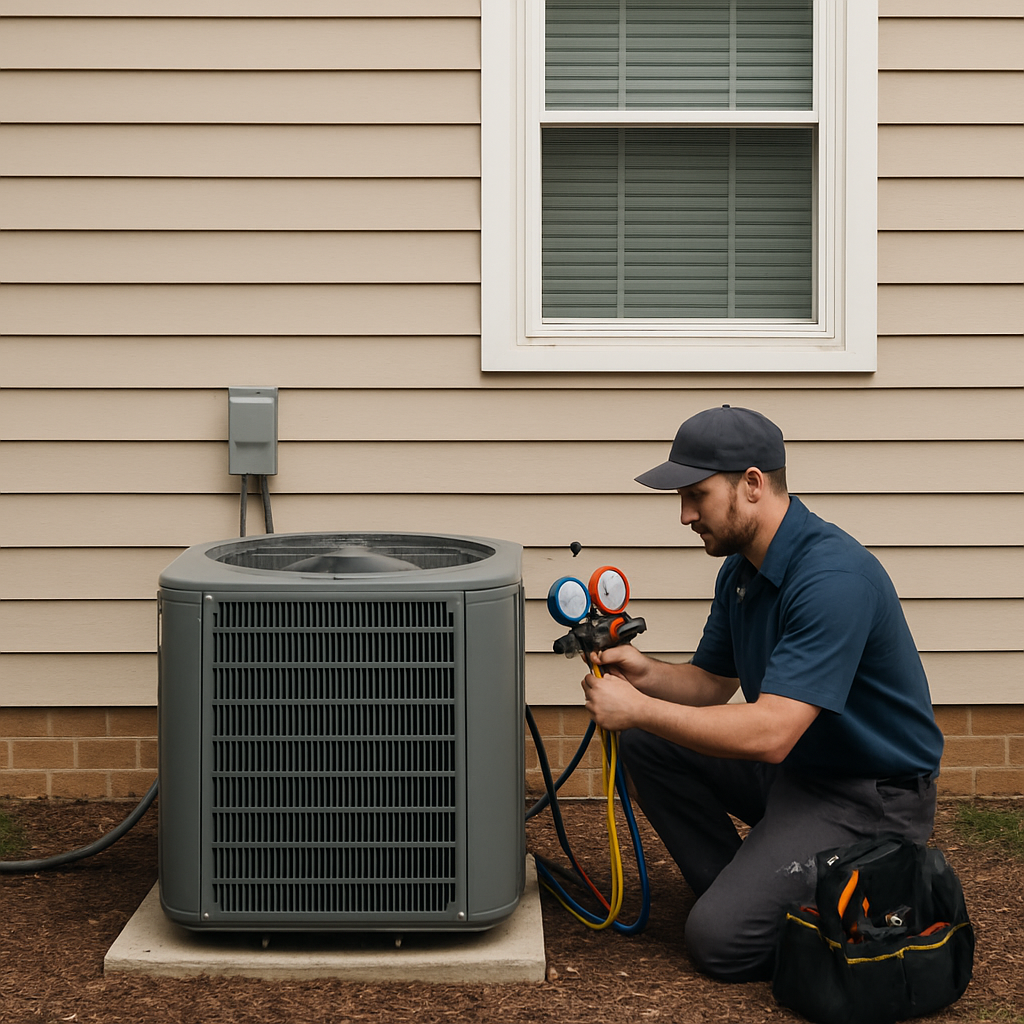
Installing an HVAC zoning system is a complex process that typically requires professional expertise. Proper installation ensures the system operates efficiently and meets your home’s specific needs. Once installed, regular maintenance is crucial to keeping your system running smoothly. This includes regular inspections and cleaning of dampers and thermostats.
Scheduling regular maintenance can prevent costly repairs and extend system life. For a handy checklist, reference our HVAC maintenance checklist.
Conclusion
HVAC zoning systems offer a smart and efficient way to customize home climates, saving energy and enhancing comfort. Whether you’re building a new home or looking to optimize your existing HVAC system, consider zoning as a viable solution.
If you’re inspired to explore HVAC zoning further or have a project you’re ready to tackle, visit our blog for more tips and insights on creating your ideal home environment. Don’t hesitate to consult a professional to determine the best approach for your specific needs!