
Home construction is a thrilling journey that allows homeowners to bring their dream spaces to life. However, this journey can quickly become complex when navigating the maze of permit requirements. Understanding these requirements is essential to ensure your project complies with local regulations and proceeds without unnecessary delay. Let’s dive into what you need to know about securing the necessary permits for your home construction in the US.
Why Permits Are Necessary
Permits serve as a regulatory measure, ensuring that construction projects adhere to local building codes and zoning laws. These codes are established to protect the safety, health, and welfare of the public. Obtaining permits confirms that your project meets structural, fire safety, and environmental standards.
Ensuring Safety and Compliance
The primary goal of permits is to ensure all construction follows safety guidelines, safeguarding occupants, neighbors, and the community. For instance, building codes regulate the structural integrity of a building, electrical systems, plumbing standards, and fire safety measures.
Avoiding Legal Repercussions
Building without the necessary permits can lead to severe penalties, including fines and the requirement to dismantle unauthorized work. It can also cause issues if you plan to sell your home, as unpermitted work might not meet buyer scrutiny or pass inspections.
Types of Permits Required
Understanding the types of permits you might need is crucial for smooth project execution. The types and number of permits required vary by location and project scope.
Building Permits
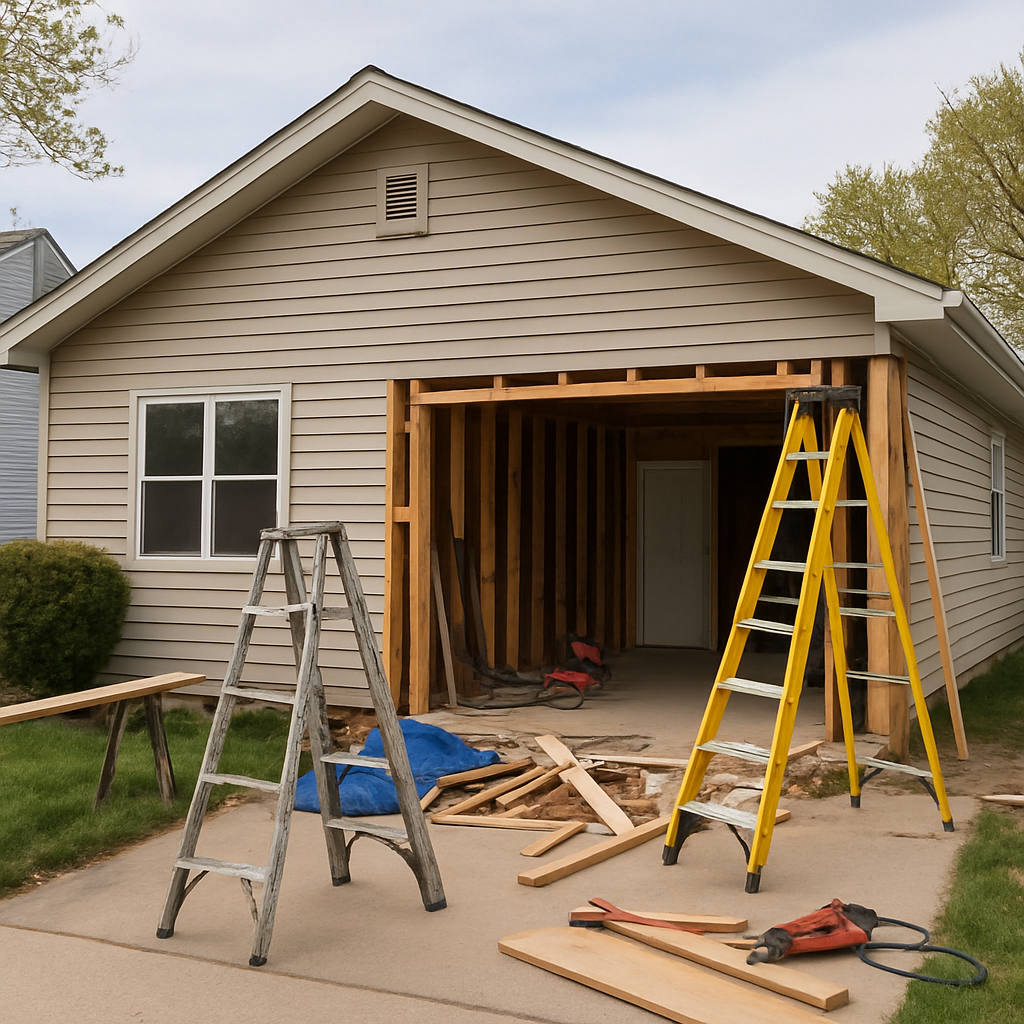
Building permits are essential for new constructions, alterations, or demolitions. These permits cover structural aspects and ensure compliance with zoning requirements. They are crucial whether you’re constructing a new room, a garage, or undertaking major renovations.
Electrical and Plumbing Permits
Electrical permits are required for any work involving your home’s electrical system, such as new wiring or panel upgrades. Similarly, plumbing permits are needed for new plumbing installations or substantial changes to your existing plumbing. Both permits help ensure the work meets safety standards and reduces the risk of hazards.
Environmental and Site Permits
Environmental permits may be required, especially if your project involves significant excavation or is near bodies of water. The EPA’s Construction General Permit (CGP) outlines requirements for stormwater discharges from construction activities disturbing an acre or more of land. Consider consulting the EPA’s Effluent Guidelines for erosion controls and pollution prevention requirements.
The Permit Process
Starting the permit process might seem daunting, but breaking it down into simple steps can make it manageable.
Research Local Requirements
Permit requirements can vary significantly from one jurisdiction to another. Contact your local building department or visit their website to gather information relevant to your area. Municipal websites often have resources and guidance on what your project might require.
Preparing Your Application
Your next step is preparing and submitting the permit application. Most applications require detailed plans of your proposed project. This includes architectural drawings and specifications about materials and construction methods. In some cases, employing a professional architect or contractor familiar with local codes can be highly beneficial.
Review and Approval
Once submitted, the application will be reviewed to ensure compliance with local regulations. This process might involve multiple departments, depending on the project scope. Be prepared to address any concerns or revisions they might suggest.
Getting Inspections
After approval and as construction progresses, inspections are necessary to confirm adherence to approved plans and codes. Inspections typically occur at crucial points, such as after the foundation is poured or electrical systems are installed.
Troubleshooting Common Issues
Even with careful planning, you might encounter challenges when acquiring permits. Knowing how to troubleshoot can save significant time and stress.
Dealing with Delays
Permit delays can stem from incomplete applications or missing information. Double-check your applications and ensure all documentation is provided. Delays can also occur during peak construction season, so plan accordingly.
Handling Disputes Over Compliance
If your project faces compliance issues, working closely with your inspector or a professional in the field can be crucial. They can offer insights or suggest adjustments needed to meet compliance.
Conclusion: Start Your Home Construction on the Right Foot
Securing the correct permits is a non-negotiable part of home construction, pivotal in ensuring the safety and legality of your project. While the task may seem daunting, understanding the steps and requirements can make the process seamless. Whether you’re starting small or undertaking a large project, thorough preparation can prevent pitfalls down the road.
If you’re ready to dive into your home construction project, embrace the process equipped with the knowledge and confidence to secure all necessary permits. Don’t hesitate to reach out to local experts or contractors for personalized guidance.
Embarking on this journey is a significant step toward creating a home you’ll cherish. For more tips and resources on home construction projects, visit Contractors Candy and explore how we can support your construction endeavors.