
Understanding the Home Construction Timeline: From Planning to Completion
Embarking on a home construction journey can be as thrilling as it is daunting. Understanding the timeline and what to expect at each stage can ease your worries and ensure a smoother ride from planning to completion. Whether you’re a first-time homeowner or an experienced renovator, this comprehensive guide will walk you through every phase of the construction process, ensuring you’re well-prepared for what lies ahead.
Planning and Design: Laying the Groundwork
Conceptualization and Budgeting
The first step in your home construction project is to conceptualize your dream home and set a realistic budget. At this stage, you’ll want to outline your needs and desires, considering both current and future requirements. This is also the perfect time to choose the right contractor who understands your vision and can guide you through the process.
Design and Architectural Planning
Once you have a clear vision, you’ll need to work with architects and designers to create detailed plans. This includes drafting floor plans, elevations, and working with engineers to address structural elements. Engaging with professionals at this stage ensures that your home meets all regulatory requirements and passes necessary inspections.
Securing Permits
Navigating the permitting process is essential to keep your construction timeline on track. Understanding local and state permit requirements is crucial, as delays here can set back your entire project.
For more detailed guidelines, refer to the US EPA Planning Guide for Construction and Development, which provides insights into permitting and regulatory compliance.
Site Preparation: Ready, Set, Go!
Clearing and Grading
With permits in hand, it’s time to prepare the site. This involves clearing the land, grading for proper drainage, and installing utilities. Proper site preparation ensures the foundation of your home is solid and free from issues down the road.
Setting the Foundation
Laying a strong foundation is critical as it supports the entire structure. Whether using a slab, crawlspace, or basement, precise engineering and quality materials ensure longevity and safety.
Construction Phase: Bringing Your Vision to Life
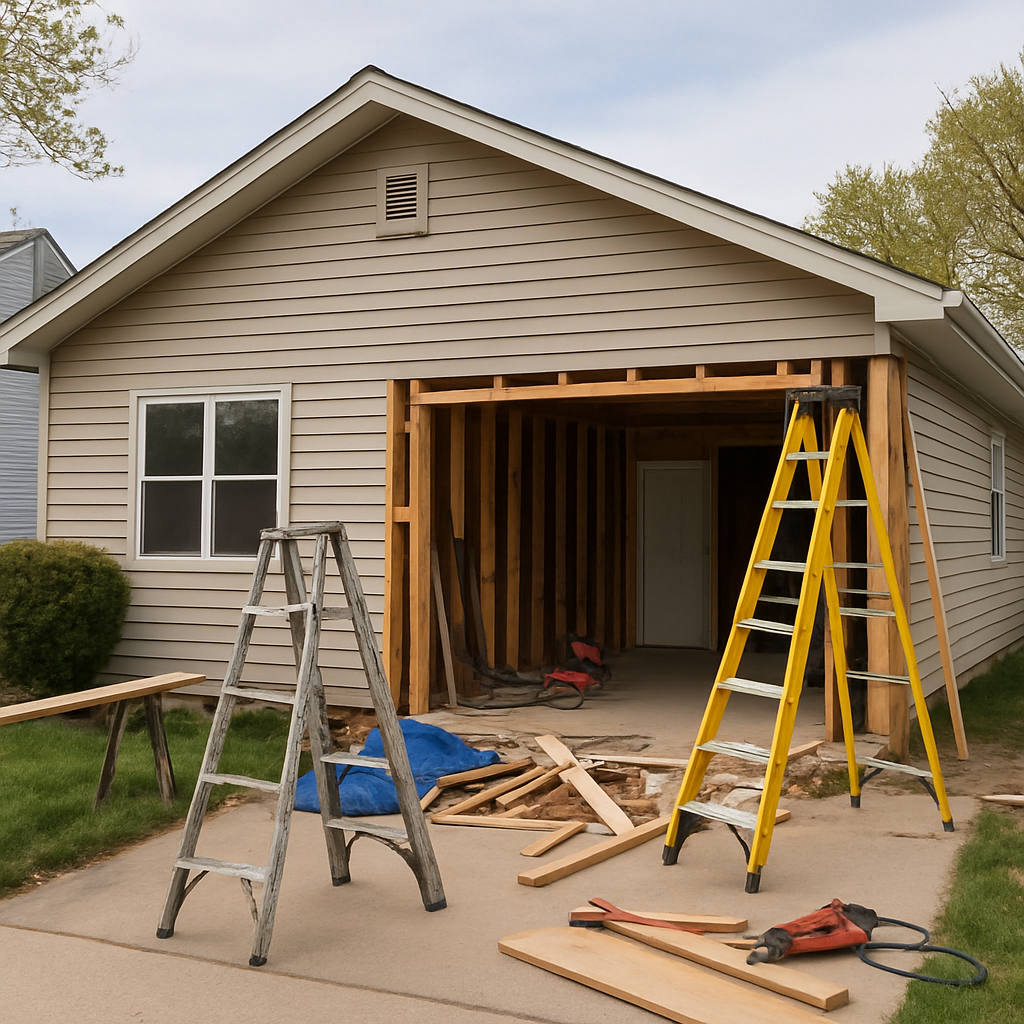
Framing and Roofing
Framing marks the start of the “skeleton” of your home coming together. This is followed by roofing, an essential step that protects your home from weather and lays the groundwork for energy efficiency. Consider weighing options such as asphalt vs. metal roofing to find the best fit for your needs.
Installing Systems
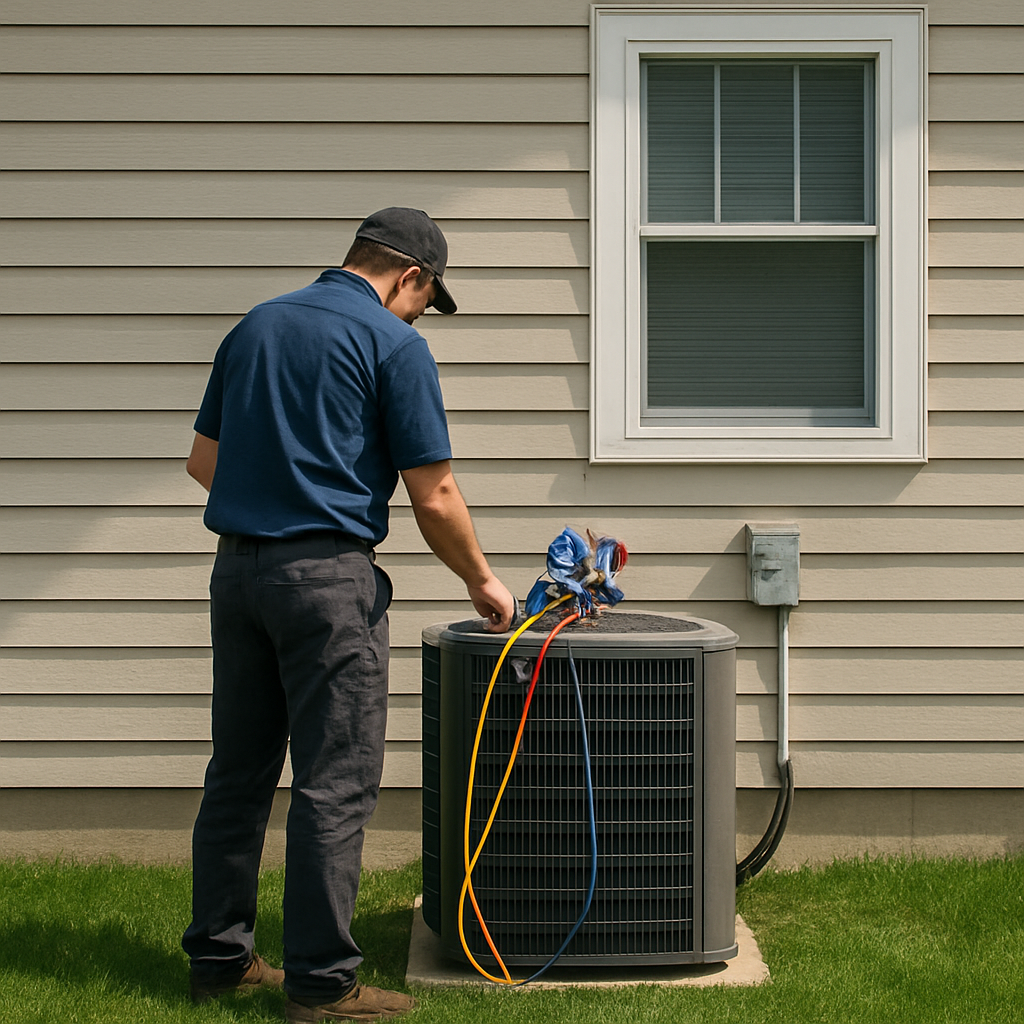
Next, focus shifts to the installation of essential systems, including electrical, plumbing, and HVAC. Ensure energy efficiency and long-term performance by selecting the right HVAC systems and materials suited for your home’s climate.
Interior Work
With the structure and systems in place, attention turns inwards. This includes installing insulation, drywall, and different finishes. It’s the ideal time to plan your interior design and ensure everything aligns with your aesthetic and functional goals.
Finishing Touches: The Final Push
Landscaping and Exterior Details
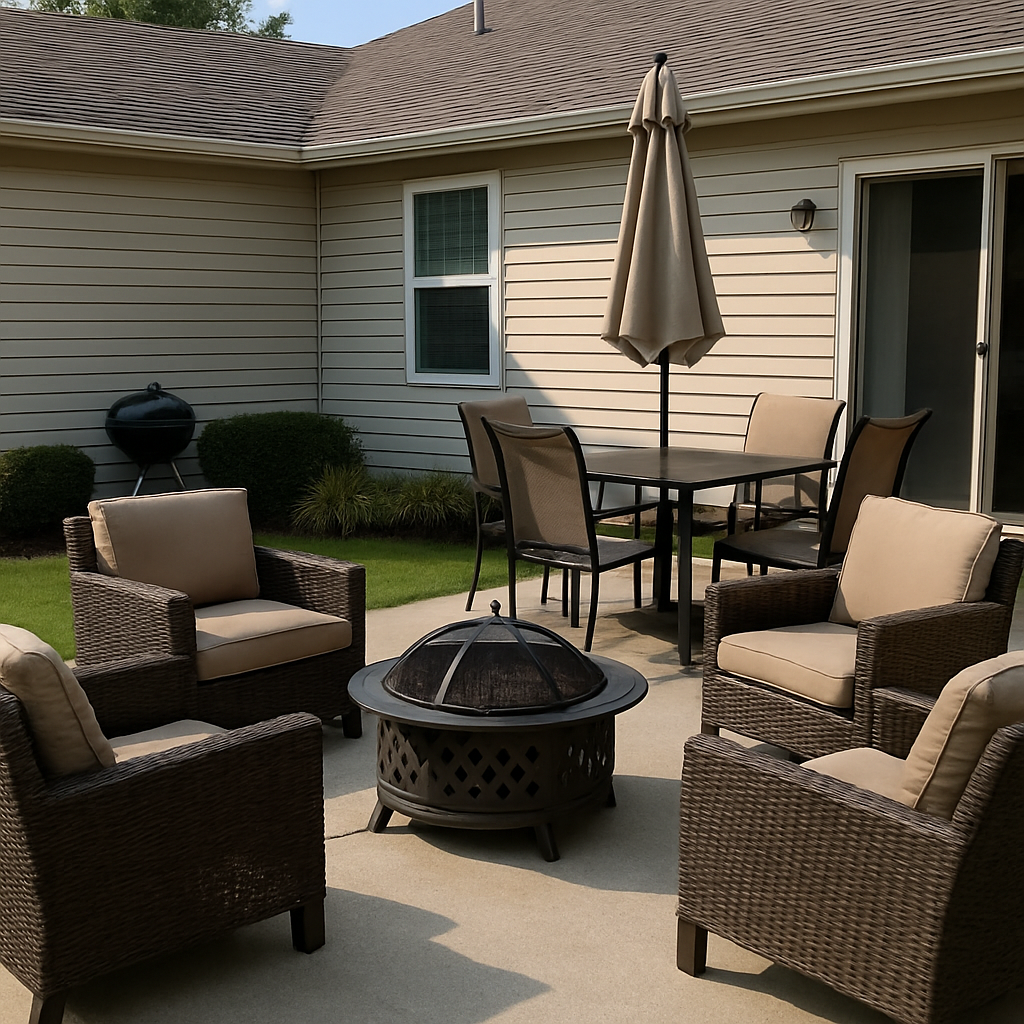
While the inside of your home is being completed, work on exterior details such as landscaping, driveways, and patios. Creating a beautiful backyard oasis or appealing curb appeal enhances the overall value and enjoyment of your property.
Final Inspections and Walkthrough
It’s important to ensure everything meets standards through final inspections. A thorough walkthrough with your contractor confirms that all aspects of construction meet your expectations and any issues are resolved.
Conclusion: Moving into Your Dream Home
The final step in your home construction journey is moving in and making the space your own. This completion phase not only marks the end of construction but the start of memories in your new home. For an exhaustive approach to managing your home build, check out our ultimate checklist for a successful home construction project.
Ready to start your construction journey? Explore more expert advice and project guides on our blog. For continual updates and tips on maintaining your new home, be sure to subscribe to our newsletter!
For additional architecture and engineering guidelines, the EPA Facilities Manual can be a valuable resource.