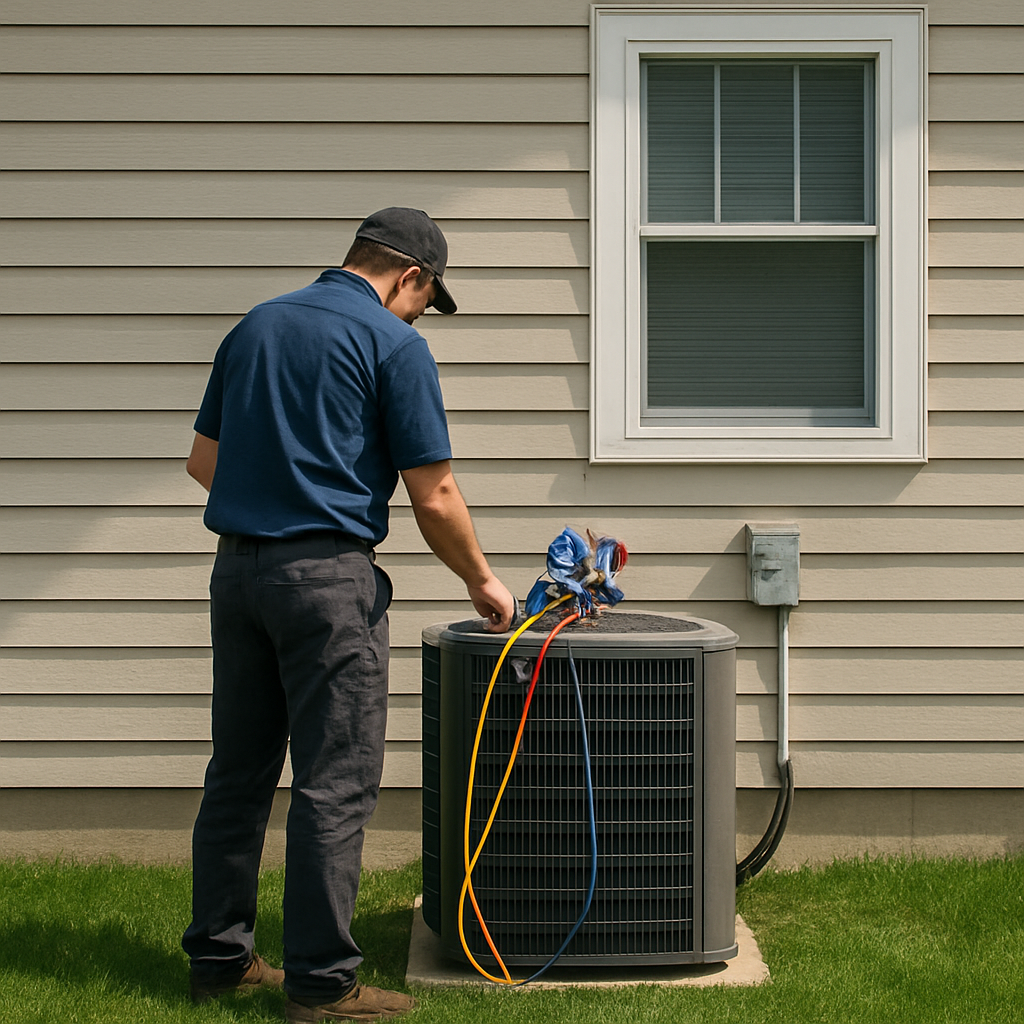

As a homeowner, deciding when to repair or replace your HVAC system can be a daunting task. Your comfort, home value, and energy costs all depend on making the right choice. In this guide, we’ll explore crucial factors to consider, helping you make an informed decision that best suits your needs and budget.
Understanding Your HVAC System
Before diving into whether to repair or replace your HVAC system, it’s essential to understand its primary components. An HVAC system typically includes heating, ventilation, and air conditioning units, each playing a crucial role in maintaining home comfort. Regular maintenance ensures these systems run efficiently and reliably.
For more detailed maintenance tips, visit our guide on maintaining your HVAC system.
Indicators It’s Time to Repair
Sometimes a simple repair can bring your HVAC system back to optimal performance. Here are common signs that indicate a repair might be the best option:
- Unusual Noises: Minor issues such as loose parts or a dirty filter can cause noises. Repairs typically resolve these problems.
- Slightly Reduced Efficiency: A decrease in efficiency could indicate worn-out parts that a professional can replace, improving performance.
- Isolated Issues: Problems confined to a specific area, such as uneven cooling in one room, may require targeted repair and calibration.
Exploring this further, the EPA provides guidance on servicing and maintaining existing HVAC units.
Indicators It’s Time to Replace
There are situations where replacing your HVAC system makes more sense. Consider these factors:
- Age of the System: If your HVAC system is over 15 years old, it might be time to consider a replacement. Older systems are generally less efficient and more prone to breakdowns. This Old House suggests that systems older than 15 years could mean you’re spending more on energy than necessary.
- Frequent Repairs: Regularly needing repairs can add up quickly. At some point, it’s cost-effective to invest in a new system.
- Rising Energy Bills: Older systems often lead to higher energy bills as they lose efficiency. Upgrading to a new, energy-efficient model can reduce costs over time.
- Uneven Heating or Cooling: Inconsistent temperatures and airflow issues could signal a failing system or outdated technology that replacement would resolve.
For the latest efficient systems, check out our article on the best HVAC systems for energy efficiency.
Cost Considerations
Financial factors are often the most compelling element in making your decision. Here are some factors to weigh:
Repair Costs
Small fixes, like replacing a thermostat or cleaning ducts, typically cost less than $300. However, more extensive repairs, such as replacing the compressor, can be quite expensive. If repair costs are more than 50% of a new system’s price, consider replacement instead.
Replacement Costs
Replacing an entire HVAC system can range from $5,000 to $10,000, depending on the unit type and home size. Although costly upfront, new systems often come with warranties and improved efficiency that can save money over time on energy bills.
The Department of Energy advises considering efficiency metrics, like SEER ratings, and conducting a cost-benefit analysis for upgrades.
Environmental Impact and Regulations
Environmental considerations and regulatory changes can also impact your decision:
- Energy Efficiency: Newer HVAC models are designed to be more energy-efficient, reducing your carbon footprint.
- Phasing Out of HCFC-22: The EPA has phased out certain refrigerants like R-22 due to their environmental impact. Consider replacement if your system still relies on these materials. More information on this can be found on the EPA’s website.
Conclusion
Deciding between repairing or replacing your HVAC system is a significant decision that impacts your comfort, finances, and environmental footprint. Consider the age, efficiency, and total cost of ownership when making your decision. Ultimately, investing in a new system can lead to better performance, energy savings, and peace of mind. For further advice on energy efficiency, check out our resources on enhancing your home environment.
If you’re ready to take the next step, choosing the right contractor can make all the difference. Stay informed and take control of your home’s comfort today.