As we step into 2026, maintaining your home’s integrity remains a top priority. One of the most crucial aspects of home maintenance is ensuring your roof is in optimal condition. If you’re uncertain whether it’s time for a replacement, understanding common warning signs can guide your decision. In this post, we’ll explore five telltale signs that indicate it may be time to replace your roof.
1. Age of Your Roof
Roofs generally have a lifespan of 20 to 25 years, depending on the materials used and the climate in which you live. If your roof is nearing or has surpassed this age, it’s wise to start considering a replacement. Older roofs are more susceptible to leaks and other damage, so proactive management is crucial.
Checking Material Lifespan
If you’re unsure about the expected lifespan of your roofing material, check out our guide to selecting the best roofing materials for your climate. It provides in-depth insights into material longevity and performance under various weather conditions.
2. Visible Damage
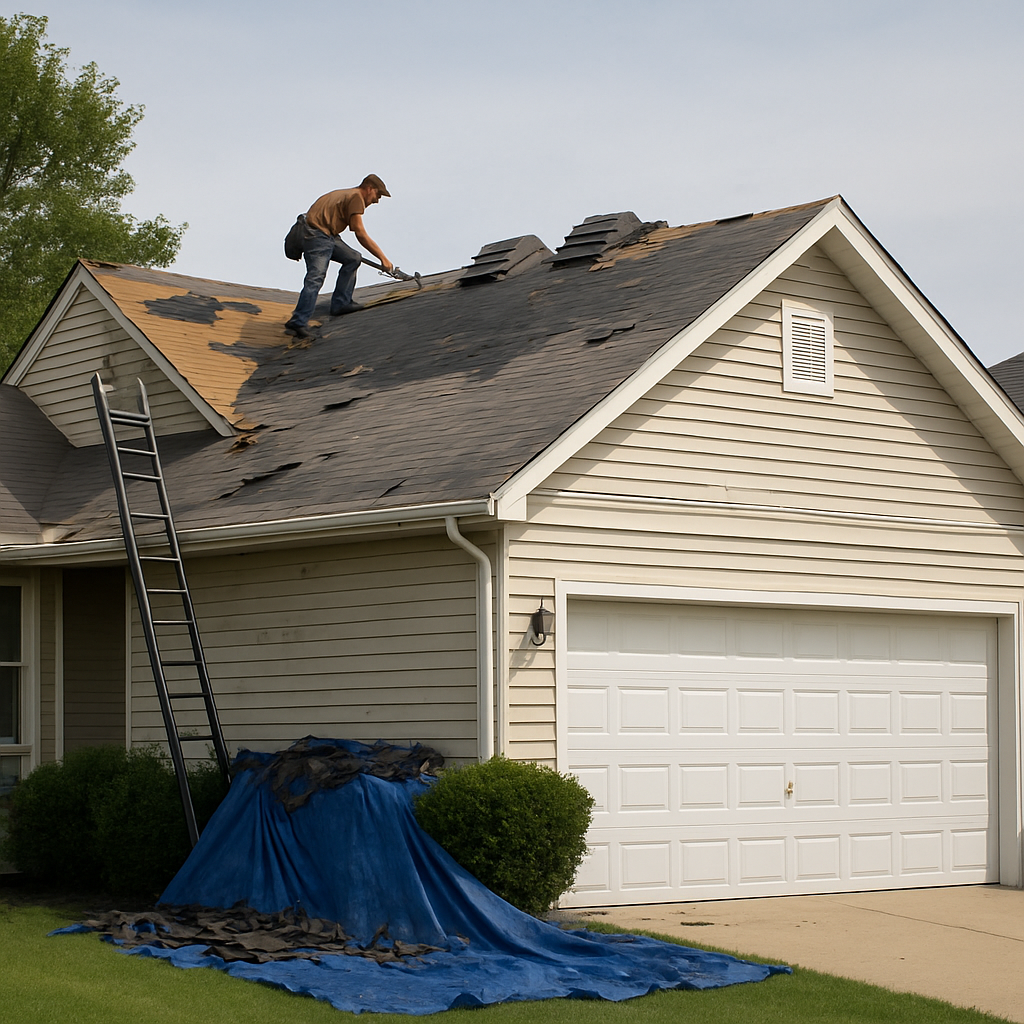
Inspecting your roof twice a year for visible damage is essential. Common signs include curling or missing shingles, cracked tiles, or granule loss on asphalt roofs. Such damage can compromise your roof’s ability to protect your home and may lead to leaks.
Leaks and Water Stains
If you notice water stains or mold on your ceilings, it’s a strong indicator of a roof leak. Addressing leaks quickly can prevent further damage to your home’s interior and structure. For DIY solutions and understanding when to call a professional, explore our article on how to spot and fix common roofing problems.
3. Sagging Roof Deck
A sagging roof deck points to serious structural issues that require immediate attention. This can result from prolonged water damage or inadequate roof support. If you notice a dip or sag, contacting a professional for an evaluation is crucial to prevent potential collapse.
4. Increasing Energy Bills
Has there been a noticeable increase in your energy bills? This might be due to poor roof insulation. An aging roof loses its ability to efficiently insulate your home, causing your heating and cooling systems to work overtime. Investing in an energy-efficient roof could also qualify you for federal tax credits for energy efficiency, offering savings on both energy consumption and associated taxes.
Optimize Your Home’s Energy Use
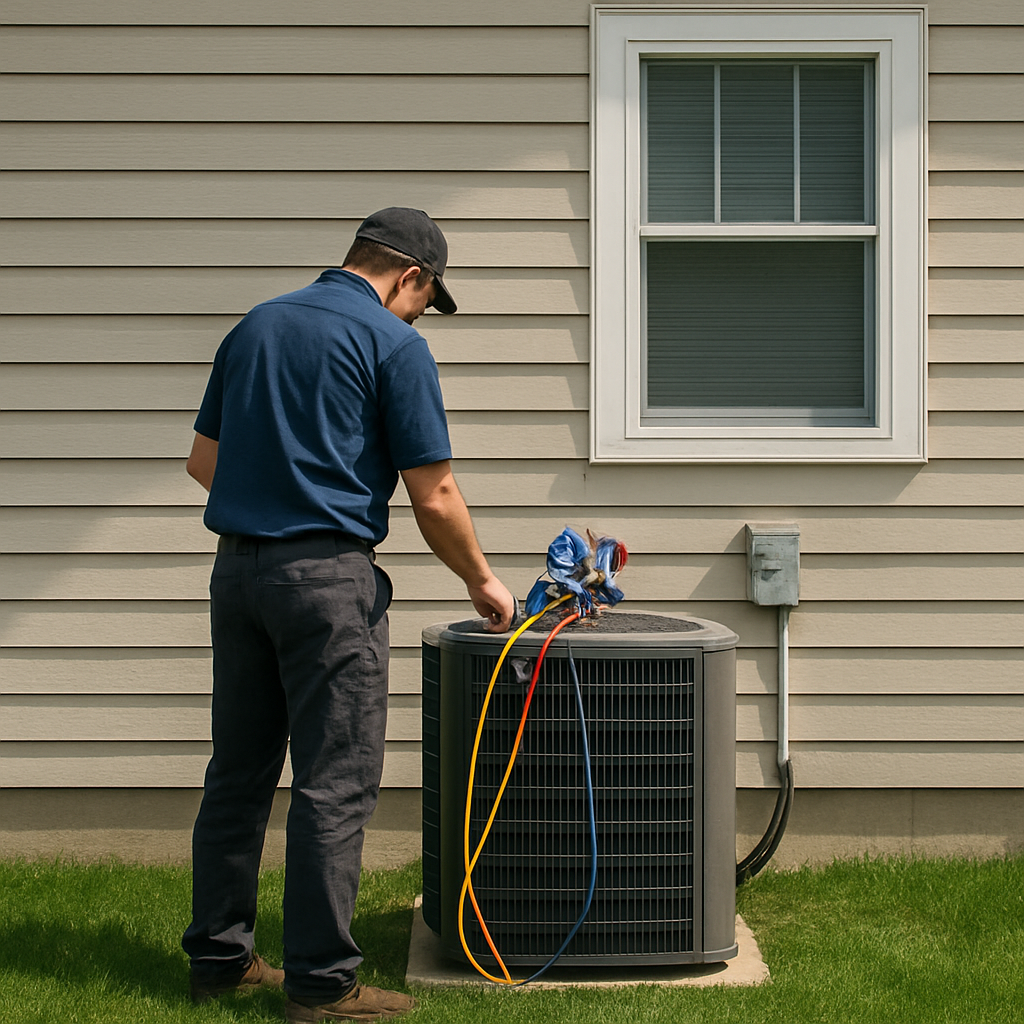
For more tips on energy efficiency in home systems, see our guide on the best HVAC systems for energy efficiency in 2026.
5. Signs of Rot or Mold
Rotting or moldy roofs pose significant health risks and require attention. They often result from accumulated moisture and can lead to further structural damage if left unaddressed. Inspect both the exterior and interior of your home for signs of moisture buildup or decay.
Health Considerations
If your home was built prior to the 1980s, consider the potential presence of hazardous materials like asbestos in your roof. With the EPA’s asbestos ban being effective in 2026, addressing these concerns during roof replacement is paramount to ensure safety and compliance.
Conclusion
Maintaining a secure and efficient roof is key to protecting your home. If you’re experiencing any of these warning signs, it may be time to prioritize a roofing replacement in 2026. Unsure about your next steps? Visit our complete guide to roofing costs and estimates across the US to budget accurately for your roofing project.
Ready to take action? Contact a certified roofing contractor today to discuss your options and ensure your home remains safe and comfortable for years to come!