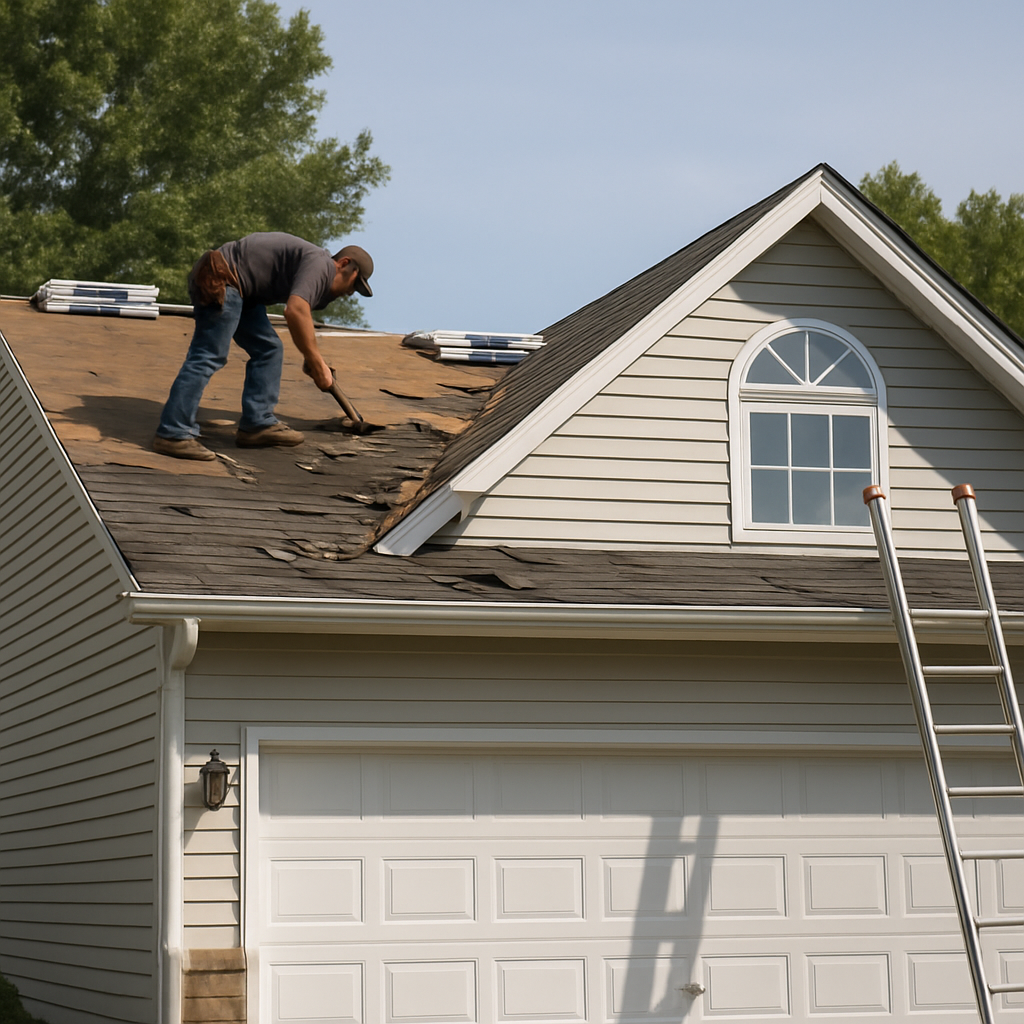
Missing shingles may not seem like an urgent roofing problem at first. If only one or two shingles are gone, many homeowners assume the roof can wait until the next major repair or inspection. But missing shingles can create problems faster than most people realize. A small exposed area can allow water, wind, sunlight, and debris to reach parts of the roofing system that were never meant to be left unprotected.
Your roof is built in layers. Shingles are the outer layer that helps shed water, protect the underlayment, and defend the roof deck from weather exposure. When shingles are missing, that protection is weakened. Even if you do not see a leak right away, the area beneath the missing shingles may already be vulnerable.
Repairing missing shingles quickly helps prevent roof leaks, wood rot, mold concerns, higher repair costs, and more widespread storm damage. For homeowners, acting early is almost always easier and less expensive than waiting until water enters the home.
Missing Shingles Expose the Roof to Water
The most obvious concern with missing shingles is water. Shingles are designed to overlap so rain flows down the roof and into the gutters. When a shingle is missing, that overlapping system is interrupted.
Rain can reach the underlayment, nail holes, seams, flashing edges, or roof decking. At first, the underlayment may help slow the water down, but it is not meant to be the roof’s permanent outer defense. Over time, exposure to rain can wear it down and allow moisture to reach the wood underneath.
Once water gets beneath the roofing surface, it may travel before it shows up inside the house. A missing shingle near the upper part of the roof may allow water to run along rafters, insulation, or decking before a ceiling stain appears somewhere else. This can make the source of the leak harder to find later.
Repairing missing shingles quickly helps stop water from getting into hidden areas of the roof system.
Small Roof Problems Can Turn Into Bigger Leaks
A missing shingle does not always cause an immediate drip in the living room. That is why homeowners often delay repairs. The problem is that roof leaks often begin quietly.
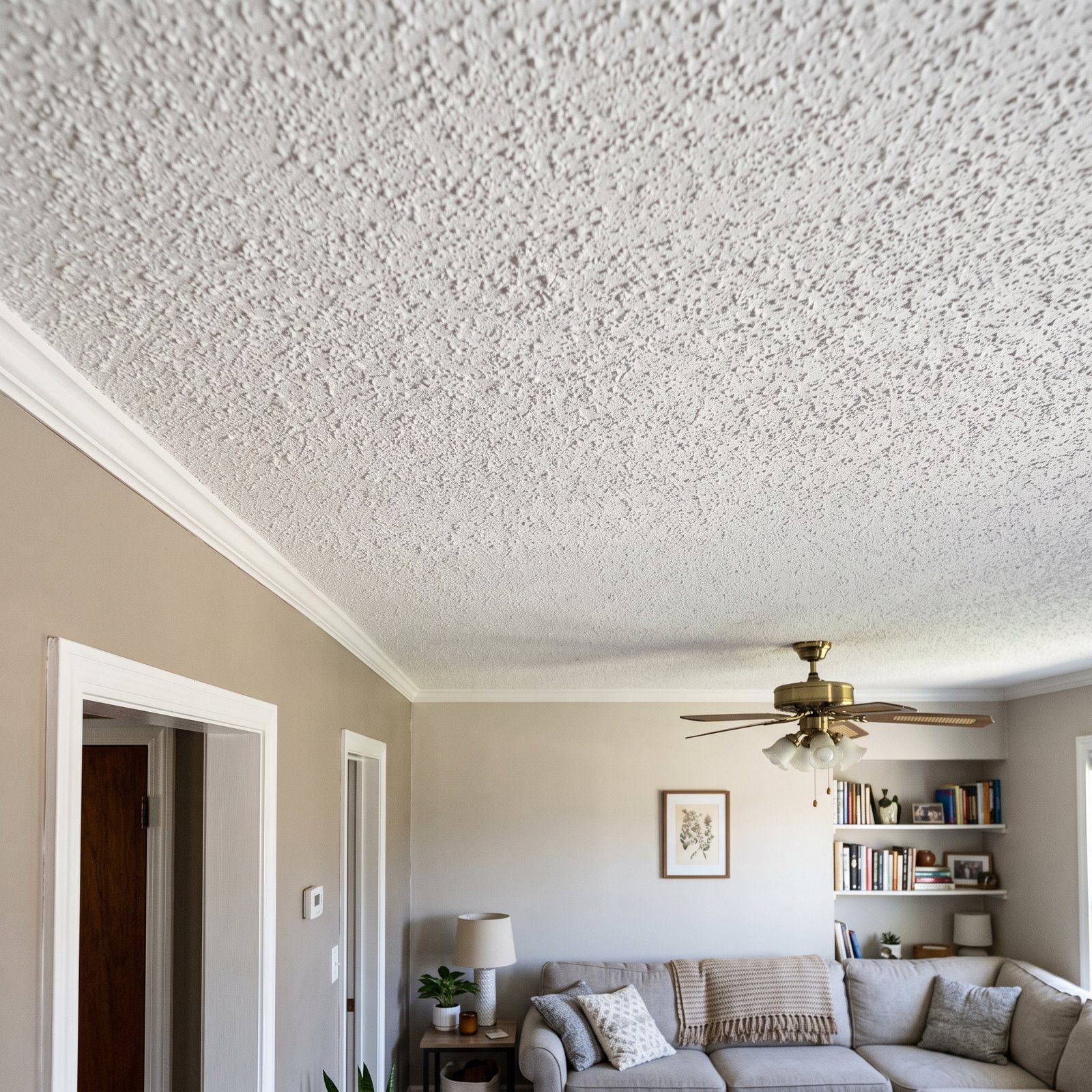
Moisture may first soak into the roof deck. Then it may reach the attic. From there, it can affect insulation, framing, drywall, ceilings, and walls. By the time you see a stain, bubbling paint, or dripping water, the leak may have been developing for a while.
A small roofing repair can become a larger interior repair if ignored. Instead of replacing a few shingles, the homeowner may end up dealing with damaged decking, attic moisture, insulation replacement, drywall repair, painting, or mold cleanup.
Quick shingle replacement helps prevent that chain reaction.
Wind Can Lift More Shingles
Missing shingles can make nearby shingles more vulnerable. When one shingle is gone, wind can catch the exposed edge of surrounding shingles. This can loosen adhesive strips, lift tabs, bend shingles backward, or pull nails free.
That means one missing shingle can become several missing shingles after the next windy day or storm. The roof’s surface works as a system, and once part of the system is compromised, neighboring areas may weaken too.
This is especially true on older roofs where shingles are already brittle, curled, cracked, or losing granules. Wind damage can spread faster when the roof is already aging.
If you notice missing shingles after a storm, do not assume the rest of the roof is fine. A professional roof inspection can help determine whether nearby shingles are loose, creased, or damaged.
The Roof Deck Can Begin to Rot
Underneath the shingles and underlayment is the roof deck, usually made of plywood or oriented strand board. This deck gives the roof structure support and provides the surface where roofing materials are installed.
When missing shingles allow moisture to reach the deck, the wood can begin to soften or rot. Rotten decking is a more serious issue than a missing shingle. It may require removing surrounding roofing materials, cutting out damaged sections, and replacing the wood before new shingles can be installed.
Decking damage can also affect the strength of the roof. Soft spots may form. Nails may not hold properly. Future repairs may become more difficult.
Repairing missing shingles before moisture reaches the deck is one of the best ways to avoid more invasive roof work.
Missing Shingles Can Lead to Mold and Mildew Problems
Moisture that enters through a missing shingle can affect the attic and interior of the home. Wet insulation, damp wood, and poor ventilation can create conditions where mold or mildew may develop.
Mold concerns are not always visible right away. Homeowners may notice musty smells, attic staining, damp insulation, or recurring ceiling spots before they realize the roof is the source.
Even small leaks can create ongoing moisture problems if they happen every time it rains. Repairing missing shingles quickly helps keep water out and reduces the chance of hidden moisture collecting in the attic or ceiling.
If you already see signs of water stains or smell mustiness after rain, the missing shingles may have already allowed water inside.
Sun Exposure Can Damage Roofing Layers
Water is not the only issue. Missing shingles also expose the underlayment and roof deck to sunlight. Roofing materials are designed with the shingles as the primary weather barrier. When the underlayment is exposed to UV rays, heat, and temperature swings, it can dry out, crack, curl, or deteriorate.
Once the underlayment weakens, the roof has even less protection against rain. This can speed up leak development.
In hot climates or during summer months, exposed roofing materials can degrade faster than homeowners expect. A missing shingle that sits unrepaired for weeks or months may leave the roof more vulnerable than it was immediately after the shingle blew off.
Missing Shingles Can Affect Curb Appeal
A roof with missing shingles can make a home look neglected. Even if the roof is not leaking yet, missing shingles are visible signs of damage. This can matter if you are planning to sell the home, refinance, or keep the property well maintained.
Buyers and inspectors often pay close attention to roof condition. Missing shingles may raise concerns about leaks, storm damage, deferred maintenance, or future repair costs. A small issue can create a negative impression during a home sale.
Repairing missing shingles quickly helps maintain the home’s appearance and shows that the property is being cared for.
Insurance Claims May Require Timely Action
If missing shingles are caused by wind, hail, or storm damage, timing can matter. Homeowners insurance policies often require policyholders to take reasonable steps to prevent further damage. Waiting too long to address missing shingles may complicate a claim, especially if additional water damage occurs after the initial event.
That does not mean every missing shingle is automatically covered by insurance. Coverage depends on the policy, cause of damage, roof age, deductible, exclusions, and inspection findings. But prompt documentation is still important.
After a storm, take photos from the ground if you can do so safely. Do not climb onto the roof. Contact a roofing professional for an inspection and call your insurance company if you believe the damage may be storm-related.
Quick action helps create a clearer timeline between the storm and the damage.
Missing Shingles May Signal a Larger Roof Problem
Sometimes missing shingles are isolated. A strong gust of wind may remove a few shingles from an otherwise healthy roof. Other times, missing shingles are a sign that the roof is aging or failing.
If shingles are missing because the adhesive strips no longer hold, nails are backing out, shingles are brittle, or granules are wearing away, more problems may follow. In that case, replacing a few shingles may not be enough to solve the roof’s long-term condition.
Signs of broader roof wear include curling shingles, cracked shingles, bald spots, granule buildup in gutters, sagging areas, repeated leaks, dark streaks, exposed nails, and multiple missing shingles across different slopes.
A professional inspection can help determine whether your roof needs a simple repair or whether it is nearing replacement.
DIY Repairs Can Be Risky
Some homeowners are tempted to replace missing shingles themselves. While the repair may look simple in a video, roof work can be dangerous. Steep slopes, loose granules, wet surfaces, ladders, wind, and hidden soft spots all increase the risk of falls.
There is also the issue of proper installation. Replacement shingles must be matched, placed correctly, fastened properly, sealed, and integrated with surrounding shingles. A poor repair can still leak, blow off, or damage nearby materials.
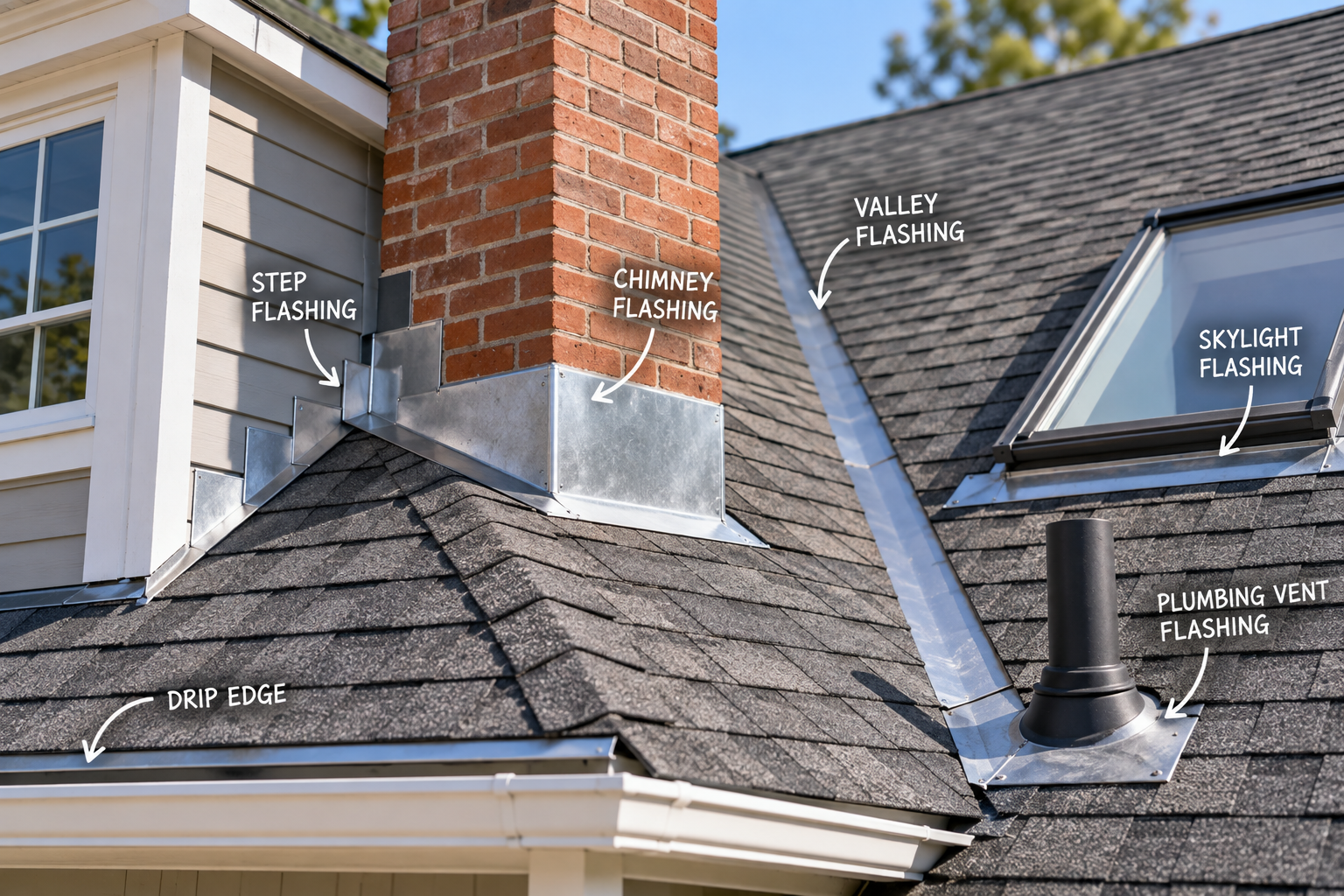
If the missing shingles are near flashing, valleys, vents, chimneys, skylights, or roof edges, the repair may be more complicated than it appears.
For safety and long-term performance, it is usually best to call a roofing professional.
What Homeowners Should Do After Noticing Missing Shingles
If you notice missing shingles, act quickly but safely. Do not climb on the roof to inspect the damage yourself. Look from the ground, from an upstairs window, or from a safe distance. Take photos if possible.
Then check your attic for signs of moisture, especially after rain. Look for dark spots on the underside of the roof deck, damp insulation, musty smells, or dripping water. Inside the home, watch for ceiling stains, bubbling paint, or discoloration around walls and light fixtures.
Next, contact a roofing contractor for an inspection. A professional can determine how many shingles are missing, whether nearby shingles are loose, whether the underlayment is exposed, and whether water has entered the roof system.
The sooner the area is repaired, the less likely it is to create bigger problems.
Final Thoughts
Missing shingles should be repaired quickly because they expose your roof to water, wind, sunlight, and further damage. What starts as a small bare spot can lead to leaks, rotten decking, mold concerns, damaged insulation, higher repair costs, and more missing shingles after the next storm.
Even if you do not see water inside the home, the roof may already be vulnerable. A fast repair can protect the underlayment, preserve the roof deck, and help prevent interior damage.
For homeowners, the best response is simple: notice the problem early, document it safely, avoid DIY roof work, and schedule a professional inspection. Replacing missing shingles quickly is one of the easiest ways to protect your home and avoid a much larger roofing issue later.