A major storm can leave behind obvious damage, like fallen branches, missing shingles, or water in the basement. But some storm damage is harder to spot. A roof may look fine from the ground while shingles are loosened. Siding may have small cracks or dents. Gutters may be clogged or pulled away from the house. An outdoor HVAC unit may be packed with debris. Water may find its way into walls, ceilings, insulation, or crawlspaces before homeowners realize there is a problem.
After severe weather, it is important to inspect your home carefully and safely. You do not need to climb on the roof or handle dangerous debris yourself. In fact, you should avoid risky inspections after storms. But a careful walkaround from the ground can help you identify warning signs and decide when to call a professional.
The National Weather Service advises homeowners to walk carefully around the outside of the home after major storms and check for loose power lines, gas leaks, and structural damage. It also warns people to avoid flooded roads, downed wires, weakened structures, and buildings that may not be safe to enter. Those same safety principles apply after many types of major storms, not just hurricanes.
Here is what homeowners should check around the home after a major storm.
Start With Safety First
Before inspecting anything, make sure the area is safe. Storm damage can create hazards that are not immediately obvious. Downed power lines, unstable tree limbs, damaged structures, standing water, broken glass, loose roofing materials, and gas smells should all be treated seriously.
Do not touch downed wires or branches that may be tangled in electrical lines. Do not walk through floodwater if you can avoid it. Do not climb ladders in wet or windy conditions. Do not enter a damaged part of the home if the structure looks unstable or if you smell gas.
If there is immediate danger, contact emergency services, the utility company, or the appropriate local authority. A home inspection can wait. Safety comes first.
The National Weather Service also warns that carbon monoxide poisoning is a major danger after storms and power outages. Portable generators should never be used inside a home or garage. They should be kept outdoors and away from windows, doors, and vents.
Check the Roof From the Ground
The roof is one of the first places to check after a major storm, but that does not mean you should climb on it. Use the ground, driveway, yard, or windows to look for visible damage. Binoculars can help if you have them.
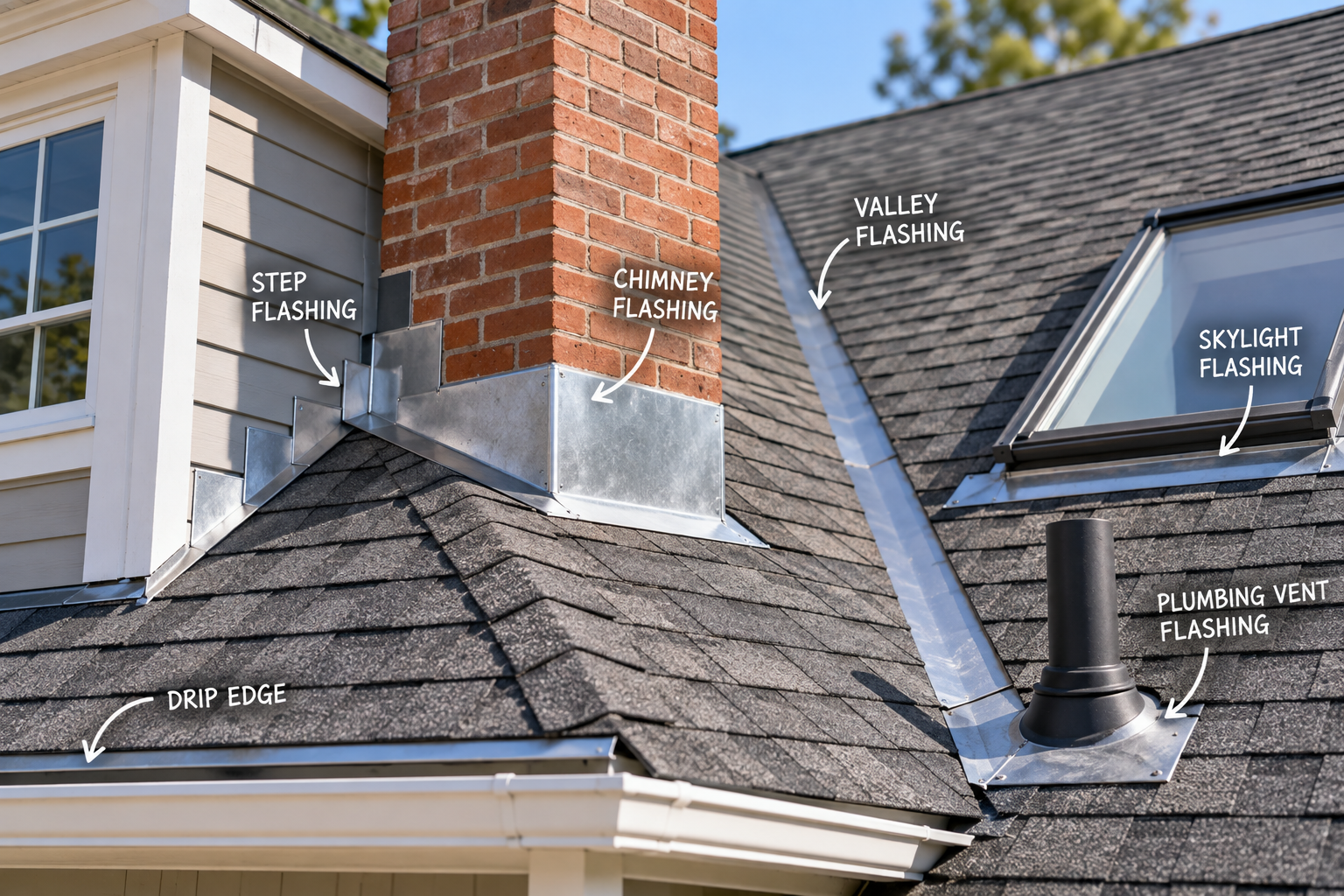
Look for missing shingles, lifted shingles, curled edges, damaged flashing, exposed underlayment, sagging areas, fallen branches on the roof, or pieces of roofing material in the yard. Also check the ground for shingle granules, broken shingles, metal flashing, or roof accessories that may have come loose.
Even minor roof damage can lead to leaks if left unaddressed. Wind can lift shingles without tearing them away completely. Hail can leave dents or impact marks. Branches can scrape or puncture roofing materials.
Contractors Candy’s article on the most common roofing problems homeowners should watch for explains common roof warning signs homeowners should not ignore.
Look for Missing or Damaged Shingles
Missing shingles are one of the easier storm problems to notice. If shingles are gone, the roof may be exposed to moisture. Even a small missing section can allow rain to reach vulnerable areas.
Damaged shingles matter too. A shingle does not have to be completely missing to create a problem. It may be cracked, curled, lifted, bruised, or loosened around the edges. If the roof looks uneven or certain areas appear darker or disturbed, a professional roof inspection may be needed.
Contractors Candy’s article on why missing shingles should be repaired quickly explains why small roof issues can become larger problems if water gets beneath the roofing surface.
Inspect Gutters and Downspouts
Gutters do a lot of work during a storm. Heavy rain, wind, leaves, twigs, and roof debris can clog or damage the system. After a storm, check whether gutters are sagging, overflowing, leaking, detached, or full of debris.
Look at downspouts too. Are they still connected? Are they directing water away from the foundation? Is water pooling near the house? Did splash blocks move? Did extensions detach?
A clogged or damaged gutter system can send water down the siding, into landscaping, against the foundation, or under roof edges. This can lead to erosion, basement moisture, fascia damage, siding stains, and roof-edge problems.
If you see water marks below gutters, soil washed away near downspouts, or standing water around the foundation, drainage may need attention.
Check Siding, Trim, and Exterior Walls
Storms can damage siding in several ways. Wind can loosen panels. Hail can dent or crack materials. Branches can scrape or puncture siding. Flying debris can chip paint, damage trim, or break exterior fixtures.
Walk around the house and look for cracks, gaps, dents, loose sections, missing pieces, buckling, or areas where water may have entered behind the siding. Pay close attention to corners, window trim, door trim, and areas near downspouts.
Siding damage is not only cosmetic. If siding is cracked or pulled away, water can get behind it. That moisture may affect sheathing, insulation, framing, or interior walls over time.
Contractors Candy’s article on siding repair vs. replacement can help homeowners think through whether exterior damage may require a targeted repair or a larger update.
Look for Drainage Problems Around the Foundation
Heavy rain often reveals drainage issues. After a major storm, walk around the home and look for pooling water, washed-out mulch, soil erosion, soggy areas, water flowing toward the house, or downspouts discharging too close to the foundation.
Drainage problems can contribute to basement moisture, crawlspace dampness, foundation concerns, and landscaping damage. Even if the home did not flood, repeated water pooling around the foundation can become a long-term issue.
If you see new erosion channels, standing water that remains long after rain stops, or water stains near the foundation, it may be time to address grading, gutters, downspouts, drainage extensions, or landscaping.
Contractors Candy’s article on why Tulsa homeowners need contractors who understand soil, water, and structural repair discusses how soil and water movement can affect home repair decisions, especially in areas where drainage and ground conditions matter.
Check for Fallen Branches and Tree Damage
Trees can cause major damage during storms. Fallen branches may hit the roof, gutters, siding, windows, fences, decks, or outdoor HVAC units. Even if branches did not hit the home, damaged limbs may still be hanging overhead.
Look for broken branches, split trunks, leaning trees, exposed roots, cracked limbs, or branches caught in other branches. Stay away from anything near power lines.
Do not try to remove large hanging limbs yourself. Tree debris can be heavy and unpredictable, especially when it is under tension or resting on a structure. If a branch is on the roof, over the driveway, or near electrical lines, call a professional.
Fallen branches can also hide roof damage. If a limb hit the roof but rolled off, the impact may still have loosened shingles or damaged flashing.
Inspect Windows and Doors
Windows and doors can be affected by wind-driven rain, hail, flying debris, and pressure changes. After a storm, check for cracked glass, damaged screens, broken seals, loose trim, water stains, or doors that no longer open and close properly.
Look around interior window frames for moisture, peeling paint, soft trim, or damp drywall. Water can enter around damaged flashing, caulk, or seals. If left alone, small leaks can affect walls and insulation.
Pay attention to basement windows, too. Water pooling outside window wells can seep indoors if drainage is poor or seals are damaged.
Look Inside for Ceiling or Wall Leaks
After checking the exterior, inspect the inside of the home. Look at ceilings, walls, attic access areas, closets, and rooms directly below roof valleys, chimneys, skylights, or upstairs bathrooms.
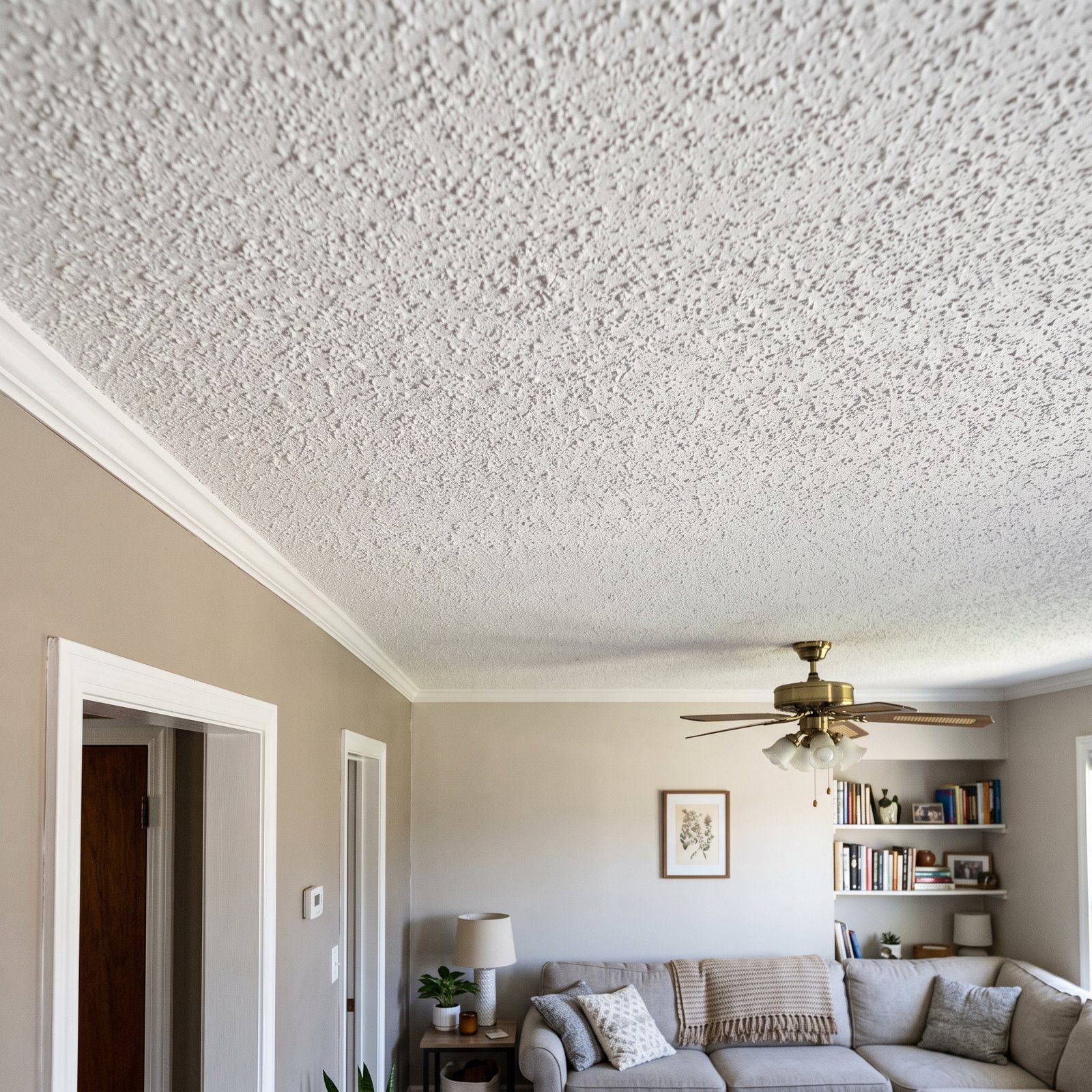
Warning signs include water stains, bubbling paint, damp drywall, musty smells, peeling paint, warped trim, or soft spots. A roof leak may not drip actively after the storm ends, but it can still leave staining or moisture behind.
If you see a new ceiling stain after a storm, do not ignore it. Water can spread through insulation, framing, and drywall before becoming visible.
Contractors Candy’s article on how water damage can spread through a home is a helpful next topic for understanding why early repairs matter after leaks.
Check the Attic if It Is Safe
If it is safe and accessible, the attic can reveal storm damage that is not visible from the ground. Use a flashlight and be careful where you step. Do not enter if the attic is wet, structurally unsafe, or difficult to access.
Look for wet insulation, dark stains on roof decking, active drips, daylight coming through the roof, damp rafters, musty smells, or damaged vents. Also check whether bathroom or kitchen exhaust ducts are still connected and venting properly.
Attic issues can come from roof leaks, poor ventilation, condensation, or damaged roofing components. Contractors Candy’s article on what homeowners should know about attic ventilation explains why roof health, moisture, insulation, and ventilation are closely connected.
Inspect the Outdoor HVAC Unit
Your outdoor HVAC unit can take a beating during storms. Wind can blow leaves, branches, dirt, and debris into or around the unit. Flooding can affect electrical components. Hail can damage fins. Fallen limbs can bend panels or block airflow.
After the storm, check the unit from the outside. Look for visible dents, debris buildup, tilted equipment, damaged refrigerant lines, unusual noises, or standing water around the base. Make sure there is clear space around the unit for airflow.
Do not open the unit or touch electrical components. If the system is not cooling properly, makes strange sounds, or was exposed to flooding, call an HVAC professional before running it.
ENERGY STAR recommends keeping indoor and outdoor HVAC units clean and clear of debris, and notes that dirt and neglect are major causes of heating and cooling system failure and inefficiency. ENERGY STAR also recommends annual professional maintenance and regular air filter checks. (energystar.gov)
Contractors Candy’s article on how HVAC problems can affect indoor air quality explains why HVAC issues can affect comfort, airflow, and air quality after problems develop.
Watch for Plumbing and Drain Backup Issues
Heavy rain can sometimes reveal plumbing or drainage problems. Floor drains, basement drains, sump pumps, sewer lines, and crawlspaces may be affected by stormwater.
Look for slow drains, sewage smells, water near floor drains, damp basement walls, sump pump failure, or water backing up in lower-level fixtures. These issues may not always be caused directly by the storm, but heavy rain can expose weaknesses in drainage and plumbing systems.
Contractors Candy’s article on signs of a hidden plumbing leak behind walls can help homeowners recognize moisture issues that may not be visible right away.
Document Damage Before Cleaning Up Too Much
If your home has storm damage, take photos and videos before cleaning up or making major changes, as long as it is safe to do so. Document roof debris, fallen limbs, damaged siding, water stains, broken gutters, HVAC damage, interior leaks, and affected belongings.
The North Carolina Department of Insurance advises homeowners after disasters to take steps to stop further damage, make temporary repairs, keep receipts, and check with the insurance company before disposing of damaged materials or making permanent repairs. Even though insurance rules vary by state and policy, those are useful general habits for storm recovery. (ncdoi.gov)
If insurance may be involved, contact your insurance company promptly and follow their instructions.
Make Temporary Repairs Safely
Temporary repairs can help prevent additional damage while you wait for professional service. For example, a tarp may help reduce water intrusion from a damaged roof, and moving water-damaged items away from wet areas can limit further harm.
However, temporary repairs should be safe. Do not climb onto a damaged roof, work near power lines, enter unsafe areas, or perform repairs beyond your skill level. If the repair requires ladders, electrical work, structural work, roof access, or heavy debris removal, call a professional.
Keep receipts for temporary repairs and materials if insurance may apply.
When to Call a Professional
Call a professional if you see missing shingles, roof leaks, damaged flashing, large fallen branches, siding damage, gutter detachment, standing water near the foundation, HVAC damage, electrical hazards, structural cracks, wet insulation, or repeated moisture problems.
You should also call a professional if you are unsure whether damage is serious. Some storm damage is hidden. A roof may leak days later. Siding may allow moisture behind the surface. A dented HVAC unit may run but perform poorly.
Contractors Candy’s article on what homeowners should know before hiring a roofing contractor can help homeowners ask better questions before choosing a roofer. If broader repairs are needed, the guide on how to compare contractor estimates without choosing the cheapest bid can help you evaluate scope, materials, timelines, and professionalism.
When Storm Damage May Lead to Bigger Projects
Sometimes storm damage is isolated. A few shingles may need repair, a gutter section may need reattached, or a small siding area may need replacement. Other times, the damage reveals larger issues.
A roof that was already near the end of its life may need replacement after storm damage. Siding that was already brittle may fail more extensively. Poor drainage may point to grading or gutter improvements. An older HVAC system may need inspection or replacement if storm exposure worsened existing problems.
Contractors Candy’s article on the difference between roof repair and roof replacement can help homeowners understand when a roof issue may be repairable and when replacement may make more sense.
Final Thoughts
After a major storm, homeowners should check the roof, gutters, siding, drainage, trees, windows, doors, attic, interior ceilings, plumbing, and outdoor HVAC unit. The goal is not to perform dangerous repairs yourself. The goal is to spot warning signs early so small problems do not become larger home repairs.
Start with safety. Stay away from downed power lines, floodwater, unstable structures, large hanging branches, and damaged electrical equipment. Then document visible damage, make safe temporary repairs when appropriate, and call qualified professionals when the issue involves the roof, siding, HVAC system, drainage, structural safety, or major debris.
Storm damage is not always obvious right away. A careful inspection after severe weather can help protect your home, reduce future repair costs, and give you a clearer plan for what needs attention first.