Replacing your HVAC system is one of the bigger home improvement decisions a homeowner can make. Your heating and cooling equipment affects comfort, indoor air quality, energy use, humidity control, and how your home feels throughout the year. When the system starts struggling, breaking down often, or failing to keep rooms comfortable, replacement may be the right move.
But HVAC replacement is not something to rush into without asking questions. The wrong system, poor installation, or overlooked ductwork problems can lead to years of uneven temperatures, high utility bills, short cycling, noisy operation, and avoidable repairs.
Before replacing your HVAC system, it helps to understand what matters most: system age, sizing, efficiency, ductwork, installation quality, comfort goals, and long-term maintenance.
Know When Replacement Makes Sense
Not every HVAC problem means the system needs to be replaced. Sometimes a repair, tune-up, thermostat adjustment, or airflow improvement can solve the issue. However, replacement becomes more likely when the system is older, repair costs are rising, and performance is declining.
Many homeowners start considering replacement when the system needs frequent repairs, struggles to heat or cool the home, runs constantly, makes unusual noises, produces uneven temperatures, or causes energy bills to climb without an obvious reason. If the system uses outdated parts or refrigerant that is difficult to service, replacement may also make more sense than continuing to repair it.
Age matters too. Many heating and cooling systems have a limited service life. If your system is more than 10 to 15 years old and repair costs are becoming significant, it may be time to compare repair versus replacement.
The goal is not just to replace equipment because it is old. The goal is to decide whether continued repairs are still worth the cost.
Do Not Choose a System Based Only on Price
Price is important, but the cheapest HVAC system is not always the best value. A low estimate may leave out important installation steps, ductwork evaluation, permits, equipment quality, warranty details, or proper system sizing.
A cheaper system that is installed poorly can cost more over time through higher energy use, repairs, poor comfort, and shorter equipment life. On the other hand, the most expensive system is not automatically the best choice either.
The right HVAC system should match your home, comfort needs, climate, insulation, ductwork, and budget. When comparing estimates, look beyond the bottom-line number. Ask what equipment is included, what efficiency rating it has, what warranty applies, whether ductwork will be inspected, whether permits are included, and what work is required for installation.
A good contractor should explain the differences clearly instead of pressuring you into the highest or lowest option.
Proper Sizing Is Critical
One of the most important parts of HVAC replacement is choosing the right system size. Bigger is not always better. An oversized system may heat or cool the home too quickly, then shut off before properly controlling humidity or balancing temperature throughout the house. This is called short cycling, and it can increase wear on the equipment.
An undersized system has the opposite problem. It may run constantly and still fail to keep the home comfortable during very hot or cold weather.
Proper sizing should be based on more than square footage. A professional contractor should consider insulation, windows, ceiling height, home layout, sun exposure, air leakage, ductwork condition, number of occupants, and local climate. This is often done through a load calculation.
If a contractor recommends a system size without inspecting your home or asking detailed questions, that is a red flag. Replacing your old system with the same size is not always correct, especially if the previous system was improperly sized or if you have made changes to insulation, windows, additions, or layout.
Ductwork Matters More Than Homeowners Realize
Many homeowners focus on the outdoor unit, furnace, air handler, or heat pump, but ductwork plays a major role in comfort and efficiency. Even a high-quality HVAC system will not perform well if the ducts are leaking, undersized, poorly designed, dirty, damaged, or poorly insulated.
Ductwork problems can cause uneven heating and cooling, weak airflow, hot and cold spots, dust issues, and energy waste. If rooms at the far end of the house never feel comfortable, replacing the equipment alone may not solve the problem.
Before replacing your HVAC system, ask the contractor to inspect the ductwork. They should look for leaks, disconnected sections, crushed ducts, poor returns, inadequate supply runs, and airflow restrictions.
In some homes, duct repairs or modifications may be needed along with the new system. This can add cost upfront, but it may be necessary for the new equipment to perform correctly.
Think About Energy Efficiency
Modern HVAC systems often offer better efficiency than older units, but efficiency ratings can be confusing. Air conditioners are commonly rated by SEER or SEER2. Heat pumps have cooling and heating efficiency ratings. Furnaces may be rated by AFUE, which measures how efficiently fuel is converted into heat.
Higher-efficiency systems can reduce energy use, but the best choice depends on your climate, usage habits, home condition, and budget. A very high-efficiency system may cost more upfront, so homeowners should consider long-term savings, comfort benefits, and how long they plan to stay in the home.
Efficiency also depends on installation. A high-efficiency unit installed incorrectly may not deliver the expected performance. Proper sizing, refrigerant charge, airflow, duct sealing, thermostat setup, and commissioning all matter.
Do not choose equipment based only on the efficiency number. Choose a complete installation plan that supports performance.
Consider Heat Pump Options
Heat pumps have become increasingly popular because they can both heat and cool a home. Instead of generating heat the way a furnace does, a heat pump moves heat. In cooling mode, it removes heat from the home. In heating mode, it pulls heat from outside air and transfers it indoors.
For many homeowners, a heat pump can be an efficient option, especially in moderate climates. Some homes use a heat pump with backup heat. Others may still use a furnace and air conditioner combination.
Before choosing a heat pump, ask whether it makes sense for your home, climate, ductwork, electrical capacity, and comfort expectations. In colder regions, system design and backup heating are important. In warmer regions, humidity control and cooling performance matter.
A knowledgeable HVAC contractor can explain whether a heat pump, furnace and AC system, dual-fuel system, or ductless system makes the most sense.
Ask About Indoor Air Quality
Replacing your HVAC system is a good time to think about indoor air quality. Your system affects filtration, humidity, airflow, and ventilation.
Options may include upgraded filters, whole-home dehumidifiers, humidifiers, air purifiers, UV lights, improved ventilation, or better return air design. Not every home needs every upgrade, but it is worth discussing if you struggle with dust, allergies, humidity, stale air, odors, or uneven comfort.
Be careful with add-ons that sound impressive but do not match your actual needs. A good contractor should explain what each option does, what maintenance it requires, and whether it is appropriate for your home.
In many cases, better filtration, sealed ductwork, proper humidity control, and regular maintenance can make a noticeable difference.
Understand Installation Day
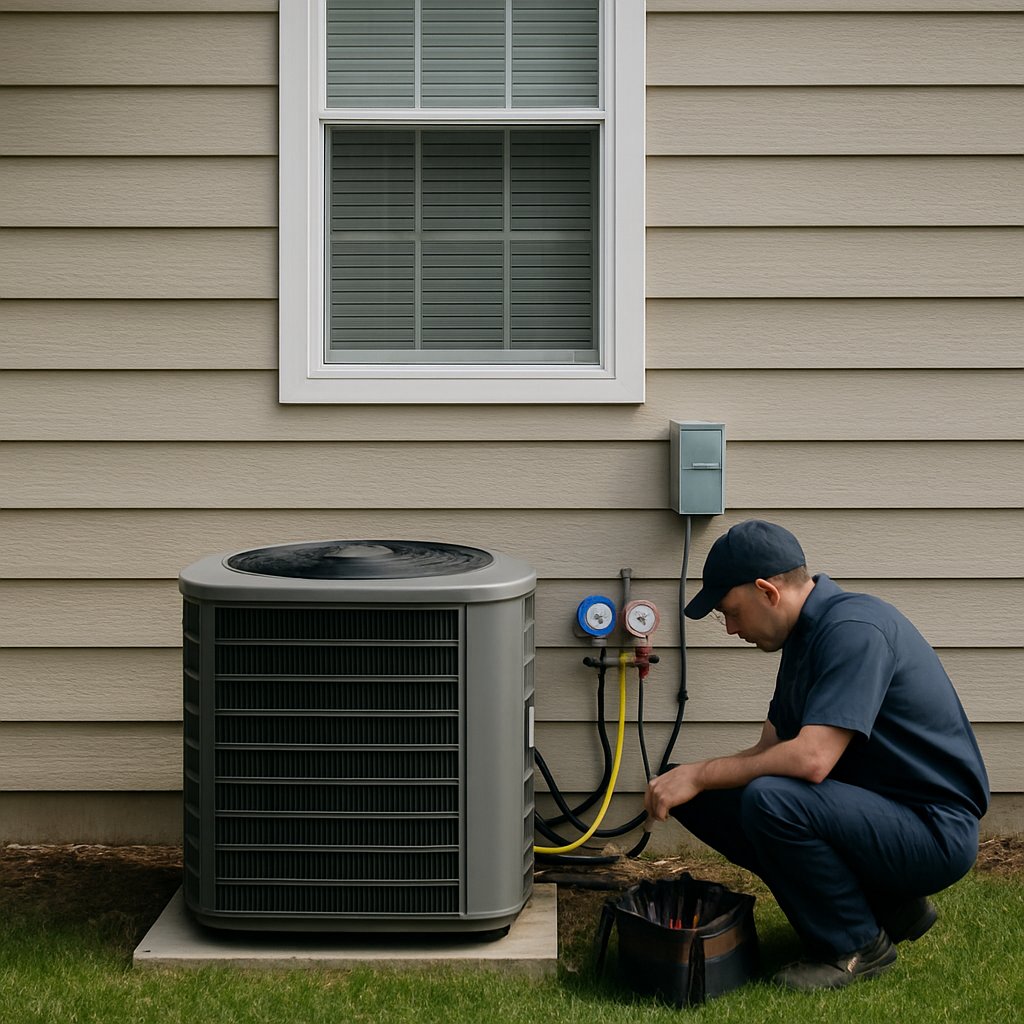
HVAC replacement is more involved than simply swapping out old equipment. The contractor may need to remove the existing system, set new equipment, connect refrigerant lines, adjust electrical components, connect gas lines if applicable, update venting, inspect ductwork, install a thermostat, test airflow, charge refrigerant, and verify safe operation.
Depending on the complexity, installation may take a day or more. If ductwork changes, electrical updates, permits, inspections, or structural access issues are involved, the timeline may be longer.
Before installation, ask what areas of the home the crew will need to access, how long the system will be off, whether pets need to be secured, and how the work area will be protected.
You should also ask what will happen to the old equipment and whether cleanup is included.
Review Warranties and Maintenance Requirements
Before choosing a system, understand the warranty. HVAC warranties may include equipment parts, compressor coverage, heat exchanger coverage, labor coverage, or separate contractor workmanship guarantees. Some warranties require product registration within a certain timeframe.
Maintenance also matters. Many warranties require regular maintenance to remain valid. Skipping tune-ups, using the wrong filter, ignoring airflow problems, or failing to service the system can shorten equipment life and create warranty issues.
Ask the contractor what maintenance schedule is recommended and what you are responsible for as the homeowner. At a minimum, homeowners should replace filters regularly, keep outdoor units clear of debris, keep vents open and unobstructed, and schedule professional maintenance as recommended.
Compare Contractors Carefully
The contractor you choose is just as important as the system you buy. A good HVAC contractor should inspect your home, explain your options, perform proper sizing, evaluate ductwork, answer questions clearly, provide a detailed estimate, and stand behind the installation.
Be cautious of contractors who give a quote without visiting the home, pressure you into immediate decisions, recommend the same size system without evaluation, avoid discussing ductwork, or cannot explain warranty and installation details.
Ask for written estimates, proof of licensing and insurance where required, equipment model numbers, warranty information, and a clear scope of work. A detailed estimate helps you compare options fairly.
Final Thoughts
Replacing your HVAC system is a major investment, but it can improve comfort, efficiency, reliability, and indoor air quality when done correctly. Before making a decision, consider whether replacement truly makes sense, whether the system is properly sized, whether ductwork needs attention, and whether the contractor has explained the full installation process.
Do not choose based only on price or equipment brand. The best HVAC replacement is one that fits your home, supports your comfort goals, and is installed correctly.
By asking the right questions before replacing your HVAC system, you can avoid common mistakes and choose a solution that keeps your home comfortable for years to come.