
When homeowners start planning an outdoor living space, one of the biggest decisions is whether to build a pergola or a covered patio. Both can add shade, style, and function to a backyard, but they are not the same. A pergola creates a more open, decorative outdoor structure, while a covered patio provides stronger protection from sun, rain, and weather.
The right choice depends on how you want to use the space. Do you want partial shade over a seating area? Do you want a dry place to grill or entertain during light rain? Are you trying to create a cozy outdoor room? Do you want something open and airy, or something more protected and permanent?
A pergola and a covered patio can both improve a backyard, but they solve different problems. Before choosing one, it helps to understand how they compare in shade, weather protection, cost, maintenance, design, comfort, and long-term value.
What Is a Pergola?
A pergola is an outdoor structure made with vertical posts and an open roof design. The roof usually has beams, rafters, or slats that allow sunlight and air to pass through. Pergolas can be freestanding in the yard or attached to the home.
Pergolas are often used over patios, decks, seating areas, walkways, gardens, outdoor dining spaces, or poolside areas. They help define a space without fully enclosing it. Many homeowners choose pergolas because they add architectural interest and make an outdoor area feel more intentional.
A pergola does provide some shade, especially when the sun is overhead, but it does not offer complete protection. The amount of shade depends on the spacing of the slats, the direction of the sun, and whether the pergola includes added features such as a canopy, shade cloth, vines, curtains, or retractable cover.
If you want an outdoor space that feels open and stylish, a pergola may make sense.
What Is a Covered Patio?
A covered patio is a patio area with a solid roof overhead. It may be attached to the home or built as a freestanding structure. Unlike a pergola, a covered patio is designed to provide more complete shade and weather protection.
Covered patios may use roofing materials that match the house, such as shingles, metal roofing, panels, or other durable materials. Some covered patios also include ceiling fans, recessed lighting, outdoor kitchens, fireplaces, heaters, screens, or built-in seating.
A covered patio feels more like an extension of the home. It creates a protected outdoor room that can be used more often throughout the year.
If you want shade, rain protection, and a more finished outdoor living area, a covered patio may be the better choice.
Shade and Sun Protection
Shade is one of the main reasons homeowners consider either option. A pergola provides partial shade, while a covered patio provides full shade.
A pergola filters sunlight rather than blocking it completely. This can be ideal if you want a bright outdoor space that still feels open. It can reduce direct sun in certain areas, but the shade will move throughout the day. In the morning or late afternoon, the sun may still come through at an angle.
A covered patio blocks much more sunlight. This makes it more comfortable on hot days, especially in sunny climates. If your patio gets intense afternoon sun, a covered patio can make the space usable when it would otherwise be too hot.
For homeowners who want light shade and an open-air feel, a pergola works well. For homeowners who need serious relief from heat and sun, a covered patio usually performs better.
Rain and Weather Protection
This is one of the biggest differences between the two. A pergola is not designed to keep rain out unless it has a waterproof cover or added roof system. Traditional pergolas have open slats, so rain passes through.
A covered patio is designed to protect the space below from rain. This makes it more useful for outdoor dining, grilling, entertaining, and relaxing when the weather is not perfect. You can keep patio furniture drier, protect cushions, and use the space during light rain.
If you live in an area with frequent rain or you want an outdoor space that does not become unusable every time the weather changes, a covered patio may be a better investment.
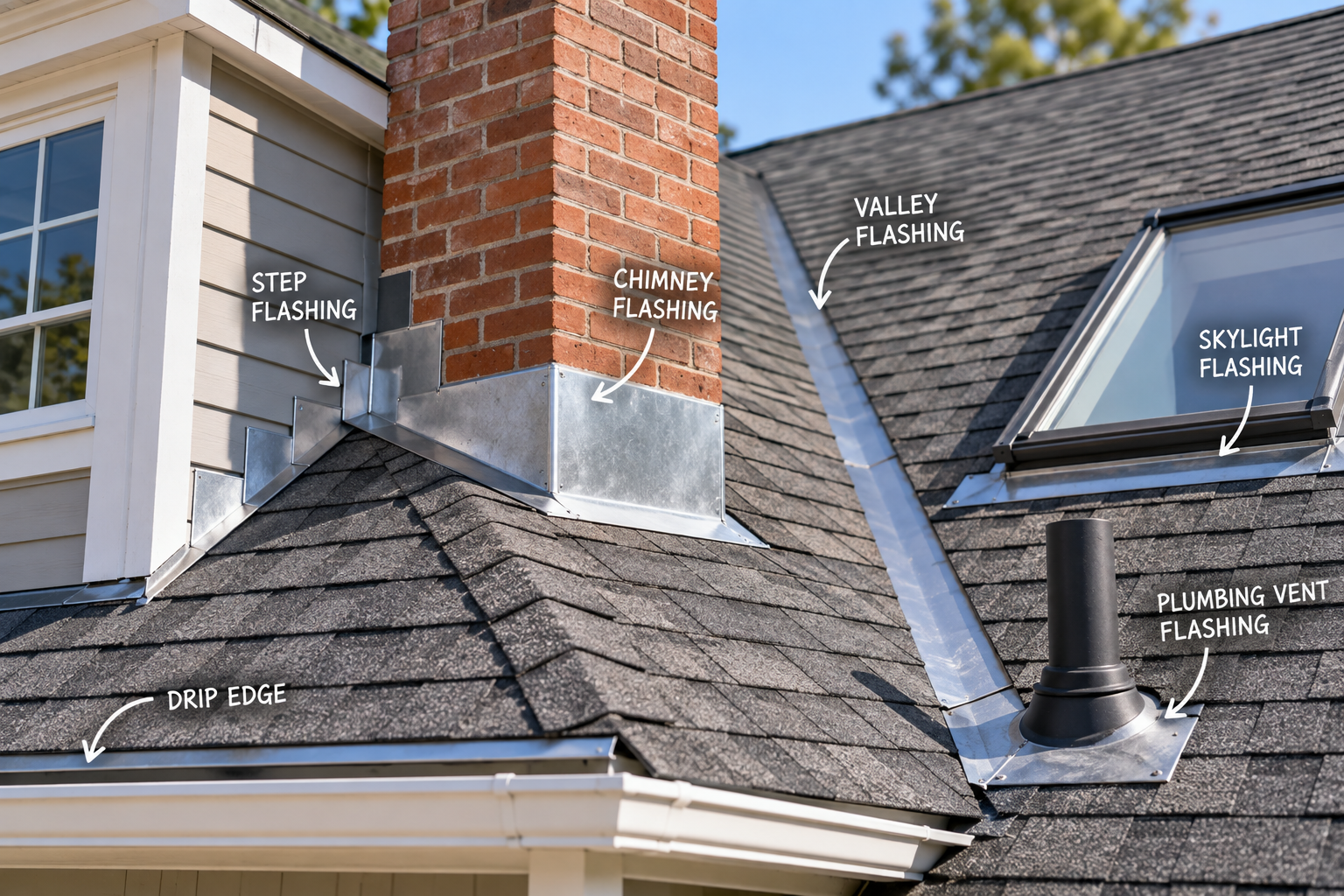
However, a covered patio also requires more planning. Drainage, roof pitch, gutters, flashing, structural support, and connection to the home all matter. Poor installation can lead to leaks, water damage, or drainage problems.
Cost Differences
Pergolas are often less expensive than covered patios, but the final cost depends on size, material, design, labor, and features.
A simple wood or vinyl pergola may be more budget-friendly than a full covered patio with a solid roof, electrical work, lighting, fans, and structural supports. Pergolas usually require less roofing work and may involve fewer building complexities.
Covered patios typically cost more because they involve a roof system. If the structure attaches to the house, the project may require careful flashing, framing, drainage, and sometimes permits. Adding electrical features, ceiling finishes, heaters, screens, or outdoor kitchen elements can increase the cost.
That said, a covered patio may provide more usable space throughout the year, which can make the investment worthwhile.
The best choice is not always the cheapest option. It is the structure that fits how you plan to use the space.
Maintenance Needs
Both pergolas and covered patios need maintenance, but the type of maintenance differs.
Wood pergolas may need staining, sealing, painting, or repairs over time. Because the structure is open to sun, rain, and humidity, wood can fade, crack, warp, or rot if not maintained. Vinyl, aluminum, and composite pergolas may require less maintenance, though they still need cleaning.
Covered patios require roof maintenance. Depending on the roofing material, homeowners may need to clean gutters, inspect flashing, check for leaks, remove debris, and maintain posts, beams, ceilings, or fans. If the covered patio is attached to the home, keeping the connection watertight is especially important.
A pergola may have simpler maintenance, but it is more exposed. A covered patio may protect the area below better, but the roof system adds maintenance responsibilities.
Design and Style
Pergolas are often chosen for style. They create a defined outdoor space without making the backyard feel closed in. Their open structure can work well with gardens, climbing plants, string lights, curtains, and outdoor seating.
A pergola can fit many home styles, from modern to rustic to traditional. It can make a plain patio feel more finished and inviting.
Covered patios are usually more substantial. They can be designed to match the roofline and architecture of the home, making the outdoor area feel like a true extension of the house. A well-designed covered patio can look polished, permanent, and high-end.
If you want a light, decorative structure, a pergola may be the right fit. If you want a more complete outdoor room, a covered patio may be better.
Comfort and Everyday Use
Think about how you will actually use the space. If you want a place for occasional morning coffee, plants, reading, or casual seating, a pergola may be enough. It creates atmosphere without blocking the outdoors.
If you want to host dinners, watch TV outside, grill in changing weather, keep furniture protected, or create a shaded family hangout, a covered patio may be more practical.
Comfort also depends on airflow. Pergolas allow more air movement because they are open. Covered patios can still be comfortable, but they may need ceiling fans, proper height, and open sides to prevent the space from feeling hot or enclosed.
If the area gets strong sun, frequent rain, or heavy leaf drop, a covered patio may be easier to use consistently.
Property Value
Both pergolas and covered patios can improve appeal when they are well designed and properly built. Outdoor living spaces are attractive to many homeowners because they expand usable living area and make the backyard more functional.
A pergola may add visual charm and create a defined seating or dining area. A covered patio may add more practical value because it provides protected space that can be used more often.
However, value depends on quality. A poorly built pergola can look temporary or deteriorate quickly. A poorly built covered patio can cause water problems, structural concerns, or roofline issues. The best return comes from a structure that fits the home, is built well, and serves a clear purpose.
Permits and Building Considerations
Depending on where you live, either structure may require permits, especially if it is attached to the home, includes electrical work, has a roof, or affects drainage. Covered patios are more likely to require permits because they involve structural roofing and may connect to the house.
Homeowners should also consider HOA rules, property setbacks, utility lines, drainage, roof runoff, and foundation or footing requirements.
Before starting either project, check local building requirements and talk with a qualified contractor. It is better to plan correctly than to remove or rebuild something later.
Which One Makes Sense for You?
Choose a pergola if you want a stylish, open-air structure that provides partial shade and defines an outdoor space. It is a good option for homeowners who want beauty, airflow, and a lighter backyard feature.
Choose a covered patio if you want full shade, rain protection, and a more usable outdoor living area. It is a better choice for homeowners who want to entertain, dine outside, protect furniture, or create a space that feels like an extension of the home.
A pergola makes sense when atmosphere matters most. A covered patio makes sense when function and protection matter most.
Final Thoughts
A pergola and a covered patio can both improve your backyard, but they serve different needs. A pergola offers style, partial shade, and an open feel. A covered patio provides stronger protection, more shade, and better year-round usability.
Before deciding, think about your climate, budget, maintenance expectations, home style, and how often you want to use the space. If you mainly want to define a seating area and add visual interest, a pergola may be enough. If you want a protected outdoor room for daily use, a covered patio may be the smarter choice.
The best outdoor living upgrade is the one that fits your home, your lifestyle, and the way you actually want to spend time outside.