Siding plays a major role in protecting your home. It shields the structure from rain, wind, sun, pests, and temperature changes while also shaping curb appeal. When siding starts to crack, warp, rot, loosen, or fade, homeowners often face the same question: should you repair the damaged sections or replace the siding altogether?
The answer depends on the extent of the damage, the age of the siding, the material, the condition underneath, and your long-term goals for the home. Some siding problems are small and can be repaired without replacing everything. Other issues are signs that the siding system is failing and replacement may be the smarter investment.
Knowing the difference can help you avoid overspending on unnecessary replacement or wasting money on repeated repairs that do not solve the real problem.
When Siding Repair Makes Sense
Siding repair is usually the better choice when the damage is limited to a small area and the rest of the exterior is in good condition. For example, a few cracked vinyl panels, a loose board, minor storm damage, or a small section affected by impact may not require full replacement.
Repair can also make sense if the siding is relatively new and matching materials are still available. If the color, style, profile, and texture can be matched closely, a repair may blend in well enough to restore protection and appearance.
Common repair situations include replacing a few damaged panels, securing loose siding, fixing minor gaps, sealing small openings, repairing trim, replacing a damaged corner piece, or correcting isolated issues around windows and doors.
The key is making sure the problem is truly isolated. If one section was damaged by a branch, ladder, grill heat, or accidental impact, repair may be simple. If multiple areas are cracking, warping, rotting, or pulling away, the issue may be more widespread.
When Siding Replacement Makes More Sense
Replacement becomes more practical when siding damage is widespread, recurring, or connected to deeper problems. If large sections are warped, faded, cracked, loose, rotting, or allowing moisture behind the surface, repairing one spot at a time may not be enough.
Old siding can also become brittle. Vinyl siding, for example, may crack more easily as it ages. Wood siding may rot or split if moisture has been a long-term issue. Fiber cement may need replacement if boards are damaged, improperly installed, or deteriorating in several areas.
If the siding has reached the end of its useful life, replacement may save money over time. Instead of paying for repeated repairs, homeowners can install a new siding system that improves protection, appearance, and performance.
Replacement may also be the better option if you are planning to sell the home, improve curb appeal, increase energy efficiency, or update an outdated exterior.
Look at the Extent of the Damage
The first step is to inspect how much siding is affected. A single damaged section is very different from problems across multiple walls.
Walk around the home and look for cracks, holes, missing pieces, warped panels, loose boards, soft spots, mold, mildew, bubbling paint, peeling finish, and gaps around windows or trim. Pay attention to areas near gutters, downspouts, rooflines, decks, landscaping, and the bottom edges of walls. These spots often show water-related damage first.
If the damage is limited to one wall or a few panels, repair may be possible. If damage appears on several sides of the home, replacement may be more realistic.
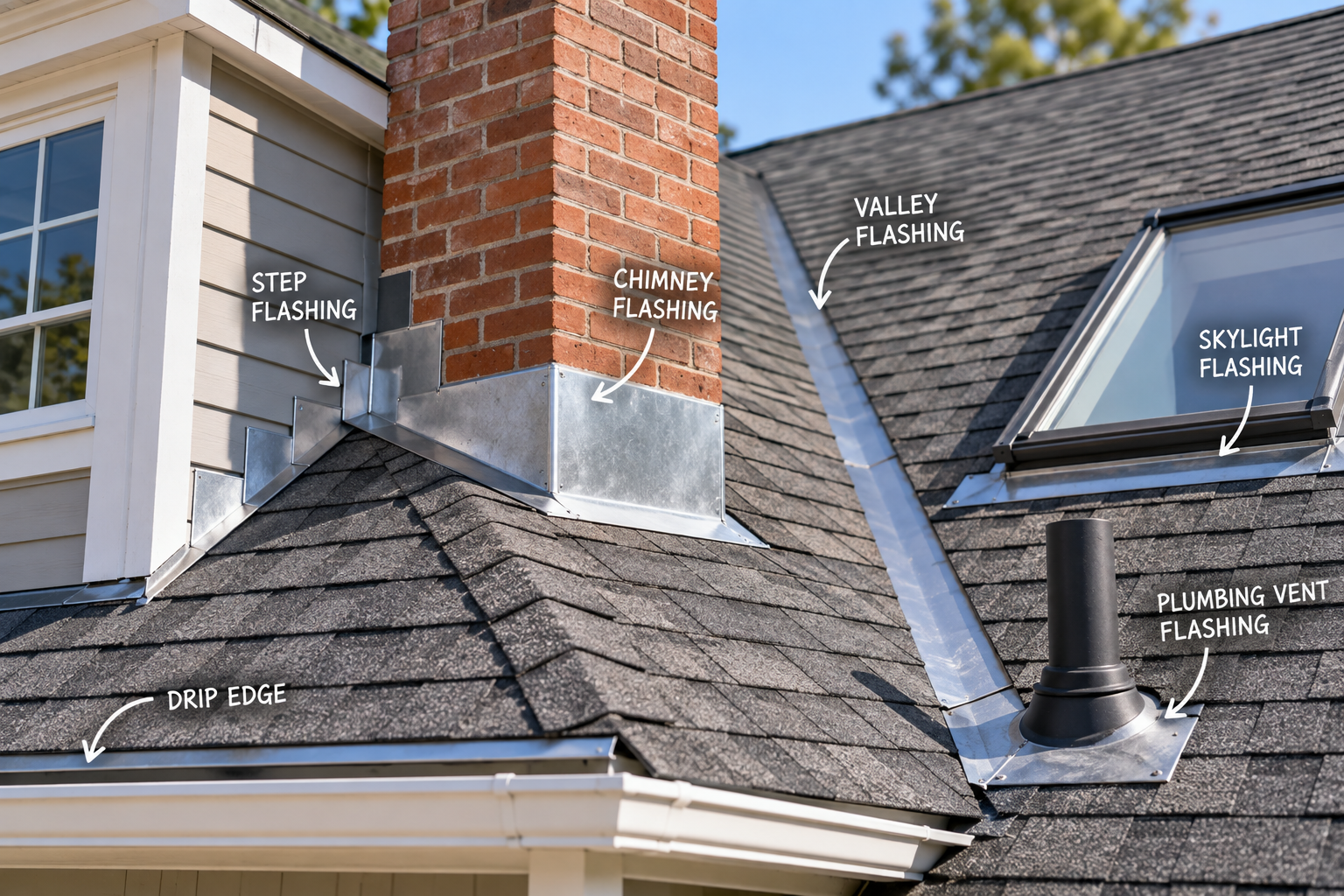
Also check whether the siding problem is caused by something else. Overflowing gutters, poor drainage, roof leaks, sprinkler overspray, or missing flashing can damage siding repeatedly. If the cause is not fixed, new repairs may fail too.
Check for Moisture Damage
Moisture is one of the biggest reasons siding problems become serious. Siding is supposed to help keep water away from the structure. If water gets behind it, the home may develop rot, mold, sheathing damage, insulation problems, or interior wall issues.
Warning signs of moisture damage include soft siding, swollen boards, peeling paint, musty smells, dark staining, mold growth, water stains inside the home, or siding that feels loose and spongy.
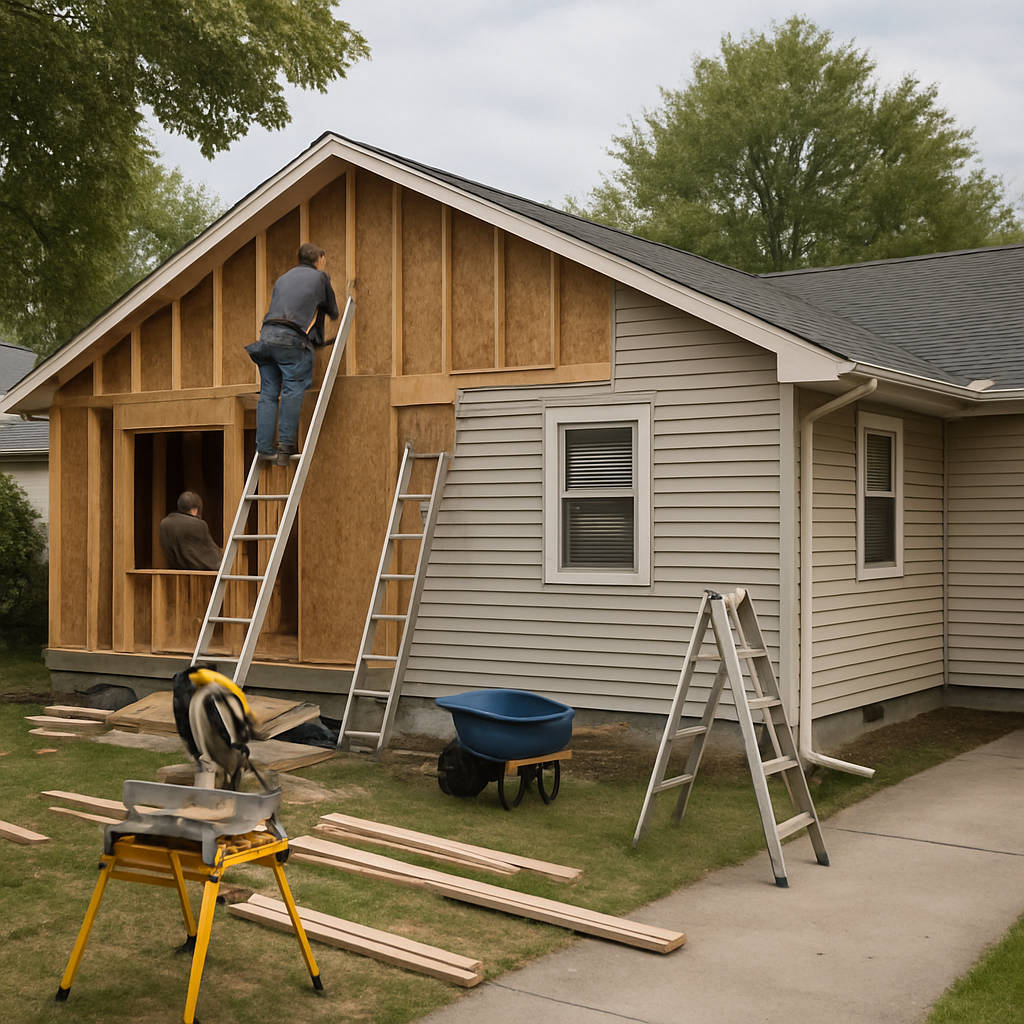
If moisture has reached the wall sheathing or framing, replacing only the outer siding may not solve the issue. The damaged materials behind the siding may need to be repaired before new siding is installed.
This is one of the most important reasons to have siding inspected before deciding. What looks like a cosmetic problem may actually be hiding water damage underneath.
Consider the Age of the Siding
Age matters when deciding between repair and replacement. If your siding is fairly new, a repair may make sense. If it is decades old, brittle, faded, or no longer available, replacement may be more practical.
Older siding can be difficult to match. Even if the same product still exists, the color on your home may have faded from years of sun exposure. A new replacement panel may stand out against older siding. This is especially noticeable on front-facing walls or highly visible areas.
If the siding is near the end of its lifespan, repairing one section may only delay the inevitable. You may fix one problem now, then deal with another section six months later.
On the other hand, if the siding is still performing well and the damage is isolated, repair can extend its life without the expense of replacement.
Think About Curb Appeal
Siding has a major effect on how your home looks. Even if repair is technically possible, it may not always look good. Mismatched panels, faded colors, patched sections, or uneven textures can make the exterior look inconsistent.
If the damaged area is on the back of the home or a less visible side wall, a slight mismatch may not bother you. If the damage is on the front elevation, near the entryway, or across a large visible surface, replacement may create a cleaner result.
Full siding replacement also gives homeowners a chance to update the home’s style. New siding color, trim, accents, and profiles can dramatically improve curb appeal.
If appearance is a major priority, replacement may be worth considering even if repair is possible.
Compare Short-Term Cost and Long-Term Value
Repair is usually cheaper upfront. Replacement costs more, but it may offer better long-term value if the siding is old, failing, or repeatedly damaged.
Think about how often you are repairing the siding. If this is the first issue in years, repair may be reasonable. If you have already repaired several sections, replaced trim, sealed gaps, and dealt with moisture problems, replacement may be the better financial decision.
Repeated repairs can add up quickly. They can also leave the exterior looking patchy. A full replacement may provide a more complete solution and reduce ongoing maintenance.
The right choice depends on your budget, timeline, and how long you plan to stay in the home.
Evaluate Energy Efficiency
Siding replacement can sometimes improve energy performance, especially if insulation, house wrap, or weather barriers are updated during the project. Old or damaged siding may allow drafts, moisture, or air leaks around the home.
Repairing one section will not usually change energy efficiency much. Full replacement may create an opportunity to improve the exterior envelope, seal gaps, and add insulated siding or other upgrades.
That said, siding alone does not solve every energy problem. Windows, doors, attic insulation, air sealing, HVAC performance, and ventilation all matter too.
If comfort and efficiency are part of your renovation goals, replacement may offer more opportunities than repair.
Consider the Siding Material
Different siding materials age and fail differently.
Vinyl siding may crack, warp, melt, or become brittle. Small sections are often repairable, but matching faded panels can be difficult.
Wood siding may rot, split, warp, or attract pests. Isolated boards can often be repaired, but widespread rot may require replacement.
Fiber cement siding is durable, but it can crack, absorb moisture if improperly maintained, or fail around edges if installation was poor.
Aluminum siding may dent, fade, or oxidize. Repairs can be possible, but matching older aluminum siding may be challenging.
Stucco can crack or allow moisture behind the surface if not properly maintained. Small cracks may be repaired, but widespread moisture issues may require more extensive work.
The material affects both the repair process and the replacement decision.
Watch for Pest Damage
Siding problems can also create entry points for pests. Gaps, cracks, rotting wood, loose boards, and damaged trim can allow insects, rodents, and other pests to enter wall cavities or attic spaces.
Wood siding is especially vulnerable when moisture and rot are present. Termites, carpenter ants, and other pests may take advantage of softened or damaged wood.
If you notice small holes, sawdust-like material, scratching sounds, nests, or pest activity near damaged siding, do not ignore it. Pest damage may mean the problem extends behind the siding.
In these cases, repair may need to include both pest treatment and siding work. If the damage is widespread, replacement may be needed.
Do Not Ignore Small Problems
Small siding problems can grow quickly. A loose panel can let wind-driven rain behind the wall. A cracked board can allow moisture to reach sheathing. A missing piece of trim can create an opening for pests. Peeling paint on wood siding can expose the material to rot.
Even if you are not ready for full replacement, repairs should not be delayed. Quick repair can prevent water intrusion and protect the structure.
If you see damaged siding, take photos and monitor whether the issue grows after storms, temperature changes, or heavy rain. Then call a professional to evaluate whether repair is enough.
Questions to Ask Before Deciding
Before choosing repair or replacement, ask:
How old is the siding?
Is the damage isolated or widespread?
Is moisture present behind the siding?
Can the material be matched?
Are there signs of rot, pests, or structural damage?
Has this problem happened before?
Will repair look acceptable?
How long do I plan to stay in the home?
Would replacement improve curb appeal or efficiency?
Is the cause of the damage fixed?
These questions can help you make a practical decision instead of reacting only to the visible damage.
Final Thoughts
Siding repair makes sense when the damage is minor, isolated, and the rest of the exterior is in good condition. Replacement makes more sense when damage is widespread, moisture has reached the wall system, the siding is old, repairs are becoming frequent, or the home needs a major curb appeal update.
The most important thing is not to ignore the issue. Damaged siding can allow water, pests, and air into places they do not belong. What starts as a small crack or loose panel can turn into rot, mold, insulation damage, or higher repair costs.
If you are deciding between siding repair and replacement, start with a careful inspection. Look at the age, material, damage, moisture, appearance, and long-term goals for the home. The right choice is the one that protects your house, fits your budget, and gives you confidence that the exterior is ready for the years ahead.