Insulation is one of the most important parts of a comfortable, efficient home, but it is also one of the easiest things to overlook. Unlike flooring, roofing, windows, or appliances, insulation is usually hidden behind walls, above ceilings, under floors, or inside attic spaces. Homeowners may not think about it until the house feels drafty, energy bills rise, certain rooms never stay comfortable, or moisture problems start to appear.
Good insulation helps slow heat transfer. In winter, it helps keep warm air inside. In summer, it helps reduce heat gain from outside. When insulation is missing, damaged, compressed, outdated, or poorly installed, your HVAC system has to work harder to maintain the temperature you want.
The U.S. Department of Energy explains that reducing air leakage can lower heating and cooling costs, improve durability, increase comfort, and support a healthier indoor environment through proper air sealing. ENERGY STAR also notes that sealing air leaks and adding insulation can help improve comfort and energy efficiency while potentially saving homeowners on annual energy bills. Those benefits make insulation one of the most practical upgrades for many homes.
If your home feels uncomfortable or inefficient, here are the most common signs it may need new insulation.
Your Energy Bills Keep Going Up
One of the biggest warning signs of poor insulation is a steady increase in heating and cooling costs. If your utility bills are rising and your energy use has not changed much, your home may be losing conditioned air faster than it should.
Poor insulation allows heat to move more easily through the attic, walls, floors, basement, crawl space, and other parts of the home’s envelope. In winter, heated air escapes. In summer, outdoor heat gets in. Your HVAC system then has to run longer to make up the difference.
Of course, higher bills can also come from old HVAC equipment, leaky ducts, poor windows, thermostat habits, or rising utility rates. But insulation is one of the first areas worth checking because it affects the whole home.
ENERGY STAR’s guide to sealing and insulating is a helpful resource for understanding how insulation and air sealing work together to improve home efficiency.
Some Rooms Are Always Too Hot or Too Cold
Uneven room temperatures are another common sign your home may need better insulation. If one bedroom is always freezing in winter, the bonus room gets too hot in summer, or the upstairs feels completely different from the downstairs, insulation may be part of the problem.
Rooms over garages, attic-adjacent spaces, additions, sunrooms, and rooms with exterior walls are especially prone to comfort issues. These areas may have less insulation, poorly installed insulation, gaps in the thermal barrier, or more air leakage.
If your HVAC system is working properly but certain areas still never feel comfortable, the issue may not be the system itself. It may be that the room cannot hold conditioned air effectively.
New or improved insulation can help even out temperatures, reduce hot and cold spots, and make the home feel more consistent from room to room.
Your Home Feels Drafty
Drafts are often connected to air leaks, but insulation plays a role too. If you feel cold air around walls, floors, attic hatches, outlets, baseboards, recessed lights, windows, doors, or crawl space access points, your home may have gaps that allow outside air to enter.
Air sealing and insulation are closely connected. Insulation slows heat transfer, while air sealing helps stop uncontrolled airflow. If one is missing or poorly done, the home may still feel uncomfortable.
The Department of Energy’s resource on air sealing your home explains that reducing air leakage is a cost-effective way to cut heating and cooling costs, improve comfort, and support a healthier indoor environment.
If your home feels drafty even when doors and windows are closed, it may be time to inspect the attic, crawl space, basement, and exterior wall areas for insulation and air-sealing problems.
Your HVAC System Runs Constantly
A heating and cooling system should not have to run nonstop just to maintain a reasonable indoor temperature. If your furnace, air conditioner, or heat pump runs for long periods, cycles frequently, or struggles to reach the thermostat setting, poor insulation may be forcing it to work harder.
When insulation is inadequate, conditioned air escapes more easily and outdoor temperatures affect the home faster. Your HVAC system has to keep replacing the air or heat that is being lost.
This can lead to higher energy bills, more wear on the equipment, and less consistent comfort. Before assuming your HVAC system needs to be replaced, it may be worth checking whether the home is properly insulated and sealed.
A home energy assessment can help identify whether the issue is insulation, air leaks, ductwork, equipment performance, or a combination of problems.
The Attic Insulation Looks Thin, Uneven, or Damaged
The attic is one of the most important places to inspect when looking for insulation problems. Because heat rises, poorly insulated attics can contribute to major heat loss in winter and heat gain in summer.
If you can see attic floor joists above the insulation, the insulation may be too low. If insulation looks uneven, compressed, shifted, dirty, wet, or missing in certain areas, it may not be performing well. Insulation can also be disturbed by pests, storage, roof leaks, electrical work, or previous renovations.
ENERGY STAR provides useful DIY checks and inspections homeowners can use to identify areas where more insulation or air sealing may be needed.
However, attic inspections should be done carefully. Watch for exposed nails, weak ceiling areas, electrical hazards, extreme temperatures, and signs of pests or mold. If you are not comfortable entering the attic, a qualified professional can inspect it safely.
Your Floors Feel Cold
Cold floors can be a sign that your home needs insulation in the crawl space, basement ceiling, rim joists, or floor system. This is especially common in older homes, homes over crawl spaces, and rooms over garages.
If cold air is entering below the living space, the floor may feel chilly even when the thermostat is set comfortably. This can make the entire room feel colder and cause the HVAC system to run more often.
Insulating floor areas, crawl spaces, and rim joists can help reduce cold floors and improve comfort. Air sealing is also important because gaps around plumbing, wiring, ducts, and framing can allow outside air to move into the home.
You Notice Moisture, Condensation, or Mold
Insulation problems can sometimes contribute to moisture issues. Warm air moving into cold spaces can create condensation. Poor air sealing, inadequate ventilation, roof leaks, plumbing leaks, or improper insulation can all play a role.
Moisture is especially concerning because it can damage building materials and create conditions where mold can grow. The EPA’s mold resources explain that mold can affect indoor air quality and that moisture control is key to preventing mold growth.
Warning signs include condensation on windows, musty smells, damp insulation, water stains, mold spots, wet attic areas, or humidity that feels hard to control.
If insulation is wet, it may need to be removed and replaced. Wet insulation usually does not perform properly, and leaving moisture problems unresolved can lead to bigger damage. Before adding new insulation, the source of moisture should be fixed.
You Have Ice Dams in Winter
In colder climates, ice dams can be a sign of poor attic insulation or air sealing. Ice dams form when heat escapes into the attic, warming the roof deck and melting snow. The melted water runs down the roof and refreezes near the colder edges, creating a buildup of ice.
Ice dams can damage shingles, gutters, insulation, ceilings, and walls. While roof design and ventilation also matter, insulation and air sealing are often part of the solution.
If your home develops ice dams, it is worth checking the attic for heat loss, air leaks, and uneven insulation. Sealing attic bypasses and improving insulation can help reduce the conditions that contribute to ice dam formation.
Your Home Feels Noisy
Insulation is primarily used for thermal performance, but it can also help reduce sound transfer. If you hear a lot of outdoor noise, room-to-room noise, or sounds from the garage or mechanical areas, insulation may be limited or missing in certain parts of the home.
New insulation will not soundproof a house completely, but it can help dampen noise in walls, floors, and ceilings. This can be especially useful in bedrooms, home offices, media rooms, and homes near busy roads.
If noise is one of your concerns, ask about insulation materials and installation methods that support both comfort and sound control.
Your Home Is Older and Has Never Been Updated
Older homes often have less insulation than modern homes. Building standards have changed over time, and many older houses were built before today’s energy efficiency expectations.
Even if insulation was added at some point, it may have settled, degraded, been damaged, or been installed unevenly. Renovations, electrical updates, plumbing work, pest activity, roof leaks, and attic storage can also reduce insulation performance.
If your home is older and you do not know when the insulation was last checked, an inspection may be worthwhile. You may discover missing attic insulation, unsealed gaps, under-insulated walls, or crawl space issues that have been affecting comfort for years.
You See Pest Damage
Pests can damage insulation by nesting, chewing, contaminating, compressing, or moving it out of place. Rodents, insects, birds, and other pests may enter attics, crawl spaces, basements, or wall cavities and leave insulation unable to perform properly.
Signs of pest-related insulation damage include droppings, nesting material, torn insulation, foul odors, scratching noises, or visible tunnels through insulation.
Before replacing insulation, the pest problem should be addressed. Otherwise, new insulation may be damaged again. Once the entry points are sealed and the area is cleaned, damaged insulation can be replaced as needed.
Renovations Revealed Missing Insulation
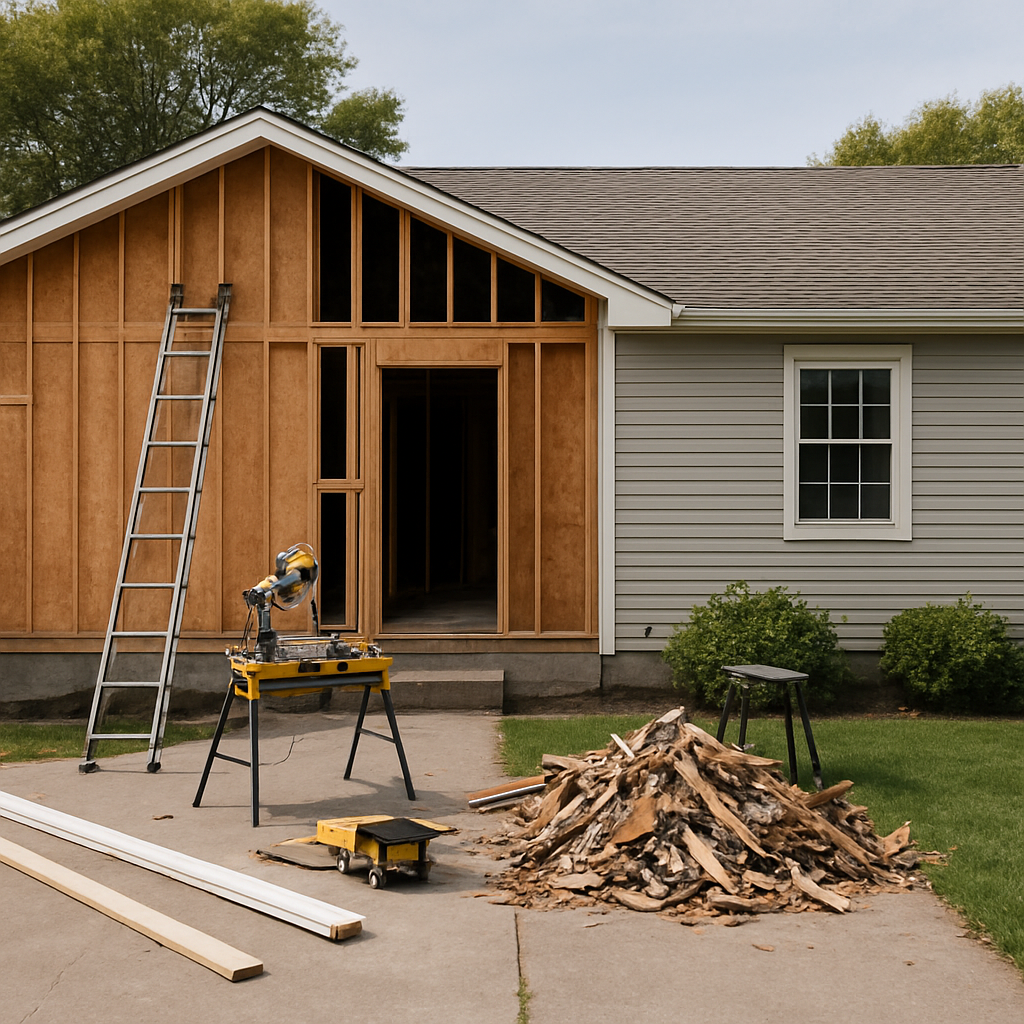
Many homeowners discover insulation problems during remodeling projects. When walls, ceilings, floors, or attic areas are opened, it may become clear that insulation is missing, thin, poorly installed, or damaged.
This is a good opportunity to upgrade. If you are already renovating a room, finishing a basement, remodeling an attic, or opening exterior walls, adding proper insulation can improve comfort and efficiency before everything is closed back up.
It is usually easier and more cost-effective to correct insulation problems during a renovation than after the finished surfaces are restored.
You Are Planning to Improve Energy Efficiency
Sometimes the sign that your home needs new insulation is not a dramatic problem. It may simply be that you want the home to perform better. If you are planning energy-efficient upgrades, insulation should be part of the conversation.
New windows, HVAC equipment, roofing, siding, or ventilation improvements can all help, but insulation and air sealing support the overall performance of the home. Without proper insulation, other upgrades may not deliver their full value.
The Department of Energy also explains that certain insulation and air-sealing improvements may qualify for the Energy Efficient Home Improvement Credit when they meet eligible requirements, which may make efficiency upgrades more appealing for some homeowners.
Final Thoughts
Your home may need new insulation if energy bills are rising, rooms feel uneven, drafts are common, the HVAC system runs constantly, attic insulation looks thin or damaged, floors feel cold, moisture problems appear, ice dams form, noise travels easily, or the home has never had an insulation update.
Insulation is not always visible, but its effects are felt every day. A properly insulated and sealed home can feel more comfortable, use energy more efficiently, and better protect indoor living spaces from outdoor temperature swings.
If you suspect your insulation is not doing its job, start with a visual inspection of accessible areas like the attic, basement, crawl space, and around obvious air leaks. For a more complete answer, consider a professional home energy assessment. The right insulation improvements can make your home more comfortable, efficient, and easier to live in year-round.