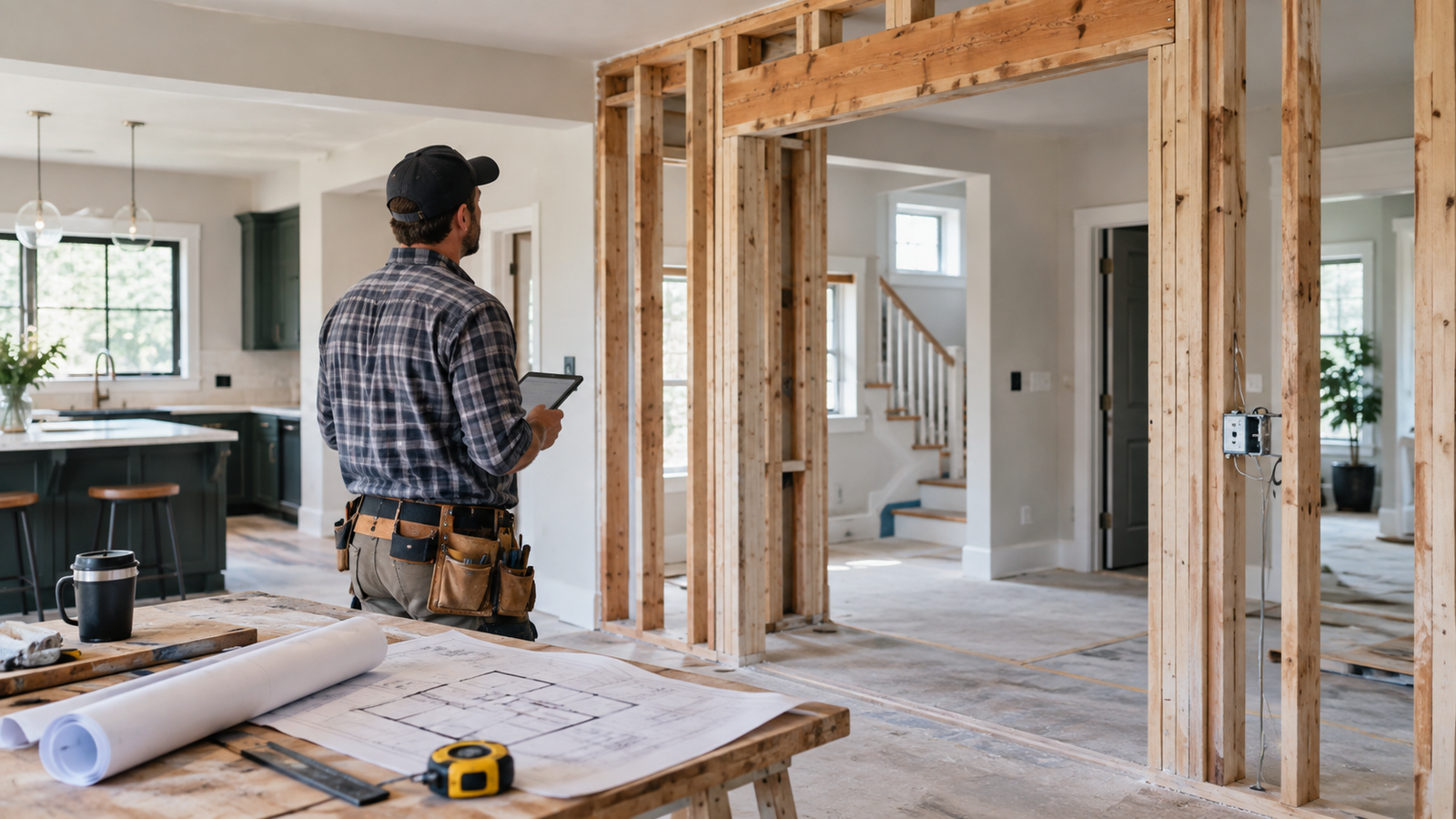

A home construction or renovation project rarely happens in a perfect straight line. Even with a strong plan, experienced contractor, clear budget, and carefully chosen materials, delays can still happen. Weather changes, permit issues, material shortages, inspection schedules, hidden damage, design changes, subcontractor availability, and supply chain problems can all affect the timeline.
For homeowners, delays can be frustrating because construction often disrupts daily life. A kitchen may be unusable. A bathroom may be out of service. A roof may need to be protected before the next storm. A deck, addition, basement, or whole-home remodel may affect parking, storage, pets, children, work-from-home routines, and access to certain parts of the house.
The good news is that many delays become easier to manage when homeowners know what to expect. While you cannot control every factor, you can prepare for common issues, ask the right questions, build flexibility into the schedule, and communicate clearly with your contractor.
Here are the most common construction delays and how homeowners can prepare for them.
Material Delays
Material delays are one of the most common reasons construction projects take longer than expected. Cabinets, windows, doors, specialty tile, appliances, plumbing fixtures, roofing materials, decking, flooring, countertops, lighting, and custom products may have longer lead times than homeowners expect.
Some materials are readily available. Others may take weeks or months depending on demand, manufacturing schedules, shipping conditions, and product selection. Custom orders usually take longer than standard in-stock items.
The National Association of Home Builders has highlighted how material supply chains and costs can affect housing construction, including lumber, steel, aluminum, and other building inputs. Even when national conditions improve, local availability can still vary.
Homeowners can prepare by making material selections early. Do not wait until demolition begins to choose tile, fixtures, cabinets, windows, doors, or appliances. Ask your contractor which items have the longest lead times and whether comparable alternatives are available if something becomes delayed.
Weather Delays
Weather can affect many construction projects, especially exterior work. Roofing, siding, concrete, decks, patios, additions, excavation, grading, painting, and landscaping can all be delayed by rain, snow, ice, extreme heat, high winds, or saturated soil.
Some work cannot safely or properly happen in certain conditions. Roofing during high winds or heavy rain can be dangerous. Concrete may need specific temperature and moisture conditions to cure properly. Exterior paint may not adhere well in extreme humidity or cold. Excavation can become difficult when soil is too wet.
Homeowners should expect some weather flexibility, especially during stormy seasons. If your project involves exterior work, ask your contractor how weather may affect the schedule and what steps will be taken to protect exposed areas.
Weather delays can be inconvenient, but rushing work in poor conditions can lead to bigger problems later.
Permit Delays
Many construction and remodeling projects require permits. This may include additions, structural changes, electrical work, plumbing changes, HVAC work, decks, roofing, major renovations, and other improvements depending on local rules.
Permit timelines can vary widely. Some permits are processed quickly, while others require plan review, revisions, zoning checks, engineering documents, or additional approvals. If the project is more complex, permit delays can affect the start date.
The International Code Council explains that building codes help protect public health and safety through standards for the built environment. Its building safety resources can help homeowners understand why code compliance matters.
Homeowners can prepare by asking early whether permits are needed, who will obtain them, what documents are required, and how long the process usually takes locally. Do not assume work can start immediately after signing a contract. If permits are required, the project may not legally begin until approval is issued.
Inspection Delays
Inspections are often required at different stages of construction. Electrical, plumbing, framing, mechanical, insulation, roofing, foundation, and final inspections may need to happen before work can continue.
Inspection delays may occur when the local building department has limited availability, when work is not ready for inspection, or when something needs to be corrected before approval. If an inspection fails, the contractor may need to make changes and schedule another inspection.
This can slow the project, but inspections exist for a reason. They help verify that certain work meets local code and safety requirements.
Homeowners can prepare by asking which inspections are expected and when they may happen. Build some flexibility into the timeline and avoid scheduling major personal plans around a best-case construction schedule.
Hidden Damage
Hidden damage is one of the most stressful construction delays because it is often discovered after work begins. Once walls, floors, ceilings, cabinets, roofing, siding, or old fixtures are removed, contractors may find issues that were not visible during the initial estimate.
Common hidden problems include water damage, mold, rot, termite damage, outdated wiring, plumbing leaks, framing issues, poor previous workmanship, foundation cracks, insulation problems, or structural deficiencies.
In older homes, lead paint may also be a concern during renovation. The EPA explains that homes built before 1978 may contain lead-based paint and provides information about the Lead Renovation, Repair and Painting Program, which applies to certain renovation work in older homes.
Homeowners can prepare by setting aside a contingency budget. A renovation budget should not be stretched to the absolute limit before work begins. Having extra funds available for surprises can prevent panic if hidden damage is found.
Change Orders
A change order happens when the project scope changes after the contract is signed. This might be because the homeowner changes materials, adds work, moves a fixture, chooses a different layout, upgrades finishes, or asks for extra repairs. Change orders may also happen when hidden damage requires additional work.
Change orders can affect both cost and schedule. Even a small design change can create delays if materials need to be reordered, subcontractors need to return, or previously completed work must be revised.
Homeowners can prepare by making decisions carefully before construction begins. Review drawings, selections, finishes, and scope details early. If you do need to make a change, ask how it affects cost and timeline before approving it.
A good contractor should provide change orders in writing so everyone understands what is being added, removed, or modified.
Design Decision Delays
Many construction delays happen because decisions are not made on time. Contractors may need answers about tile layout, cabinet hardware, paint colors, fixture placement, flooring direction, countertop edges, lighting locations, trim details, or appliance models.
If a decision is delayed, the project may pause or work may move out of sequence. In some cases, a missed selection deadline can delay ordering materials or scheduling subcontractors.
Homeowners can prepare by creating a selections checklist before the project starts. Ask your contractor which decisions need to be made and by what date. Keep samples, product links, model numbers, and approval notes organized in one place.
It is normal to feel overwhelmed by choices, but delaying decisions can have real schedule consequences.
Subcontractor Scheduling Delays
Major construction projects often involve multiple trades. Electricians, plumbers, HVAC technicians, roofers, framers, drywall crews, painters, flooring installers, cabinet installers, countertop fabricators, and inspectors may all need to complete work in a specific order.
If one trade is delayed, the next trade may also be delayed. For example, drywall cannot be finished until framing, electrical, plumbing, and inspections are complete. Countertops cannot be installed until cabinets are set and templates are made. Flooring may need to wait until certain messy work is complete.
Homeowners can prepare by understanding that construction scheduling is interconnected. Ask who will be working on the project and what major phases are expected. A delay from one subcontractor does not always mean poor planning. It may reflect the reality of coordinating multiple skilled trades.
Utility or System Delays
Some projects require temporary shutoffs or updates to utilities and systems. Electrical panels, plumbing lines, gas lines, HVAC systems, water heaters, sewer lines, wells, septic systems, and internet connections may affect the schedule.
If unexpected issues are found, the project may pause until a licensed professional can address them. For example, an older electrical panel may not support a planned renovation without upgrades. Plumbing behind a wall may be corroded. HVAC ductwork may need to be adjusted for a new layout.
Homeowners can prepare by discussing utility needs early. Ask whether water, power, gas, heat, air conditioning, or internet may be interrupted and for how long. If you work from home or have medical equipment, pets, children, or older adults in the home, this planning is especially important.
Product Damage or Incorrect Deliveries
Sometimes materials arrive damaged, incomplete, or incorrect. Cabinets may arrive with missing parts. Tile may be the wrong color or lot. Appliances may be dented. Windows may be delayed or sized incorrectly. Flooring may arrive with defects.
When this happens, the contractor may need to reorder materials or wait for replacements. This can be frustrating, especially if the project is ready for that product to be installed.
Homeowners can prepare by finalizing product selections clearly and confirming model numbers, sizes, colors, finishes, and quantities. Contractors and suppliers should inspect deliveries when they arrive, but homeowners can also stay involved by reviewing key selections before orders are placed.
For important materials, ask whether the contractor waits for delivery before scheduling installation phases.
Financing or Payment Delays
Construction can also be delayed when financing, deposits, draw payments, or loan disbursements are not ready on time. Some contractors require payments at specific milestones so they can order materials, schedule crews, or continue work.
Before the project begins, homeowners should understand the payment schedule and make sure funds will be available when needed. The Federal Trade Commission’s guide to hiring a contractor recommends getting written estimates and understanding payment terms before work begins.
Avoid contractors who demand unusually large cash payments upfront or pressure you into unclear payment arrangements. At the same time, be prepared to meet agreed-upon payment milestones so the project does not stall.
Safety or Environmental Issues
Safety concerns can delay construction, especially in older homes or projects involving demolition. Lead paint, asbestos-containing materials, mold, structural instability, electrical hazards, or unsafe work conditions may require special handling.
The EPA’s guide to Steps to Lead Safe Renovation, Repair and Painting explains how contractors and homeowners should plan for renovation work in pre-1978 housing and child-occupied facilities using lead-safe work practices.
If hazardous materials or unsafe conditions are discovered, work may need to pause while proper procedures are followed. While this can delay the project, it protects the household, workers, and long-term safety of the home.
Homeowners can prepare by sharing what they know about the home’s age, previous renovations, water damage, pest issues, or environmental concerns before work begins.
Poor Communication
Some delays become worse because communication is unclear. Homeowners may not know what decision is needed. Contractors may not know that the homeowner changed a selection. A subcontractor may arrive before a room is ready. A material issue may not be discussed until the last minute.
Good communication does not prevent every delay, but it helps solve problems faster.
Homeowners can prepare by setting a communication plan before construction begins. Ask who your main contact is, how updates will be provided, how often you should expect communication, and how urgent decisions will be handled.
Keep all important approvals, change orders, selections, invoices, and schedule notes in writing. Written communication helps prevent misunderstandings.
How Homeowners Can Prepare for Delays
The best way to prepare for construction delays is to expect some flexibility from the beginning. A realistic project plan should include room for weather, inspections, material lead times, hidden issues, and decision-making.
Homeowners can reduce stress by:
Making selections early
Ordering long-lead materials ahead of time
Building a contingency budget
Understanding permits and inspections
Keeping communication organized
Preparing temporary living areas
Protecting furniture and belongings
Planning for dust, noise, and limited access
Being available for decisions
Keeping pets and children away from work zones
Reviewing contracts and change orders carefully
A construction project is easier to manage when homeowners are proactive instead of reactive.
Final Thoughts
Construction delays can happen for many reasons, including material shortages, weather, permits, inspections, hidden damage, change orders, design decisions, subcontractor schedules, utility issues, damaged deliveries, financing problems, safety concerns, and poor communication.
While delays are frustrating, many can be managed with preparation. Homeowners should choose a qualified contractor, get details in writing, make decisions early, build flexibility into the schedule, and keep communication clear throughout the project.
A major renovation or construction project is a process. When homeowners understand what can affect the timeline, they are better prepared to handle delays calmly and keep the project moving toward a successful result.