
Living through a major renovation sounds convenient at first. You do not have to pay for temporary housing, you can check on progress, and you can stay close to your normal routine. But once the project begins, many homeowners realize that living in a construction zone is harder than expected.
Dust spreads. Rooms become unusable. Noise starts early. Water or power may be shut off temporarily. Pets get stressed. Children need safe boundaries. Cooking, sleeping, bathing, and working from home may all become more complicated.
So, can you live in your home during a major renovation?
In some cases, yes. Homeowners can often stay in the house during certain remodels if the work area can be safely separated, essential rooms remain usable, utilities are available, and dust, noise, and access are carefully managed. However, moving out temporarily may be a better choice if the renovation affects the kitchen, bathrooms, bedrooms, HVAC system, electrical system, plumbing, roof, structural framing, hazardous materials, or most of the home at once.
Before deciding, homeowners should understand what daily life will actually look like during construction.
Start With the Scope of the Renovation
The biggest factor is the scope of work. A single-room remodel is very different from a whole-home renovation. Replacing flooring in one area is different from removing walls, opening ceilings, updating plumbing, or remodeling the kitchen and bathrooms at the same time.
A renovation may be easier to live through if it is contained to one part of the house. For example, a basement remodel, guest bathroom update, or exterior project may allow the rest of the home to function normally.
A renovation becomes harder to live through when it affects essential spaces. If you lose access to the kitchen, primary bathroom, laundry room, HVAC system, driveway, bedrooms, or main entry, your daily routine may be disrupted more than expected.
Before construction starts, ask your contractor which rooms will be unavailable and for how long.
Ask Whether the Home Will Be Safe to Occupy
Convenience should not be the only concern. Safety matters more.
Some renovations create conditions that may make it unsafe or impractical to stay in the home. This may include structural work, exposed wiring, open walls, temporary stair or floor openings, demolition dust, roof exposure, plumbing interruptions, asbestos concerns, lead paint concerns, mold remediation, or major HVAC work.
The U.S. Environmental Protection Agency notes that remodeling can affect indoor air quality when pollutants are created by new materials or by disturbing existing materials in the home. EPA recommends steps to minimize pollution sources during renovation and to keep dust and other contaminants from spreading into occupied areas.
If the project creates hazards that cannot be separated from the living space, temporary relocation may be the safer option.
Dust Is Usually the Biggest Daily Problem
Most homeowners underestimate renovation dust. Dust can come from demolition, drywall cutting, sanding, flooring removal, insulation work, tile removal, cabinet installation, concrete work, and general construction activity.
Even when the work area is sealed, fine dust can travel through door gaps, HVAC returns, vents, hallways, clothing, shoes, and air movement. Dust can settle on furniture, bedding, dishes, electronics, and children’s toys.
EPA guidance on indoor air quality during remodeling recommends keeping dust and pollutants out of the general area of the home and sealing air duct registers in the renovation area during work that generates a lot of dust or debris.
If you plan to stay in the home, talk with your contractor about dust barriers, plastic sheeting, zipper walls, vent protection, negative air machines, HEPA filtration, daily cleanup, and whether the HVAC system should be off during dusty work.
Indoor Air Quality Needs a Plan
Major renovations can introduce or disturb pollutants inside the home. Dust, paint, adhesives, flooring materials, insulation, cleaning products, wood particles, and old building materials can all affect air quality.
EPA says ventilation is an important part of maintaining indoor air quality during renovation, including keeping dust and other pollutants out of the general area of the home.
The right plan depends on the project. In some cases, windows may be opened and fans may exhaust air outdoors. In others, opening windows may pull dust into clean areas or interfere with containment. Your contractor should explain how the work area will be ventilated and how the occupied part of the home will be protected.
This is especially important if anyone in the home has asthma, allergies, respiratory sensitivity, immune concerns, or other health conditions affected by dust or fumes.
Older Homes May Require Extra Caution
If your home was built before 1978, lead paint may be a concern. Renovation, repair, and painting projects in pre-1978 homes can create dangerous lead dust if lead-based paint is disturbed. EPA recommends homeowners hire lead-safe certified contractors trained in lead-safe work practices for these projects.
This matters when living in the home during renovation because lead dust can spread beyond the work area if proper containment is not used. Children and pregnant people are especially vulnerable to lead exposure.
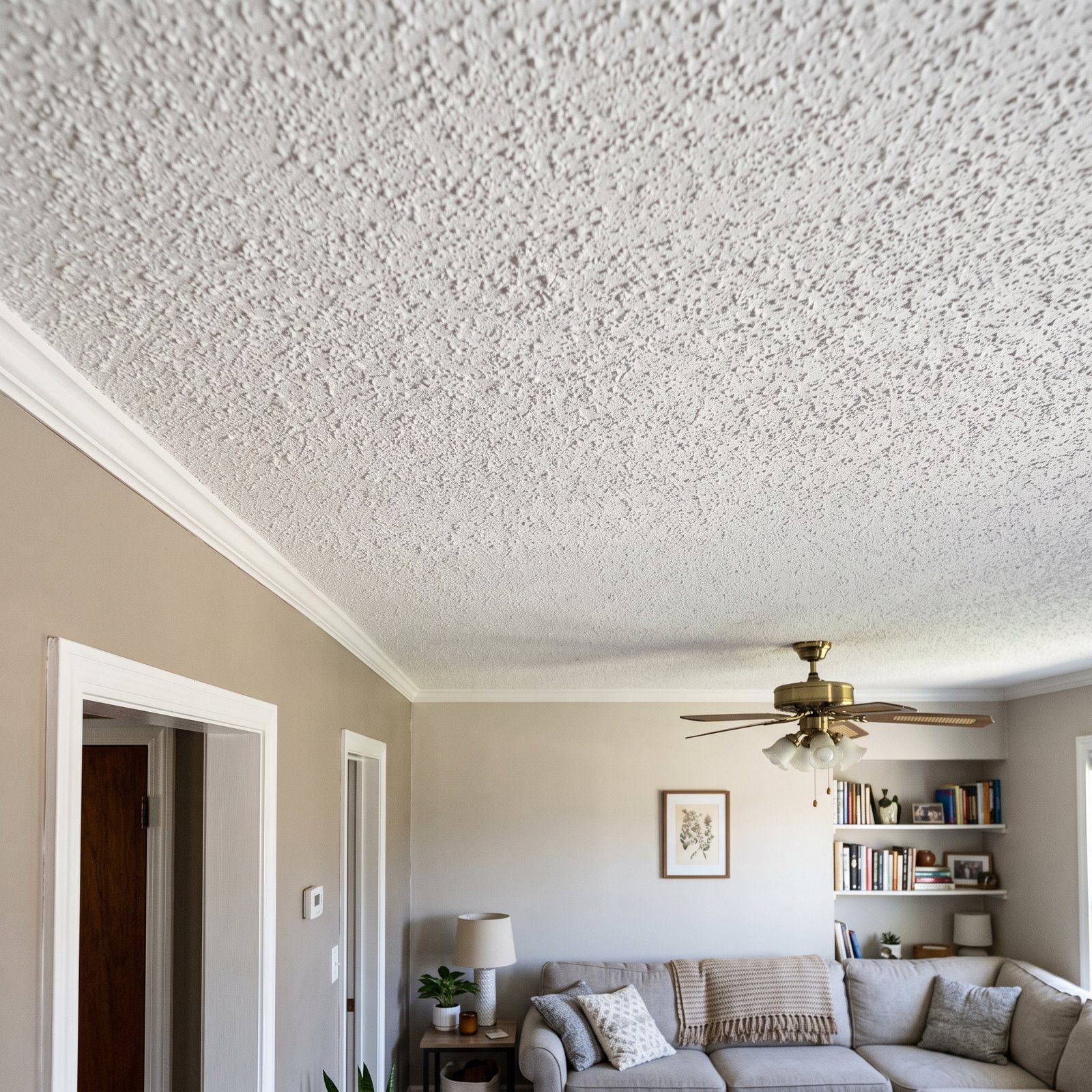
Older homes may also have asbestos-containing materials in flooring, ceiling texture, insulation, pipe wrap, siding, roofing, adhesives, or other products. If asbestos may be present, suspect materials should be evaluated before they are disturbed. Living in the home during that kind of work may not be appropriate unless the work is handled correctly and the occupied areas remain protected.
Kitchens Are Hard to Lose
Kitchen renovations are among the hardest projects to live through because the kitchen affects daily meals, dishes, coffee, snacks, storage, and family routines.
If your kitchen will be unusable, you will need a temporary plan. That might include a mini fridge, microwave, toaster oven, electric kettle, disposable dishes, pantry bins, bottled water, and a dishwashing station in a laundry room or bathroom.
You should also plan for extra takeout or prepared meals. Even with a temporary kitchen, cooking becomes more limited. Dust control also matters because food prep should not happen near construction dust.
A kitchen remodel may still be livable if the rest of the home is functional and you have a realistic setup. But if the kitchen is being renovated alongside flooring, electrical, plumbing, or HVAC work, moving out may be easier.
Bathroom Access Is Non-Negotiable
Bathroom access is another major deciding factor. If you have only one bathroom and it will be out of service, living in the home may not be practical. Even with multiple bathrooms, renovations can become difficult if water shutoffs, plumbing work, tile work, or fixture delays affect access.
Ask your contractor whether at least one working toilet, sink, and shower will remain available at all times. Also ask whether there will be days when water is shut off completely.
If the renovation affects all bathrooms, temporary relocation is usually the more realistic option.
Noise Can Disrupt Work, Sleep, and Daily Life
Construction noise can be constant. Demolition, saws, compressors, nail guns, sanding, drilling, tile removal, framing, and deliveries can make the home difficult to use during the day.
If you work from home, have small children, care for an older family member, or need quiet during the day, noise may become one of the biggest challenges. Even if the home is technically safe to occupy, it may not be comfortable.
Before the project starts, ask about daily work hours, loud phases, weekend work, and whether there will be days when noise is especially intense. It may be possible to plan remote work, schoolwork, naps, or appointments around the loudest phases.
Pets Need a Separate Safety Plan
Pets can make living through a renovation more complicated. Doors may be left open for workers, deliveries, and ventilation. Loud noises may cause stress. Dust and debris may irritate paws, noses, and eyes. Tools, nails, cords, adhesives, and open walls may create hazards.
If you stay in the home, pets should be kept away from the work zone. A closed bedroom may not be enough if workers need access or if noise causes panic. Some homeowners use a separate room, pet gates, crates, daycare, boarding, or help from family during the most disruptive phases.
Make sure contractors know there are pets in the home. Discuss which doors should remain closed and how workers should handle entry and exit.
Children Need Clear Boundaries
Renovation zones are not safe play areas. Tools, exposed nails, dust, ladders, open walls, cords, unfinished floors, and temporary barriers can be dangerous.
If children will be in the home during renovation, create clear rules and physical boundaries. The work area should be off limits. Hallways and entries used by workers should be separated from family spaces when possible.
The Consumer Product Safety Commission’s indoor air quality guide explains that indoor pollutants can come from building materials, household products, and dust, and that exposure may be more noticeable after remodeling or refurnishing a home.
For families with young children, dust control, cleaning routines, and strict separation between construction and living areas are especially important.
Utilities May Be Interrupted
Major renovations often involve temporary utility interruptions. Water, power, gas, internet, HVAC, or appliance access may be unavailable during certain phases.
A short water shutoff may be manageable. Losing power for several hours while working from home may not be. No HVAC during extreme temperatures can make the home uncomfortable or unsafe. No internet can interrupt remote work or school.
Ask your contractor which utilities may be affected, how much notice you will receive, and whether outages will be short or recurring. If utility interruptions will happen often, living elsewhere may reduce stress.
HVAC Protection Is Important
If the HVAC system runs during dusty work, it may pull dust into the return system and spread it through the house. That dust can settle in rooms far away from the renovation zone.
Depending on the project, contractors may recommend sealing vents in the work area, turning the system off during heavy dust work, using temporary filtration, or creating separate ventilation for the construction zone. EPA’s remodeling guidance specifically notes that air duct registers in the renovation area should be sealed during activities that generate a lot of dust or debris.
Ask how your HVAC system will be protected and whether filters should be changed more often during and after renovation.
Your Clean Zone Matters
If you stay in the home, you need a clean zone. This is the part of the home where construction dust, tools, materials, and worker traffic should not enter.
A clean zone may include bedrooms, one bathroom, a temporary kitchen, and a living area. It should have a separate path if possible, or at least be separated from the work zone by plastic barriers and closed doors.
The clean zone should be realistic. If workers need to pass through it daily, it is not truly clean. If dust barriers are constantly opened, dust will spread. If materials are stored nearby, the space may become crowded and stressful.
Before agreeing to live in the home, make sure the clean zone is large enough for real daily life.
Plan Around the Most Disruptive Phases
You may not need to move out for the entire renovation. Some homeowners stay during planning, light work, installation, painting, or final touches but leave during demolition, floor refinishing, asbestos or lead-related work, heavy sanding, major plumbing shutoffs, or structural phases.
This can be a good compromise. Instead of paying for temporary housing for months, you may only need to stay elsewhere for the most disruptive week or two.
Ask your contractor to identify the hardest phases in advance. Then decide whether temporary relocation during those windows makes sense.
Living at Home Can Slow the Project
Living in the home can sometimes slow the renovation. Contractors may need to set up and remove dust barriers each day, limit work hours, protect occupied spaces, coordinate around family routines, or clean more frequently.
This does not mean you should automatically move out. But it does mean you should ask whether staying in the home will affect the timeline or cost.
If speed is the priority, giving the crew full access may help the project move more efficiently.
Storage Becomes a Bigger Issue Than Expected
Major renovations often require moving furniture, décor, dishes, clothing, electronics, and personal items out of the work area. If you are staying in the home, those items may end up crowded into bedrooms, garages, hallways, or living areas.
That can make the home feel smaller and harder to use. It can also make cleaning more difficult.
Before the project begins, decide where belongings will go. You may need a storage unit, garage space, portable storage container, or temporary furniture removal.
Security and Privacy Should Be Discussed
When you live in the home during renovation, workers may be in and out daily. Doors may be unlocked during work hours. Rooms may be entered for electrical, plumbing, HVAC, or inspection access.
Talk with your contractor about who will be in the home, how access will be managed, which rooms are off limits, whether someone needs to be present, and how valuables should be protected.
Clear expectations help prevent discomfort and confusion once the project is underway.
When Moving Out Makes More Sense
Temporary relocation may be the better choice if the renovation affects most of the home, removes access to essential rooms, involves hazardous materials, creates major dust, requires long utility shutoffs, includes structural work, or makes it difficult for children, pets, or sensitive family members to stay safely.
Moving out may also make sense if you work from home, need a predictable routine, or know that noise and disruption will create too much stress.
The added cost of temporary housing may be worth it if it helps the project move faster, keeps the family safer, and reduces daily frustration.
When Staying May Work
Staying may work if the renovation is limited to one area, the work zone can be sealed off, at least one bathroom remains available, the kitchen or temporary kitchen is usable, utilities will remain mostly functional, and the household can tolerate noise and disruption.
It also helps if you have flexible schedules, no major health sensitivities, a good dust-control plan, and clear communication with the contractor.
The key is not just whether you can technically stay. It is whether staying will be safe, manageable, and realistic for the people who live there.
Questions to Ask Before Deciding
Before choosing whether to stay or move out, ask:
Which rooms will be unavailable?
Will the kitchen or bathrooms be usable?
Will water, power, HVAC, or internet be interrupted?
How will dust be contained?
Will vents and returns be sealed during dusty work?
Will any lead, asbestos, mold, or other hazardous materials be involved?
How will children and pets be kept away from the work zone?
What are the loudest phases of the project?
Will staying in the home affect the timeline?
What areas can remain clean and private?
How will daily cleanup be handled?
These questions can help you make a decision based on the actual project, not just a general idea of what renovation will be like.
Final Thoughts
You can live in your home during some major renovations, but it depends on the scope of work, safety risks, dust control, room access, utilities, household needs, and how much disruption you can tolerate. A contained project may be manageable. A whole-home renovation, kitchen-and-bath remodel, structural project, or renovation involving hazardous materials may be much harder to live through.
Before deciding, ask your contractor for a realistic plan. Find out which rooms will be usable, how dust and air quality will be managed, whether lead-safe or asbestos precautions are needed, and what parts of the project will be most disruptive.
Staying home can save money, but it should not come at the expense of safety, health, or a renovation process that becomes harder than it needs to be.