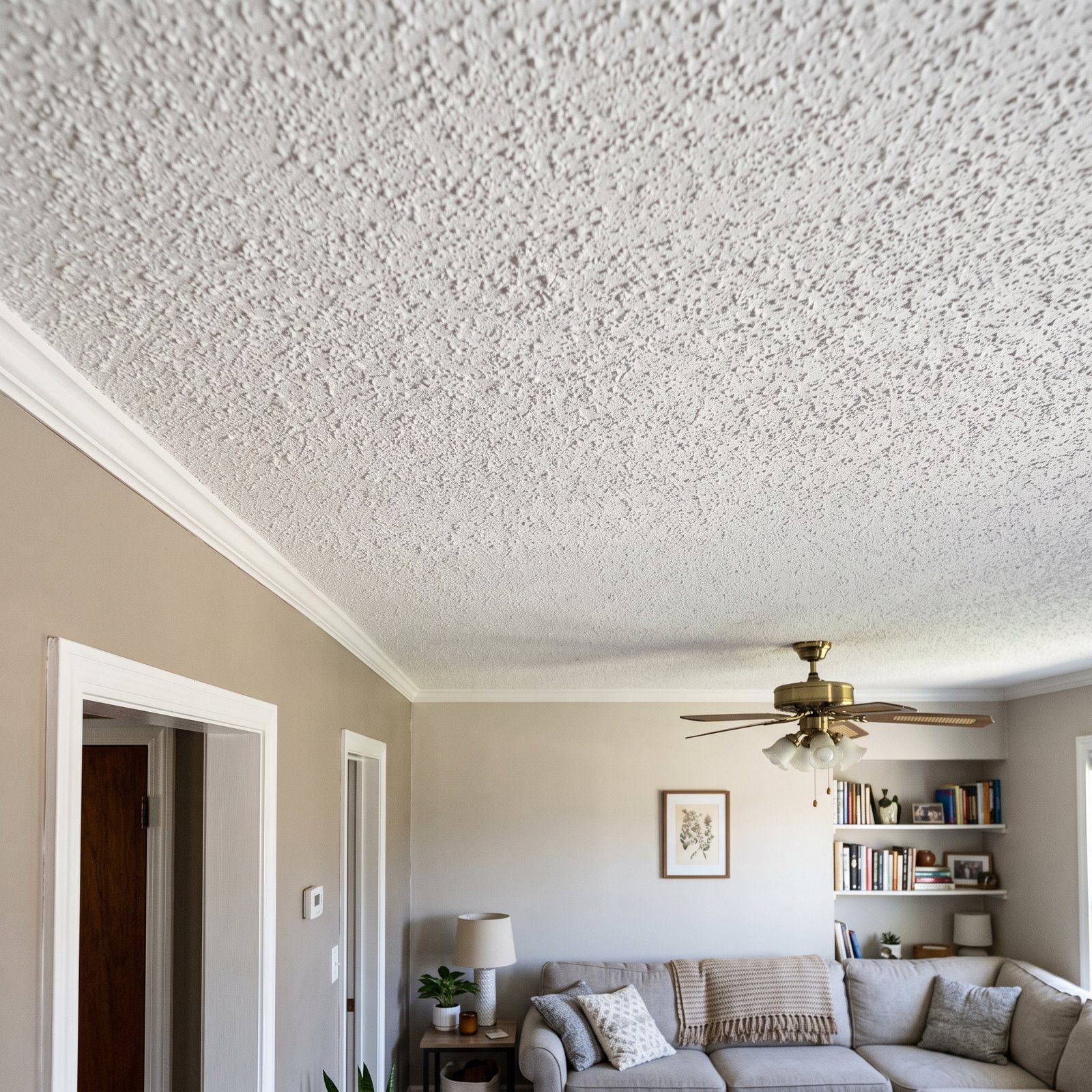
Popcorn ceilings are one of the most common features homeowners want to remove during a remodel. The textured surface can make a room feel dated, collect dust, cast shadows, and make ceiling repairs harder to blend. For many homeowners, scraping it off seems like a simple weekend project.
But before removing a popcorn ceiling, it is important to slow down. Depending on the age of the home, the ceiling texture may contain asbestos, the ceiling paint may contain lead, and the removal process can create a large amount of dust and debris. Even when hazardous materials are not present, popcorn ceiling removal can still be messy, physically demanding, and easy to damage if the ceiling underneath was not properly prepared.
Before starting, homeowners should understand when to test the ceiling, when to hire a professional, how to protect indoor air quality, and what finishing work may be needed afterward.
Why Popcorn Ceilings Were So Common
Popcorn ceilings became popular because they were inexpensive, quick to apply, and useful for hiding imperfections. The texture could cover small drywall seams, uneven areas, patch marks, and ceiling irregularities without requiring a perfectly smooth finish.
They were also used for sound dampening in some homes and apartments. The rough texture helped soften noise slightly, which made it appealing in multi-level homes and shared living spaces.
The problem is that many homeowners now prefer smooth ceilings. Smooth ceilings look cleaner, reflect light more evenly, and fit better with modern design styles. However, removing texture is not always as simple as scraping and painting.
The First Question: How Old Is the Home?
The age of the home matters because older building materials may contain substances that require special handling. If the home was built before the late 1970s or early 1980s, homeowners should be especially cautious before disturbing ceiling texture.
The U.S. Environmental Protection Agency notes that asbestos was used in a range of building materials, including textured paint and patching compounds used on walls and ceilings. EPA also says asbestos fibers can be released into the air when asbestos-containing material is disturbed during demolition, remodeling, repair, or maintenance. Learn more from the EPA’s asbestos overview.
This does not mean every popcorn ceiling contains asbestos. It means you should not assume it is safe to disturb based on appearance alone.
You Usually Cannot Tell by Looking
One of the biggest mistakes homeowners make is trying to identify asbestos visually. Unfortunately, you generally cannot tell whether a material contains asbestos just by looking at it unless it is labeled. EPA recommends testing suspect materials if they are damaged or if a renovation will disturb them. EPA explains this in its asbestos testing guidance.
This is important for popcorn ceilings because removal is a disturbance. Scraping, sanding, drilling, patching, or demolition can release dust and fibers if the material contains asbestos.
If the ceiling texture is intact and you are not disturbing it, the day-to-day risk may be different from actively scraping it off. But once removal is planned, testing becomes a much more important step.
Consider Professional Asbestos Testing
If your home is older or you are unsure when the ceiling texture was applied, consider having the ceiling tested before removal. EPA recommends that damaged suspect materials or materials that will be disturbed during renovation be sampled by a properly trained and accredited asbestos professional. EPA’s remodeling guidance explains this recommendation.
Professional testing helps prevent guesswork. If the material does not contain asbestos, you can plan the removal with standard dust control and safety measures. If it does contain asbestos, removal should be handled according to applicable rules by qualified professionals.
Homeowners should avoid scraping first and asking questions later. Once dust is released, cleanup becomes more complicated.
What If the Popcorn Ceiling Contains Asbestos?
If testing shows asbestos is present, homeowners should not treat removal like a normal DIY project. The Consumer Product Safety Commission says asbestos may be present in textured paint and patching compounds used on wall and ceiling joints, and if asbestos material is more than slightly damaged or will be disturbed by home changes, repair or removal by a professional is needed. Read the CPSC asbestos in the home guide.
In some cases, homeowners may choose to leave the material undisturbed if it is intact and not in the way of remodeling plans. In other cases, professional abatement may be necessary.
A qualified asbestos professional can explain options such as removal, encapsulation, containment, and proper disposal. The right solution depends on the material condition, project goals, local rules, and safety requirements.
Do Not Forget About Lead Paint
Asbestos is not the only concern in older homes. If the home was built before 1978, lead-based paint may also be an issue. Ceiling texture may have been painted over multiple times, and scraping or sanding can disturb old paint layers.
EPA says renovation, repair, and painting projects in pre-1978 homes can create dangerous lead dust, and the agency recommends hiring a lead-safe certified contractor trained in lead-safe work practices. EPA’s RRP consumer guidance explains this.
For contractors, the EPA’s Renovation, Repair and Painting Rule requires firms performing covered work in pre-1978 homes and child-occupied facilities to be lead-safe certified when disturbing painted surfaces. EPA’s RRP program page provides more detail.
If your popcorn ceiling has been painted and the home is older, lead-safe planning may be just as important as asbestos testing.
Popcorn Ceiling Removal Creates a Lot of Dust
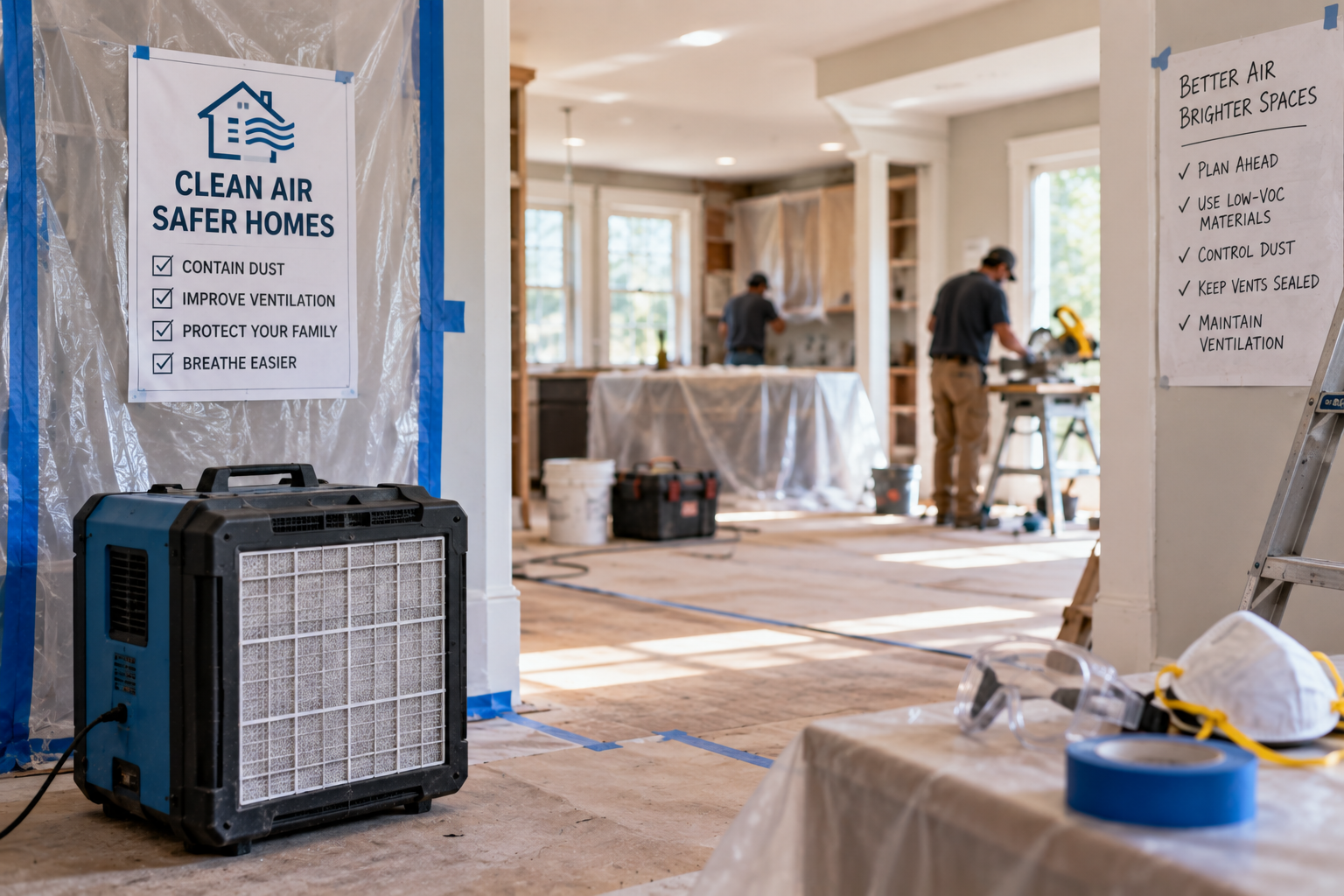
Even when asbestos and lead are not present, popcorn ceiling removal is messy. Scraping ceiling texture can release dust, paint particles, drywall compound, and debris into the room. Without proper containment, that dust can spread into HVAC returns, furniture, closets, flooring, and nearby rooms.
Before removal begins, the room usually needs to be emptied or heavily protected. Floors, walls, vents, light fixtures, and doorways may need plastic covering. HVAC systems may need to be turned off temporarily so dust does not circulate through the home.
This is especially important for households with children, older adults, people with asthma, or anyone sensitive to dust. The EPA and CPSC’s indoor air quality guidance notes that building materials and furnishings, including deteriorated asbestos-containing insulation and other materials, can affect indoor air quality. Review the CPSC indoor air quality guide.
Scraping Can Damage the Ceiling Underneath
Many homeowners assume that once the popcorn texture is gone, the ceiling will be ready for paint. That is rarely the case.
Popcorn texture often hides imperfections. Once it is removed, you may see seams, nail pops, uneven drywall, dents, old repairs, stains, or rough patches. The ceiling may need skim coating, sanding, priming, and repainting to look smooth.
This finishing work can take more time than the actual scraping. A poor finish may leave the ceiling looking uneven, especially in rooms with strong natural light. If you want a smooth modern ceiling, plan for drywall finishing as part of the project, not an afterthought.
Painted Popcorn Ceilings Are Harder to Remove
If the popcorn ceiling has never been painted, it may soften more easily with water. If it has been painted, the paint can seal the texture and make scraping more difficult. Painted popcorn ceilings often require more labor, more surface preparation, and more repairs afterward.
This is another reason testing matters. Homeowners may be tempted to sand painted texture aggressively, but sanding is exactly the type of disturbance that can create airborne dust. If hazardous materials are present, that approach can create unnecessary risk.
Water Can Help, But It Can Also Cause Problems
Some removal methods involve lightly misting the ceiling to soften the texture before scraping. However, too much water can damage drywall, loosen tape joints, stain the ceiling, or create moisture problems.
Water should be used carefully, especially if the ceiling has older drywall, prior repairs, roof leak stains, or unknown materials. If the ceiling becomes too wet, the paper face of the drywall can tear, making finishing more difficult.
If there are existing water stains on the ceiling, those should be investigated before removal. A stain could point to a roof leak, plumbing issue, HVAC condensation, or past moisture problem. Removing texture without addressing the source may leave you with a fresh ceiling that stains again later.
Think About Lighting Before Choosing a Smooth Finish
Smooth ceilings can look great, but they also reveal imperfections more easily than textured ceilings. Recessed lighting, large windows, and low-angle sunlight can highlight seams, waves, and patch marks.
If you want a very smooth ceiling, ask the contractor what level of drywall finish is included. Some projects may only include basic scraping and paint, while others include skim coating and a higher-quality finish.
This is one reason estimates can vary so much. One contractor may be pricing a quick texture removal. Another may be pricing full ceiling refinishing.
Ask What Is Included in the Estimate
Before hiring someone to remove popcorn ceilings, ask what the estimate includes. Important questions include:
Will the ceiling be tested for asbestos before work starts?
Is lead-safe work required because of the home’s age?
How will the room be contained?
Will vents, floors, and walls be protected?
Is cleanup included?
Will the ceiling be skim coated?
How many coats of primer and paint are included?
Are ceiling repairs included?
What happens if hidden damage is found?
Who handles disposal?
A clear scope of work helps prevent surprises. Popcorn ceiling removal can involve testing, containment, scraping, repairs, drywall finishing, primer, paint, and cleanup. Make sure you know which parts are included.
DIY Removal Is Not Always Worth the Risk
DIY popcorn ceiling removal may be reasonable for some newer homes where hazardous materials have been ruled out and the homeowner understands the mess involved. But it is not a project to start casually in an older home.
If the ceiling could contain asbestos, if lead paint may be present, if the texture is painted, if the room is large, or if the ceiling needs a high-end finish, hiring a professional may be the safer and more realistic choice.
EPA’s lead-safe renovation guidance for DIYers still recommends that homeowners planning work in pre-1978 homes hire lead-safe certified contractors trained in lead-safe work practices. See EPA’s DIY lead-safe renovation guidance.
Final Thoughts
Removing popcorn ceilings can make a home feel cleaner, brighter, and more updated, but the project deserves careful planning. Before scraping begins, homeowners should consider the age of the home, asbestos testing, lead paint concerns, dust control, ceiling repairs, finishing expectations, and cleanup.
The biggest mistake is assuming the texture is harmless because it looks old or because other homeowners have removed similar ceilings themselves. You cannot reliably identify asbestos by appearance, and disturbing older materials can create avoidable safety issues.
Before removing popcorn ceilings, test when appropriate, protect indoor air quality, understand the full scope of work, and bring in qualified professionals when hazardous materials may be present. A smoother ceiling is a great upgrade, but it should be done in a way that protects the home and the people living in it.