Installing solar panels can be an appealing home improvement project for homeowners interested in generating electricity on their own property. However, when a roof is already several years old, adding solar panels requires more planning than simply choosing a system and scheduling installation.
Solar panels are designed to remain in place for many years. If the roofing materials underneath them are approaching the end of their useful life, homeowners may eventually need to pay for panel removal and reinstallation to complete roof repairs or replacement.
That makes roof condition one of the most important considerations before installing a solar energy system.
Understanding how roof age, materials, structural condition, waterproofing, and solar installation methods work together can help homeowners avoid unnecessary expenses and make a better long-term decision.
Why Does Roof Age Matter Before Solar Installation?
A residential solar installation is intended to be a long-term investment.
The solar panels themselves may remain functional well beyond the point when older roofing materials need replacement.
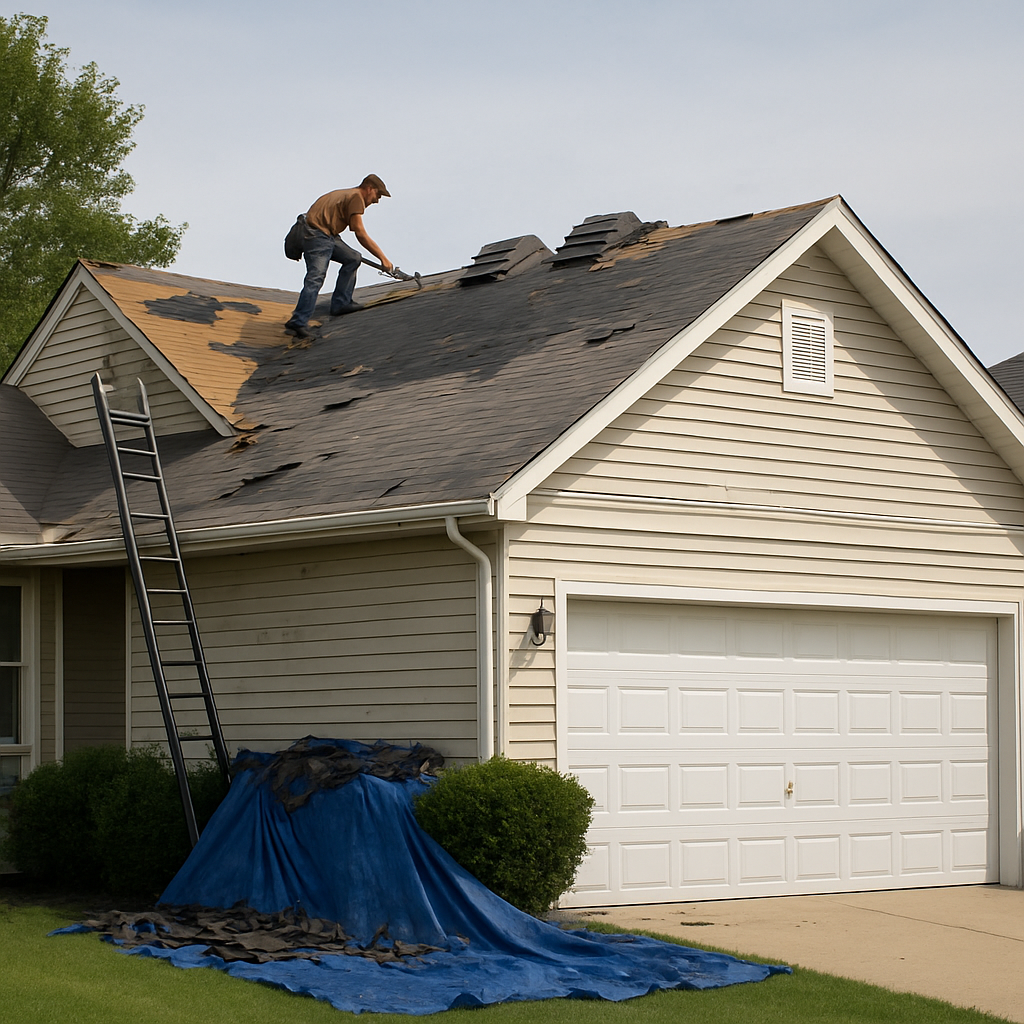
For example, an asphalt shingle roof that has already experienced significant weathering may not have enough remaining service life to justify installing solar panels over it without additional evaluation.
The issue is not simply the number of years since the roof was installed.
Roof condition depends on the roofing material, installation quality, weather exposure, ventilation, maintenance, and previous damage.
An older roof in excellent condition may be a better candidate than a younger roof with serious installation defects.
The U.S. Department of Energy recommends evaluating roof conditions before solar installation, including whether repairs are needed before the panels are installed.
Should You Get a Roof Inspection Before Installing Solar Panels?
A roof inspection is one of the most useful steps homeowners can take before making a final solar investment decision.
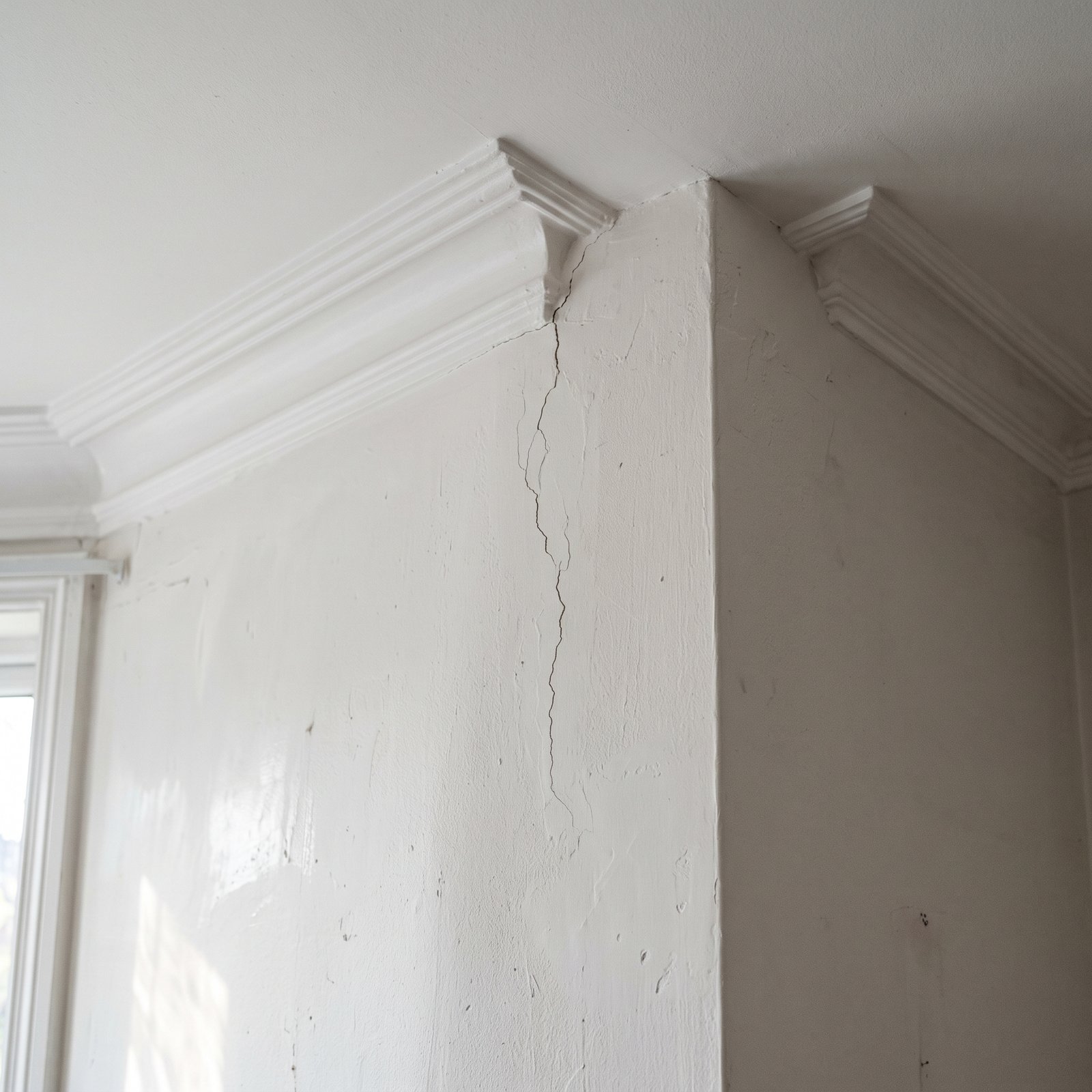
A qualified roofing professional can examine visible roofing conditions, evaluate potential trouble areas, and identify signs of deterioration.
The inspection may include checking shingles or tiles, flashing, roof penetrations, drainage systems, and accessible structural components.
On an asphalt shingle roof, the inspector might look for cracking, curling, missing shingles, exposed fasteners, or widespread granule loss.
A tile roof may require evaluation of broken tiles and the condition of the underlying waterproofing system.
The inspection should also consider whether the existing roof can accommodate the proposed solar installation method.
Does an Older Roof Have to Be Replaced Before Solar Installation?
Not necessarily.
A roof does not automatically need replacement simply because it is older.
If the existing roofing system remains in good condition and has sufficient expected service life, installing solar panels may still be reasonable.
However, replacement becomes more worth considering when the roof has widespread deterioration or is already likely to need substantial work.
Homeowners should compare the cost of replacing the roof before solar installation with the potential cost of removing and reinstalling panels later.
That comparison should include labor, electrical work, roofing access, warranties, and coordination between contractors.
Replacing a roof prematurely is not always the best financial decision, but delaying necessary work can also increase costs.
How Do Solar Panels Attach to a Roof?
Most roof-mounted solar systems require specialized mounting equipment.
Depending on the roofing material and system design, installers may use brackets, rails, anchors, or other approved attachment methods.
These components must withstand expected loads while preserving the roof’s weather resistance.
On many systems, attachments are secured through the roofing assembly to suitable structural members.
The installation must include appropriate waterproofing details around penetrations.
Poorly designed or improperly installed attachments can create opportunities for water intrusion.
Homeowners should ask the solar installer how the mounting method works with their specific roof type.
Can Solar Installation Cause Roof Leaks?
A properly designed and installed solar system should account for waterproofing.
However, roof leaks can occur if mounting penetrations are improperly sealed, flashing details are inadequate, or roofing materials are damaged during installation.
Older roofs may be particularly vulnerable if shingles or tiles are brittle.
The Department of Energy advises homeowners to clarify responsibility for roof damage or future leaks when selecting a solar installer.
This is important because roofing and solar contractors may have different warranty responsibilities.
Ask who will investigate and repair a leak if it appears after installation.
What Happens If the Roof Needs Replacement Later?
Replacing a roof beneath solar panels generally requires coordinating with a qualified solar professional.
Panels and associated equipment may need to be disconnected, removed, stored, and reinstalled.
Depending on the system, additional inspections or electrical work may be necessary.
These activities can increase the total cost of replacing the roof.
They may also create temporary interruptions in solar electricity production.
Before installation, ask for information about future panel removal and reinstallation procedures.
Understanding those requirements helps homeowners plan for the full ownership period rather than focusing only on the initial project.
Do Roofing Materials Affect Solar Installation?
Yes.
Asphalt shingles, standing-seam metal, clay tile, concrete tile, and low-slope roof membranes require different installation approaches.
Some standing-seam metal systems can accommodate specialized clamps that do not penetrate the roof covering, although compatibility depends on the system.
Tile roofing may require careful handling to avoid breakage and maintain proper waterproofing.
Low-slope installations may use attached or ballasted systems depending on structural and design requirements.
No single mounting approach works for every roofing material.
The installation should follow applicable engineering requirements and manufacturer instructions.
Is the Roof Structure Strong Enough?
Solar panels add weight to the roof and may introduce wind-related forces through their mounting system.
The existing structure must be capable of supporting the proposed installation.
A structural evaluation may be necessary, particularly for older homes, roofs with unusual framing, or structures with previous damage.
Homeowners should not assume that a roof is suitable simply because it has never shown visible sagging.
The solar contractor should explain how structural suitability will be evaluated and whether an engineer’s review is required.
Applicable building codes and permitting requirements may also affect the design.
What About Roof Orientation and Shade?
Roof orientation and sunlight exposure can influence how much electricity a solar system produces.
Trees, neighboring buildings, chimneys, dormers, and roof equipment may create shaded areas.
A roof with complicated geometry can also limit available panel placement.
Solar installers typically evaluate the usable roof area before recommending system size and layout.
Homeowners should consider whether nearby trees are likely to grow significantly or whether future roof improvements may affect panel placement.
A system should be designed around realistic site conditions rather than assuming every section receives the same sunlight.
How Should You Coordinate the Roofer and Solar Installer?
Communication between contractors can prevent misunderstandings.
If roof repairs or replacement are necessary, determine whether those projects should be completed before the solar installation begins.
Ask each contractor which work they will perform and who is responsible for inspecting the completed installation.
The roofing contractor may need to coordinate flashing details, structural repairs, or material compatibility.
The solar installer should confirm that the proposed mounting system is appropriate for the finished roof.
Written responsibilities help reduce confusion if problems develop later.
Could Solar Installation Affect Your Roof Warranty?
Potentially.
Some roofing warranties include conditions concerning penetrations, modifications, or work performed by other contractors.
Solar installation may affect coverage if it damages the roofing system or conflicts with manufacturer requirements.
Before installation, review the existing roof warranty and ask whether the proposed work requires special procedures.
Also review the solar equipment and installation warranties.
Keep copies of all written documents.
Homeowners should know who to contact if a future problem could involve both the roofing system and solar installation.
What Should You Ask Before Signing a Solar Contract?
Ask the installer:
- Has the roof been inspected for remaining service life?
- Are repairs recommended before installation?
- Is the roof structure suitable?
- How will mounting penetrations be waterproofed?
- What happens if the roof leaks afterward?
- Will the roofing warranty be affected?
- Who handles future panel removal and reinstallation?
- Are permits and inspections included?
- How will roof access be maintained?
- What work is being performed by subcontractors?
These questions can help homeowners evaluate long-term responsibilities before making a commitment.
Is It Better to Combine Roof Replacement and Solar Installation?
Sometimes combining the projects can be practical, particularly when a roof already requires replacement.
Coordinating both jobs may reduce the need for future panel removal and give the roofing and solar contractors an opportunity to plan compatible installations.
However, the projects should still be evaluated separately.
A homeowner should not replace a functional roof solely because a solar salesperson recommends it without a credible roofing assessment.
Likewise, a roof replacement should not be delayed when existing conditions require timely correction.
The best sequence depends on roof condition, budget, system design, and project feasibility.
Final Thoughts
Installing solar panels on an older roof can be a worthwhile improvement, but the condition of the roofing system should be understood before installation begins.
Roof age, material compatibility, waterproofing, structural capacity, warranties, and future maintenance access all influence the long-term outcome.
A professional roof inspection and clear coordination between contractors can help homeowners avoid costly surprises.
Before investing in solar, make sure the roof beneath the panels is ready to support the installation for years to come.