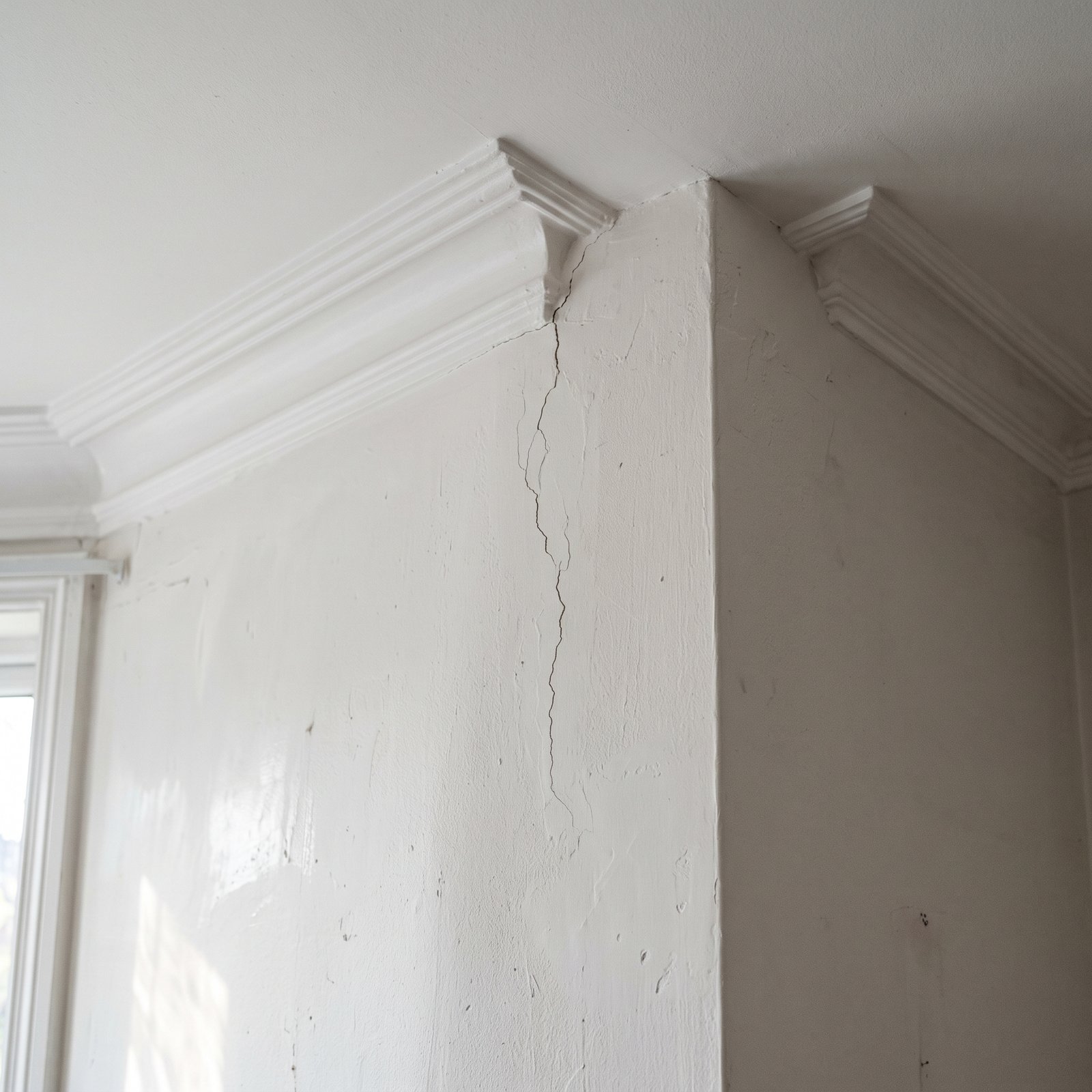

A newly remodeled shower may look beautiful, with clean tile, modern fixtures, and perfectly finished surfaces. However, the most important part of a shower installation is often hidden behind the materials homeowners can see.
That hidden system is the waterproofing assembly.
Shower walls are exposed to frequent water, humidity, and temperature changes. If the waterproofing system is incomplete, damaged, or improperly installed, moisture may enter the wall cavity.
Over time, that moisture can affect framing, insulation, drywall, and other building materials.
Understanding how shower waterproofing works and what happens when it fails can help homeowners make better remodeling decisions.
Why Shower Tile Is Not the Same as Waterproofing
One common misconception is that tile and grout automatically create a waterproof shower.
Ceramic and porcelain tiles may resist water, but grout joints and the surrounding installation are not necessarily completely waterproof.
Water may pass through certain components or reach vulnerable areas through cracks and joints.
A properly constructed shower uses an appropriate waterproofing or water-management system behind or directly beneath its finished surfaces.
The exact assembly depends on the materials and installation method.
The Tile Council of North America publishes technical guidance concerning tile installation assemblies and moisture management.
Homeowners should ask their contractor how the shower will manage water beneath the visible finish.
What Does a Shower Waterproofing System Include?
The waterproofing system may involve membranes, treated substrates, sealed joints, approved drain connections, and other components.
Some showers use sheet membranes.
Others use liquid-applied waterproofing systems or different manufacturer-approved assemblies.
The correct design depends on the wall materials, shower base, plumbing penetrations, and installation requirements.
The important consideration is continuity.
Waterproofing must work across corners, seams, transitions, and openings rather than protect only the large flat sections of a wall.
Where Do Shower Waterproofing Failures Commonly Occur?
Problem areas often include transitions between different materials.
Examples may include wall-to-floor joints, corners, niches, benches, plumbing penetrations, and areas around shower doors.
These locations can be more complicated than the middle of a flat wall.
A membrane that performs well across a large surface may still fail if an important seam or connection is incomplete.
The contractor should follow the specific waterproofing system’s instructions.
Combining unrelated products without confirming compatibility can create unnecessary risk.
Can Water Damage Develop Without a Visible Leak?
Yes.
Water can enter behind the shower surface and remain hidden for an extended period.
The wall may appear normal while moisture accumulates within the assembly.
Some homeowners first notice an issue when paint peels on the opposite side of the wall or a musty odor develops.
Other signs may include loose tiles, deteriorating baseboards, or recurring dampness.
However, these symptoms can have several causes.
A plumbing leak or condensation problem may resemble waterproofing failure.
Professional evaluation is necessary to identify the source.
What Happens to Wood Framing When It Stays Wet?
Wood framing can be affected by prolonged moisture exposure.
Depending on the conditions, moisture may contribute to fungal growth, deterioration, and reduced material performance.
The extent of damage depends on exposure duration, moisture levels, and the ability of the wall cavity to dry.
The EPA explains that moisture entering wall cavities can contribute to rot, structural damage, and premature finish failure.
Not every wet area requires complete structural replacement.
However, damaged materials should be assessed and repaired before a new shower finish is installed.
Can Failed Waterproofing Cause Mold?
Yes.
Persistent moisture can create conditions that support mold growth.
Mold may develop on susceptible building materials such as drywall paper, wood, and certain other surfaces.
The EPA recommends correcting moisture problems and drying affected materials promptly.
It also advises that porous materials with significant mold contamination may sometimes need replacement.
Simply covering affected materials with new tile or wall panels does not solve the underlying issue.
The source of moisture must be addressed.
Why Shower Niches Require Careful Waterproofing
Recessed shower niches create convenient storage, but they also introduce additional corners and transitions.
Each connection must be properly detailed.
A poorly installed niche can allow water to reach the wall cavity.
The bottom surface should also be designed to drain appropriately rather than hold standing water.
Prefabricated waterproof niches and manufacturer-approved systems may simplify installation when used correctly.
However, the quality of the final installation remains important.
What About Shower Benches?
Shower benches create another area where waterproofing must be carefully planned.
Water can collect on horizontal surfaces if they are not properly sloped.
Connections between the bench and surrounding walls also require attention.
If a bench is constructed with moisture-sensitive materials, inadequate waterproofing can lead to concealed damage.
The contractor should explain how the bench surface, joints, and support structure will be protected.
The finished bench should be designed as part of the entire shower assembly.
Can Plumbing Penetrations Become Leak Points?
Yes.
Shower controls, supply connections, and other fixtures create openings through the wall finish.
Those openings must be managed correctly.
A decorative trim plate alone should not be assumed to provide the entire waterproofing solution.
The appropriate treatment depends on the fixture and wall system.
Contractors should follow the waterproofing and plumbing manufacturers’ instructions for penetrations.
Why Caulk Does Not Replace Waterproofing
Sealant may be used at certain joints and transitions, but it is not a substitute for a properly designed waterproofing system.
Caulk can deteriorate, separate, or require maintenance over time.
If the assembly relies entirely on exposed caulk to prevent water intrusion, a small failure can create a significant problem.
Homeowners should ask whether the shower has continuous waterproofing beneath the finished surface.
Maintenance of visible joints is still important, but it should complement the underlying system.
What Are Common Warning Signs?
Possible signs of concealed shower moisture include:
- Loose or hollow-sounding tiles
- Persistent musty odors
- Soft drywall near the shower
- Peeling paint on an adjacent wall
- Dark or deteriorating baseboards
- Recurring dampness outside the enclosure
- Cracking around important transitions
- Moisture appearing beneath the shower
None of these signs individually proves waterproofing failure.
However, repeated or worsening symptoms justify investigation.
Can Waterproofing Fail Shortly After Remodeling?
Unfortunately, yes.
Improper installation can create problems even in a recently completed shower.
Possible causes include insufficient membrane coverage, poorly sealed seams, incompatible products, or inadequate preparation.
A new appearance does not guarantee that the hidden assembly was constructed correctly.
If water damage develops shortly after a remodel, contact the original contractor and review the written workmanship warranty.
Document the symptoms and avoid making unauthorized changes before the problem is evaluated.
Can You Repair Only the Damaged Area?
Sometimes a localized repair is possible.
However, the feasibility depends on the waterproofing system and the location of the defect.
Certain membrane systems require specific overlap, bonding, and continuity details.
A small visible opening may be connected to moisture damage affecting a larger area.
The contractor may need to remove tile or other finishes to assess the assembly.
Simply replacing the visibly damaged grout or caulk may not correct the underlying problem.
When Does a Shower Need to Be Rebuilt?
More extensive reconstruction may be necessary when waterproofing failures affect multiple areas or when concealed building materials have deteriorated.
For example, widespread damage behind walls or around the shower base may make isolated patching impractical.
The contractor should explain which materials are compromised and what must be replaced.
Homeowners should request documentation of hidden conditions when possible.
The objective is to restore a reliable system rather than repeatedly conceal symptoms.
How Can Homeowners Help Prevent Problems During Remodeling?
Ask about waterproofing before choosing tile colors or decorative fixtures.
Find out which system the contractor plans to install and whether it is appropriate for the shower configuration.
Discuss how corners, niches, benches, and plumbing openings will be treated.
Ask whether the shower base or receptor will be tested as required by the applicable method and local code.
Also verify that the contractor will follow manufacturer installation requirements.
These discussions can help identify important details before they become inaccessible.
Does Waterproofing Affect the Remodeling Budget?
Yes.
Proper waterproofing requires compatible materials, preparation, installation time, and attention to details.
A lower estimate may exclude important work or assume that existing substrates can be reused.
Homeowners should compare quotes carefully.
A properly designed waterproofing system can be more valuable than cosmetic upgrades that do not affect performance.
The finished shower should be built to manage water, not merely look attractive.
Final Thoughts
Waterproofing is one of the most important components of a successful shower remodel.
If it fails, moisture may enter hidden wall cavities and contribute to mold, material deterioration, and expensive repairs.
Because the waterproofing system is concealed after installation, careful planning and correct workmanship are essential.
Homeowners should ask detailed questions about membranes, seams, transitions, and water management before the shower is finished.
A durable bathroom remodel depends as much on the materials behind the walls as the surfaces everyone sees.