Introduction
As a homeowner in the US, choosing the best roof for storm protection is essential not only for safety but also for peace of mind. With severe weather events like hurricanes, tornadoes, and heavy storms becoming more frequent, securing a durable, weather-resistant roof is a smart investment. In this guide, we’ll explore the top roofing options for storm resilience, factors to consider when selecting your roof, and additional measures to protect your home.
The Importance of Storm-Resistant Roofing
Storm-resistant roofing plays a critical role in preventing significant property damage and ensuring the safety of your household. A well-chosen roof can withstand extreme winds, hail, and heavy rain, minimizing the risk of leaks and structural damage. According to the Federal Emergency Management Agency (FEMA), reinforcing your roof is a crucial step in storm preparedness, reducing the potential impact of severe weather.
Top Roofing Materials for Storm Protection
Metal Roofing
Metal roofs are praised for their durability and strength. They can withstand high winds and are less likely to deteriorate under harsh weather conditions. Metal roofing is an excellent choice for homeowners seeking long-lasting protection with minimal maintenance needs.
You can learn more about how metal compares to other materials like asphalt in our detailed comparison: Asphalt vs. Metal Roofing.
Asphalt Shingles
Asphalt shingles are a popular and cost-effective option for storm protection. Advances in shingle technology have produced impact-resistant versions, perfect for areas prone to hailstorms. The Asphalt Roofing Manufacturers Association outlines essential practices for maximizing their durability, including proper installation and maintenance.
Clay and Concrete Tiles
Known for their aesthetic appeal and durability, clay and concrete tiles are ideal for hurricane-prone regions. While they are heavy and might require additional structural support, they are excellent against strong winds and heavy rainfall.
Synthetic Roofing
Synthetic roofing materials, made from rubber, plastic, or polymer materials, offer a combination of resilience and aesthetics. Lightweight and designed to mimic natural materials, they are engineered to resist high winds and are an excellent choice for storm-prone areas.
Key Factors to Consider
Wind and Impact Resistance
Choose roofing materials with certified wind and impact resistance ratings. These certifications can provide assurance concerning their performance during extreme weather events.
Professional Installation
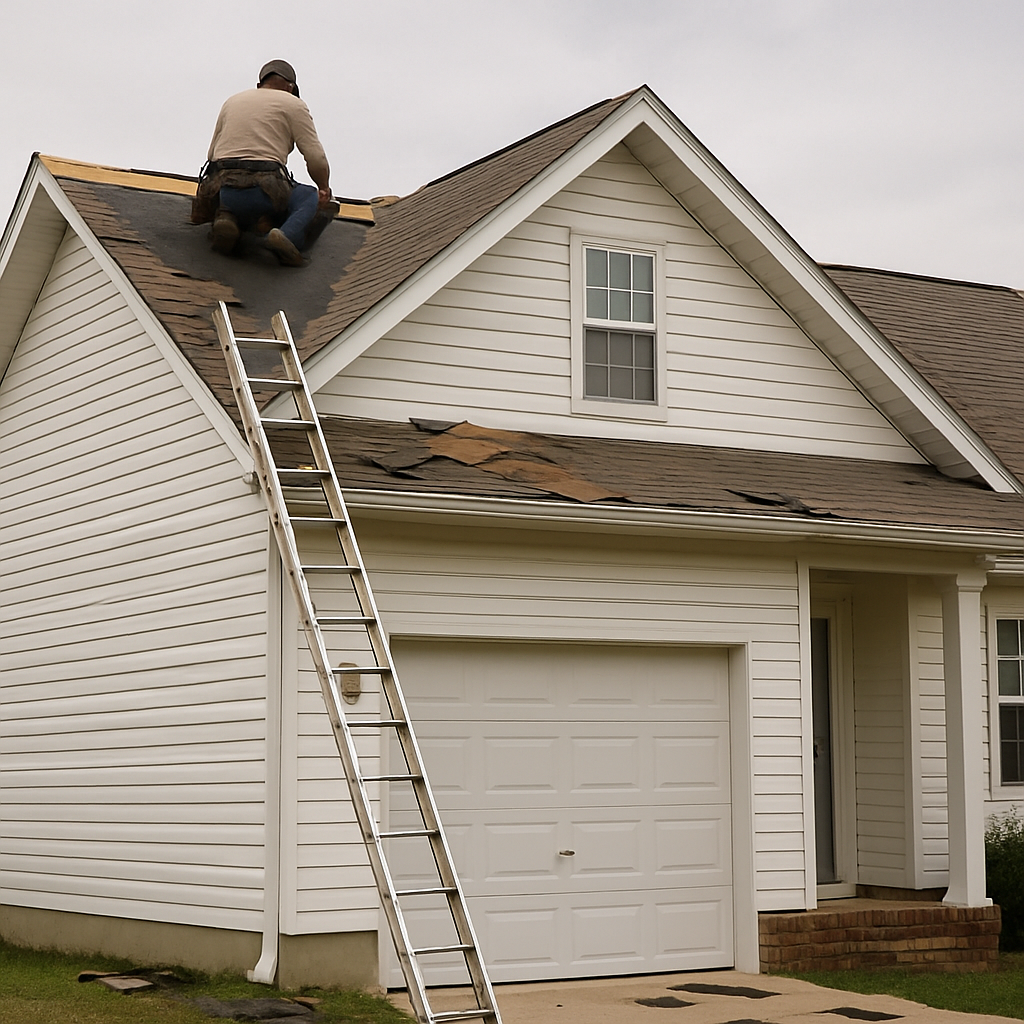
The efficiency of your storm-resistant roof depends heavily on quality installation. Ensure you hire experienced contractors who adhere to the best practices in roofing. Check out our guide to spotting and fixing common roofing problems for more insights.
Cost Considerations
While investing in storm-resistant roofing can be more expensive upfront, it often leads to significant savings by avoiding costly repairs. Get a detailed understanding of costs with our comprehensive roofing cost guide.
Additional Protective Measures
Roof Inspections and Maintenance
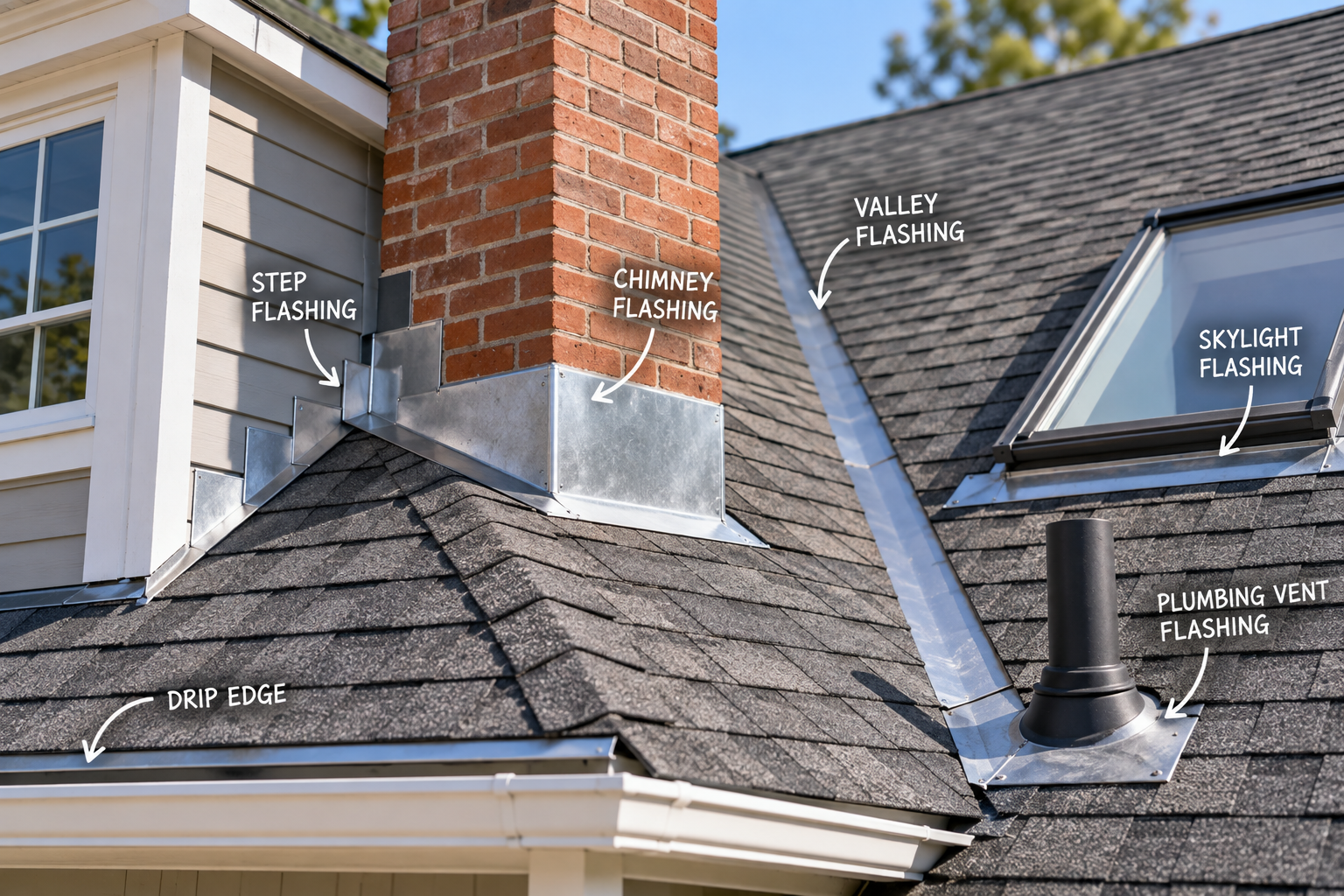
Regular inspections and maintenance play a vital role in storm readiness. Identifying weak spots before a storm hits can prevent larger issues. Visit the Department of Energy for guidance on maintaining storm-resistant roofs.
Roof Anchoring
For regions with frequent hurricanes, consider enhancing your roof’s anchoring system. Strengthening the connections between the roof and walls can significantly improve its ability to withstand strong winds.
Emergency Solutions
In disaster areas, the U.S. Army Corps of Engineers offers Operation Blue Roof, providing temporary covering for damaged roofs to protect homes while repairs are underway.
Conclusion
Protecting your home from storms starts with the right roofing choice. Evaluating materials, installation quality, and cost benefits are crucial in selecting a roof that can weather any storm. With proactive measures in place, you’ll have both confidence and protection against severe weather events. As you plan your home improvements, consider connecting with reputable contractors who can offer expert guidance.
If you’re preparing for a roofing project, don’t hesitate to explore our ultimate checklist for a successful home construction project to help you along the way.