Buying your first home is exciting, but renovating it can be overwhelming. Many first-time homeowners move in with a long list of ideas: new flooring, fresh paint, an updated kitchen, better lighting, a finished basement, a larger bathroom, or a more open layout. The problem is that renovation projects often involve more decisions, costs, timelines, and surprises than people expect.
A home renovation can absolutely improve comfort, function, and value. But without proper planning, first-time homeowners can make mistakes that lead to delays, budget problems, poor workmanship, and regrets after the project is finished.
The good news is that most renovation mistakes can be avoided with a little preparation. Before tearing out cabinets, knocking down walls, or hiring the first contractor who gives you a quote, it helps to understand where homeowners commonly go wrong.
Starting Without a Clear Plan
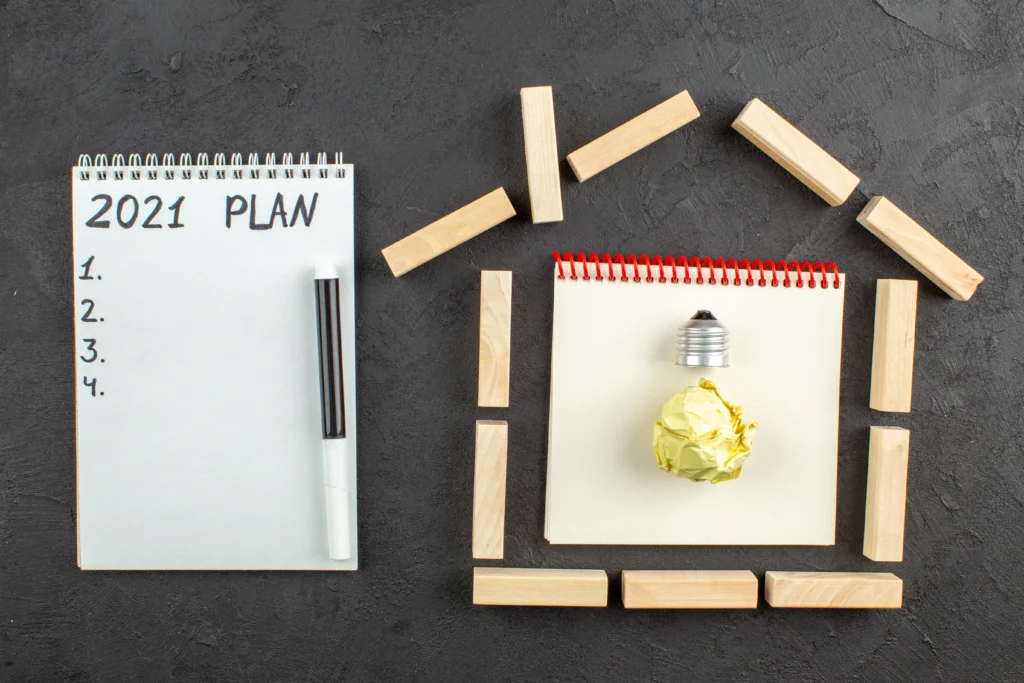
One of the biggest mistakes first-time homeowners make is starting a renovation without a clear plan. They may know they want a “better kitchen” or a “more modern bathroom,” but they have not thought through the details.
A vague goal can quickly become a messy project. What kind of layout do you want? Are you replacing cabinets or refinishing them? Will plumbing or electrical need to move? What materials do you prefer? Are you trying to improve resale value, everyday function, or personal style?
Without a plan, decisions get made in the middle of the project. That can lead to delays, rushed choices, and extra costs.
Before work begins, write down what you want to change, why you want to change it, what your priorities are, and what you are willing to compromise on. The clearer your plan is at the beginning, the smoother the renovation is likely to be.
Underestimating the Budget
Renovations often cost more than first-time homeowners expect. This is not always because a contractor is overcharging. It is often because homeowners forget about the hidden costs.
Materials, labor, permits, demolition, disposal, delivery fees, design changes, plumbing updates, electrical work, structural repairs, and unexpected damage can all affect the final price. Older homes may also reveal surprises once walls, floors, or cabinets are opened up.
A common mistake is budgeting only for the visible upgrades. For example, a bathroom remodel is not just tile, vanity, paint, and fixtures. It may also include waterproofing, subfloor repairs, plumbing updates, ventilation, electrical changes, and code-related work.
First-time homeowners should build a contingency into the budget. A renovation budget should leave room for unexpected issues so one surprise does not derail the entire project.
Choosing the Cheapest Contractor
It is natural to compare prices, especially after buying a home. But choosing the cheapest contractor is not always the best decision. A very low estimate may leave out important details, use lower-quality materials, rely on rushed labor, or fail to account for permits and proper prep work.
The cheapest quote can become expensive later if the work has to be repaired, redone, or brought up to code.
Instead of choosing based on price alone, compare the scope of work. What exactly is included? What materials are being used? Are permits included? Is cleanup included? How are changes handled? Is the contractor licensed and insured where required? Do they explain the process clearly?
A good contractor should provide more than a number. They should help you understand what you are paying for.
Ignoring Permits and Code Requirements
Permits may not be the most exciting part of a renovation, but they matter. First-time homeowners sometimes assume permits are only needed for major additions or new construction. In reality, permits may be required for electrical work, plumbing changes, structural modifications, HVAC updates, decks, additions, and certain remodeling projects.
Skipping permits can create problems later. It may affect inspections, safety, insurance, resale, and future appraisals. If unpermitted work is discovered when selling the home, the homeowner may have to correct it before closing.
Code requirements are also important because they are designed to protect safety and long-term performance. Electrical work, load-bearing walls, plumbing, stairways, decks, and ventilation all need to be handled correctly.
Before starting a renovation, ask what permits may be required and who is responsible for pulling them.
Making Changes Mid-Project
Changing your mind during a renovation can be expensive. A small decision may have a larger impact than expected. Moving a sink may require plumbing changes. Changing tile after it has been ordered may delay the schedule. Deciding to add lighting after drywall is complete may require extra labor.
These changes are often called change orders, and they can add cost and time.
Some changes are unavoidable. Once a wall is opened, the contractor may find hidden water damage, outdated wiring, or framing issues that need to be addressed. But many changes happen because homeowners did not make decisions early enough.
To avoid this, choose materials, fixtures, layouts, colors, and finishes before work begins whenever possible. If you do need to make a change, ask how it affects the timeline and budget before approving it.
Focusing Only on Appearance
It is easy to get excited about paint colors, countertops, flooring, fixtures, and finishes. Those details matter, but first-time homeowners should not focus only on appearance.
A renovation should also improve function, safety, comfort, and durability. A beautiful kitchen is frustrating if the layout does not work. A stylish bathroom can become a problem if the waterproofing is poor. New flooring may fail if the subfloor is damaged. Fresh paint will not solve moisture issues behind the wall.
Before choosing finishes, think about the systems and structure behind them. Are there plumbing issues? Is the electrical panel sufficient? Is ventilation adequate? Is there water damage? Is the floor level? Is the space properly insulated?
The best renovations look good and work well.
Removing Walls Without Understanding Structure
Open-concept layouts are popular, but removing a wall is not as simple as swinging a sledgehammer. Some walls are load-bearing, meaning they help support the structure of the home. Removing or altering them without proper planning can create serious safety issues.
Even non-load-bearing walls may contain electrical wiring, plumbing, ductwork, or other systems that need to be relocated.
First-time homeowners should never assume a wall can be removed without professional evaluation. If a layout change involves opening or removing walls, the contractor may need to evaluate structure, permits, beams, supports, and code requirements.
A more open space can be a great upgrade, but it has to be done correctly.
Measuring Incorrectly
Incorrect measurements can cause major renovation headaches. Cabinets may not fit. Appliances may block doors. Furniture may crowd the room. Flooring orders may come up short. Tile patterns may not align as planned.
First-time homeowners often measure once and assume everything is fine. But renovations require careful measurements, especially when ordering custom or semi-custom materials.
Appliances, cabinets, windows, doors, countertops, vanities, tubs, and built-ins all need accurate dimensions. It is also important to consider clearance, swing space, walkways, outlets, vents, and trim.
When in doubt, let the contractor, installer, or supplier confirm measurements before ordering expensive materials.
Ordering Materials Too Late
Material delays can slow down an entire renovation. Cabinets, tile, flooring, countertops, windows, doors, fixtures, and specialty items may have lead times. If materials are not ordered early enough, the crew may be ready to work but unable to move forward.
This is especially frustrating when a homeowner assumes everything will be available immediately.
Before the project starts, ask which materials need to be selected and ordered in advance. Confirm delivery timelines and make sure the schedule accounts for them. It is usually better to have major materials ready before demolition begins, especially for kitchens and bathrooms where delays can disrupt daily life.
Forgetting About Daily Life During the Renovation
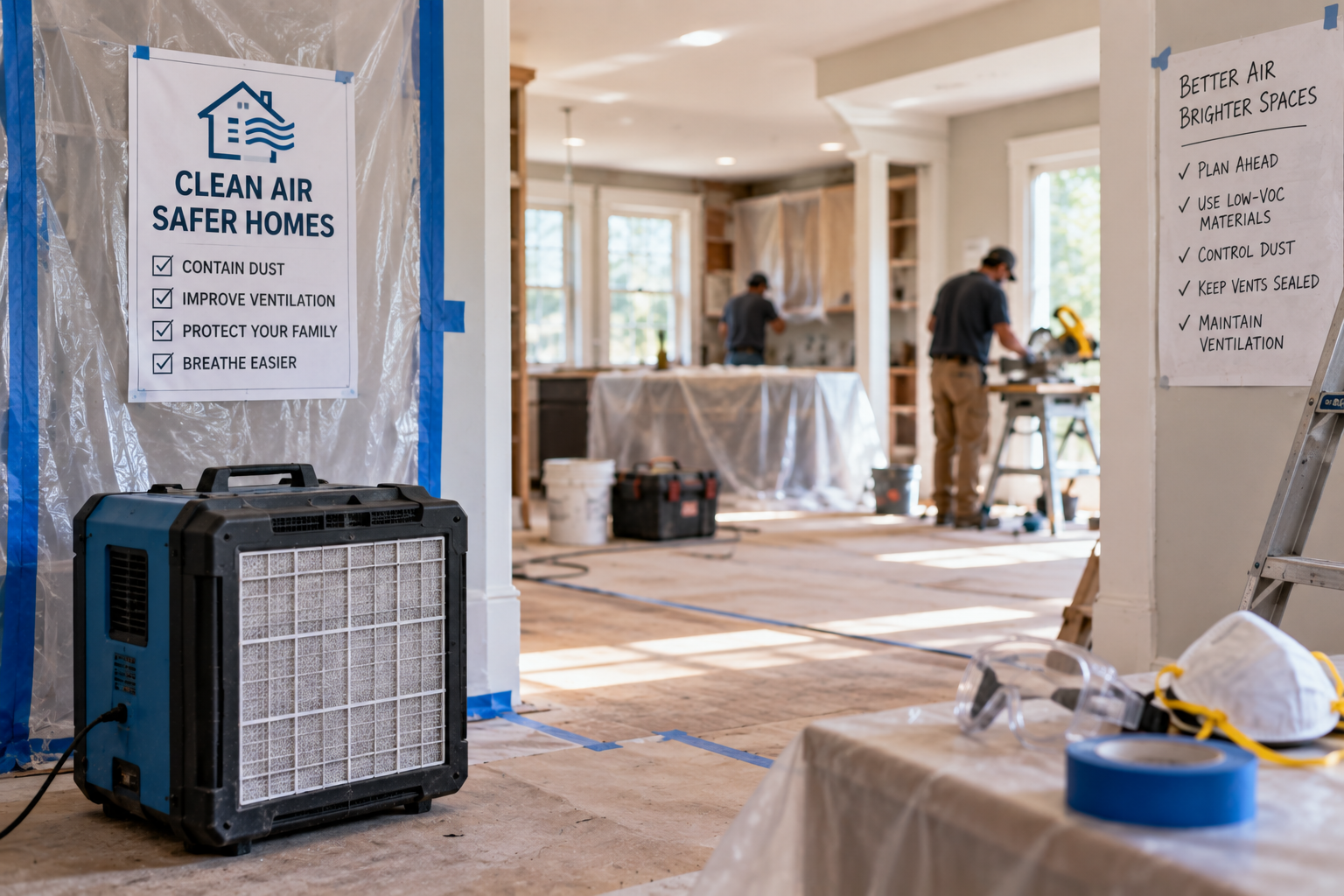
First-time homeowners often underestimate how disruptive a renovation can be. Dust, noise, tools, blocked rooms, limited access, and workers coming in and out can affect daily routines.
A kitchen remodel may mean weeks without a fully usable kitchen. A bathroom remodel may require sharing another bathroom. Flooring installation may require moving furniture. Painting may create odor and temporary room closures.
Before work begins, plan how you will live during the renovation. Set up a temporary kitchen if needed. Protect important belongings. Create a plan for pets and children. Ask when workers will arrive, how areas will be sealed off, and how cleanup will be handled.
The project will feel less stressful if you prepare for the disruption.
Ignoring Storage and Function
A renovation should make a home easier to live in, not just nicer to look at. First-time homeowners sometimes choose designs that look great online but do not fit their daily needs.
A kitchen needs storage, prep space, outlets, and good traffic flow. A bathroom needs ventilation, lighting, towel storage, and practical surfaces. A mudroom needs durable flooring and organization. A laundry room needs space to sort, fold, and store supplies.
Before finalizing a design, think about how you actually use the space. Where do items need to go? What frustrates you now? What would make daily routines easier?
Good renovation planning starts with real life, not just inspiration photos.
Not Thinking About Resale
Your home should work for you, but resale value still matters. First-time homeowners sometimes make highly personal renovation choices without considering how future buyers may view them.
Bold colors, unusual layouts, removing bedrooms, converting garages, eliminating closets, or choosing trendy finishes can limit appeal later. That does not mean every choice has to be plain or boring. It just means big renovation decisions should balance personal style with long-term flexibility.
If you plan to stay in the home for many years, personalization may matter more. If you may sell within a few years, choose improvements that appeal to a wider range of buyers.
Skipping Final Walkthrough Details
At the end of a renovation, homeowners are often eager to be done. But the final walkthrough is important. This is the time to check workmanship, finishes, fixtures, paint, caulking, hardware, outlets, doors, drawers, water flow, lighting, and cleanup.
Make a punch list of small items that need attention. Ask questions about warranties, care instructions, leftover materials, permits, inspections, and maintenance.
Do not skip this step. Small issues are easier to address before the project is fully closed.
Final Thoughts
Home renovation can be exciting, especially for first-time homeowners who finally have the chance to make a house their own. But common mistakes can turn a promising project into a stressful experience.
The biggest renovation mistakes include starting without a plan, underestimating the budget, choosing the cheapest contractor, ignoring permits, making late changes, focusing only on appearance, removing walls without structural guidance, ordering materials too late, and forgetting how the project will affect daily life.
A successful renovation starts with preparation. Know your goals, understand the scope, ask good questions, work with qualified professionals, and leave room for the unexpected. When first-time homeowners plan carefully, they are more likely to end up with a home that looks better, functions better, and supports their life for years to come.