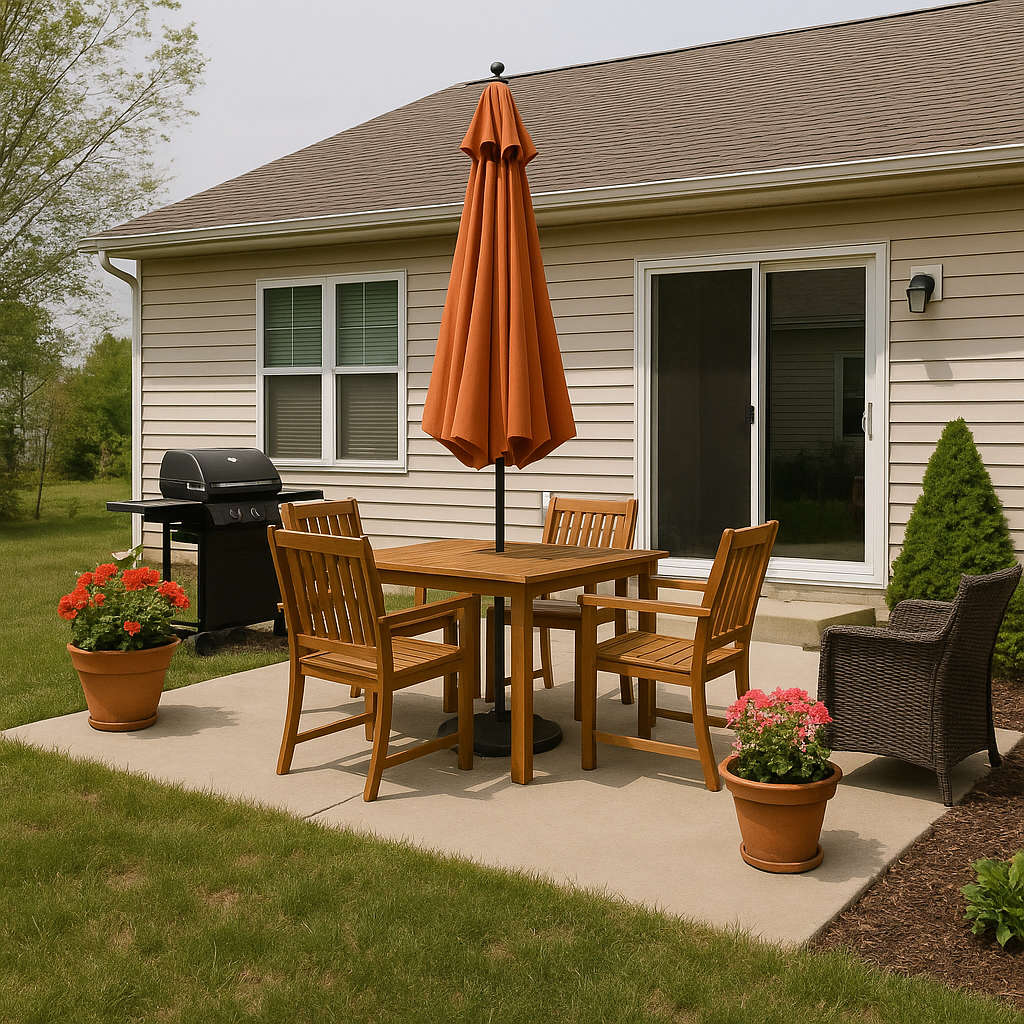
Creating a private outdoor living space is a top priority for many US homeowners who wish to enjoy their backyard without the prying eyes of neighbors. Whether your outdoor area is large or small, ensuring privacy allows for a more intimate, comfortable environment where you can relax, entertain, and spend quality time with family and friends. Learn how to transform your backyard into a secluded oasis.
1. Understanding Your Privacy Needs
Determine the Areas That Require Privacy
Start by assessing which parts of your outdoor space require privacy. Are you looking to shield a dining area, pool, or perhaps a hot tub? Understanding where you need the most seclusion will help guide your decisions on materials and design.
Consider Your Budget
Your budget will significantly influence the types of materials and solutions you can employ for privacy. Choosing the right contractor to discuss your budget can also provide you with tailored options that suit your financial needs.
2. Natural Solutions for Privacy
Hedges and Shrubs
Planting hedges or shrubs is an effective way to create a living privacy screen. Fast-growing plants like arborvitae, Leyland cypress, and bamboo can quickly provide coverage. They also add greenery and wildlife habitat to your yard.
Trees for Height and Coverage
Tall trees can offer privacy and shade. Consider varieties such as oak, maple, or pine, which can reach significant heights. When planting trees, ensure they are spaced adequately and have enough room to grow.
3. Structural Solutions for Privacy
Fencing Options
A well-designed fence not only provides privacy but can also enhance the style of your outdoor space. Material options include wood, vinyl, and metal, each offering different aesthetics and levels of maintenance. A wood fence can be stained to match your outdoor decor, while vinyl offers durability with minimal upkeep.
Privacy Screens and Panels
Install privacy screens or panels to define specific areas within your yard. These can be permanent or movable depending on your needs. Materials like bamboo, wrought iron, or latticework offer unique ways to add seclusion.
Creating a backyard oasis is about combining aesthetics with functionality, ensuring both privacy and comfort.
4. Creative Design Elements
Pergolas and Gazebos
Incorporate structures like pergolas or gazebos to expand your outdoor living space. They can be equipped with curtains or drapes for a more private feel while also providing shelter from the elements.
Vertical Gardens and Green Walls
A vertical garden or green wall can serve as a natural screen, enhancing privacy while adding a lush, natural look to your space. These are great options for smaller yards where horizontal space is limited.
5. Enhancing Your Privacy with Sound
Fountains and Water Features
Noise can be another intrusion on privacy. Installing a fountain or water feature adds a tranquil sound to your outdoor area, masking sounds from neighbors or street traffic.
Outdoor Speakers for Ambiance
Adding outdoor speakers allows you to play music or ambient sounds, further drowning out unwanted noise and enhancing mood.
6. Lighting Considerations for Privacy
Strategic Lighting
Place lighting thoughtfully to enhance privacy. Soft, well-positioned lights can illuminate pathways and seating areas without exposing your entire yard. Solar lights or low-voltage LED options can be both effective and energy-efficient.
Security Lighting
While keeping your space private, ensure it’s also secure. Motion-activated lights can deter unwanted visitors without compromising the ambiance of your outdoor area.
Conclusion: Making Your Outdoor Space a True Retreat
Privacy is a crucial element of a tranquil outdoor living space. By assessing your needs and exploring both natural and structural solutions, you can create an inviting oasis that offers seclusion and beauty. Whether you’re planting trees or installing new fencing, consider your budget, style, and the level of upkeep you’re comfortable with.
Start enhancing your outdoor privacy today by consulting with a professional. Visit our blog for more tips on outdoor living and home improvement projects that cater to your precise needs.