Choosing the right roofing contractor is one of the most important decisions a homeowner can make. A roof protects the entire house, including the structure, insulation, electrical systems, ceilings, walls, belongings, and everyone inside. When roofing work is done well, it can last for years and help prevent leaks, storm damage, ventilation problems, and costly repairs. When it is done poorly, the problems can show up quickly and become expensive.
Roofing is not the type of project where the cheapest bid should automatically win. A low price may seem attractive, but poor installation, weak materials, missing permits, bad flashing, inadequate ventilation, or unclear warranties can cost far more later. The right roofing contractor should be experienced, properly insured, transparent, communicative, and willing to explain the work before asking you to sign anything.
Whether you need roof repair, roof replacement, storm damage repairs, or a roof inspection, here is how to choose a roofing contractor with confidence.
Start With Roofing Experience
Not every contractor is a roofing specialist. Some general contractors, handymen, or exterior companies may offer roofing as one of many services. For small repairs, that may seem convenient, but roofing requires specific knowledge. A good roofing contractor understands roof materials, underlayment, flashing, ventilation, drainage, roof decking, penetrations, valleys, slopes, and local weather conditions.
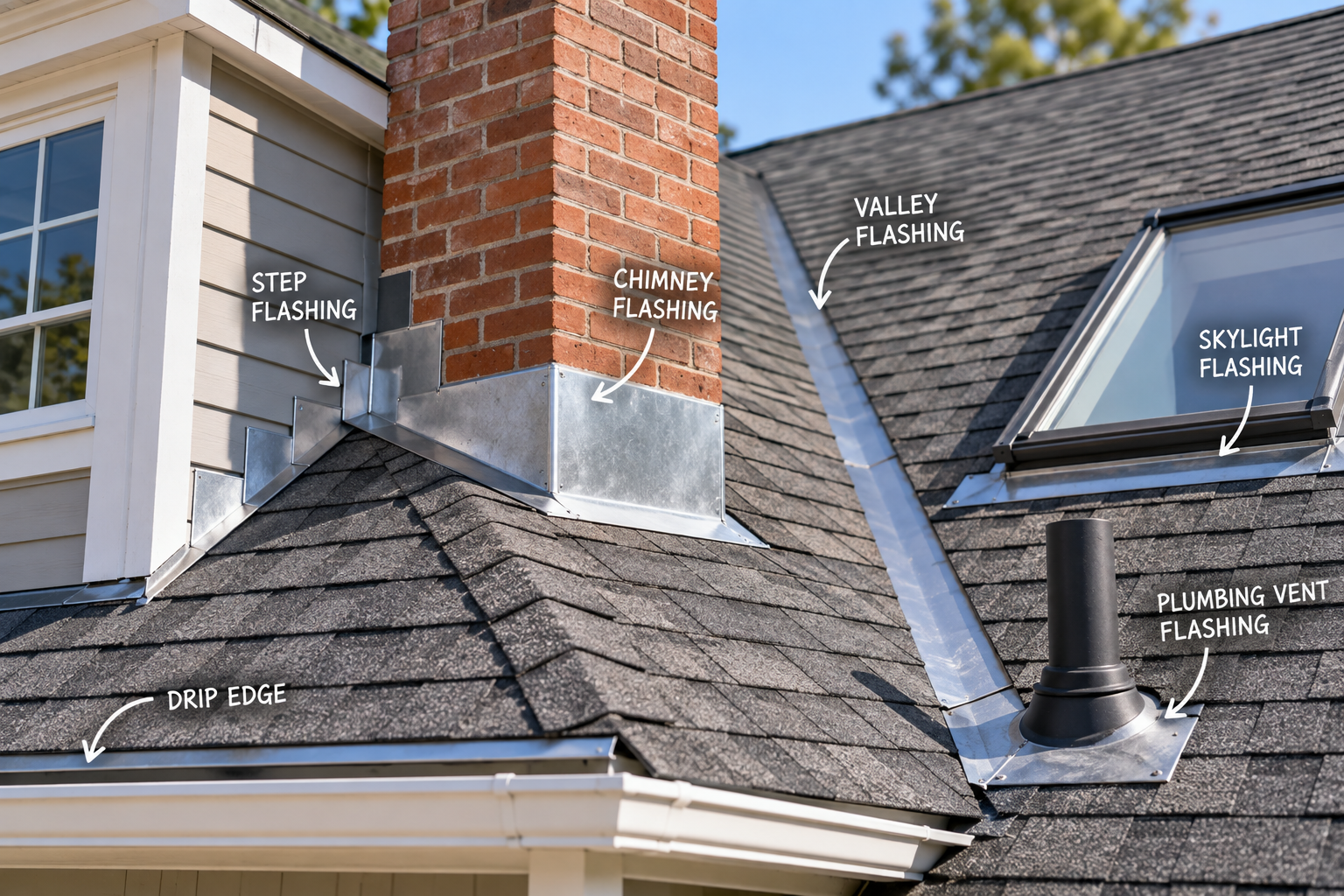
Experience matters because many roof problems are not obvious from the ground. A leak may appear in one room but begin several feet away. Missing shingles may be easy to see, but poor flashing around a chimney or vent may be harder to identify. A contractor who understands roofing systems can diagnose problems more accurately.
Ask how long the contractor has been doing roofing work and whether they regularly handle the type of project you need. Roof repair, full replacement, flat roofing, metal roofing, tile roofing, and storm restoration may require different skills.
Check Licensing and Insurance
Before hiring any roofing contractor, ask about licensing and insurance. Requirements vary by state and local area, but the contractor should be able to explain what credentials are required and provide proof when applicable.
Insurance is especially important. Roofing is physically dangerous, and accidents can happen. A contractor should carry general liability insurance and workers’ compensation coverage. General liability helps protect against property damage. Workers’ compensation helps protect you if a worker is injured on your property.
Do not rely on verbal claims. Ask for current proof of insurance. A reputable contractor should not hesitate to provide it. If a contractor avoids the question, gives vague answers, or says insurance is unnecessary, that is a major red flag.
Look for Local Reputation
A local roofing contractor with a strong reputation is often a safer choice than an unknown company that appears after a storm. Local contractors are more familiar with regional weather, common roofing problems, permit requirements, and building practices. They also have a reputation to protect in the community.
Check online reviews, but read them carefully. Do not look only at the star rating. Pay attention to what customers say about communication, cleanup, timeliness, pricing, problem-solving, and whether the roof held up after the work was completed.
Ask neighbors, friends, family members, or local community groups for recommendations. If a contractor has completed roofing projects nearby, you may be able to see examples of their work.
Be cautious with contractors who have no local presence, no verifiable address, limited reviews, or a history of changing business names.
Ask for a Detailed Roof Inspection
A good roofing contractor should inspect the roof before giving a serious estimate. For repairs, they should look for the source of the problem rather than simply patching the most visible damage. For replacement, they should evaluate shingles or roofing material, flashing, roof decking, ventilation, gutters, valleys, penetrations, and signs of leaks.
A thorough inspection may include attic ventilation and moisture concerns as well. Roof performance depends on more than the surface material. Poor ventilation can shorten roof life, trap heat and moisture, and contribute to future problems.
After the inspection, the contractor should explain what they found in clear language. Photos can be helpful, especially if the homeowner cannot safely see the damage. Be cautious if a contractor recommends replacement without explaining why, or if they pressure you before providing details.
Compare Written Estimates
Always get written estimates before choosing a roofing contractor. A roofing estimate should include more than a final price. It should explain the scope of work, roofing materials, underlayment, flashing, ventilation work, tear-off, disposal, labor, permits if applicable, warranties, and cleanup.
A vague estimate like “replace roof” with one total number is not enough. You need to know what is included and what is excluded. For example, does the estimate include replacing damaged decking? If decking is extra, how is it priced? Does it include drip edge, pipe boots, chimney flashing, ridge vents, ice and water shield, or new vents? Will the old roof be removed or covered over?
Comparing estimates is only useful when the scope is similar. One bid may be lower because it leaves out important components. Another may be higher because it includes better materials and a more complete installation.
Do Not Choose Based on Price Alone
Price matters, but it should not be the only factor. The cheapest roofing contractor may use lower-quality materials, rush the installation, skip important details, or rely on vague change orders later. A roof is too important to treat as a bargain-only purchase.
Instead of asking which bid is cheapest, ask which bid offers the best value. Consider the contractor’s experience, reputation, communication, materials, warranty, scope, insurance, and professionalism.
A slightly higher estimate may save money over time if it includes better installation, stronger materials, proper ventilation, and fewer future problems. On the other hand, the most expensive estimate is not automatically the best. The goal is to choose the contractor who provides the clearest plan and the most confidence.
Understand the Materials Being Used
Roofing materials vary widely. Asphalt shingles, metal roofing, tile roofing, flat roofing membranes, underlayment, flashing, fasteners, sealants, and ventilation products all affect performance.
Ask the contractor what materials they recommend and why. If they suggest asphalt shingles, ask about brand, style, warranty, wind rating, and expected lifespan. If they recommend metal roofing, ask about panel type, gauge, coating, fasteners, and installation method. If the project involves flat roofing, ask about membrane type, drainage, seams, and maintenance.
A good contractor should be able to explain the difference between material options without pushing unnecessary upgrades. They should also explain how the material fits your climate, roof slope, home style, and budget.
Pay Attention to Communication
Communication before the project starts is often a preview of what the project will be like. Does the contractor return calls? Do they answer questions clearly? Do they show up on time? Do they provide written information? Do they explain the process without rushing you?
Roofing projects can involve noise, debris, weather delays, material deliveries, permits, inspections, and unexpected repairs. Good communication helps the project run more smoothly.
If a contractor is hard to reach before you sign, they may be even harder to reach after they have your deposit. Choose someone who communicates professionally from the beginning.
Review the Warranty Carefully
Roofing warranties can be confusing because there may be more than one type. Manufacturer warranties cover materials. Workmanship warranties cover installation. A strong roofing project should include both.
Ask what the warranty covers, how long it lasts, what voids it, and how warranty claims are handled. A long material warranty may not help if the roof was installed incorrectly. Workmanship coverage is important because installation details often determine how well the roof performs.
Make sure warranty information is provided in writing. Verbal promises are not enough.
Ask About Cleanup and Property Protection
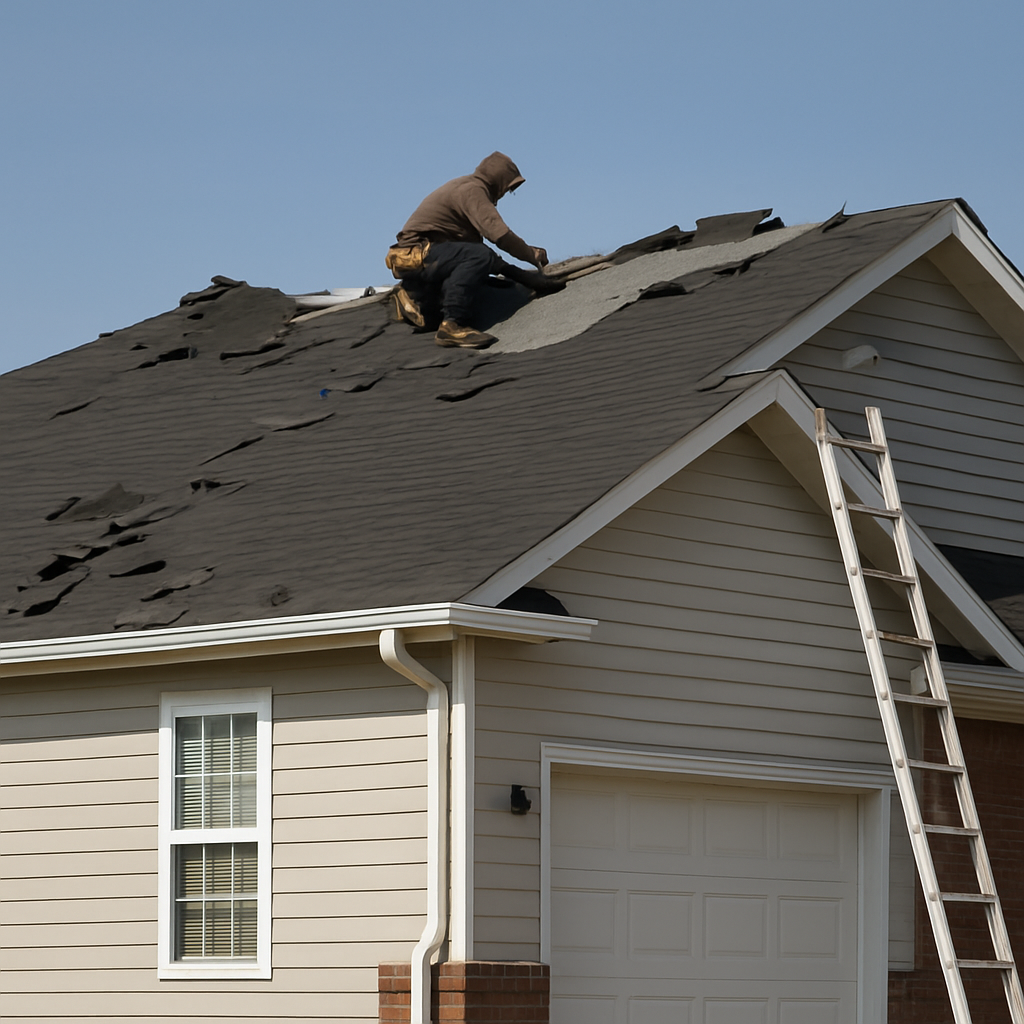
Roofing is messy work. Old shingles, nails, flashing, underlayment, packaging, and debris can end up around the property if cleanup is not handled carefully. A professional roofing contractor should explain how they protect landscaping, siding, gutters, driveways, decks, and outdoor belongings.
Ask whether they use tarps, magnetic nail sweepers, dump trailers, or other cleanup methods. Ask where materials will be delivered and where debris will be placed. If you have pets, children, vehicles, or delicate landscaping, discuss those concerns before the project begins.
A good contractor does not only install the roof. They also respect the property.
Watch for Red Flags
Some warning signs should make homeowners cautious. These include high-pressure sales tactics, door-to-door storm chasing, no written estimate, no proof of insurance, unusually large upfront payment demands, vague material details, poor communication, no local references, and promises that sound too good to be true.
Be especially careful after major storms. Some out-of-town contractors follow storm damage areas, collect deposits, complete rushed work, and leave before warranty issues appear. Not every door-to-door contractor is dishonest, but homeowners should verify credentials carefully.
Trust your instincts. If a contractor makes you uncomfortable or refuses to answer reasonable questions, keep looking.
Final Thoughts
Choosing the right roofing contractor takes more than comparing prices. Homeowners should look for experience, licensing, insurance, local reputation, detailed inspections, clear written estimates, quality materials, strong communication, and written warranties.
A roof is a major investment and one of the most important protective systems on your home. The right contractor will explain the work, answer your questions, document the scope, protect your property, and install the roof with care.
Taking time to choose wisely can help you avoid leaks, poor workmanship, surprise costs, and long-term roofing problems.