Your HVAC system is one of the hardest-working systems in your home. It keeps your house warm in the winter, cool in the summer, and comfortable through changing seasons. When it is working well, you may barely think about it. But when the system starts struggling, the signs can affect your comfort, energy bills, indoor air quality, and peace of mind.
Replacing an HVAC system is a major investment, so most homeowners do not want to do it too early. At the same time, waiting too long can lead to repeated repairs, high utility bills, poor performance, emergency breakdowns, and uncomfortable indoor temperatures.
The key is knowing the difference between a system that needs routine maintenance, a system that needs a repair, and a system that is nearing the end of its useful life. While only a qualified HVAC professional can evaluate your specific equipment, homeowners can watch for several warning signs that replacement may be the smarter long-term choice.
Here is how to know when it may be time to replace your HVAC system.
Your HVAC System Is Getting Older
Age is one of the biggest factors in deciding whether to repair or replace HVAC equipment. Different systems have different lifespans, and actual performance depends on installation quality, maintenance, usage, climate, and equipment type. Still, if your furnace, air conditioner, or heat pump is getting older and having performance issues, replacement should at least be part of the conversation.
An older system may still run, but that does not always mean it is running efficiently. As components wear down, the system may use more energy, cool or heat less evenly, and require more frequent service.
ENERGY STAR’s guide on when it may be time to replace heating and cooling equipment lists several warning signs homeowners should watch for, including uneven temperatures, excessive dust, noisy operation, and higher-than-average energy use.
If your system is older and showing several symptoms at once, replacement may be more practical than continuing to invest in repairs.
Your Energy Bills Keep Increasing
Rising energy bills are one of the most common signs that an HVAC system is losing efficiency. If your electricity or gas bills are increasing even though your habits have not changed, your HVAC system may be working harder than it should.
Older equipment, dirty components, failing parts, leaky ductwork, poor insulation, and improper system sizing can all contribute to higher energy use. Sometimes the issue can be fixed with maintenance or repairs. Other times, the system is simply no longer efficient enough to keep up with the home’s needs.
Before replacing the system, it is smart to look at the full picture. A home with air leaks, poor attic insulation, or leaky ducts may still waste energy even with new equipment. ENERGY STAR’s information on sealing and insulating your home explains how insulation and air sealing work together with heating and cooling systems to improve comfort and efficiency.
If your HVAC system is aging and your bills are rising year after year, replacement may help reduce wasted energy, especially when paired with proper insulation, air sealing, and duct improvements.
Repairs Are Becoming More Frequent
Every HVAC system needs occasional service. A worn capacitor, clogged drain line, dirty coil, failed ignitor, or thermostat issue may be repairable. But when repairs become frequent, replacement may make more financial sense.
If you are calling for service multiple times a year, replacing major parts, or worrying about the next breakdown, the system may be nearing the end of its life. Repair costs can add up quickly, especially if the equipment is older and replacement parts are harder to find.
A helpful question is: how much are you spending to keep the system running, and how long do you expect those repairs to last? If a repair is minor and the system is otherwise healthy, fixing it may be reasonable. If the repair is expensive and the system is old, that money may be better put toward new equipment.
A contractor should explain the repair cost, the age of the system, the condition of major components, and the likelihood of future problems before you decide.
Your Home Has Uneven Temperatures
Uneven temperatures can be frustrating. One room is too hot, another is too cold, and the thermostat never seems to reflect how the whole house feels. This can happen for several reasons, including duct problems, poor insulation, air leaks, equipment sizing issues, blocked vents, or aging HVAC equipment.
If your system used to keep the home comfortable but now struggles to maintain even temperatures, it may be losing capacity or operating inefficiently. ENERGY STAR notes that if some rooms are too hot or too cold, possible causes include improper equipment operation, duct problems, or inadequate insulation.
Replacement is not always the first step. A technician may need to check the ductwork, airflow, thermostat, refrigerant level, filter, and insulation before recommending new equipment. But if the system is old and cannot keep up even after repairs, replacement may be the better long-term solution.
The System Runs Constantly
An HVAC system should not have to run nonstop to maintain a normal indoor temperature. If your air conditioner runs continuously in summer or your heating system runs constantly in winter, the system may be struggling.
Constant operation can be caused by undersized equipment, dirty coils, low refrigerant, poor insulation, duct leaks, thermostat problems, or worn components. It can also happen when a system is simply too old to perform well.
A system that runs constantly may increase energy bills and wear down faster. It may also still fail to keep the home comfortable.
If maintenance does not solve the issue and the system is older, replacement may be worth considering. Newer systems may offer better efficiency, variable-speed operation, and improved comfort when properly sized and installed.
The System Cycles On and Off Too Often
Short cycling happens when an HVAC system turns on and off too frequently. This can be hard on equipment and may prevent the home from reaching a comfortable temperature.
Short cycling can be caused by thermostat issues, clogged filters, airflow restrictions, refrigerant problems, oversized equipment, electrical issues, or failing components. It should always be evaluated by a professional because the cause matters.
If the problem is related to improper sizing or an aging system, replacement may be the best solution. Oversized systems can cool or heat too quickly without properly managing humidity or comfort, while older systems may short cycle because components are failing.
Your HVAC System Makes Unusual Noises
All HVAC systems make some sound, but new or unusual noises should not be ignored. Grinding, banging, rattling, buzzing, squealing, clicking, or loud humming can point to mechanical problems.
Some noises may be simple repair issues. A loose panel, worn belt, failing motor, debris in the outdoor unit, or damaged fan component may be fixable. But if an older system is becoming increasingly noisy, it may be a sign of broader wear.
ENERGY STAR lists noisy heating or cooling equipment as one possible sign that replacement may be needed, especially when combined with other performance problems.
If your system sounds different than it used to, schedule an inspection. Catching a problem early may prevent a breakdown. If the system is old and multiple components are wearing out, replacement may be more practical.
Your Indoor Air Quality Feels Worse
Your HVAC system affects more than temperature. It also influences airflow, filtration, humidity, ventilation, and overall indoor comfort. If your home feels dusty, stale, humid, dry, or musty, your HVAC system may be part of the issue.
The EPA’s indoor air quality resources explain that ventilation, filtration, and source control all play roles in healthier indoor air. HVAC filters and ventilation strategies can support indoor air quality, but they must be properly selected and maintained.
An older HVAC system may struggle with humidity control, filtration, or consistent airflow. Leaky ducts can also pull dust, insulation particles, or air from attics, crawl spaces, and basements into the home.
Replacement may not solve every indoor air quality issue by itself. Moisture problems, ventilation, filtration, duct sealing, and source control may also need attention. However, if the system is old and no longer managing humidity or airflow well, upgrading may help.
Humidity Is Hard to Control
Comfort is not only about temperature. Humidity matters too. In summer, a properly functioning cooling system helps remove moisture from indoor air. If your home feels sticky, damp, or humid even when the air conditioner is running, the system may not be doing its job well.
High indoor humidity can be caused by oversized equipment, short cycling, poor ventilation, duct problems, or equipment that is not performing properly. It can also contribute to musty odors and moisture concerns.
The EPA’s Care for Your Air guide discusses the importance of managing indoor air pollutants and moisture. If humidity problems persist, homeowners should look beyond temperature settings and consider the HVAC system, ventilation, and moisture sources.
If the system is older and cannot manage humidity effectively, replacement may improve comfort when paired with proper sizing and installation.
Your System Uses Outdated Technology
Older HVAC systems may lack features that improve comfort and efficiency. Newer systems may offer higher efficiency ratings, variable-speed motors, smart thermostat compatibility, improved humidity control, quieter operation, and better performance when properly installed.
If your current system is inefficient, unreliable, or expensive to operate, upgrading may provide benefits beyond simply heating and cooling. For example, ENERGY STAR explains that heat pumps can provide both heating and cooling, and modern heat pumps can be an efficient option for many homes.
ENERGY STAR’s page on clean heating and cooling explains that heat pumps can operate as central air conditioners in summer and provide efficient heating in winter. Whether a heat pump, furnace, air conditioner, or dual-fuel system is right for your home depends on climate, energy costs, existing systems, and household needs.
Your System Still Uses Older Refrigerant
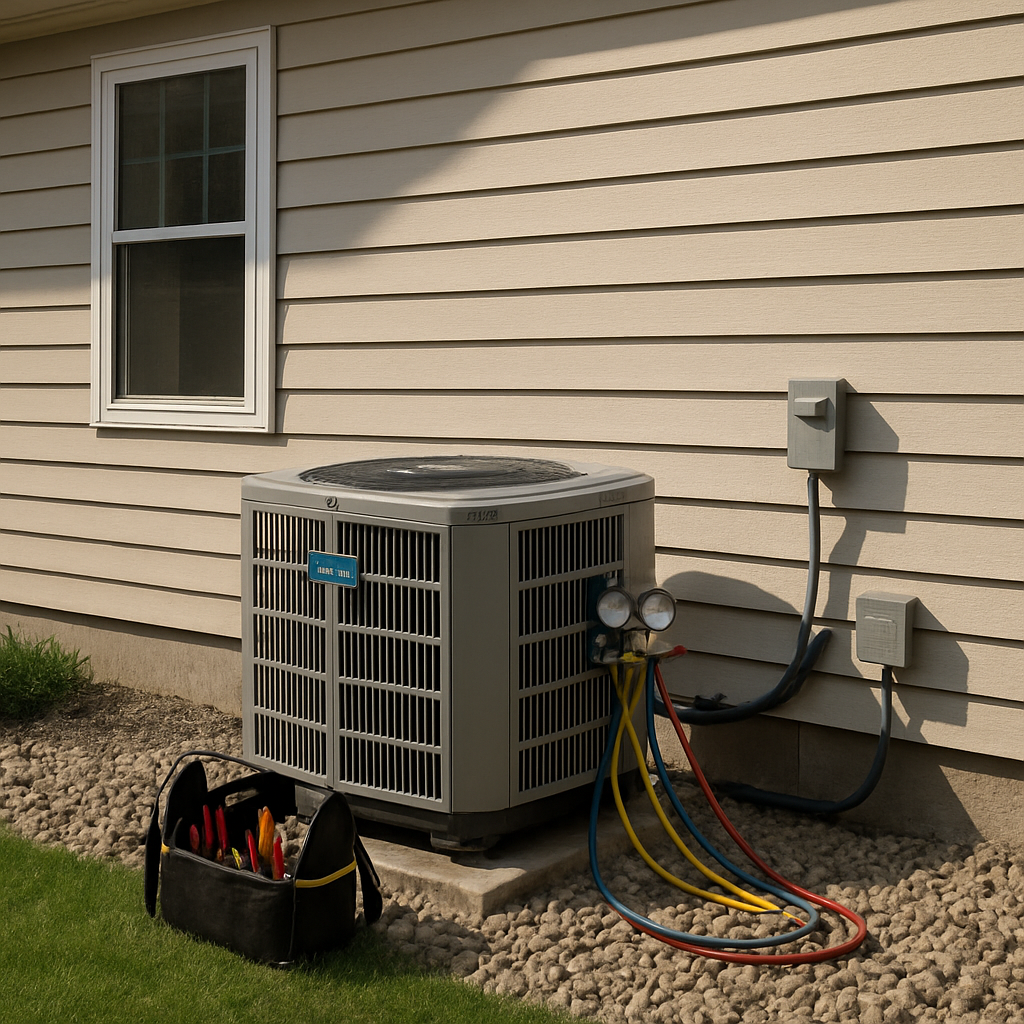
Some older air conditioning systems use refrigerants that are being phased out or are more expensive to service. If your system has a refrigerant leak and uses an older refrigerant, repair costs may be higher than expected.
A refrigerant leak should not be treated as a routine top-off. The leak needs to be found and repaired when possible. If the system is old, inefficient, and leaking refrigerant, replacement may be more practical than continuing to repair it.
Ask your HVAC contractor what refrigerant your system uses, whether replacement parts are readily available, and whether repair or replacement makes more sense based on the system’s age and condition.
The System Was Poorly Installed or Improperly Sized
Sometimes the problem is not just age. It is installation. An HVAC system that was not sized correctly or installed properly may never perform well.
An undersized system may run constantly and still fail to keep up. An oversized system may short cycle, create uneven temperatures, and struggle with humidity. Poor duct design can restrict airflow. Incorrect installation can reduce efficiency and shorten equipment life.
If your system has had comfort problems since the beginning, replacement may involve more than swapping equipment. A contractor should evaluate load calculations, ductwork, airflow, insulation, and home layout before recommending a new system.
Proper sizing and installation are critical. A new system that is incorrectly installed can create many of the same problems as the old one.
You Are Planning a Major Home Renovation
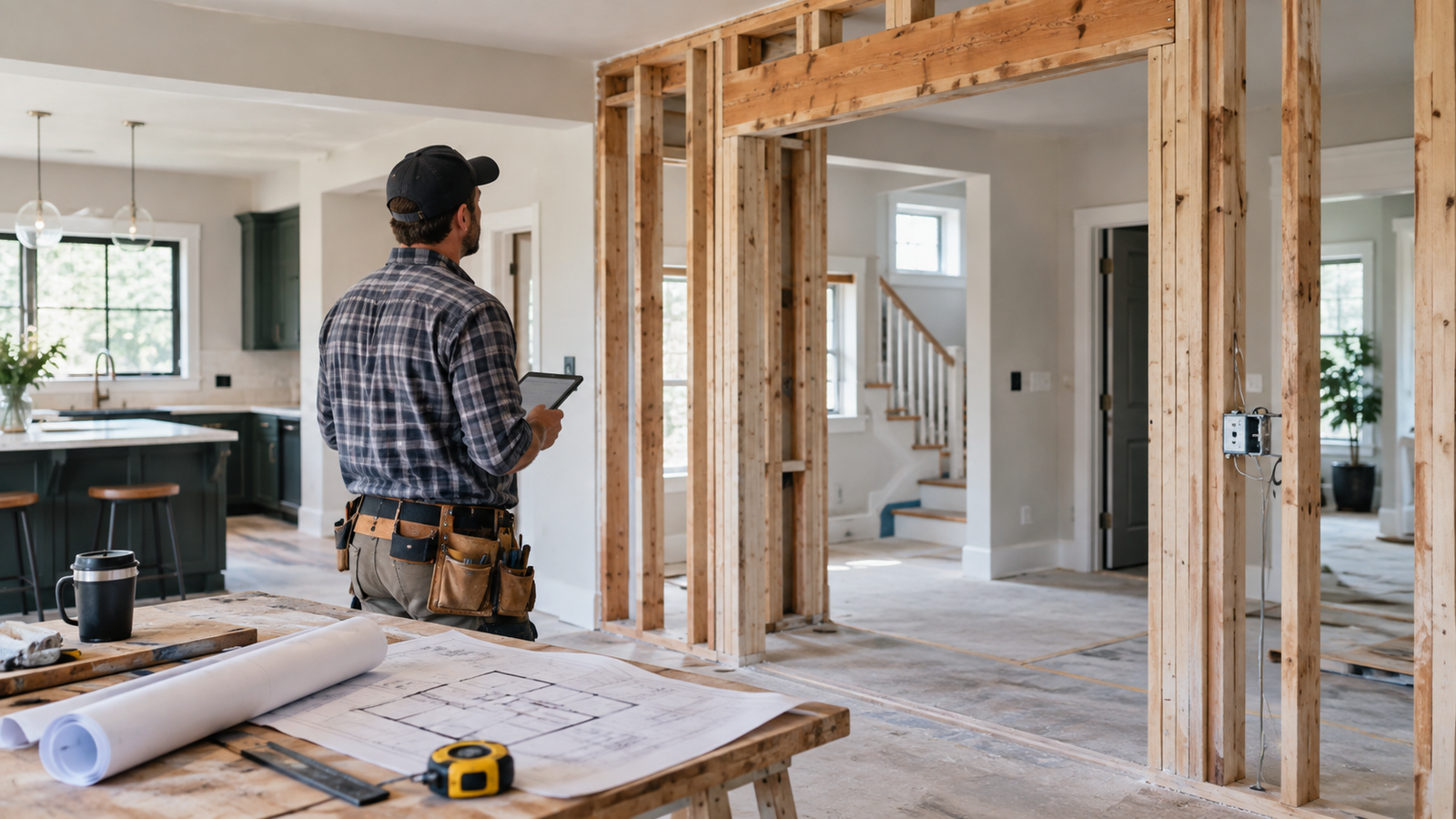
A major renovation can be a good time to evaluate your HVAC system. If you are adding square footage, finishing a basement, remodeling an attic, changing insulation, replacing windows, or altering the layout, your current system may no longer match the home’s needs.
Renovations can change heating and cooling loads. A system that worked before may become undersized, oversized, or poorly distributed after changes are made. Ductwork may also need to be adjusted.
If your HVAC system is already old, replacing it during a major renovation may be more efficient than waiting until after the project is complete.
Replacement May Be Better Than Another Major Repair
One of the hardest decisions is whether to approve a major repair or replace the system. There is no universal answer, but several factors can guide the decision.
Consider the age of the system, repair cost, efficiency, comfort, warranty status, frequency of past repairs, and whether the system uses outdated parts or refrigerant. If the system is newer and the repair is reasonable, repair may be best. If the system is old and the repair is expensive, replacement may provide better long-term value.
Ask your contractor to explain both options clearly. A good HVAC professional should not pressure you. They should help you understand the likely lifespan, risks, and costs of each choice.
Final Thoughts
It may be time to replace your HVAC system if it is older, inefficient, noisy, unreliable, expensive to repair, unable to maintain comfort, causing uneven temperatures, struggling with humidity, or using outdated components. Rising energy bills, frequent breakdowns, poor airflow, and indoor air quality concerns can also point to a system that is no longer performing well.
Replacement is not always the first answer. Sometimes maintenance, duct sealing, insulation improvements, thermostat adjustments, or targeted repairs can solve the problem. But when an aging system keeps costing money and failing to keep the home comfortable, replacement may be the smarter investment.
Before making a decision, schedule a professional evaluation, compare repair and replacement costs, ask about energy-efficient options, and make sure the new system is properly sized for your home. The right HVAC system can improve comfort, support better efficiency, and help your home feel more reliable through every season.