When it comes to maintaining your home, the importance of a solid roof cannot be overstated. It protects your family and your investment from the elements, but it’s often overlooked until a problem arises. Spotting roofing damage early can save you time and money, preventing minor issues from becoming major headaches. In this guide, we’ll help US homeowners understand how to identify potential roofing issues before they turn into costly repairs.
Common Signs of Roofing Damage
1. Missing or Damaged Shingles
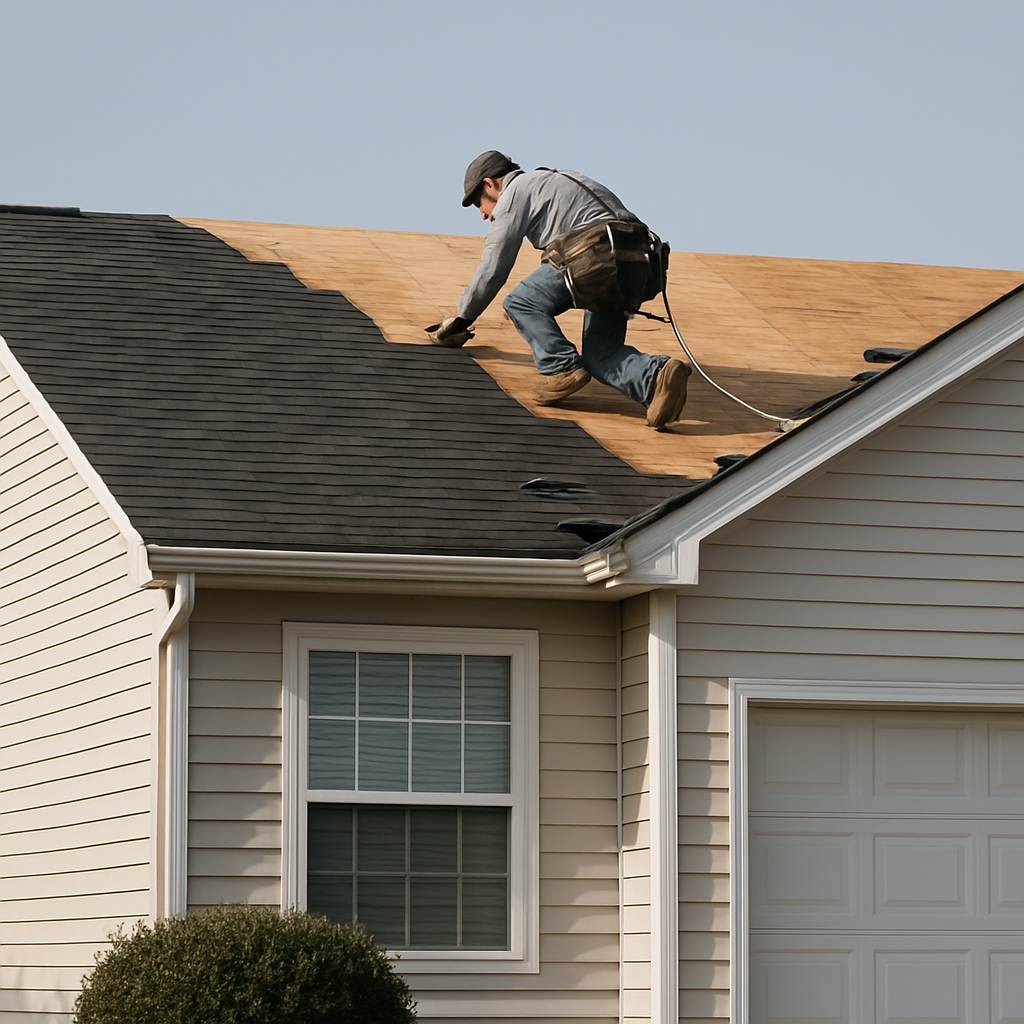
One of the most obvious signs of roofing damage is missing or damaged shingles. Shingles can deteriorate due to weather conditions, age, or poor installation. Look for shingles that are cracked, curled, or completely missing.
2. Leaks and Water Stains
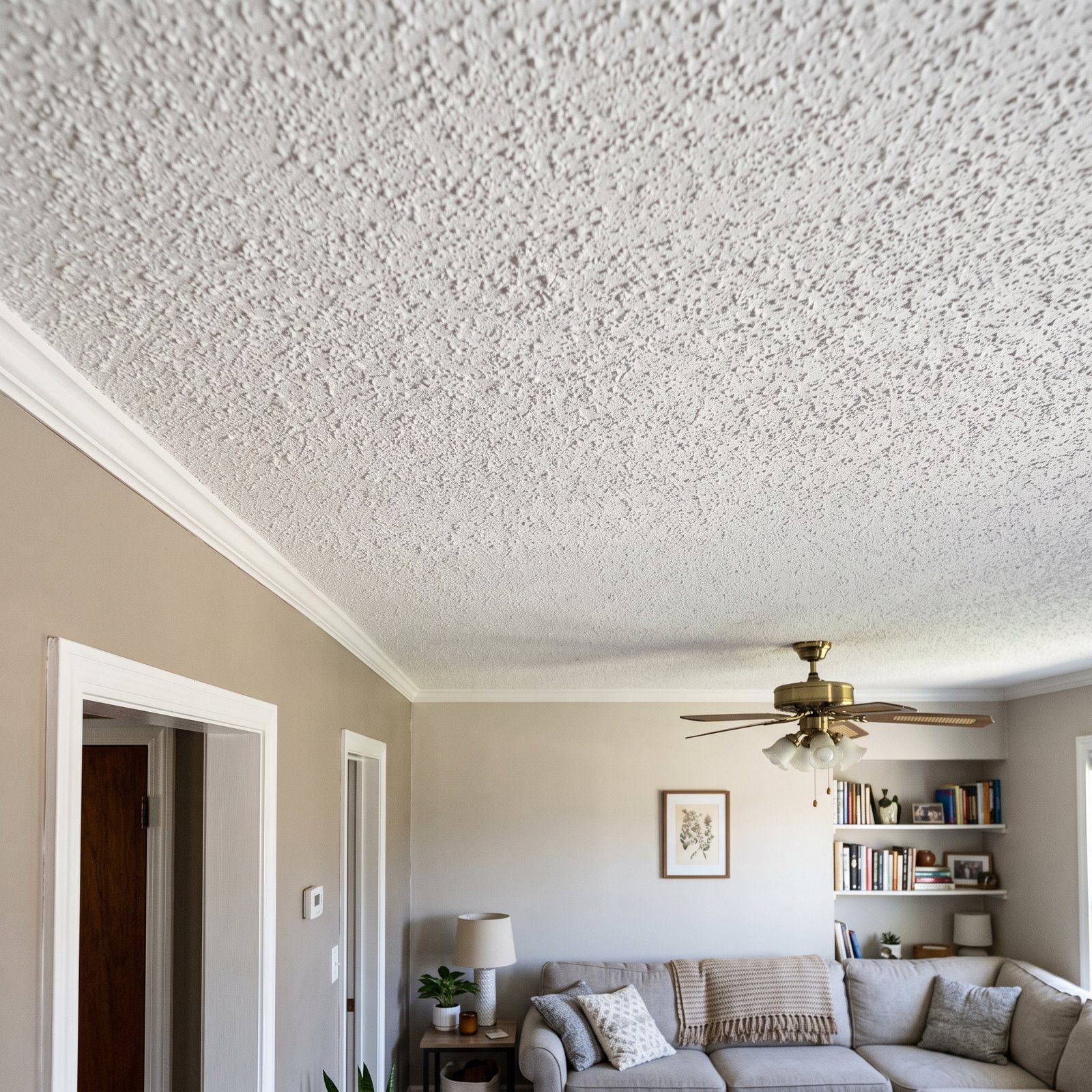
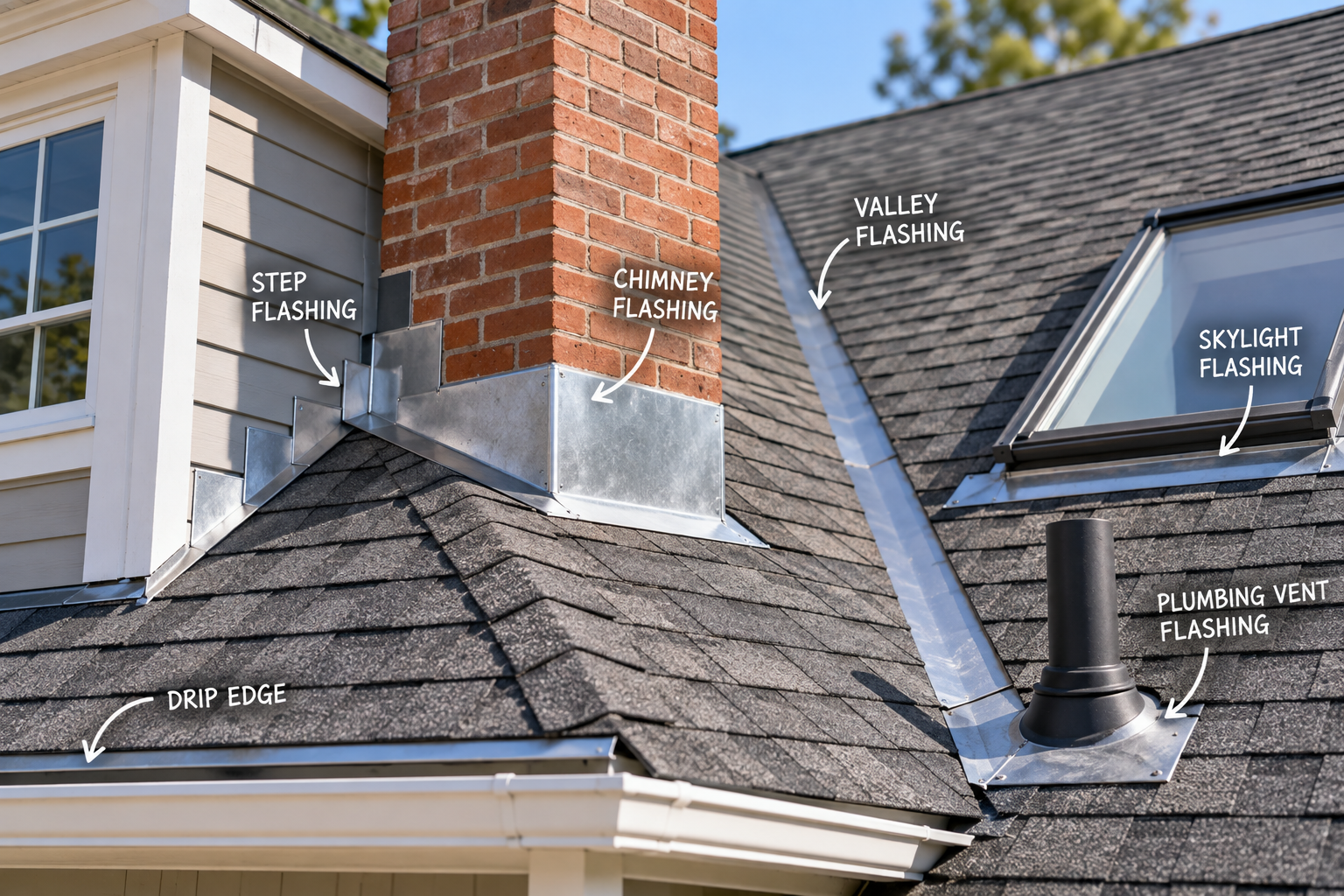
Leaks can be particularly tricky as they often go unnoticed until significant damage has occurred. Pay close attention to water stains on your ceilings and walls, as these indicate water seeping through to the interior. For more specific issues, you can check our guide on common roofing problems.
3. Granule Loss
Granules on asphalt shingles protect your roof from UV rays. Over time, these granules can wear off. Check your gutters for granule buildup, which could indicate that your shingles are nearing the end of their lifespan.
4. Sagging Roof Deck
If your roof deck appears to be sagging, it could be a sign of significant structural damage. This issue requires immediate attention from a professional.
5. Mold or Mildew Growth
Mold or mildew can develop on roofing materials due to excess moisture. It’s not only a sign of roof damage but also a health hazard. Regular inspection is key to early detection. Check out this resource from This Old House for DIY inspection tips.
Why Regular Inspections Are Important
Regular roof inspections are essential to identify and address problems before they worsen. Experts recommend checking your roof twice a year—once in the spring and once in the fall. Consider professional inspections for a more thorough examination. For a deeper dive, read our tips on choosing the right contractor for your roofing needs.
Understanding the Causes of Roofing Damage
Weather Conditions
Severe weather is the most common cause of roof damage in the US. Hail, strong winds, and heavy rain can all lead to damaged shingles or leaks. For more on how weather impacts your roof’s longevity, visit the National Roofing Contractors Association.
Age of Roof
Roofs have a limited lifespan, and age can lead to deterioration. Most roofing materials last between 20 to 30 years, but this can vary based on the material and maintenance. Our guide on roofing costs and estimates can give you more insights into life expectancies of different materials.
Poor Installation
Improper installation can lead to premature wear and tear. Ensure your roof is installed by certified professionals to prevent future issues.
Lack of Maintenance
Skipping regular maintenance can allow minor problems to escalate. Cleaning gutters, removing debris, and sealing leaks promptly can prolong your roof’s life.
Repair vs. Replacement: When to Choose
Deciding whether to repair or replace your roof depends on several factors, including the extent of the damage and the age of your roof. Minor problems like missing shingles may only require repairs, while widespread issues might necessitate a full replacement. If you’re unsure, consult a professional who can provide expert advice based on your specific situation.
DIY Tips for Spotting Damage
- Use binoculars for a close-up look at your roof without climbing a ladder.
- Check the attic for signs of water damage during daylight, as leaks can often be spotted this way.
- After storms, inspect the ground around your home for fallen shingles or roofing material.
For more complex inspections and repairs, always consider hiring a professional. You can explore more about the differences between DIY and professional remodeling here.
Conclusion: Protect Your Home Investment
Your roof is a crucial part of your home’s defense system. Regular inspections and timely repairs are essential to maintaining its integrity and ensuring your family’s safety. Remember, ignoring roofing problems won’t make them go away—instead, small issues can become major expenses. If you’re concerned about any potential damage, don’t hesitate to contact a professional roofing contractor.
Ready to learn more about home improvement and maintenance? Check out our other resources and keep your home in top shape. Visit our blog for more expert tips and advice!