Choosing between roof repair and replacement can be a daunting decision for homeowners. Making the right choice involves considering various factors such as cost, the extent of damage, and long-term benefits. This guide will help you navigate this critical decision, offering expert insights and practical advice.
Understanding the Basics: When to Repair Your Roof
Roof repairs are typically more budget-friendly than replacements and are sufficient when damage is minimal. Here are common scenarios where repairs are advisable:
Minor Leaks or Damage
If you’ve noticed small leaks or localized damage, a repair might be all that’s needed. Quick action can prevent further deterioration. Consider spotting and fixing common roofing problems as part of routine maintenance.
Recent Installation
If your roof is relatively new and a problem arises, first check your warranty. Many manufacturers offer warranties that cover defects or early wear and tear, allowing for cost-free repairs.
Budget Constraints
For homeowners with budget restrictions, repairs can serve as a temporary solution while you plan for a future replacement. However, frequent repairs add up and might not be cost-effective in the long run.
When Replacement Is Necessary
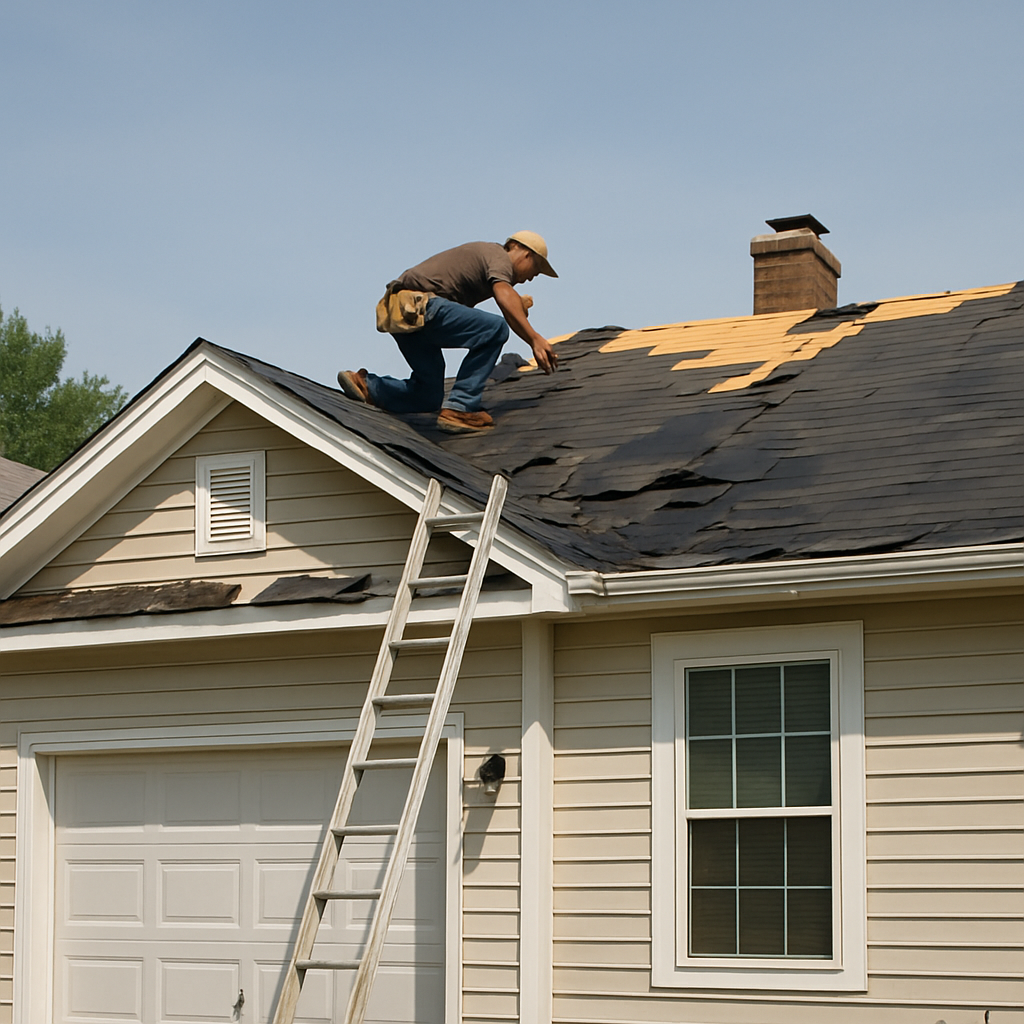
Replacing your roof is a substantial investment but sometimes the more sensible option. Here’s when you should consider replacement:
Age of the Roof
Most roofing materials have a lifespan of about 20 to 30 years. Understanding roofing costs and estimates across the US can help you determine if a replacement fits your current financial plan.
Extensive Damage
When large sections are affected or the damage is structural, replacement not only ensures safety but can also prevent future complications. NRCA’s homeowner resources provide excellent guidance in these situations.
Energy Efficiency Goals
A new roof can improve your home’s energy efficiency. Investigate materials that offer better insulation and energy savings over time, as discussed in Energy.gov’s guide on roofs and attics.
Factors Influencing the Decision
Consider these critical factors when making your decision between repair and replacement:
Cost Implications
Repairs are generally cheaper upfront, but repeated fixes can add up to the cost of a new roof. Evaluate your financial situation and long-term goals. You can also explore ways to finance your roofing project through subsidies or loans.
Future Plans
If you intend to stay in your home long-term, investing in a new roof might be wiser. However, if you’re planning to sell soon, repairs may suffice to improve curb appeal and pass inspections.
Environmental and Climatic Considerations
Your climate plays a significant role in your roofing decision. Materials that might work in one area might not be suitable elsewhere. Learn more about selecting the best materials for your climate in our guide to choosing the best roofing materials.
Getting Professional Advice
Consult a Professional
Always consult with a licensed roofing contractor to inspect your roof and provide an assessment. Professional insights will give you a clearer picture of what needs to be done.
Regulatory Compliance
If your home was built before 1978, compliance with lead safety regulations is crucial during replacements. The EPA’s RRP Rule shares essential information for such scenarios.
Conclusion: Making the Right Roof Decision
Deciding between repairing or replacing your roof is not just about immediate costs but also about the long-term investment in your home’s integrity and value. Consider the extent of damage, the age of your roof, and your future plans. Engaging with professionals and using available resources will guide you to the best choice for your situation.
Whether you decide to repair or replace, ensure you connect with reliable contractors who can deliver quality work. For more tips on home improvement, explore our blog for a variety of helpful articles, including advice on choosing the right contractor.
Take everything into account, make your decision confidently, and enjoy peace of mind under a solid and secure roof.