A hidden plumbing leak behind a wall can create serious problems before a homeowner realizes anything is wrong. Unlike a dripping faucet or a leaking pipe under the sink, a wall leak is not always visible right away. Water may run behind drywall, soak insulation, damage framing, stain ceilings, or collect near flooring long before it shows up in an obvious way.
That is why knowing the warning signs matters. A hidden plumbing leak can lead to water damage, mold growth, structural issues, higher utility bills, and expensive repairs if ignored. The earlier you spot the problem, the easier it usually is to limit the damage.
For homeowners, the key is paying attention to subtle changes. A musty smell, soft drywall, bubbling paint, or unexplained water bill increase may not seem urgent at first, but these signs can point to water leaking where it should not be.
Musty or Damp Odors
One of the first signs of a hidden plumbing leak is a musty smell. Water trapped behind walls creates damp conditions. Over time, that moisture can lead to mildew or mold growth, especially in areas with poor airflow.
You may notice the smell before you see any visible damage. It may be strongest near bathrooms, kitchens, laundry rooms, basements, utility rooms, or walls that contain plumbing lines. Sometimes the odor gets worse after running water or taking a shower.
A musty smell should not be ignored, especially if cleaning does not make it go away. If one area of the home consistently smells damp, there may be moisture behind the wall.
Stains on Walls or Ceilings
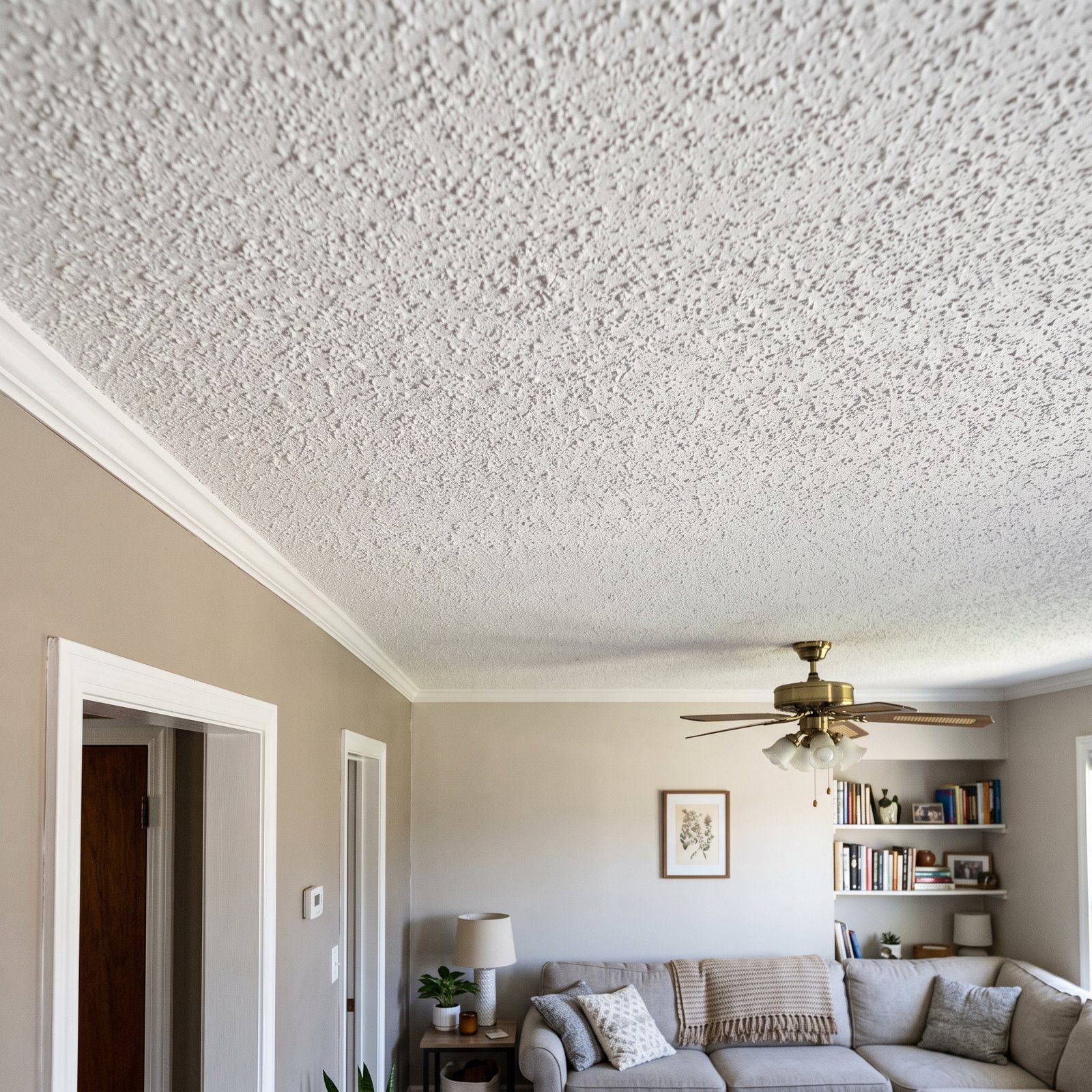
Water stains are another common warning sign. These stains may appear as yellow, brown, gray, or copper-colored marks on drywall or ceilings. They may start small and slowly spread over time.
A stain on a ceiling below an upstairs bathroom may point to a leaking toilet, tub, shower, or supply line. A stain on a wall near a kitchen or laundry area may suggest a pipe leak, appliance connection issue, or drain problem.
Not every stain means an active plumbing leak. Some stains come from old roof leaks or past water damage. But if the stain grows, darkens, feels damp, or appears after water is used, it should be investigated quickly.
Bubbling, Peeling, or Blistering Paint
Drywall and paint are not designed to stay wet. When water leaks behind a wall, moisture can cause paint to bubble, peel, blister, or separate from the surface.
Wallpaper may also begin to loosen or curl. In bathrooms, homeowners sometimes assume peeling paint is only caused by steam or humidity. While poor ventilation can cause paint problems, bubbling or blistering in one concentrated area may point to a leak behind the wall.
If you see paint lifting near a sink, shower, toilet, washing machine, or water heater closet, do not simply repaint over it. The surface may continue to fail until the moisture source is fixed.
Soft, Warped, or Sagging Drywall
Hidden leaks can weaken drywall over time. A wall may feel soft, spongy, swollen, or uneven. In more serious cases, the drywall may begin to sag, crumble, or bow outward.
This happens because drywall absorbs moisture. Once wet, it loses strength. If the leak continues, the wall surface can deteriorate quickly.
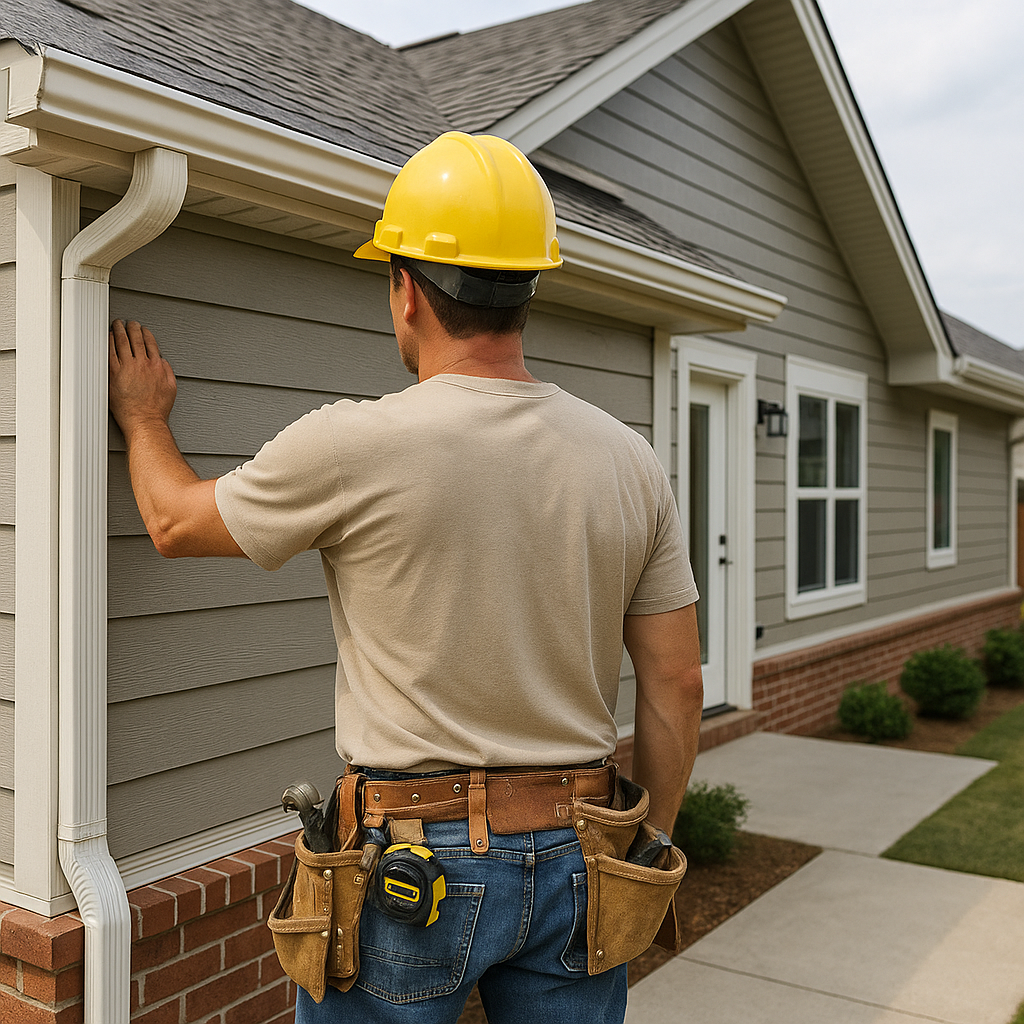
Be careful when touching a suspicious wall. If the drywall is very soft, pressing on it may create a hole. Still, a soft or warped area is a strong warning sign that water may be trapped behind the surface.
Unexplained Increase in Water Bills
A hidden plumbing leak may show up on your water bill before you notice physical damage. If your water usage has not changed but your bill suddenly increases, a leak may be running somewhere in the system.
Small leaks can waste a surprising amount of water over time. A leaking pipe behind a wall, a running toilet, or an underground leak can all increase usage.
If you suspect a leak, check whether all faucets, appliances, irrigation systems, and toilets are off. Then look at the water meter. If the meter continues moving when no water is being used, there may be a hidden leak.
A sudden water bill increase should always be taken seriously.
Sound of Running or Dripping Water
Sometimes you can hear a hidden leak. You may notice dripping, rushing, hissing, or running water sounds inside a wall when no faucet or appliance is on.
These sounds may be subtle. They may be easier to hear at night when the house is quiet. Pay attention to walls near bathrooms, kitchens, laundry rooms, and utility areas.
A dripping sound may suggest a slow leak. A hissing sound may point to a pressurized supply line leak. A rushing sound could indicate a more serious issue.
If you hear water inside a wall, shut off fixtures nearby and listen again. If the sound continues, call a plumber.
Mold or Mildew Growth
Visible mold or mildew on walls, baseboards, ceilings, or flooring can be a sign of hidden moisture. Bathrooms and kitchens are naturally humid, but mold appearing in unusual areas or returning quickly after cleaning may suggest a leak.
Mold may appear as black, green, gray, or brown spots. It may grow along baseboards, behind toilets, near cabinets, around trim, or on drywall. If it is concentrated in one area, especially near plumbing, the wall may be wet behind the surface.
Do not assume mold is only a surface issue. If the moisture source is behind the wall, cleaning the visible mold will not solve the problem.
Damaged Flooring Near Walls
Leaks behind walls can travel downward and affect flooring. You may notice warped hardwood, buckling laminate, loose tile, stained carpet, soft subflooring, or gaps near baseboards.
In bathrooms, flooring damage around the toilet, tub, or vanity may be a sign of a leaking seal, pipe, or drain. In kitchens, flooring damage near the sink, dishwasher, or refrigerator line may point to a plumbing issue.
Water does not always stay where the leak begins. It may run along framing, under flooring, or behind cabinets before it becomes visible. Flooring changes near a plumbing wall should be inspected promptly.
Baseboard or Trim Damage
Baseboards can reveal hidden leaks early. Since water often runs down inside the wall, trim near the floor may absorb moisture.
Signs include swelling, cracking, peeling paint, separation from the wall, discoloration, or soft wood. Caulk lines may split, and the baseboard may pull away from the wall.
If only one section of baseboard is damaged, especially near a bathroom, kitchen, or laundry room, there may be moisture behind it. Replacing the trim without fixing the leak will only hide the problem temporarily.
Warm Spots or Cold Spots on Walls
Temperature changes on the wall can sometimes indicate a plumbing problem. A warm spot may suggest a leak from a hot water line. A cold damp area may point to a cold water line leak or moisture buildup.
This sign is not always easy to detect by touch, but it can be noticeable if one section of wall feels different from the surrounding area. Professional plumbers may use moisture meters or thermal imaging tools to help identify hidden leaks without immediately opening the wall.
If a wall feels unusually warm, damp, or cool near plumbing lines, it is worth investigating.
Low Water Pressure
A hidden leak in a supply line can sometimes reduce water pressure. You may notice weaker flow from faucets, showers, or fixtures. If the pressure drop happens suddenly or affects only one area of the home, a leak may be one possible cause.
Low pressure can also come from clogged aerators, valve issues, mineral buildup, municipal supply problems, or water heater issues. But when low pressure appears along with stains, sounds, musty smells, or wall damage, a hidden leak becomes more likely.
Cracks or Deterioration Around Plumbing Fixtures
Leaks behind walls often begin near fixtures or plumbing connections. Watch for cracks, gaps, loose caulk, damaged grout, water stains, or soft areas around tubs, showers, sinks, toilets, and washing machine hookups.
A shower wall that feels soft, tile that becomes loose, or grout that repeatedly cracks may indicate water is getting behind the surface. A toilet that rocks or leaks at the base can allow water to seep into flooring and nearby walls.
Small fixture problems can create hidden damage over time, especially if water is used daily.
Pest Problems
Moisture can attract pests such as ants, cockroaches, silverfish, termites, and rodents. If you suddenly notice pest activity near a wall, bathroom, kitchen, basement, or laundry area, hidden moisture may be part of the problem.
Pests often seek damp environments. A plumbing leak behind a wall can create the kind of moisture they are drawn to. Pest activity alone does not prove there is a leak, but when combined with odors, stains, or wall damage, it should raise concern.
What to Do if You Suspect a Hidden Leak
If you think there may be a plumbing leak behind a wall, do not ignore it. Start by turning off nearby fixtures and checking whether the water meter continues to move. Look for visible signs of damage and take photos. Avoid cutting into walls yourself unless you know what you are doing.
If the leak appears active or water damage is spreading, shut off the water supply to the affected area or the whole house if needed. Then call a licensed plumber.
A plumber can use leak detection methods to narrow down the location. This may include moisture meters, pressure testing, thermal imaging, acoustic listening equipment, or carefully opening a small section of wall.
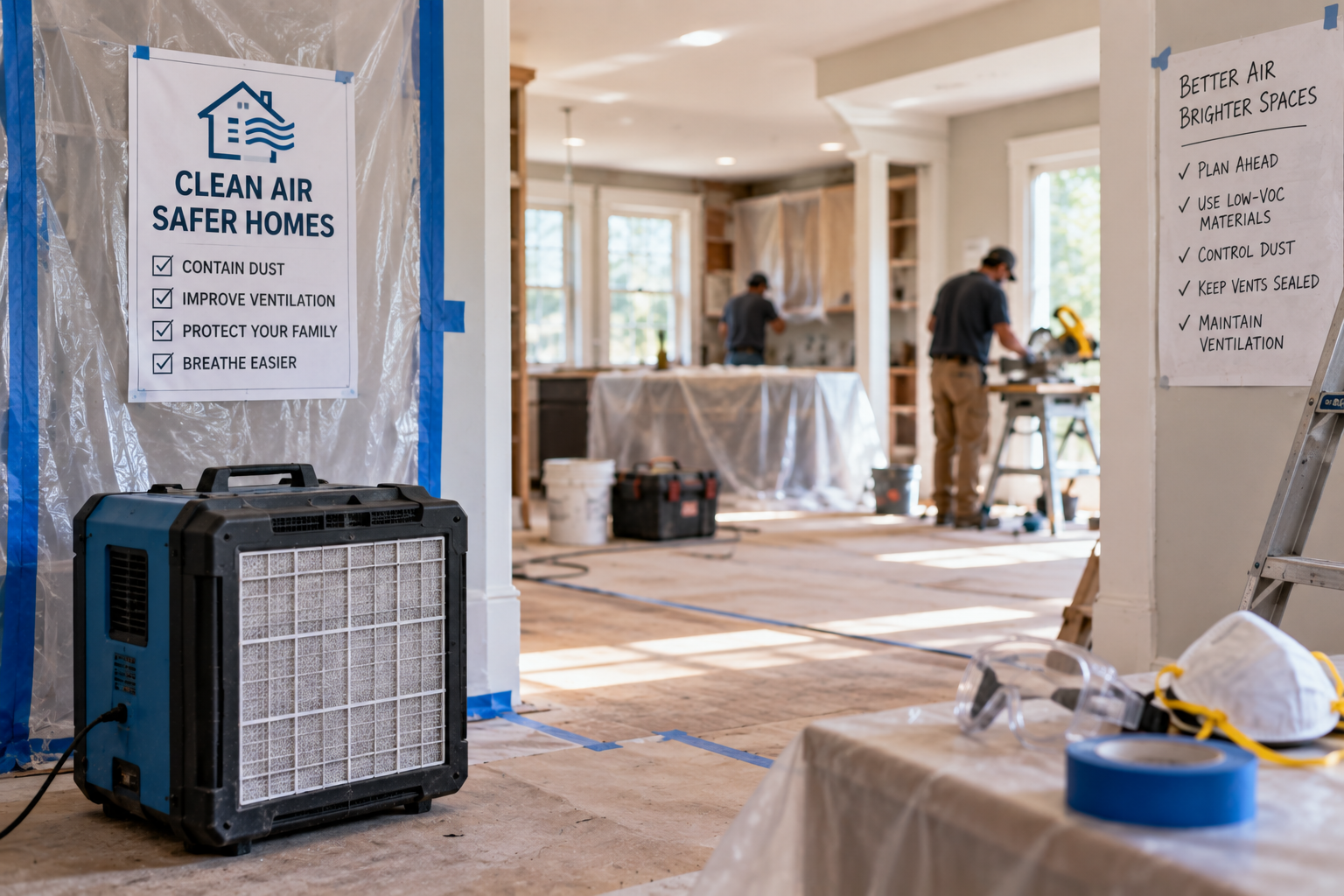
After the leak is repaired, damaged drywall, insulation, trim, flooring, or framing may need to be dried, cleaned, or replaced. If mold is present, professional remediation may be necessary.
Why Fast Repairs Matter
Hidden plumbing leaks rarely fix themselves. Even a slow leak can cause major damage over time. Water can weaken drywall, rot wood, damage flooring, attract pests, and create mold-friendly conditions.
Fast repairs help protect the home and limit repair costs. The longer water stays hidden, the more materials it can affect.
A small plumbing repair is usually easier to handle than a full wall, floor, or mold restoration project.
Final Thoughts
Hidden plumbing leaks behind walls can be difficult to spot, but they usually leave clues. Musty odors, water stains, bubbling paint, soft drywall, mold growth, damaged flooring, swelling baseboards, dripping sounds, low water pressure, and unexplained water bills can all point to a problem.
Homeowners should act quickly when these signs appear. The sooner the leak is found and repaired, the less damage it is likely to cause.
If you suspect water is leaking behind a wall, do not simply paint over stains or replace damaged trim. Find the source, fix the plumbing issue, and make sure the affected area is properly dried and repaired. Early action can save your home from much bigger problems later.