A small backyard does not have to feel limiting. With the right design choices, even a compact outdoor space can become a comfortable place for relaxing, entertaining, dining, gardening, or spending time with family. The key is not having more square footage. The key is using the square footage you already have more intentionally.
Small backyard outdoor living works best when every feature has a purpose. Oversized furniture, random décor, poor lighting, and unclear layouts can make a small yard feel crowded. But smart seating, vertical design, multi-use features, defined zones, and better lighting can make the same yard feel larger, more organized, and more inviting.
Whether you have a narrow side yard, a small patio, a compact lawn, or a modest fenced backyard, the right upgrades can make a big difference.
Start With One Main Purpose
Before buying furniture or starting a project, decide what you want the backyard to do best. A small yard cannot always support every possible feature, so priorities matter.
Do you want a quiet place to drink coffee? A dining area for family meals? A fire pit for evenings outside? A small garden? A play area for kids? A space for grilling? A low-maintenance patio? The answer should guide every design decision.
When homeowners skip this step, small backyards often become cluttered. A little seating, a grill, a playset, a garden bed, storage boxes, and random planters may all compete for space. Instead, choose one primary function and build around it.
A focused backyard feels more intentional and more usable. If entertaining matters most, prioritize seating and flow. If relaxation matters most, focus on comfort, shade, and privacy. If gardening matters most, save the best sunlight for plants.
Use Zones to Make the Yard Feel Larger
Even a small backyard can benefit from zones. A zone is simply a defined area with a clear purpose. You might have a dining zone, lounge zone, garden zone, or grilling zone.
Zoning makes a small yard feel larger because it creates structure. Instead of one undefined space, the yard becomes a series of useful areas. This does not mean you need walls or major construction. Outdoor rugs, pavers, planters, furniture placement, lighting, and changes in ground material can all create zones.
For example, a small patio can hold a bistro table while a nearby gravel corner becomes a fire pit area. A narrow strip along the fence can become a vertical garden. A small deck can become the seating zone while the lawn remains open for pets or children.
Good zoning helps the backyard feel designed rather than crowded.
Choose Furniture That Fits the Scale
Furniture can make or break a small outdoor space. Oversized sectionals, bulky dining tables, and large lounge chairs can overwhelm the yard. Smaller-scale furniture usually works better.
Look for slim chairs, folding tables, stackable seating, benches, built-in seating, or modular furniture that can be rearranged. A round table may fit better than a rectangular one because it improves movement around the space. Armless chairs can make seating feel lighter and easier to move.
Multi-use furniture is especially helpful. A storage bench can provide seating and hide cushions or garden tools. A coffee table can double as a serving surface. A small ottoman can work as extra seating when guests visit.
The goal is to keep the space comfortable without blocking walkways or making the yard feel packed.
Add Built-In Seating
Built-in seating is one of the best ways to maximize a small backyard. Benches along a fence, seat walls around a patio, or built-in deck benches can provide plenty of seating without taking up as much space as individual chairs.
Built-ins can also create a cleaner look. Instead of moving furniture around constantly, the seating becomes part of the design. Add cushions and pillows for comfort, and the area can feel cozy without feeling cluttered.
A built-in bench with storage underneath is even more useful. It can hold outdoor pillows, gardening supplies, small tools, toys, or grilling accessories. In a small yard, hidden storage helps keep the space neat.
Built-in seating works especially well along edges, corners, and narrow spaces that might otherwise go unused.
Go Vertical With Plants and Décor
When ground space is limited, use vertical space. Fences, walls, trellises, pergolas, railings, and exterior walls can all become part of the design.
Vertical gardens are a great option for small backyards. Hanging planters, wall-mounted pots, trellises with climbing plants, and tiered plant stands add greenery without taking over the patio or lawn. They can also create privacy and soften hard surfaces.
Vertical features can make the yard feel taller and more layered. A plain fence can become a backdrop for vines, lights, shelves, or decorative panels. A narrow side yard can feel more inviting with climbing plants and wall-mounted lighting.
Using vertical space helps preserve the walking and seating areas while still adding personality.
Create Privacy Without Closing Everything In
Privacy is often a challenge in small backyards, especially in neighborhoods where houses are close together. But privacy features need to be handled carefully. A tall solid barrier on every side can make a small yard feel boxed in.
Instead, use layered privacy. This may include lattice panels, slatted screens, tall planters, ornamental grasses, shrubs, trellises, outdoor curtains, or partial fencing. These features can block key sightlines without making the yard feel closed off.
Focus privacy where it matters most. If one neighbor’s window overlooks your seating area, screen that specific view rather than enclosing the entire yard. If the patio feels exposed, add a pergola with curtains or a row of tall planters.
The best privacy designs feel natural, not defensive.
Improve Lighting for Evening Use
Lighting can completely change a small backyard. Without good lighting, the space may only be useful during the day. With the right lighting, it becomes an evening retreat.
String lights are popular because they add warmth and atmosphere without taking up floor space. Wall-mounted lights, step lights, lanterns, solar path lights, and low-voltage landscape lighting can also improve safety and appearance.
Layered lighting works best. Use soft overhead lighting for general ambiance, task lighting near cooking or dining areas, and low lighting around paths or steps. Avoid lighting that is too harsh or bright. The goal is comfort, not a stadium effect.
In small backyards, lighting can also define zones. A lit seating area, softly glowing garden bed, or illuminated pathway makes the space feel more finished.
Add a Small Fire Feature
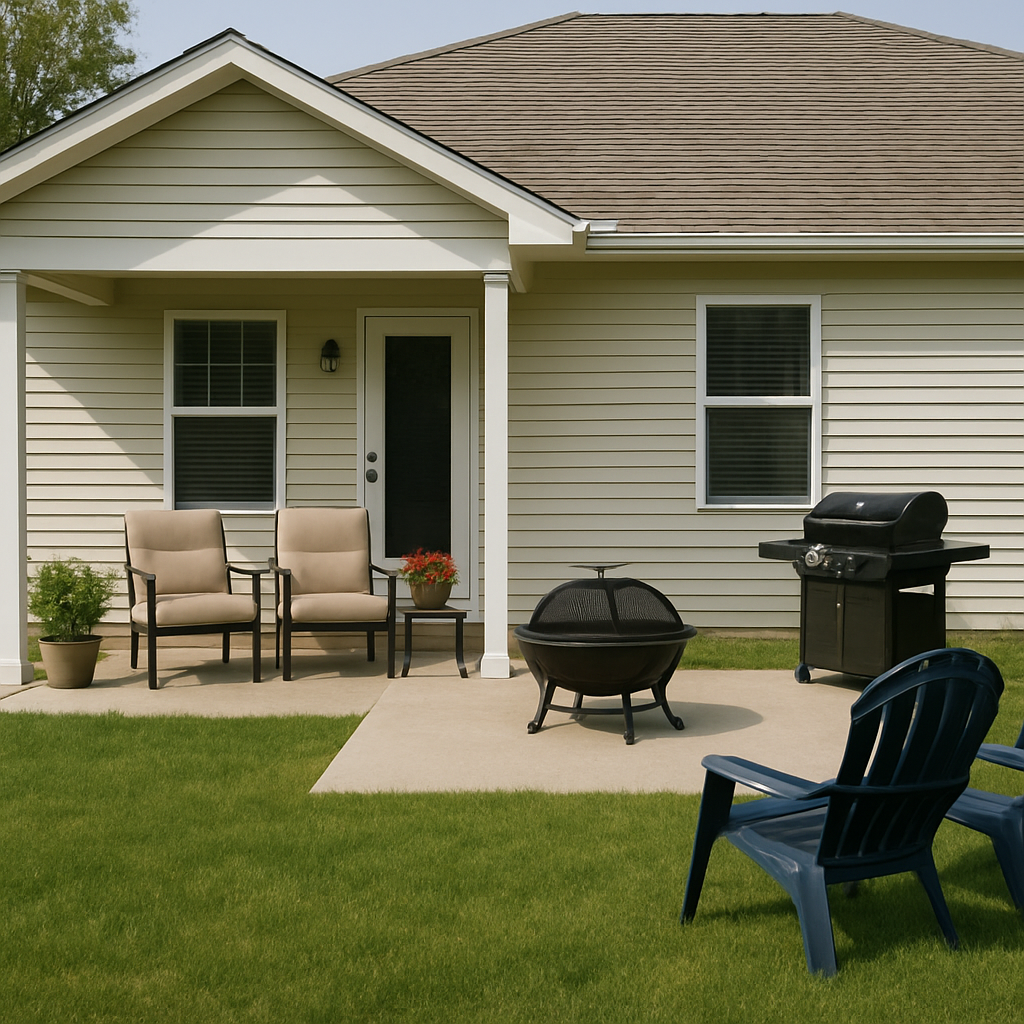
A fire feature can make a small backyard feel cozy and inviting. You do not need a large built-in fireplace to get the effect. A compact fire pit, fire bowl, tabletop fire feature, or small gas fire pit can create a strong focal point.
Before adding fire, consider safety, local rules, ventilation, clearances, and surface materials. Fire features should be placed away from structures, fences, trees, and overhanging branches. The size should match the space.
A small fire feature works best when surrounded by flexible seating. Lightweight chairs can be moved closer or farther away depending on the number of guests.
Fire adds warmth, light, and atmosphere, making the backyard more useful during cooler evenings.
Use Pavers, Gravel, or Decking to Define the Space
Ground material has a big impact on how a small backyard feels. A patchy lawn or undefined dirt area can make the yard seem unfinished. Adding a patio, paver area, gravel seating zone, or small deck can make the space feel intentional.
Pavers are versatile and can be arranged in many patterns. Gravel is often more affordable and works well for casual seating areas or garden paths. Decking can create a clean platform, especially if the yard is slightly uneven or connects to a back door.
Changing materials can also create visual separation. For example, a paver patio can mark the dining area while gravel defines a lounge corner. This gives the yard structure without requiring walls.
Good drainage is important with any surface. Water should move away from the home and not collect in low spots.
Choose a Simple Plant Palette
Plants make outdoor spaces feel alive, but too many plant types can make a small yard feel messy. A simple plant palette creates a cleaner, more cohesive look.
Choose a few plants that work well together and repeat them throughout the space. Mix heights and textures, but avoid overcrowding. Use containers, raised beds, or border plantings to keep things organized.
Low-maintenance plants are often best for small outdoor living areas. If plants grow too aggressively, they can quickly take over the space. Consider mature size before planting. A shrub that looks small at the garden center may become too large for a compact yard.
Container gardening is especially useful because pots can be moved, changed seasonally, and adjusted as needed.
Add Shade for Comfort
A small backyard can become uncomfortable if it receives direct sun for much of the day. Shade makes the space more usable.
Shade options include umbrellas, pergolas, shade sails, awnings, trees, or covered patio structures. The right choice depends on budget, style, and how permanent you want the solution to be.
Umbrellas are flexible and affordable. Shade sails can cover awkward spaces. Pergolas add structure and can support lights, curtains, or climbing plants. Awnings can provide shade directly off the house.
Even partial shade can make a big difference. If the seating area is comfortable during the hottest part of the day, the backyard will get used more often.
Keep Storage Hidden
Small backyards can quickly feel cluttered if tools, cushions, toys, hoses, and outdoor accessories are always visible. Hidden storage keeps the space clean and functional.
Use storage benches, deck boxes, wall-mounted cabinets, vertical sheds, or built-in compartments. Keep storage proportional to the yard. A huge shed may solve storage problems but ruin the outdoor living area.
Think about what actually needs to be stored outside. If you only need space for cushions and small tools, a bench may be enough. If you need garden equipment, choose narrow vertical storage that fits along a fence or side wall.
A clean small space feels larger than a cluttered one.
Use Mirrors or Reflective Features Carefully
Mirrors can make small outdoor spaces feel larger when used well. A weather-safe mirror on a fence or wall can reflect light and greenery, creating the illusion of more depth.
Reflective water features, glossy planters, or light-colored surfaces can also brighten the space. However, mirrors should be placed thoughtfully. They should reflect something attractive, like plants or lighting, not trash bins or blank walls.
Avoid overusing reflective décor. One subtle feature can help. Too many can feel unnatural.
Make the Space Easy to Maintain
A small backyard should be enjoyable, not another overwhelming chore. Choose materials and features that fit your maintenance habits.
If you do not want to mow, consider pavers, gravel, artificial turf, or ground cover. If you do not want to stain wood, choose composite decking or low-maintenance patio materials. If you travel often, choose drought-tolerant plants or irrigation.
Low-maintenance design does not mean boring. It means the backyard stays attractive without constant work.
Final Thoughts
Small backyard outdoor living is about smart choices. You do not need a huge yard to create a space that feels comfortable, stylish, and useful. By choosing a clear purpose, scaling furniture properly, adding zones, using vertical space, improving lighting, creating privacy, and keeping storage hidden, even a compact backyard can feel dramatically better.
The best small outdoor spaces are intentional. Every feature has a job. Every corner is considered. Every design choice supports how the space will actually be used.
With the right plan, a small backyard can become one of the most enjoyable parts of the home.