A roof is one of the most important protective systems on any home. It shields the structure from rain, wind, hail, sun, snow, falling debris, and temperature changes. When the roof is working properly, it is easy to forget about it. But when a roofing problem starts, even a small issue can lead to water damage, mold, insulation problems, structural concerns, and expensive repairs.
Many roofing problems start quietly. A missing shingle, cracked flashing, clogged gutter, small leak, or damaged vent may not seem urgent at first. Over time, however, moisture can move into the attic, walls, ceilings, or framing. Storms can make weak areas worse. What begins as a minor repair can become a major project if it is ignored.
The National Roofing Contractors Association notes that regular roof inspection, maintenance, and repair planning are key parts of long-term roof performance. Homeowners do not need to climb on the roof themselves, but they should know what warning signs to look for from the ground, attic, and interior living spaces.
Here are the most common roofing problems homeowners should watch for.
Missing or Damaged Shingles
Missing, cracked, curled, or broken shingles are some of the most visible roofing problems. Shingles act as the first layer of defense against weather. When they are damaged, the materials underneath are more exposed to water, wind, and sun.
Shingles can be damaged by age, high winds, hail, falling branches, poor installation, foot traffic, or long-term heat exposure. A few damaged shingles may not mean the entire roof needs to be replaced, but they should be addressed before leaks develop.
From the ground, homeowners may notice shingles that look lifted, uneven, loose, or missing entirely. You may also see pieces of shingles in the yard after a storm. If one section of the roof looks different from the rest, that may be a sign of localized damage.
FEMA’s severe wind resources explain that high winds can damage homes by lifting roof materials and allowing water to enter vulnerable areas, which is why roof issues after storms should not be ignored. You can review FEMA’s homeowner resources on protecting property from natural hazards through its Protect Your Property brochures.
Roof Leaks
A roof leak is one of the clearest signs that something is wrong. Unfortunately, leaks are not always easy to trace. Water can enter at one point, travel along rafters or insulation, and show up somewhere else inside the home.
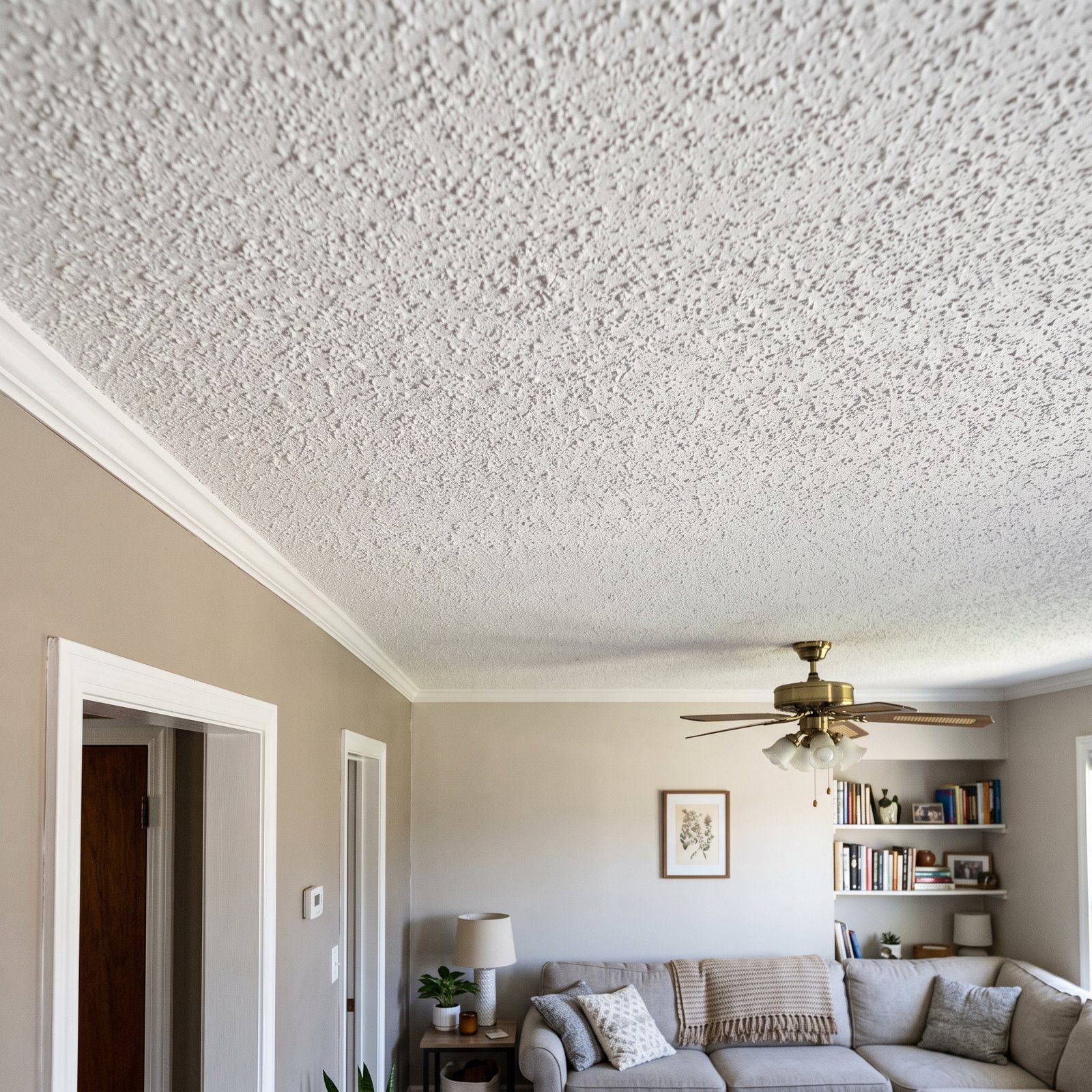
Common signs of a roof leak include ceiling stains, bubbling paint, damp drywall, musty smells, wet insulation, dripping water, or dark spots in the attic. Some leaks only appear during heavy rain or wind-driven storms.
Leaks may be caused by damaged shingles, cracked flashing, clogged valleys, worn pipe boots, failed sealant, ice dams, storm damage, or aging materials. Even a small leak should be taken seriously because moisture can spread behind finished surfaces.
The EPA’s mold and moisture guidance explains that controlling moisture is essential for preventing mold growth in homes. A roof leak that stays wet can create conditions for mold, damaged insulation, and wood deterioration.
Damaged Flashing
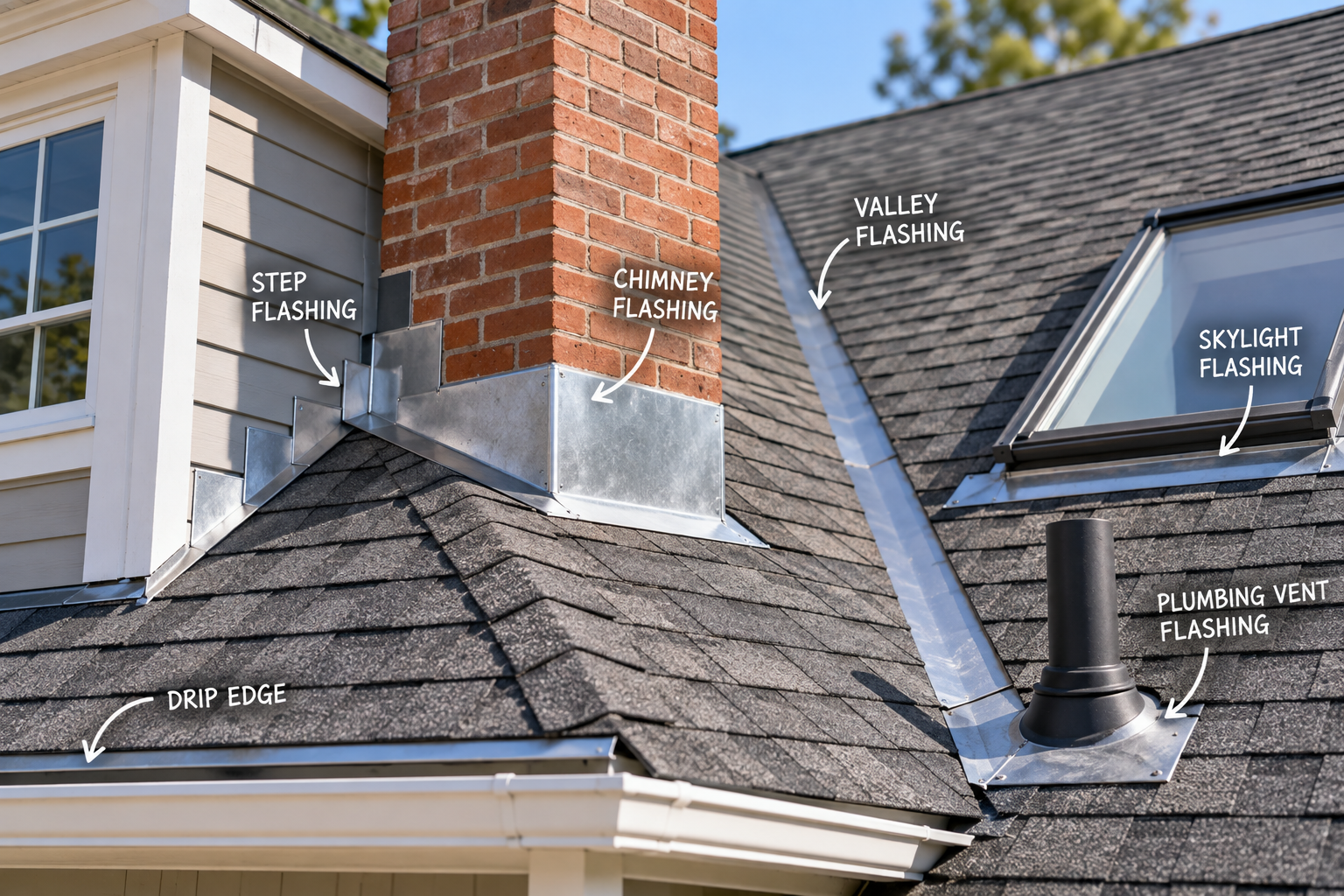
Flashing is the thin metal material installed around roof transitions and penetrations. It is commonly found around chimneys, skylights, vents, valleys, dormers, and where the roof meets walls. Its job is to direct water away from vulnerable areas.
When flashing is cracked, loose, rusted, bent, poorly sealed, or missing, water can slip into gaps. Flashing problems are a common cause of roof leaks because these areas naturally collect and redirect water.
Homeowners may not always notice flashing damage from the ground, but interior signs such as stains near chimneys, skylights, or upper walls can point to the issue. After storms, flashing can also loosen if strong wind lifts nearby roofing materials.
Because flashing requires proper installation and sealing, it is usually best handled by a roofing professional rather than patched casually with caulk or roofing cement.
Clogged or Damaged Gutters
Gutters are not technically part of the roof covering, but they play a major role in roof and home protection. Gutters move water away from the roof edge, fascia, siding, and foundation. When they are clogged with leaves, granules, sticks, or debris, water can back up under shingles or overflow near vulnerable areas.
Clogged gutters may contribute to fascia rot, soffit damage, basement moisture, foundation issues, and landscape erosion. In colder climates, clogged gutters can also make ice-related issues worse.
Signs of gutter problems include water spilling over the sides, sagging sections, plants growing in the gutter, staining on siding, peeling paint near the roofline, or water pooling near the foundation.
Homeowners should check gutters regularly from the ground and clean them when needed. If the gutters are pulling away from the house or damaged, repairs may be necessary.
Poor Attic Ventilation
Roofing problems are not always on the exterior. Poor attic ventilation can cause major roof performance issues over time. A poorly ventilated attic may trap heat and moisture, which can affect shingles, roof decking, insulation, and indoor comfort.
In summer, excessive attic heat can make the home harder to cool and may contribute to premature shingle aging. In winter, warm air escaping into the attic can contribute to condensation and, in some climates, ice dam formation.
Signs of poor ventilation may include excessive attic heat, musty smells, moisture on rafters, mold growth, rusted nails, uneven roof temperatures, or high energy bills. Proper ventilation works with insulation and air sealing to help the roof system function as intended.
ENERGY STAR’s guide to sealing and insulating is a helpful resource for understanding how attic air sealing, insulation, and ventilation affect whole-home comfort and energy efficiency.
Ponding Water on Low-Slope Roofs
Homes with flat or low-slope roof sections may experience ponding water. This happens when water remains on the roof instead of draining properly. While many roofs are designed to shed water quickly, low-slope areas need proper drainage to prevent standing water.
Ponding water can speed up material deterioration, encourage leaks, attract debris, and create extra weight on the roof. It may be caused by poor slope, clogged drains, sagging roof decking, blocked scuppers, or improper installation.
Homeowners may notice ponding water after rain if they can safely view the roof from a window or upper level. Dark stained areas, algae growth, or repeated leaks in the same section may also indicate drainage issues.
Standing water should be evaluated because roof systems are not meant to hold water indefinitely.
Granule Loss
Asphalt shingles are coated with granules that help protect them from sunlight and weather. Over time, shingles naturally lose some granules. However, heavy or uneven granule loss can indicate aging, storm damage, or shingle deterioration.
Homeowners may notice granules collecting in gutters, downspouts, or at the bottom of splash blocks. The roof may also appear patchy, shiny, bald, or darker in some areas.
Granule loss reduces the shingle’s protective surface. Once shingles lose too many granules, they may become more vulnerable to sun damage, cracking, and leaks.
Some granule loss is normal after a new roof installation, but excessive loss on an older roof should be inspected.
Sagging Roof Areas
A sagging roof is a serious warning sign. It may indicate structural problems, water damage, weakened decking, poor framing, excessive weight, or long-term deterioration.
From the ground, a sagging roof may look uneven, wavy, dipped, or bowed. Inside the attic, signs may include cracked rafters, damp decking, visible dips, or daylight coming through roof boards.
Sagging should not be ignored. Unlike a single missing shingle, sagging can point to a deeper issue with the roof structure. If a roof appears to be sagging, homeowners should contact a professional promptly and avoid walking on the affected area.
Hail Damage
Hail can damage shingles, metal roofing, vents, gutters, skylights, and flashing. The damage is not always obvious from the ground. On asphalt shingles, hail may leave bruising, dents, missing granules, or dark impact marks. On metal components, it may leave visible dents.
After a hailstorm, homeowners should look for clues around the property. Dented gutters, damaged siding, torn window screens, broken outdoor items, or granules around downspouts may suggest the roof was also affected.
The Insurance Institute for Business & Home Safety provides research and guidance on strengthening homes against severe weather, including hail and wind risks, through its homeowner resources. If hail damage is suspected, a professional roof inspection can help determine whether repairs are needed.
Storm and Wind Damage
Storms can create multiple roofing problems at once. High winds can lift shingles, loosen flashing, damage ridge caps, blow debris onto the roof, or expose underlayment. Heavy rain can reveal leaks. Falling limbs can puncture roofing materials. Wind-driven rain can push water into small openings.
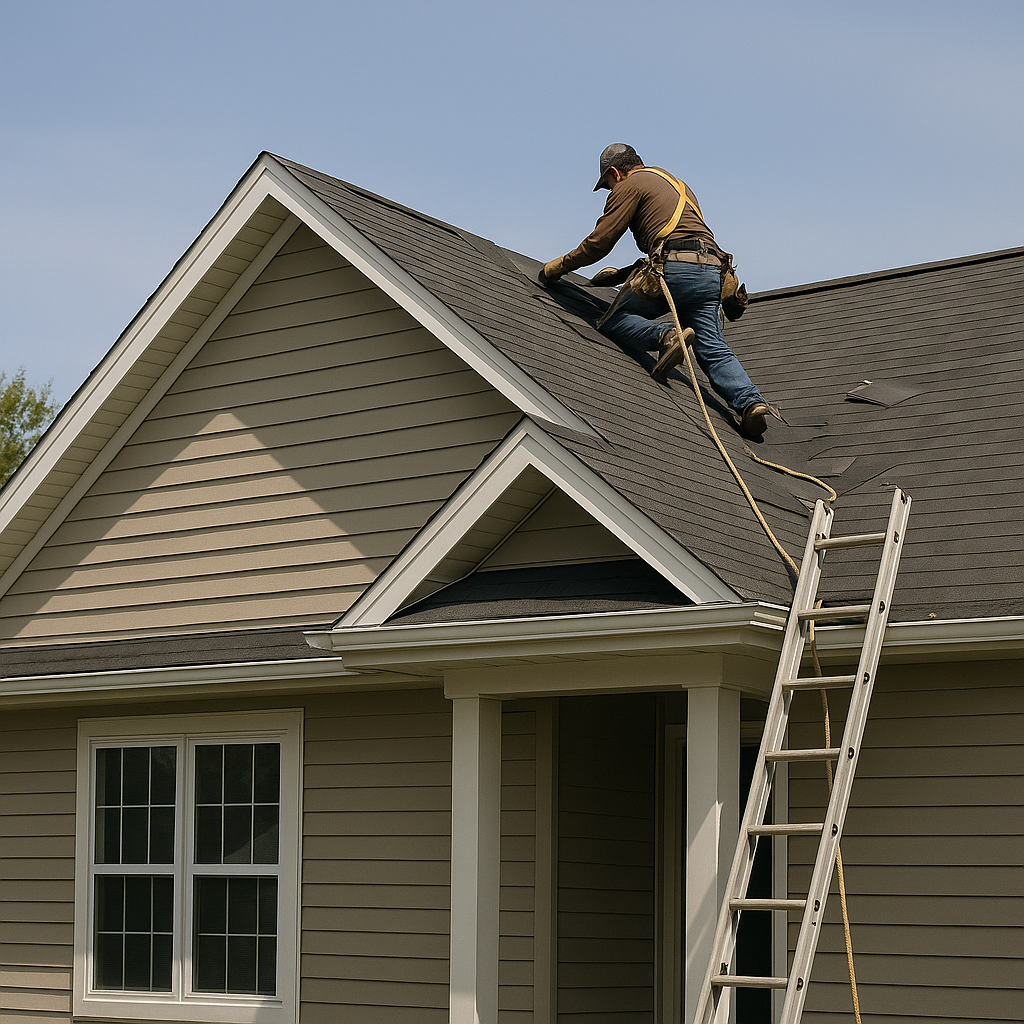
After severe weather, homeowners should inspect the property from the ground. Look for missing shingles, roof debris, branches on the roof, bent gutters, damaged vents, or interior water stains. Avoid climbing onto the roof after a storm because surfaces may be slippery, unstable, or damaged.
FEMA’s severe wind mitigation guidance explains that strengthening vulnerable parts of the home can help reduce wind damage. While not every roof can prevent storm damage, routine maintenance and timely repairs can reduce risk.
Damaged Roof Vents and Pipe Boots
Roof penetrations are common leak points. Plumbing vent pipes, exhaust vents, attic vents, and other roof openings require proper flashing or boots to keep water out. Over time, rubber pipe boots can crack, metal vents can loosen, and sealants can fail.
A small damaged pipe boot can allow water to enter around the pipe and drip into the attic or ceiling below. Because these leaks can be small and slow, they may go unnoticed until staining appears.
Homeowners should watch for ceiling stains near bathrooms, kitchens, laundry rooms, or areas below vent pipes. A roofer can inspect the roof penetrations and replace worn components before the leak spreads.
Tree Damage
Trees can damage roofs in several ways. Overhanging branches can scrape shingles, drop leaves into gutters, break during storms, or provide pathways for pests. Falling limbs can puncture roofing materials or damage gutters and flashing.
Trees also contribute to moss and algae growth when they keep roof sections shaded and damp. While shade can reduce heat exposure, too much moisture and debris can create maintenance problems.
Homeowners should keep branches trimmed back from the roof when possible and remove dead limbs before storms. Large tree work should be handled by qualified tree professionals, especially near roofs and power lines.
Moss and Algae Growth
Moss and algae are common on shaded or damp roof surfaces. Algae often appears as dark streaking, while moss forms thicker green growth. Algae may be mostly cosmetic at first, but moss can hold moisture against the roof surface and lift shingles over time.
Homeowners should not pressure wash shingles or scrape aggressively, because this can damage the roof. If moss or algae is spreading, ask a roofing professional about safe cleaning methods and prevention options.
Improving sunlight exposure, clearing debris, and maintaining proper drainage can help reduce growth.
Aging Roofing Materials
Every roof has a lifespan. As roofing materials age, they become more vulnerable to cracking, curling, granule loss, leaks, and storm damage. An older roof may still function, but it should be monitored more closely.
Warning signs of an aging roof include widespread shingle wear, repeated leaks, brittle shingles, sagging sections, failing flashing, and frequent repairs. If repairs are becoming constant, replacement may be more practical than continuing to patch the same problems.
The expected lifespan depends on the roofing material, installation quality, climate, ventilation, maintenance, and storm exposure.
Final Thoughts
The most common roofing problems homeowners should watch for include missing shingles, leaks, damaged flashing, clogged gutters, poor ventilation, ponding water, granule loss, sagging areas, hail damage, wind damage, damaged vents, tree damage, moss growth, and aging materials.
A roof problem does not always mean the entire roof needs to be replaced, but it should not be ignored. Small issues can allow water into the home, damage insulation, create mold concerns, and weaken roof components over time.
Homeowners should inspect their roof from the ground after storms, monitor the attic for signs of moisture, keep gutters clear, trim overhanging branches, and schedule professional inspections when warning signs appear. With regular attention and timely repairs, a roof can do its job more effectively and help protect the home year-round.