
Air conditioners do more than cool indoor air. They also remove moisture as part of the cooling process.
That moisture must go somewhere.
In many systems, condensate collects in a drain pan and flows through a dedicated drain line to an approved discharge location.
When the condensate drain line becomes clogged, water may back up into the equipment.
This can lead to unexpected system shutdowns, water stains, damaged flooring, or moisture problems near the air handler.
Understanding how condensate drainage works can help homeowners identify warning signs and address problems before they cause extensive damage.
What Is an AC Condensate Drain Line?
A condensate drain line carries water produced during air conditioning operation away from the equipment.
Warm indoor air contains moisture.
When the air passes over a cold evaporator coil, some of that moisture condenses into liquid water.
The condensate collects in a pan beneath the coil.
From there, the water flows through the drainage system.
The exact design varies by equipment type and installation location.
The drain may discharge outdoors or into another code-compliant drainage connection.
Why Does an Air Conditioner Produce Water?
Condensation is a normal result of cooling humid air.
The colder evaporator coil causes water vapor in the air to change into liquid droplets.
Those droplets collect and must be drained.
On humid days, the system may produce more condensate than during dry conditions.
That does not necessarily mean the equipment is leaking.
Problems arise when the water cannot follow its intended drainage path.
A clogged drain line may allow condensate to accumulate where it should not.
What Causes a Condensate Drain to Clog?
Drain lines can accumulate biological growth, dirt, dust, and other debris.
Over time, material may collect inside the piping and restrict water movement.
A poorly sloped or improperly installed line may also drain inefficiently.
Some systems have traps or other components that require appropriate configuration.
The cause of the blockage should be identified rather than assuming every clog is ordinary buildup.
A technician can evaluate both the line and the overall drainage arrangement.
What Happens When the Line Is Blocked?
As condensate continues forming, water may accumulate in the drain pan.
If the blockage prevents proper drainage, the pan may overflow.
Water can then enter surrounding building materials or leak near the air handler.
Depending on the equipment, a safety switch may interrupt cooling operation before overflow occurs.
However, not every installation has the same protection.
The presence of a safety switch does not mean a blockage can be ignored.
Why Does the Air Conditioner Suddenly Stop Working?
Some HVAC systems have a condensate overflow safety switch.
This component may shut down the cooling system when water reaches a certain level.
The shutdown helps reduce the risk of water damage.
Homeowners may notice that the thermostat calls for cooling but the system does not operate normally.
A drain problem is only one possible explanation for a shutdown.
Electrical, thermostat, and equipment faults can produce similar symptoms.
Professional diagnosis is appropriate when the cause is unclear.
Can a Clogged Drain Cause Ceiling Damage?
Yes.
Air handlers installed in attics or above finished ceilings can create particular concerns.
If condensate overflows, water may reach insulation, drywall, framing, or other materials below the equipment.
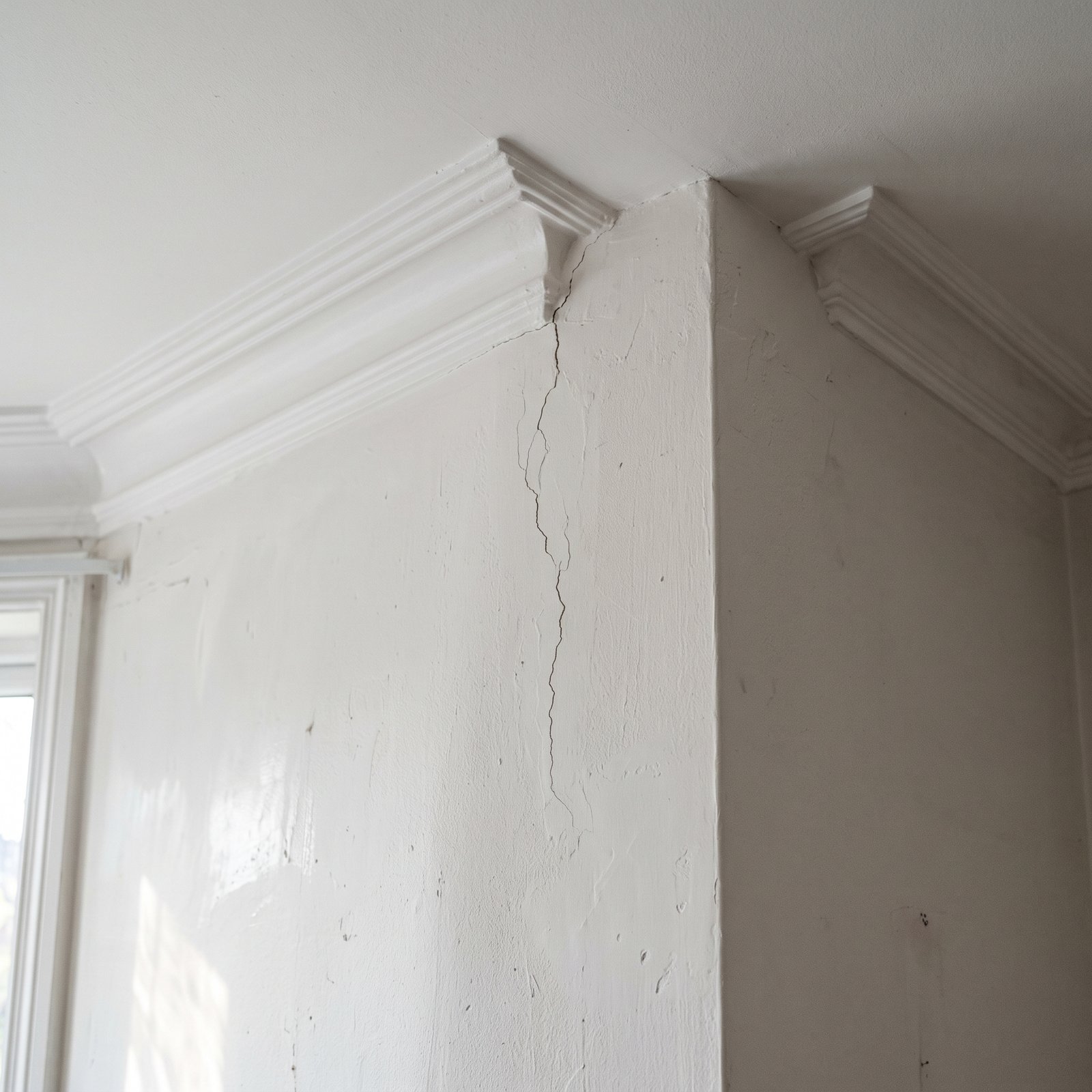
A ceiling stain may develop after repeated leakage.
In more severe cases, saturated materials may deteriorate.
Homeowners should take active water intrusion seriously.
If the ceiling appears severely swollen or unstable, keep people away from the affected area and seek professional help.
Can It Damage Floors or Walls?
Yes.
Air handlers installed in closets, utility rooms, or other interior spaces may leak onto nearby floors.
Moisture can damage baseboards, flooring, cabinetry, and drywall.
The consequences depend on how much water escapes and how long the area remains wet.
The EPA advises fixing water problems promptly and drying affected materials within 24 to 48 hours when possible to reduce mold risk.
Correcting the drainage problem and drying the affected area are separate tasks that may both be necessary.
Why Does a Musty Smell Sometimes Develop?
Persistent moisture can create conditions that support biological growth.
If condensate is not draining properly, standing water or damp materials may contribute to odors.
However, a musty smell does not prove that the condensate line is clogged.
Other moisture sources may be involved.
The EPA emphasizes that moisture control is central to preventing indoor mold problems.
A technician should examine the drainage system and surrounding materials when odors appear alongside water accumulation.
What Is a Condensate Drain Pan?
The drain pan is designed to collect water leaving the evaporator coil.
Some installations also have an auxiliary pan beneath the equipment.
These components may provide different levels of protection depending on the system.
Drain pans can become cracked, corroded, or damaged.
A leaking pan may resemble a clogged drain.
The contractor should inspect the pan and drain connections when diagnosing water problems.
Replacing a clogged line alone will not correct a cracked pan.
Can a Clogged Drain Affect Cooling Performance?
Indirectly, yes.
A safety switch may stop the system from operating.
Persistent moisture problems may also indicate maintenance issues that deserve attention.
However, a clogged condensate line does not necessarily reduce the cooling capacity of a system that continues operating normally.
It is important to distinguish drainage problems from issues involving airflow, refrigerant, or equipment sizing.
The symptoms should guide the diagnosis.
How Can Homeowners Recognize a Blockage?
Possible warning signs include water around the air handler, a full auxiliary drain pan, unexpected cooling shutdowns, recurring moisture stains, or slow drainage at the condensate outlet.
Some systems have accessible cleanouts or visual indicators.
However, the exact appearance varies by installation.
Do not open electrical panels or disassemble the system to investigate a suspected blockage.
If water is actively leaking near electrical components, turn the system off using a safe accessible control and contact a professional.
Should You Pour Chemicals Into the Drain?
Homeowners sometimes encounter advice recommending bleach, vinegar, or commercial drain cleaners.
However, not every chemical is compatible with every condensate system.
Strong cleaners may damage components or create hazardous fumes.
Manufacturers may provide specific maintenance instructions.
Follow the equipment’s documentation rather than using an improvised chemical treatment.
If the line is blocked, a qualified technician can select an appropriate clearing method.
How Do HVAC Technicians Clear Condensate Drains?
The procedure depends on the system and the type of obstruction.
A technician may inspect the drainage route, remove accessible buildup, clear the line using appropriate equipment, and verify that water flows correctly.
The technician should also assess the drain pan, trap configuration, slope, and safety switch operation where applicable.
Clearing the obstruction is only part of the process.
The system should be checked to confirm that condensate can drain reliably afterward.
Can Improper Drain Installation Cause Repeated Clogs?
Yes.
A drain line that lacks appropriate slope may retain water.
Improper trap configuration or other installation problems can also affect drainage.
Repeated clogs in the same system may warrant evaluation of the entire drainage arrangement.
A technician should determine whether the issue is maintenance-related or a design problem.
Repeatedly clearing a line without addressing its underlying defect may provide only temporary relief.
Does Routine AC Maintenance Include Drainage?
Condensate drainage is an important part of air conditioning maintenance.
The Department of Energy’s air conditioner maintenance guidance recommends checking condensate drains because clogged channels can reduce an air conditioner’s ability to manage humidity and may cause water damage.
A maintenance visit may include evaluating drain function, inspecting accessible components, and checking for moisture concerns.
The exact service depends on the contractor’s scope.
Homeowners should ask whether condensate drainage is included in their maintenance plan.
How Can You Reduce the Risk of Future Blockages?
Regular professional maintenance is helpful.
Keep accessible air filters maintained according to the system’s instructions.
Address recurring moisture or overflow issues promptly.
If the equipment has a safety switch or auxiliary drain pan, ask the technician whether those protections are operating correctly.
Homeowners should also understand where the drain discharges so unusual water accumulation can be recognized.
Preventive maintenance does not guarantee that a clog will never occur, but it may reduce avoidable problems.
When Should You Call an HVAC Professional?
Call for service if the air conditioner stops cooling and a drainage problem is suspected, water leaks near the equipment, or a drain pan repeatedly fills.
Prompt help is particularly important when the unit is installed above a finished ceiling.
If building materials have become wet, additional drying or restoration work may be needed.
Do not restart the system repeatedly when a safety switch is shutting it down because of water accumulation.
The underlying problem should be corrected first.
Final Thoughts
A clogged AC condensate drain line can turn normal moisture removal into a household water problem.
When drainage is restricted, water may back up, trigger a safety shutdown, or damage surrounding materials.
Routine maintenance and timely professional attention can help prevent larger consequences.
Homeowners should pay attention to unexpected water around their HVAC equipment, especially during periods of heavy cooling use.
A functioning condensate drainage system is an essential but often overlooked part of reliable air conditioning.