A remodel can make a home more functional, comfortable, and attractive. New flooring, fresh paint, updated cabinets, improved insulation, better windows, and redesigned rooms can all make a major difference. But during the renovation process, indoor air quality can take a hit.
Dust, debris, paint fumes, adhesives, insulation fibers, mold spores, combustion gases, old building materials, and poor ventilation can all affect the air inside the home while work is underway. Some issues are temporary and manageable. Others can become more serious if the project disturbs lead paint, asbestos-containing materials, hidden mold, or poorly vented appliances.
Indoor air quality matters because many homeowners live in the home while remodeling is happening. Children, older adults, pregnant people, pets, and people with asthma, allergies, or respiratory conditions may be more sensitive to dust and pollutants. Even a relatively small project can spread particles through living spaces if containment, ventilation, and cleanup are not planned well.
The EPA says remodeling and energy upgrades can negatively affect indoor air quality if the home is not assessed before work begins or if the work is performed improperly. The agency recommends steps to reduce pollution from new materials and from disturbing existing materials during remodeling.
Remodeling Can Release Dust and Particles
Dust is one of the most common indoor air quality problems during remodeling. Demolition, sanding, drywall work, tile removal, cabinet removal, flooring replacement, drilling, cutting, and framing can all release particles into the air.
Some dust is mostly a nuisance. Other dust may contain older paint, insulation fibers, mold particles, silica from certain materials, or other contaminants. Once dust becomes airborne, it can settle on floors, furniture, bedding, toys, countertops, HVAC vents, and personal items.
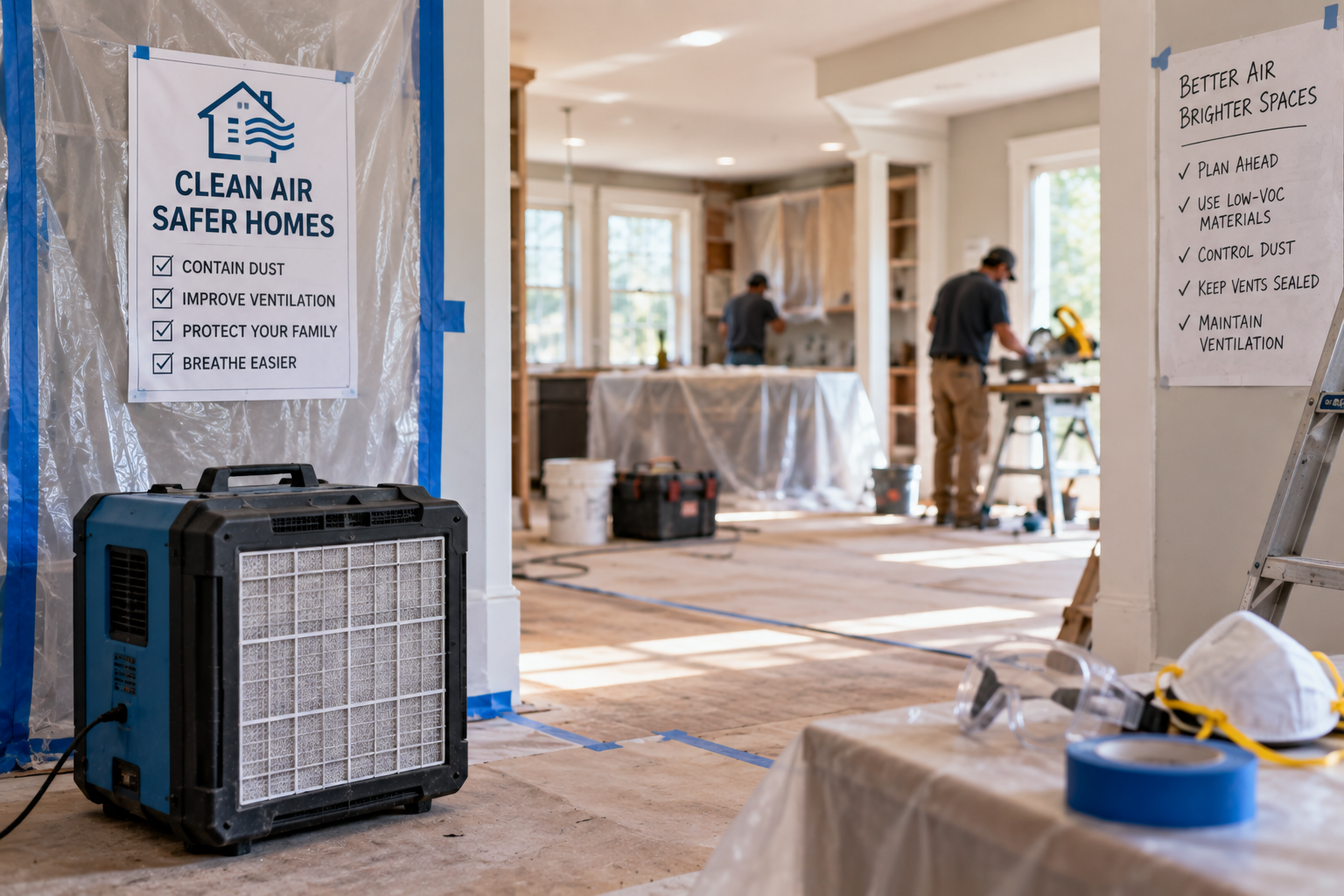
This is why work areas should be contained before messy phases begin. Plastic sheeting, closed doors, sealed vents, floor protection, and dedicated entry paths can help limit how far dust travels. For larger projects, homeowners may also need temporary barriers, negative air machines, or professional dust control methods.
Contractors Candy’s guide on how to prepare your home for a major renovation is a useful place to start because preparation affects how well the household is protected during construction.
Ventilation Needs to Be Planned, Not Guessed
Ventilation is important during renovation, but it needs to be handled carefully. Opening a window may help in some situations, but it is not a complete indoor air quality plan. The goal is to move dust, fumes, and pollutants away from occupied spaces without spreading them into clean areas.
The EPA’s remodeling guidance says ventilation is an important part of maintaining indoor air quality during renovation, including keeping dust and other pollutants out of the general area of the home. EPA also advises sealing air duct registers in the renovation area during activities that generate a lot of dust or debris.
That means homeowners should ask how the contractor will handle airflow before work starts. Will dust be contained? Will windows be used for exhaust? Will fans blow air outdoors or accidentally push dust into the rest of the home? Will HVAC vents be covered during demolition?
Contractors Candy’s article on why proper ventilation matters in every home explains why airflow affects comfort, moisture, and indoor air quality long after the remodel is complete.
HVAC Systems Can Spread Construction Dust
During a remodel, the HVAC system can become an accidental dust highway. If return vents or supply registers are open near the work area, dust can enter the duct system and move throughout the house.
This is why contractors may seal vents in the work zone during dust-heavy activities. Homeowners should also consider replacing HVAC filters more often during and after renovation, depending on the project and system. If the system runs while work is happening, filter checks become even more important.
It is also worth protecting equipment. Dust can settle around furnace rooms, air handlers, returns, and mechanical spaces if those areas are near construction. If remodeling work affects ducts, returns, or airflow, an HVAC professional may need to evaluate whether the system still works properly after the layout changes.
Contractors Candy’s article on how HVAC problems can affect indoor air quality is a helpful related resource because IAQ often depends on both the home’s construction and the mechanical systems moving air through it.
Paints, Adhesives, and New Materials Can Release VOCs
New materials can affect indoor air quality too. Paints, stains, sealants, flooring, cabinets, adhesives, caulks, composite wood products, and some finishes can release volatile organic compounds, often called VOCs.
The EPA explains that VOCs are emitted by many products used indoors and that concentrations of many VOCs are consistently higher indoors than outdoors. EPA also notes that paints, paint strippers, cleaning supplies, pesticides, building materials, furnishings, adhesives, permanent markers, and other products can be VOC sources.
Homeowners can reduce exposure by choosing lower-emitting products when possible, storing chemicals properly, increasing ventilation during and after application, and allowing certain materials to off-gas before installation when practical. The EPA’s best-practices guidance says that, when possible, materials containing VOCs should be allowed to off-gas outside before being brought into the home.
This is especially important if the household will remain in the home during painting, flooring installation, cabinet installation, or finish work.
Mold and Moisture Should Be Addressed Before Covering Walls
A remodel should not cover up moisture problems. If mold, damp framing, old leaks, or musty odors are discovered, the source of moisture needs to be fixed before new drywall, flooring, cabinets, or insulation go in.
The EPA says that if mold is a problem, the mold must be cleaned up and sources of moisture eliminated. EPA’s mold guidance also notes that mold exposure can cause allergic reactions and may aggravate asthma and other respiratory complaints in some people.
Moisture problems often show up during kitchen, bathroom, basement, laundry room, window, and roof-related projects. Warning signs can include water stains, soft subflooring, musty smells, bubbling paint, warped flooring, dark spots, or damp insulation.
Contractors Candy’s article on what homeowners should know about mold prevention during remodeling explains why moisture control should happen before new materials hide the issue.
Older Homes May Need Lead-Safe Practices
If your home was built before 1978, painted surfaces may contain lead-based paint. Renovation work that disturbs old paint can create lead dust, especially when sanding, scraping, cutting, or demolition is involved.
The EPA requires firms and individuals performing covered renovation, repair, painting, or other projects that disturb paint in pre-1978 target housing and child-occupied facilities to be certified and follow specific work practices. EPA’s remodeling guidance specifically notes that this requirement applies when covered projects disturb paint in pre-1978 homes.
This matters for window replacement, trim removal, wall opening, cabinet removal, stair work, exterior painting, and any project that disturbs old painted surfaces. Children and pregnant people are especially important to protect from lead exposure.
Contractors Candy’s article on what homeowners should know before renovating a pre-1978 home is a strong related resource before beginning work in an older property.
Asbestos Concerns Should Be Checked Before Demolition
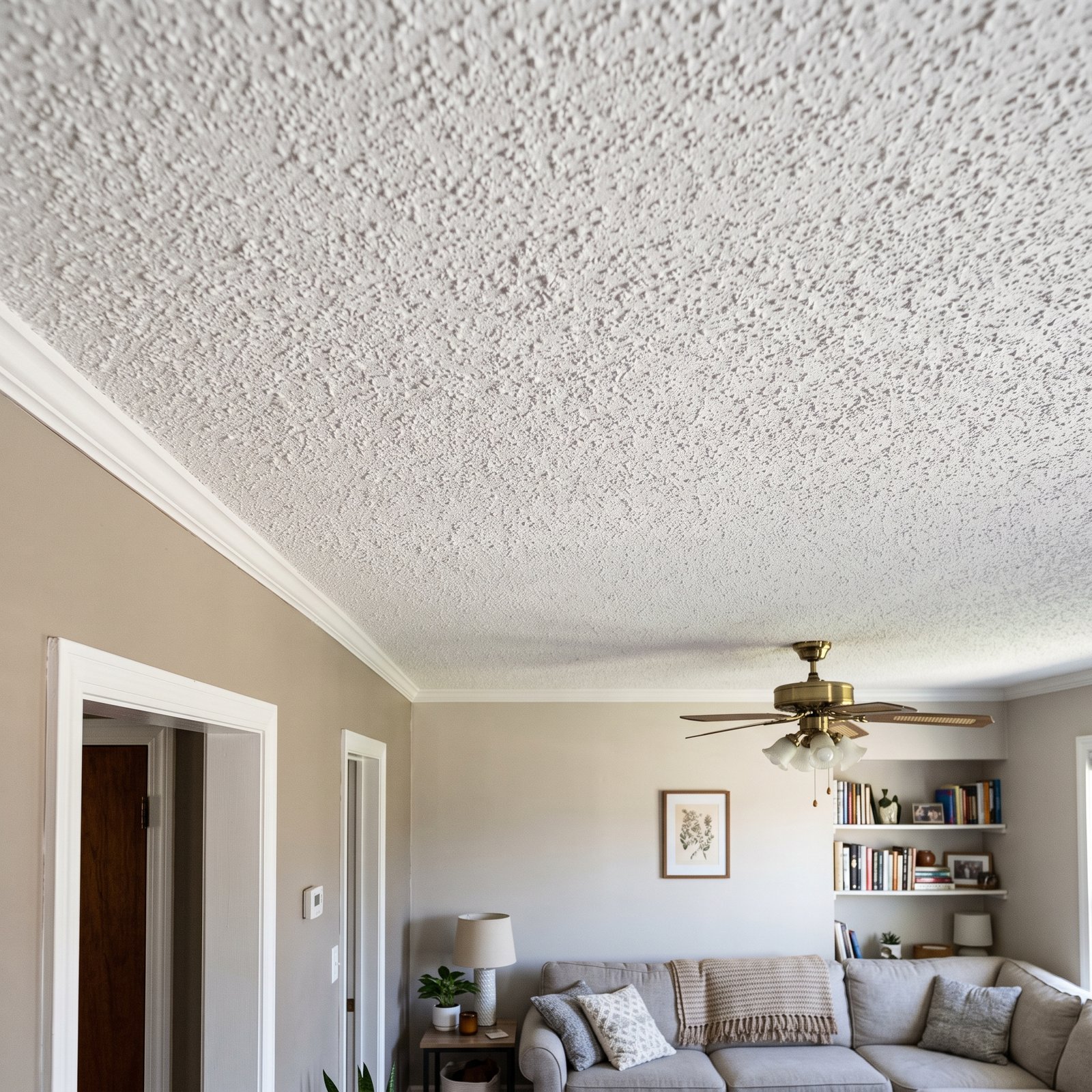
Some older homes may contain asbestos in materials such as certain floor tiles, adhesives, insulation, pipe wrap, textured ceilings, siding, roofing materials, or other products. Asbestos becomes most concerning when materials are damaged or disturbed in ways that release fibers.
Homeowners should not guess based on appearance. If suspect materials may be present, testing or professional evaluation may be needed before demolition. This is especially important during flooring removal, ceiling work, insulation work, mechanical upgrades, basement renovation, or old material removal.
Indoor air quality during remodeling depends on knowing what is being disturbed. If the material is questionable, pause before cutting, sanding, scraping, or tearing it out.
Contractors Candy’s guide on hidden safety hazards to check before starting a home renovation is useful because IAQ issues often overlap with hidden material hazards.
Carbon Monoxide Safety Still Matters During Remodeling
Carbon monoxide is not usually the first thing homeowners think about during remodeling, but it matters any time fuel-burning equipment, attached garages, generators, fireplaces, furnaces, water heaters, or ventilation changes are involved.
The CDC describes carbon monoxide as an odorless, colorless gas that can cause sudden illness and death. CDC guidance says never to use a generator inside a home or garage, even if doors and windows are open, and recommends battery-powered or battery-backup carbon monoxide detectors when using a generator.
During a remodel, carbon monoxide risks can increase if appliances are moved, vents are blocked, chimneys are affected, temporary heating is used, or generators are brought too close to the home. Fuel-burning tools, grills, camp stoves, and generators should never be used indoors.
If a renovation changes mechanical rooms, garage access, fireplaces, or exhaust systems, carbon monoxide detector placement and appliance venting should be reviewed.
Occupied Homes Need Extra Planning
Living in a home during a remodel requires more planning than renovating an empty house. The work zone should be separated from living zones as much as possible. Homeowners should think through sleeping areas, cooking space, bathrooms, pets, children, storage, and daily routines.
Dust and fumes should be kept away from bedrooms whenever possible. Personal items should be covered or moved. Toys, dishes, linens, and clothing should not be stored in the work area. Pets should not be allowed to walk through dust, debris, wet paint, adhesives, or exposed materials.
If someone in the home has asthma, allergies, chronic lung disease, chemical sensitivity, or a compromised immune system, temporary relocation during the messiest phases may be worth considering. Even if the rest of the household stays home, sensitive occupants may need extra protection.
Contractors Candy’s article on common construction delays and how homeowners can prepare for them can help homeowners plan for longer-than-expected disruption.
Material Storage Can Affect Indoor Air
Where materials are stored matters. Paints, solvents, adhesives, flooring products, sealants, stains, and cleaning chemicals should not be left open or stored casually inside occupied spaces.
Products should be kept sealed, labeled, and stored according to manufacturer directions. When possible, strong-smelling materials should be stored away from bedrooms and living areas. Rags, solvents, and flammable products should be handled carefully to reduce fire and air quality risks.
New materials may also need time before installation. The EPA notes that allowing VOC-containing materials to off-gas outside before bringing them inside can help reduce indoor exposure when practical.
This is a simple planning step that can make the home feel more livable during finish work.
Cleanup Should Happen Throughout the Project
Indoor air quality is easier to manage when cleanup happens throughout the remodel, not only at the end. Daily cleanup can reduce dust buildup and prevent debris from spreading through the home.
This may include HEPA vacuuming, damp wiping, removing debris, sealing trash, cleaning pathways, replacing temporary coverings, and checking containment. Dry sweeping can push fine dust back into the air, so cleanup methods matter.
If lead, mold, asbestos, or other hazardous materials are involved, cleanup should follow the appropriate professional standards. Ordinary cleaning may not be enough.
At the end of the project, homeowners may want a deeper cleaning of floors, surfaces, vents, light fixtures, window sills, and nearby rooms. HVAC filters should also be checked or replaced after dust-heavy work.
Watch for Warning Signs During the Remodel
Homeowners should pay attention to symptoms and environmental signs during renovation. Warning signs may include strong chemical odors, visible dust spreading outside the work area, stuffy air, condensation, musty smells, headaches, eye irritation, coughing, worsening allergies, or asthma symptoms.
EPA guidance says residents should be alert to signs of inadequate ventilation, such as stuffy air, condensation on cold surfaces, or mold and mildew growth.
If something feels wrong, pause and ask questions. Is the work area contained? Are vents sealed? Is ventilation being handled properly? Are wet materials drying? Are strong products being used in an occupied area? Is dust entering bedrooms or living spaces?
Do not wait until the project is finished to raise concerns.
Ask Contractors Specific IAQ Questions
Before hiring a contractor, ask how they handle indoor air quality during remodeling. Good questions include:
How will the work area be contained?
Will HVAC vents be sealed during dusty work?
How will dust be controlled?
What products will be used, and are lower-VOC options available?
How will moisture or mold discoveries be handled?
Is the home old enough to require lead-safe practices?
Could any materials contain asbestos?
How will cleanup be performed?
Can the household safely stay in the home during the project?
How will pets and children be kept away from the work zone?
A contractor who takes these questions seriously is more likely to plan the project carefully.
Contractors Candy’s guide on how to compare contractor estimates without choosing the cheapest bid is especially relevant because containment, cleanup, safety practices, and material choices can affect both cost and quality.
Final Thoughts
Indoor air quality should be part of every remodeling plan. Dust, VOCs, moisture, mold, lead paint, asbestos concerns, combustion gases, HVAC spread, poor ventilation, and construction debris can all affect the home while work is underway.
The best approach is to plan before demolition begins. Contain the work area, protect HVAC vents, choose materials thoughtfully, fix moisture problems, use lead-safe practices when required, avoid unsafe combustion sources, clean throughout the project, and pay attention to warning signs.
A remodel should make the home better, not create hidden air quality problems. With the right planning, homeowners can protect their living space, reduce disruption, and help the finished project feel healthier from the inside out.