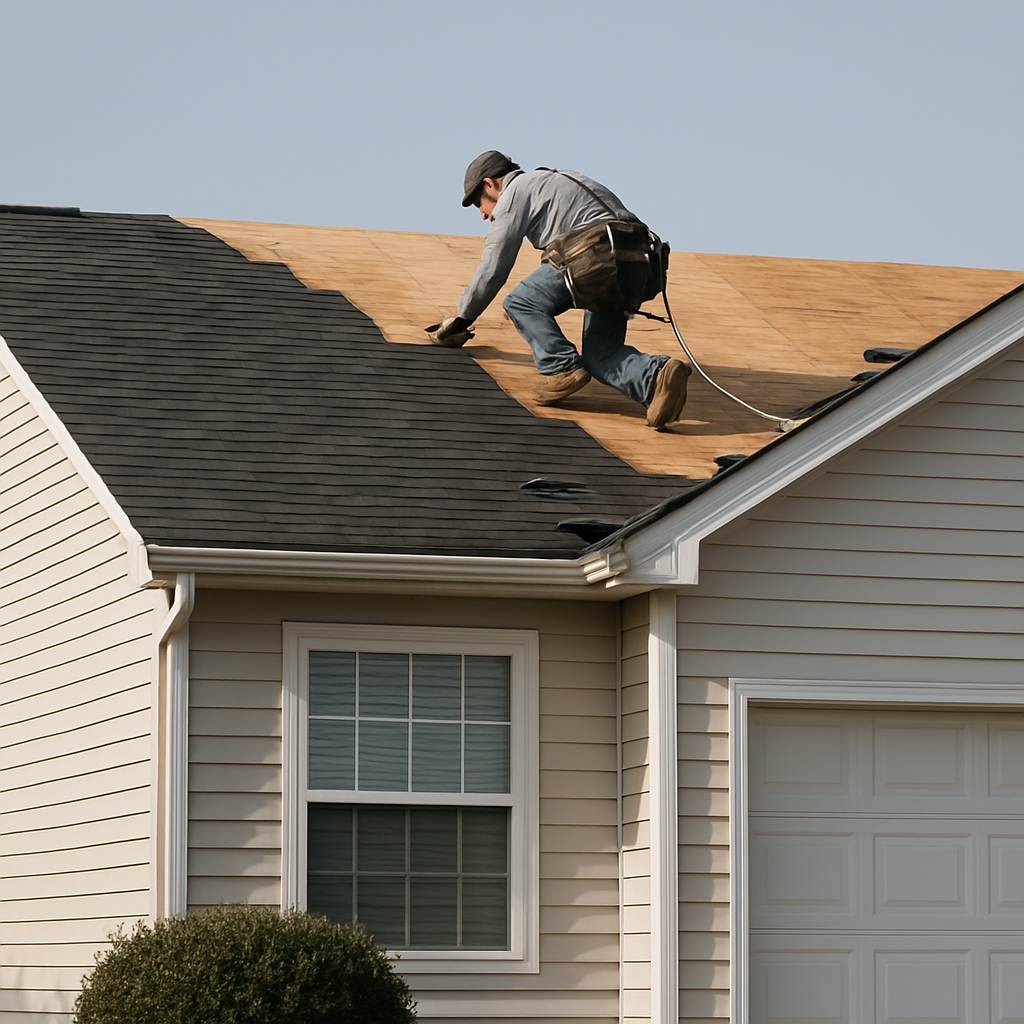
Hiring a roofing contractor is one of the most important decisions a homeowner can make. Your roof protects the entire structure of your home from rain, wind, hail, heat, snow, debris, pests, and moisture. When a roof is repaired or replaced correctly, it can help protect your home for years. When the work is done poorly, it can lead to leaks, hidden water damage, warranty issues, and expensive repairs.
Whether you need a small repair, storm damage work, or a full roof replacement, choosing the right contractor matters. A roofing project is not just about price. It is about safety, workmanship, materials, communication, cleanup, warranty protection, and whether the contractor is qualified to complete the job correctly.
The Federal Trade Commission recommends comparing contractors, checking references, understanding permits, and getting details in writing before hiring someone for home improvement work. The Better Business Bureau also advises homeowners to review company history, request written estimates, and avoid high-pressure tactics when hiring contractors.
Before you sign a contract or pay a deposit, here is what homeowners should know before hiring a roofing contractor.
Know What Kind of Roofing Work You Need
Before contacting contractors, try to understand the general problem you are dealing with. You do not need to diagnose the roof yourself, but it helps to know whether you are calling about a leak, missing shingles, storm damage, old age, ventilation concerns, gutter issues, or a full replacement.
A roof repair may involve replacing damaged shingles, fixing flashing, sealing a leak around a vent, repairing storm damage, or addressing a small problem area. A roof replacement involves removing and replacing the roofing system more broadly.
The National Roofing Contractors Association offers homeowner resources on roof system maintenance and contractor selection, including guidance on what affects roof cost and why multiple proposals from reputable contractors can help homeowners compare options.
Knowing your goals can help you ask better questions. Are you trying to stop a leak quickly? Improve storm protection? Replace an aging roof before it fails? Increase energy efficiency? Prepare the home for sale? Your reason for hiring a roofer should shape the conversation.
Ask About Licensing and Local Requirements
Roofing licensing requirements vary by state and local area. Some places require specific contractor licenses, registrations, permits, or insurance standards, while others have different rules. Homeowners should not assume every contractor advertising roofing services is properly qualified.
Before hiring a roofing contractor, ask what licenses or registrations are required in your area and whether the contractor meets those requirements. You can also check with your state licensing board, local building department, or consumer protection office.
Permits are another important issue. Some roofing projects require permits, especially full roof replacements or structural work. The FTC’s guide to hiring a contractor notes that a competent contractor should be familiar with the permitting process and should obtain necessary permits before starting work.
A contractor who tells you permits are unnecessary without explaining local rules may be a red flag. Permit requirements exist to help ensure work meets local building standards.
Verify Insurance Coverage
Roofing work involves height, tools, ladders, materials, debris, and potential property damage. That is why insurance is essential.
Before hiring a contractor, ask for proof of insurance. This may include general liability insurance and workers’ compensation coverage. General liability can help protect against certain types of property damage. Workers’ compensation can help protect workers if they are injured on the job.
Do not rely only on verbal promises. Ask for documentation and make sure it is current. If a contractor does not carry proper insurance, the homeowner may face unnecessary risk if an accident or damage occurs.
A trustworthy roofing contractor should be willing to provide proof of coverage and answer basic questions about how the home and worksite will be protected.
Get More Than One Estimate
Getting multiple estimates helps homeowners understand the range of pricing, materials, scope, and recommendations. A very low bid is not always the best deal, and a high bid is not automatically the best quality.
When comparing estimates, look beyond the final price. Does each estimate include the same scope of work? Are the same materials being used? Is tear-off included? What about underlayment, flashing, vents, drip edge, cleanup, disposal, permits, and warranty information?
The BBB’s guidance on hiring a reliable contractor recommends comparing written estimates and checking contractor history before making a decision. Multiple estimates give you a better sense of whether a proposal is complete and reasonable.
If one contractor is much cheaper than the others, ask why. The lower price may leave out important details or use lower-quality materials.
Make Sure the Estimate Is Detailed
A roofing estimate should be specific. A vague estimate can create confusion later, especially if the contractor and homeowner have different expectations.
A detailed roofing estimate may include:
The type of roofing material
Brand or product line
Color or style
Underlayment details
Flashing work
Ventilation work
Drip edge
Starter shingles
Ridge caps
Tear-off and disposal
Decking replacement terms
Permit responsibility
Cleanup and debris removal
Timeline
Payment schedule
Warranty information
If the estimate only says “roof replacement” with one total price, ask for more detail. Roofing systems include many parts, and those details affect performance.
A clear written estimate helps protect both the homeowner and contractor because everyone understands what is included.
Understand the Contract Before Signing
Once you choose a contractor, make sure the final contract includes the important project details. Do not rely on verbal conversations alone.
A roofing contract should clearly state the scope of work, materials, start and completion expectations, payment terms, warranty details, cleanup responsibilities, permit responsibilities, and how change orders will be handled.
The FTC warns homeowners to avoid making final payment until the work is completed and they are satisfied, and to make sure promises are written into the contract. Its contractor hiring guidance is a useful reference before signing any home improvement agreement.
If something matters to you, such as protecting landscaping, removing old materials, using a specific shingle, or installing new flashing, make sure it is included in writing.
Ask About Roofing Materials
Not all roofing materials are the same. Asphalt shingles, metal roofing, tile, slate, wood shakes, and low-slope roofing systems have different costs, lifespans, installation requirements, maintenance needs, and visual styles.
For many homeowners, asphalt shingles are the most common option. But even within asphalt shingles, there are differences in quality, wind ratings, impact resistance, color, warranty terms, and appearance.
Ask the contractor why they recommend a certain material for your home, climate, roof pitch, budget, and goals. Also ask whether the material is appropriate for your roof design.
A good contractor should be able to explain the pros and cons of your options in plain language. They should not pressure you into the most expensive choice without explaining the value.
Ask How They Handle Flashing and Ventilation
A roofing system is more than shingles. Flashing and ventilation are two areas that can affect long-term performance.
Flashing helps direct water away from vulnerable areas such as chimneys, skylights, valleys, walls, and roof penetrations. Poor flashing work is a common cause of leaks.
Ventilation helps manage heat and moisture in the attic. Poor ventilation can contribute to moisture problems, high attic temperatures, shingle wear, and indoor comfort issues. ENERGY STAR’s guide to sealing and insulating explains how attic insulation, air sealing, and ventilation work together to improve home comfort and energy performance.
When hiring a roofer, ask whether they inspect flashing and ventilation as part of the project. Replacing shingles without addressing failing flashing or ventilation problems may not solve the underlying issue.
Ask About Storm Damage Experience
If your roof was damaged by wind, hail, falling limbs, or severe weather, choose a contractor who understands storm-related roofing problems. Storm damage can be obvious, such as missing shingles or a puncture from a branch. It can also be subtle, such as lifted shingles, damaged flashing, bruised shingles, or granule loss.
FEMA’s guide to protecting your property from severe wind explains how strong wind and wind-driven debris can damage homes. After severe weather, roofing problems should be inspected carefully because small openings can lead to water intrusion.
Be cautious after major storms. Areas hit by severe weather often attract “storm chasers” or contractors who go door to door pressuring homeowners into quick decisions. A reputable contractor should give you time to review the estimate, verify credentials, and understand the work.
Be Careful With Insurance Claim Promises
Some roofing projects involve insurance claims, especially after storm damage. A roofing contractor may help document visible damage or provide an estimate, but homeowners should be cautious with anyone who promises a claim will definitely be approved.
Your insurance company determines coverage based on your policy, inspection, and claim process. Contractors should not pressure you to sign over benefits, inflate claims, or begin work before you understand your responsibilities.
Ask the contractor what role they play in the claims process. Make sure you also communicate directly with your insurance company so you understand deductibles, coverage limits, depreciation, documentation, and payment timing.
Check References and Reviews
Before hiring a roofing contractor, look at recent reviews and ask for references. Online reviews can reveal patterns in communication, timeliness, cleanup, workmanship, and how the company handles problems.
References are also helpful, especially for larger projects. Ask whether the contractor has completed similar roofing work in your area. If possible, ask past customers whether the project was completed on time, whether the final cost matched expectations, and whether they would hire the contractor again.
The BBB’s roofing-specific tips on hiring roofing contractors recommend checking references, insurance, written estimates, cleanup plans, and contract details before hiring a roofer.
A few negative reviews do not always mean a company is bad, but repeated complaints about leaks, poor communication, unfinished work, or payment disputes should be taken seriously.
Ask About Cleanup and Property Protection
Roofing work can be messy. Old shingles, nails, underlayment, flashing, packaging, and debris may come off the roof during removal and installation. Before hiring a contractor, ask how they protect the property.
A roofing company should explain how they protect landscaping, siding, gutters, windows, driveways, patios, and outdoor furniture. They should also explain how nails and debris will be cleaned up.
Ask whether they use tarps, magnetic nail sweepers, dumpsters, or trailers. Ask who is responsible if property is damaged during the project.
Cleanup should be part of the scope, not an afterthought.
Understand the Warranty
Roofing warranties can be confusing because there may be more than one type. A manufacturer warranty may cover materials. A workmanship warranty may cover installation. These are not the same thing.
Ask what warranties apply, how long they last, what they cover, what they exclude, and what could void them. For example, improper ventilation, poor installation, unauthorized repairs, or lack of maintenance may affect warranty coverage.
Make sure warranty terms are provided in writing. If a contractor promises a warranty verbally, ask for documentation.
Avoid High-Pressure Sales Tactics
A roofing contractor should not pressure you into signing immediately. Be cautious if someone says the price is only good today, claims your roof is about to collapse without evidence, asks for a large cash payment upfront, or shows up uninvited after a storm pushing urgent repairs.
The FTC’s consumer advice on construction-related scams reminds homeowners to compare contractors, check references, and be cautious before paying or signing. A reputable roofer should allow you time to review the proposal and ask questions.
Urgent roof leaks and storm damage should be addressed quickly, but quick action is not the same as rushed decision-making.
Final Thoughts
Before hiring a roofing contractor, homeowners should understand the scope of work, verify licensing and insurance, compare detailed written estimates, review the contract carefully, ask about materials, flashing, ventilation, storm damage experience, cleanup, warranties, and references.
A roof is too important to trust to vague promises or the lowest bid alone. The right contractor should communicate clearly, explain recommendations, protect your property, follow local requirements, and put important details in writing.
Taking time to choose carefully can help you avoid costly mistakes and give you more confidence that your roof repair or replacement will protect your home for years to come.