A great backyard starts with a place to gather. Whether you want room for grilling, outdoor dining, morning coffee, family time, or weekend entertaining, the surface you choose matters. For many homeowners, the decision comes down to two popular options: a deck or a patio.
Both can improve outdoor living space. Both can add function and visual appeal. Both can make a backyard more useful. But they are not the same. Decks and patios differ in cost, structure, materials, maintenance, design flexibility, terrain requirements, and long-term performance.
The right choice depends on your yard, budget, lifestyle, home design, climate, and how you plan to use the space. Before choosing one over the other, it helps to understand the strengths and trade-offs of each.
What Is a Deck?
A deck is an elevated outdoor platform, usually built from wood, composite, PVC, or other decking materials. Decks are typically attached to the house, though they can also be freestanding. Because they are raised above the ground, decks often require framing, support posts, footings, stairs, railings, and structural connections.
Decks are especially useful when a home has an elevated back door, sloped yard, walkout basement, or uneven terrain. Instead of building directly on the ground, a deck creates a level outdoor surface above the landscape.
Decks can be simple and functional or large and elaborate. Some include built-in benches, pergolas, privacy screens, lighting, outdoor kitchens, or multi-level designs. Because they are raised, decks can also offer better views of the yard, neighborhood, trees, or surrounding landscape.
What Is a Patio?
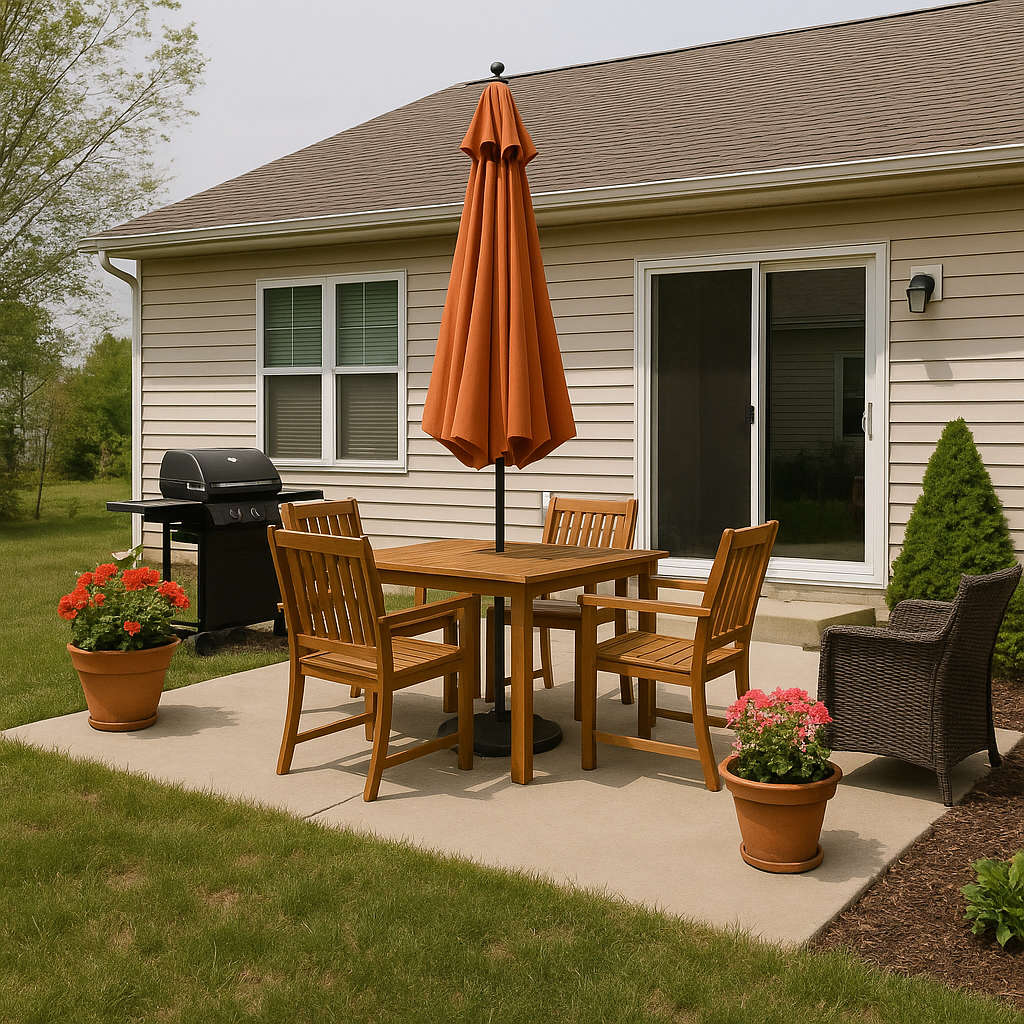
A patio is a ground-level outdoor surface, usually made from concrete, pavers, brick, stone, tile, gravel, or similar materials. Patios are built directly on or near the ground and are often located off the back of the home, around a pool, beside a garden, or in a separate backyard seating area.
Patios work well for homeowners who want a solid, low-profile outdoor living space. They can be designed in many shapes and sizes, from small seating areas to large entertainment zones.
Because patios sit on the ground, they usually do not require railings or elevated framing. However, they do require proper site preparation, grading, base materials, and drainage planning. A poorly installed patio can settle, crack, shift, or collect water.
Cost Differences Between Decks and Patios
Cost is often one of the biggest factors in the deck vs. patio decision. In many cases, patios are less expensive than decks, especially when built with basic concrete or gravel. However, high-end patios made with natural stone, premium pavers, custom patterns, retaining walls, drainage systems, or outdoor kitchens can become expensive.
Decks often cost more because they require structural framing, posts, footings, fasteners, stairs, railings, and labor-intensive construction. Material choice also matters. Pressure-treated wood is usually more affordable upfront than composite or PVC decking, but it may require more maintenance over time.
Composite decking costs more initially, but it may reduce staining, sealing, and long-term upkeep. Similarly, a simple concrete patio may be affordable, while a custom paver patio with built-in seating and lighting may cost more than a basic deck.
The best way to compare cost is not just upfront price. Homeowners should also consider maintenance, lifespan, repairs, and how well the space fits the property.
Maintenance Requirements
Decks and patios both need maintenance, but the type of maintenance differs.
Wood decks typically require regular cleaning, staining, sealing, and inspection for rot, splinters, loose boards, fastener issues, and structural wear. Composite and PVC decks usually require less maintenance, but they still need cleaning and occasional inspection.
Because decks are elevated, the framing underneath also matters. Posts, joists, ledger boards, stairs, and railings should be checked for movement, moisture damage, loose connections, and decay. A deck that looks fine on the surface may still have structural issues below.
Patios usually require less structural maintenance, but they can still develop problems. Concrete can crack. Pavers can settle or shift. Weeds may grow between joints. Stone may need cleaning or sealing. Poor drainage can cause erosion, pooling water, or base failure.
If low maintenance is a top priority, a properly installed patio or a composite deck may be worth considering. The key is choosing materials that match how much upkeep you are willing to handle.
Which Works Better for Sloped Yards?
Yard slope can strongly influence the decision. Decks are often better for sloped or uneven yards because they can be built above the grade. Instead of extensive excavation, retaining walls, or grading, a deck can create a level surface over a difficult area.
This is one reason decks are common on homes with walkout basements, hillside lots, or elevated rear entries. A deck can connect directly to the home’s main living area and provide usable outdoor space even when the yard drops away.
Patios work best on relatively level ground. A patio can be built on a sloped yard, but it may require grading, retaining walls, steps, drainage systems, and more site preparation. These additions can increase cost and complexity.
If your backyard is flat or gently sloped, either option may work. If your yard has a steep grade, a deck may be the more practical choice.
Drainage and Water Management
Drainage is critical for patios. Since patios sit on the ground, water needs somewhere to go. If the surface slopes toward the house, water can collect near the foundation. If the base is not prepared correctly, the patio may settle, crack, or shift.
A good patio should be graded away from the home and installed over a proper base. Paver patios may also need compacted gravel, edge restraints, polymeric sand, and drainage planning. Poor drainage can shorten the life of the patio and create problems around the house.
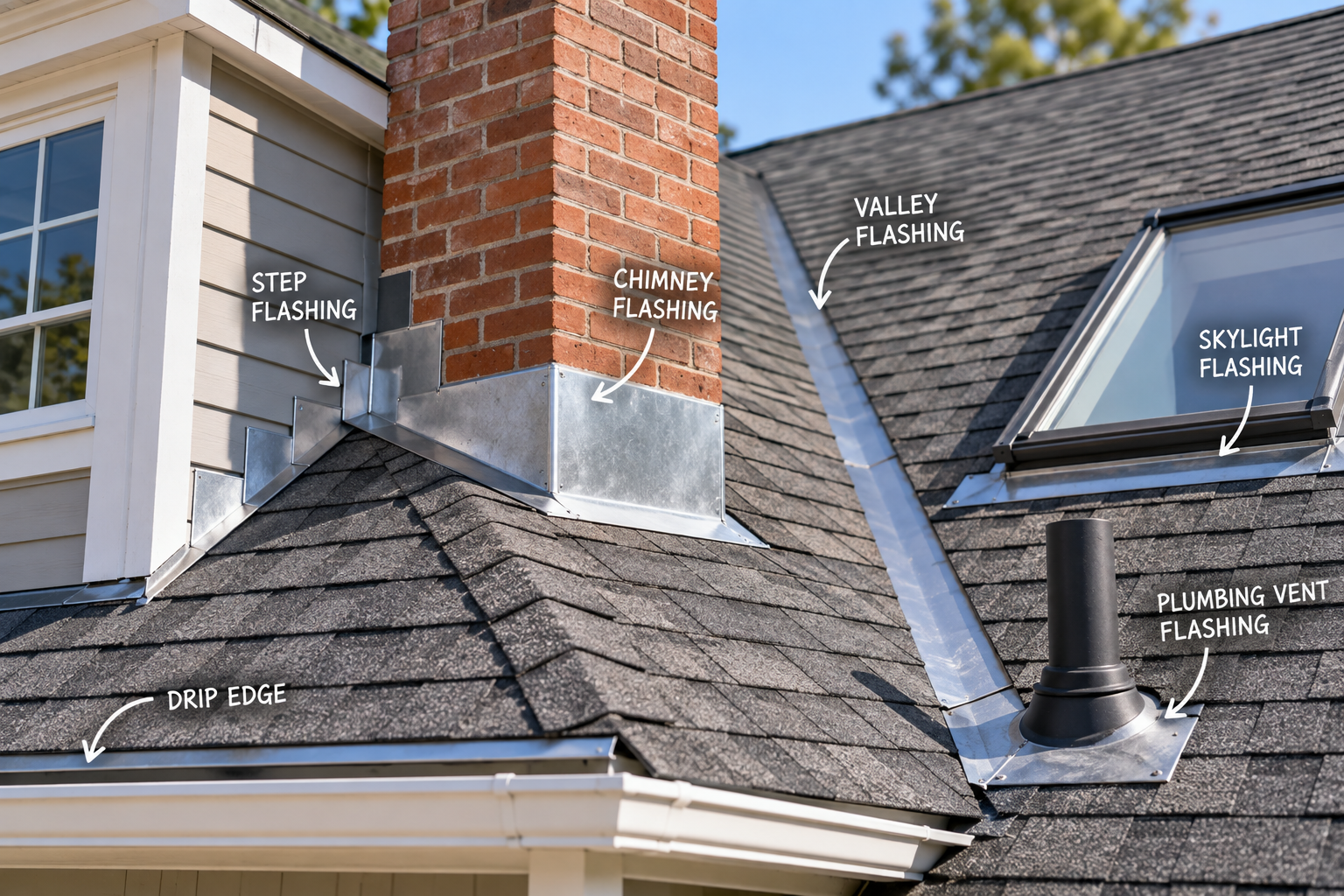
Decks are elevated, so surface drainage is usually less of a concern. Rainwater falls through gaps between deck boards or runs off the surface. However, decks can still create moisture concerns where they attach to the house. The ledger board connection must be properly flashed to prevent water damage.
Whether you choose a deck or patio, water management should be part of the design.
Design and Style Options
Both decks and patios offer plenty of design flexibility.
Decks can be built in different shapes, levels, heights, and layouts. They can include stairs, railings, lighting, built-in seating, privacy walls, pergolas, and under-deck storage. Decking boards can run in patterns, borders, or picture-frame designs. Composite decking comes in many colors and textures.
Patios offer even more freedom in shape and material variety. Concrete can be poured, stamped, stained, or finished in different ways. Pavers come in many colors, sizes, and patterns. Natural stone gives a more organic look. Brick creates a classic style. Patios can curve around landscaping, connect to walkways, surround fire pits, or expand into multiple outdoor zones.
If you want an elevated space that feels like an extension of the home, a deck may fit better. If you want a grounded, landscape-integrated space, a patio may be the stronger choice.
Comfort and Everyday Use
Think about how you plan to use the space. A deck attached to the main floor can be convenient for grilling, dining, and entertaining because it connects directly to the kitchen or living area. You can step outside without going down stairs, which makes it feel like an outdoor room.
A patio can feel more connected to the yard. It is ideal for fire pits, outdoor kitchens, lounge seating, gardens, pool areas, and ground-level entertaining. Patios often feel more permanent and integrated with landscaping.
Sun exposure also matters. Decks can get hot depending on the material and color. Some composite materials retain heat in direct sun. Concrete and stone patios can also get hot, especially in open areas without shade.
Adding shade through pergolas, umbrellas, trees, awnings, or covered structures can improve comfort for either option.
Privacy Considerations
Decks are elevated, which can improve views but reduce privacy. If your deck looks into neighboring yards or sits above a fence line, you may need privacy screens, landscaping, lattice, or rail features.
Patios are lower to the ground and often easier to screen with fences, shrubs, retaining walls, planters, or garden beds. If privacy is a major concern, a patio may feel more secluded.
That said, both decks and patios can be designed with privacy in mind. The right choice depends on the layout of your yard and nearby homes.
Resale Value and Curb Appeal
Both decks and patios can improve resale appeal when they are well-built and match the home. Buyers often like outdoor living spaces because they make the property feel larger and more usable.
A deck may add value if it creates a functional transition from the home to the backyard, especially on sloped lots. A patio may add value if it creates a beautiful, low-maintenance entertainment area with good landscaping.
Poorly built outdoor spaces can have the opposite effect. A rotting deck, cracked patio, bad drainage, or unsafe railing may raise concerns for buyers. Quality installation matters more than simply choosing one option over the other.
Which One Lasts Longer?
Lifespan depends on material, climate, installation quality, and maintenance.
A well-built concrete or paver patio can last for decades if the base is prepared correctly and drainage is handled well. However, patios can crack, settle, or shift if installed poorly.
Wood decks can last many years with proper maintenance, but they are more vulnerable to moisture, rot, insects, and weathering. Composite and PVC decks may last longer with less upkeep, but the framing underneath still needs protection and inspection.
In general, patios often have an advantage in long-term durability, while decks offer advantages for elevated access and uneven terrain.
Can You Have Both?
Many backyards benefit from both a deck and a patio. For example, a deck may connect to the main floor for dining and grilling, while stairs lead down to a patio with a fire pit, seating area, or outdoor kitchen.
Combining both can create multiple outdoor zones. The deck becomes an extension of the home, while the patio becomes a destination in the yard. This approach works especially well for larger yards or sloped properties.
The main downside is cost. Building both requires more planning, materials, and coordination. But for homeowners who want a layered outdoor living space, the combination can be worth it.
Final Thoughts
So, deck vs. patio: which is better for your backyard? The answer depends on your property and priorities.
Choose a deck if your yard is sloped, your home has an elevated entrance, you want direct access from the main floor, or you prefer a raised outdoor living area. Choose a patio if your yard is fairly level, you want lower maintenance, you like a ground-level entertainment space, or you want the design to blend naturally with landscaping.
Both options can add comfort, function, and value when they are designed well. The best choice is the one that fits your home, budget, lifestyle, and long-term maintenance expectations.