Choosing a roofing material is one of the most important decisions a homeowner can make. A roof affects curb appeal, long-term maintenance, energy performance, storm resistance, home value, and future repair costs. While there are many roofing materials available, three of the most common options are asphalt shingles, metal roofing, and tile roofing.
Each material has advantages and trade-offs. Asphalt shingles are popular because they are affordable and widely available. Metal roofing is known for durability, energy efficiency, and long service life. Tile roofing offers a distinctive look and strong performance in certain climates, but it requires the right structure and installation.
The best choice depends on your budget, climate, home style, maintenance expectations, and how long you plan to stay in the home. Understanding the differences can help you make a smarter decision before replacing or upgrading your roof.
Asphalt Shingles
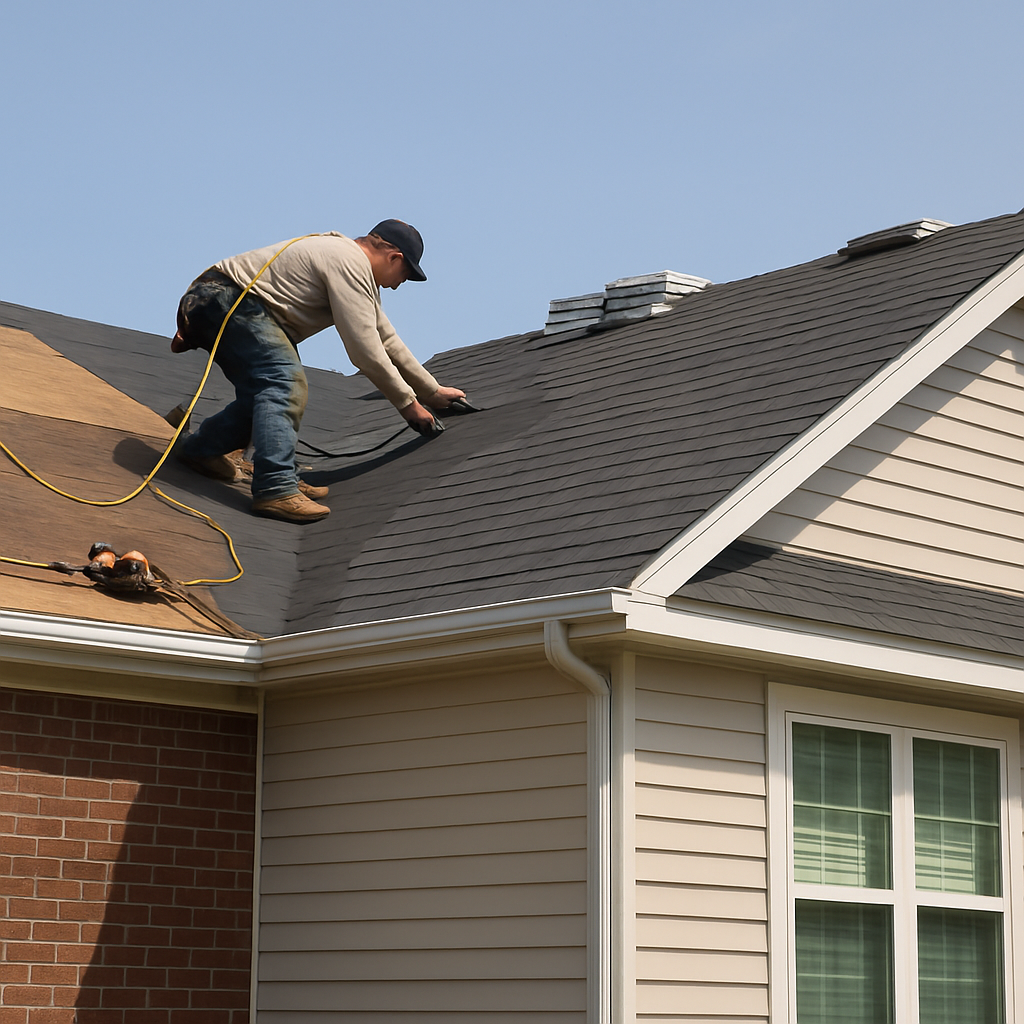
Asphalt shingles are the most common residential roofing material in many parts of the United States. They are made from a fiberglass or organic mat coated with asphalt and topped with protective granules. These granules help shield the roof from sunlight, weather, and impact.
Homeowners often choose asphalt shingles because they are cost-effective, easy to install, and available in many colors and styles. Most roofing contractors are familiar with shingle installation, which can make repairs and replacement easier to schedule.
There are different types of asphalt shingles. Three-tab shingles are usually the most basic and affordable. Architectural shingles, also called dimensional shingles, are thicker and more textured, giving the roof a more layered appearance. Premium shingles may be designed to mimic slate, shake, or other higher-end materials.
For many homeowners, asphalt shingles offer a practical balance of price, appearance, and performance.
Pros of Asphalt Shingles
The biggest advantage of asphalt shingles is affordability. Compared with metal or tile roofing, shingles usually cost less upfront. That makes them a popular choice for homeowners who need a reliable roof replacement without a premium price tag.
Asphalt shingles are also versatile. They work with many home styles, from traditional houses to newer suburban homes. Because they come in many colors, homeowners can choose a look that matches siding, brick, stone, or trim.
Repairs are usually straightforward. If a few shingles are damaged by wind, falling branches, or wear, they can often be replaced without redoing the entire roof. Asphalt shingles are also relatively lightweight, so most homes do not need structural reinforcement before installation.
Cons of Asphalt Shingles
The main downside of asphalt shingles is lifespan. While quality shingles can last many years, they typically do not last as long as metal or tile roofing. Heat, sunlight, wind, hail, poor attic ventilation, and installation quality can all affect performance.
Shingles can curl, crack, lose granules, lift in high winds, or develop algae staining. In hot climates, intense UV exposure can age shingles faster. In cold climates, ice dams and freeze-thaw cycles can also cause problems.
Asphalt shingles are also petroleum-based, and old shingles often contribute to landfill waste when removed. Some recycling options exist, but availability varies by region.
For homeowners seeking the longest-lasting or lowest-maintenance material, shingles may not be the top choice.
Metal Roofing
Metal roofing has become increasingly popular for residential homes. It is available in several forms, including standing seam panels, metal shingles, corrugated panels, and metal roofing designed to mimic tile, slate, or shake.
Common metal roofing materials include steel, aluminum, copper, and zinc. Steel is widely used because it is durable and more affordable than premium metals. Aluminum is often chosen in coastal areas because it resists corrosion well. Copper and zinc are higher-end materials known for longevity and distinctive appearance.
Metal roofing is valued for durability, long lifespan, energy efficiency, and strong weather resistance. It can work on modern, farmhouse, commercial-style, rustic, and even traditional homes depending on the design.
Pros of Metal Roofing
Metal roofs are known for lasting longer than asphalt shingles when installed properly. They resist many common roofing problems, including cracking, curling, and granule loss. Metal can also shed rain and snow efficiently, which can help in areas with heavy precipitation.
Energy performance is another major advantage. Many metal roofs reflect solar heat rather than absorbing it, which may help reduce cooling demand in warm climates. Reflective coatings and lighter colors can improve this benefit.
Metal roofing is also relatively lightweight compared with tile. In many cases, it does not require major structural changes. It can be a good option for homeowners who want a longer-lasting roof without the weight of clay or concrete tile.
Metal roofs can also be more resistant to fire than some other materials, depending on the roof assembly and product rating. They are often considered a strong option for homeowners who want durability and weather performance.
Cons of Metal Roofing
The main drawback of metal roofing is upfront cost. Metal roofs usually cost more than asphalt shingles, especially standing seam systems or premium metals. While the long lifespan can make the investment worthwhile, the initial price may be a barrier for some homeowners.
Metal roofing can also be noisy during heavy rain or hail if not installed with proper underlayment and insulation. Some homeowners like the sound, while others do not.
Denting can be a concern in hail-prone areas, depending on the material and thickness. Aluminum and softer metals may dent more easily than heavier-gauge steel. Repairs can also be more specialized than shingle repairs. Matching panels or coatings may require an experienced metal roofing contractor.
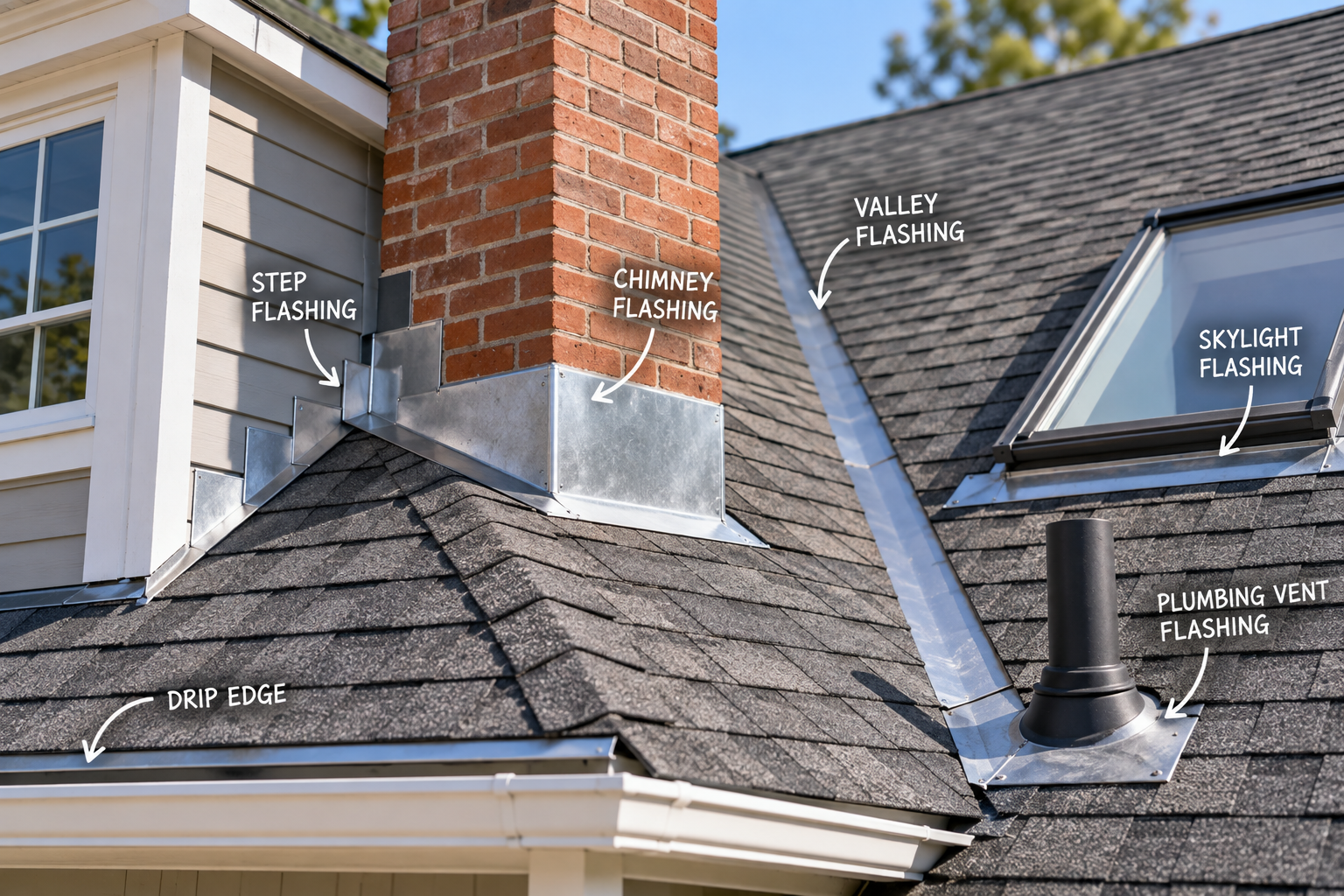
Installation quality is critical. A poorly installed metal roof can leak at seams, fasteners, penetrations, or flashing details. Homeowners should choose contractors with specific metal roofing experience.
Tile Roofing
Tile roofing is commonly associated with Mediterranean, Spanish, Southwestern, and high-end architectural styles. Tiles are typically made from clay or concrete, though some synthetic tile products are also available.
Clay tile is known for its classic appearance, color stability, and long lifespan. Concrete tile is often less expensive than clay but still offers a durable, substantial roofing option. Tile roofing can be curved, flat, interlocking, or designed in different profiles depending on the style of the home.
Tile performs especially well in hot, sunny climates when installed correctly. It can resist UV exposure, fire, and insect damage. Its appearance is one of the biggest reasons homeowners choose it.
Pros of Tile Roofing
Tile roofing can last a very long time with proper installation and maintenance. Clay and concrete tiles do not rot, and they are not vulnerable to insect damage. They also handle intense sunlight better than many other materials.
Tile can help with thermal performance because the shape and installation method may create air space between the tile and roof deck. This can help reduce heat transfer in certain climates.
Aesthetically, tile roofing has a strong visual identity. It can give a home a custom, upscale, or regionally appropriate appearance. For homes designed around tile, replacing it with a different material can significantly change the look of the property.
Tile is also durable against many weather conditions, though individual tiles can crack from impact, foot traffic, or improper installation.
Cons of Tile Roofing
The biggest drawback of tile roofing is weight. Clay and concrete tiles are much heavier than asphalt shingles or metal roofing. Not every home is built to support a tile roof. Before installing tile, the structure may need to be evaluated and possibly reinforced.
Tile roofing is also expensive compared with asphalt shingles. Materials, labor, underlayment, flashing, and structural requirements can all increase cost. Installation requires specialized skill, and repairs should be handled carefully to avoid breaking tiles.
Another important point is that tiles themselves are not the only waterproofing component. The underlayment beneath the tile is critical. Over time, underlayment can age and need replacement even if the tiles still look good. This is especially important in hot climates where underlayment may dry out or deteriorate.
Tile can also break if walked on incorrectly, making maintenance more delicate.
Comparing Lifespan
Asphalt shingles typically have the shortest lifespan of the three, though higher-quality shingles and proper ventilation can extend performance. Metal roofing usually lasts longer than shingles and may provide decades of service with proper installation. Tile roofing can last even longer, especially clay tile, but the underlayment may need attention before the tiles themselves fail.
Lifespan depends heavily on climate, installation quality, maintenance, attic ventilation, roof slope, and storm exposure. A well-installed asphalt roof may outperform a poorly installed metal or tile roof. Material matters, but workmanship matters just as much.
Comparing Cost
Asphalt shingles are usually the most affordable upfront. Metal roofing generally costs more but may offer better long-term value because of its lifespan and lower maintenance needs. Tile roofing is often one of the more expensive options due to material cost, labor, weight, and structural considerations.
Homeowners should compare total value, not just installation price. A cheaper roof that needs replacement sooner may cost more over several decades. A more expensive roof may be worthwhile if it lasts longer and fits the home well.
Comparing Maintenance
Asphalt shingles require periodic inspections for missing shingles, granule loss, curling, cracking, algae, and flashing issues. Metal roofs should be checked for fastener issues, coating wear, seam problems, dents, and flashing details. Tile roofs should be inspected for cracked tiles, slipped tiles, damaged underlayment, clogged valleys, and flashing problems.
All roof types need maintenance. No material is completely hands-off. Gutters, flashing, ventilation, penetrations, and drainage all matter regardless of the roofing material.
Which Roofing Material Is Best?
There is no single best roofing material for every home. Asphalt shingles are a strong choice for affordability and broad availability. Metal roofing is ideal for homeowners who want durability, energy efficiency, and a longer lifespan. Tile roofing is best for homes that can support the weight and benefit from its distinctive appearance and climate performance.
Before choosing, consider your budget, home style, local weather, structural capacity, maintenance expectations, and long-term plans. It is also wise to speak with a qualified roofing contractor who can evaluate your roof structure and explain what makes sense for your specific property.
A roof is a long-term investment. Choosing the right material now can protect your home, improve curb appeal, and reduce future headaches.