A home remodel can start with a clear budget and still become more expensive than expected. Sometimes the increase comes from choices homeowners make along the way, such as upgrading materials, adding features, or expanding the project. Other times, the added cost comes from issues no one could fully see until work begins, such as hidden water damage, outdated wiring, plumbing problems, structural concerns, or permit-related changes.
This is one reason remodeling budgets should include both the expected scope and a realistic cushion for surprises. Even well-planned projects can change once walls are opened, flooring is removed, or old systems are exposed. A kitchen remodel, bathroom remodel, basement remodel, roof project, HVAC replacement, or major renovation may reveal conditions that were not visible during the first walkthrough.
The goal is not to scare homeowners away from remodeling. It is to help them understand where unexpected costs come from so they can plan smarter, ask better questions, and make more confident decisions.
Here are the most common reasons a home remodel becomes more expensive than expected.
Hidden Damage Behind Walls, Floors, or Ceilings
Hidden damage is one of the biggest reasons remodel costs increase. A room may look fine from the outside, but once demolition begins, contractors may discover water damage, mold, rot, termite damage, damaged framing, old leaks, or failing subflooring.
Moisture is especially common in kitchens, bathrooms, basements, laundry rooms, and around roofs or windows. A small leak behind a wall can affect drywall, insulation, framing, flooring, and nearby materials. The EPA explains that controlling moisture is key to preventing mold, and it recommends fixing plumbing leaks and other water problems as soon as possible while drying wet materials completely.
If hidden damage is discovered, the project may need repair work before the visible remodel can continue. For example, new flooring should not be installed over a damaged subfloor. New drywall should not cover an unresolved leak. A new shower should not be installed over rotted framing.
Contractors Candy’s article on how water damage can spread through a home is a useful related guide for understanding why small moisture problems can lead to larger repairs.
Plumbing Problems Can Change the Plan
Plumbing is another common source of unexpected remodeling costs. This is especially true in kitchens, bathrooms, laundry rooms, basements, and additions.
A remodel may become more expensive if old pipes need replacement, drains are not properly sized, valves are corroded, water lines are not where expected, or plumbing needs to be moved to fit the new layout. Moving a sink, toilet, shower, bathtub, dishwasher, or washing machine can add cost because it may require opening walls or floors and rerouting supply or drain lines.
Plumbing problems can also delay other trades. If a leak, outdated pipe, or drainage issue is discovered, it must often be fixed before cabinets, tile, flooring, or drywall can be completed.
Contractors Candy’s article on how plumbing problems can affect a remodel timeline explains why plumbing should be considered early in the planning process.
Electrical Updates May Be Needed
Electrical work can also expand the budget. Older homes may have outdated wiring, overloaded circuits, limited outlets, old panels, missing GFCI protection, or wiring that does not meet current project needs.
A homeowner may plan a simple kitchen or bathroom update, only to discover that the room needs additional circuits, safer outlet placement, improved lighting, code-related upgrades, or panel capacity review. Modern homes use more electrical devices than older homes were originally designed for. Appliances, lighting, ventilation fans, smart devices, chargers, heated flooring, and HVAC components can all affect electrical planning.
Electrical work is not an area where shortcuts make sense. If the project requires updates for safety or code compliance, those updates may increase cost but can also protect the home long term.
Structural Changes Add Cost Quickly
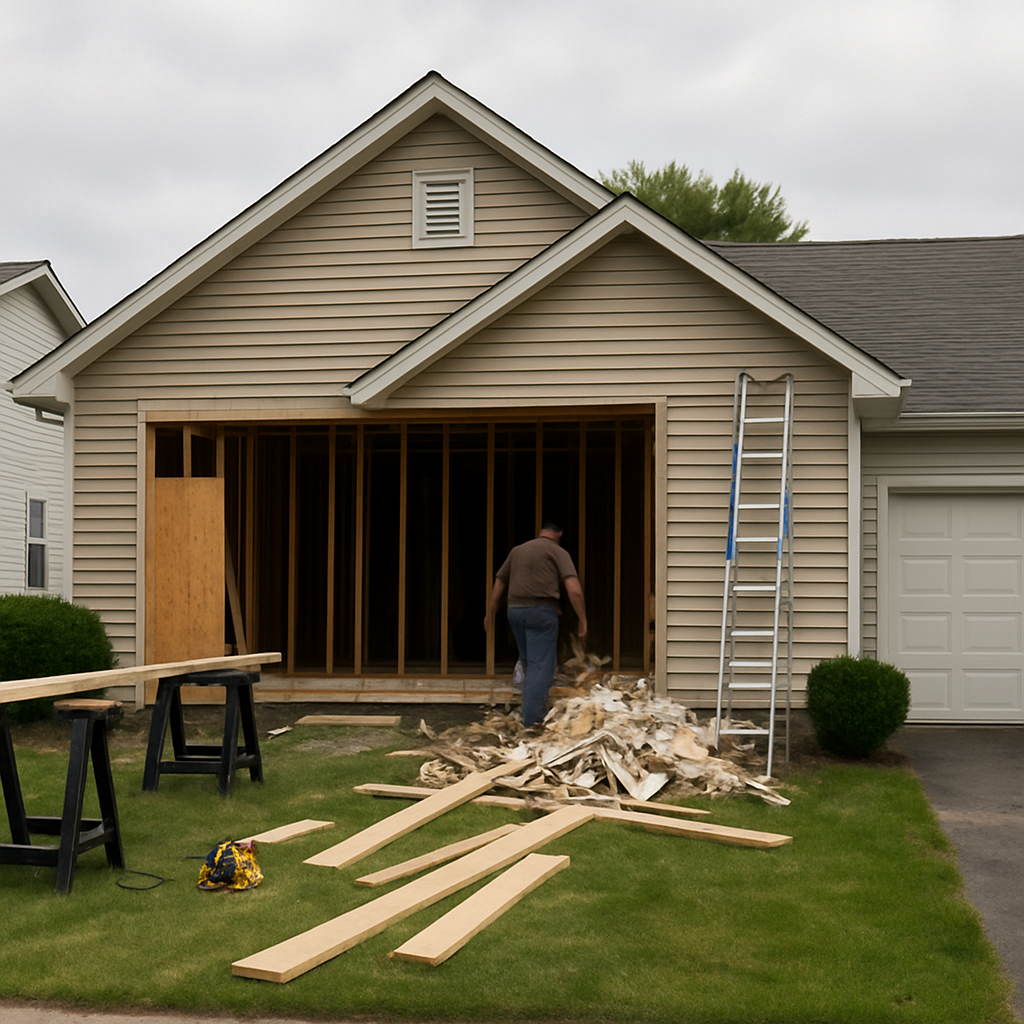
Structural changes are one of the fastest ways for a remodel to become more expensive. Removing walls, widening openings, changing rooflines, adding rooms, moving stairways, or altering support systems can require engineering, permits, beams, inspections, and specialized labor.
Many homeowners like the idea of opening up a floor plan, but not every wall can be removed easily. A load-bearing wall carries weight from above. Removing it may require a structural beam, posts, footing work, or other reinforcement.
Structural work can also affect electrical, plumbing, HVAC, flooring, drywall, and finishes. One wall removal may seem simple, but it can create a chain reaction throughout the project.
Contractors Candy’s article on the pros and cons of open concept remodeling can help homeowners think through layout changes before committing to a major structural plan.
Permits and Code Requirements Can Affect the Budget
Permits are another area homeowners sometimes underestimate. Depending on the location and project, permits may be required for structural changes, electrical work, plumbing work, HVAC changes, additions, decks, roofing, or major renovations.
Permit requirements vary by city, county, and project type. The International Code Council explains that building permits are official approvals issued by local jurisdictions that allow construction or remodeling projects to proceed, and that they help ensure work complies with applicable codes.
Permits can add cost through application fees, plan review, inspections, and any required corrections. But skipping required permits can create bigger problems later. Unpermitted work may cause issues during resale, insurance claims, inspections, or future remodeling.
Contractors Candy’s guide on how permits affect residential construction projects explains why homeowners should factor permits into both budget and timeline.
Material Selections Can Change the Final Price
Material choices can dramatically affect remodel cost. Two projects may look similar in size but have very different budgets because of cabinets, countertops, flooring, fixtures, tile, roofing materials, siding, decking, lighting, appliances, or hardware selections.
For example, a kitchen remodel with custom cabinets, premium counters, upgraded appliances, and detailed tile work will cost more than a basic refresh. A bathroom remodel with specialty tile, frameless glass, high-end fixtures, and custom storage will cost more than a simple tub or shower update. A deck built with low-maintenance composite materials may cost more upfront than pressure-treated wood.
Material costs can also change if homeowners make selections late. Delayed decisions may cause rush fees, substitutions, shipping delays, or labor scheduling issues.
Before work begins, homeowners should ask what materials are included in the estimate, what allowance amounts apply, and what happens if they choose products above those allowances.
Contractors Candy’s article on how to compare contractor estimates without choosing the cheapest bid can help homeowners understand why scope and material details matter when reviewing bids.
Scope Creep Adds Up
Scope creep happens when the project gradually grows beyond the original plan. It often starts innocently. While the contractor is already there, the homeowner decides to add more lighting, replace extra flooring, upgrade a vanity, move a wall, change fixtures, add built-ins, expand the patio, or remodel another nearby space.
Each change may seem small on its own, but together they can add thousands of dollars. Scope creep can also affect scheduling because additional work may require more materials, new permits, different subcontractors, or changes to the order of work.
The best way to control scope creep is to define the project clearly before work begins. Decide what is included, what is not included, and what changes must be priced before approval.
That does not mean homeowners should never make changes. Sometimes changes are worth it. But every change should be treated as a budget decision, not an informal add-on.
Change Orders Can Increase Cost and Timeline
A change order is a written adjustment to the original project scope, cost, or schedule. Change orders may happen because the homeowner requests something new or because the contractor discovers an unexpected condition.
Examples include replacing damaged subflooring, upgrading fixtures, adding electrical work, changing tile patterns, moving plumbing, repairing framing, or selecting a different material.
Change orders are not automatically bad. In fact, they are often necessary to keep the project documented. The problem happens when homeowners do not understand how changes affect cost and timing.
Before approving a change, ask what it adds to the budget, how it affects the schedule, whether it requires permits or inspections, and whether it changes other parts of the project.
Older Homes Often Bring More Surprises
Older homes can be beautiful and well-built, but they often come with hidden challenges. Outdated wiring, old plumbing, uneven framing, settled floors, asbestos-containing materials, lead paint, poor insulation, undersized HVAC, and previous DIY repairs can all affect remodel cost.
A contractor may not be able to identify every issue before work begins. Some problems are hidden until demolition exposes them. This is why older home remodels often need a larger contingency budget.
Contractors Candy’s article on how to make an older home more energy efficient is a useful related topic for homeowners who want to improve comfort while planning around older systems.
Poor Previous Work Can Create New Costs
Sometimes the biggest surprise is not age, but poor previous work. A past owner or contractor may have covered up problems, used incorrect materials, skipped permits, made unsafe electrical changes, or installed plumbing incorrectly.
Once the remodel exposes those mistakes, they may need to be corrected before the new work continues. This can be frustrating because the homeowner did not cause the problem, but fixing it may be necessary for safety, durability, and code compliance.
Previous DIY work is especially common in bathrooms, basements, kitchens, decks, and additions. If you know parts of the home were remodeled before, ask your contractor what warning signs they will look for during demolition.
HVAC and Ventilation Issues May Need Attention
Remodeling can affect heating, cooling, and airflow. Removing walls, finishing basements, adding rooms, changing ceilings, or enclosing spaces can change how air moves through the home. A room that looks beautiful after remodeling may still be uncomfortable if HVAC and ventilation were not addressed.
Ventilation is especially important in kitchens, bathrooms, laundry rooms, attics, and basements. The EPA notes that improving indoor air quality generally involves source control, ventilation, and filtration. Moisture-producing spaces need proper exhaust and airflow to reduce humidity and odor problems.
Contractors Candy’s article on why proper ventilation matters in every home explains why ventilation affects comfort, moisture, and indoor air quality. The guide on how to tell if your home has poor airflow can also help homeowners recognize airflow issues before or after a remodel.
Roofing, Siding, or Exterior Issues Can Affect Interior Remodels
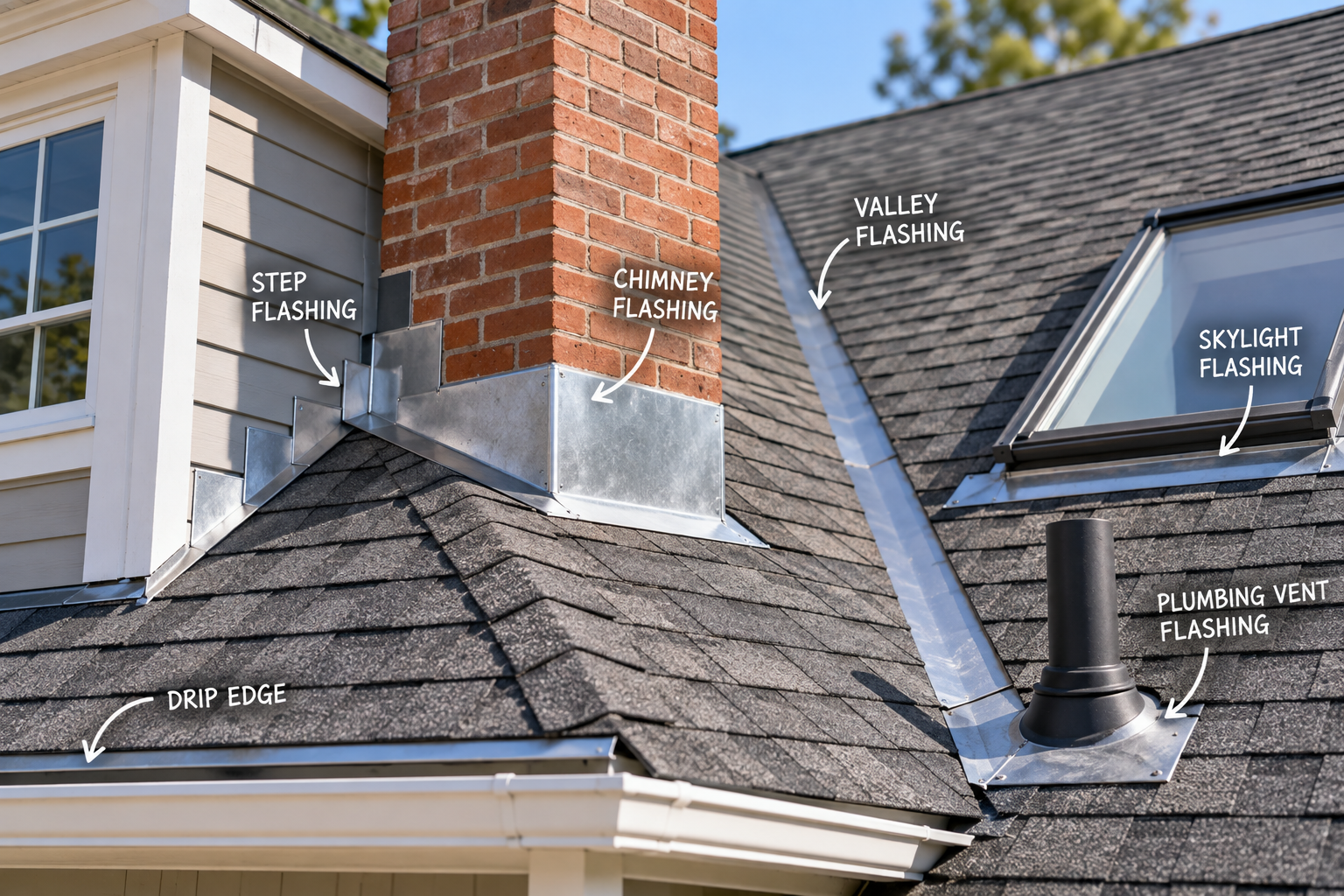
Exterior problems can make interior remodeling more expensive. If the roof leaks, siding allows moisture behind the wall, gutters overflow, or drainage pushes water toward the foundation, interior finishes may be at risk.
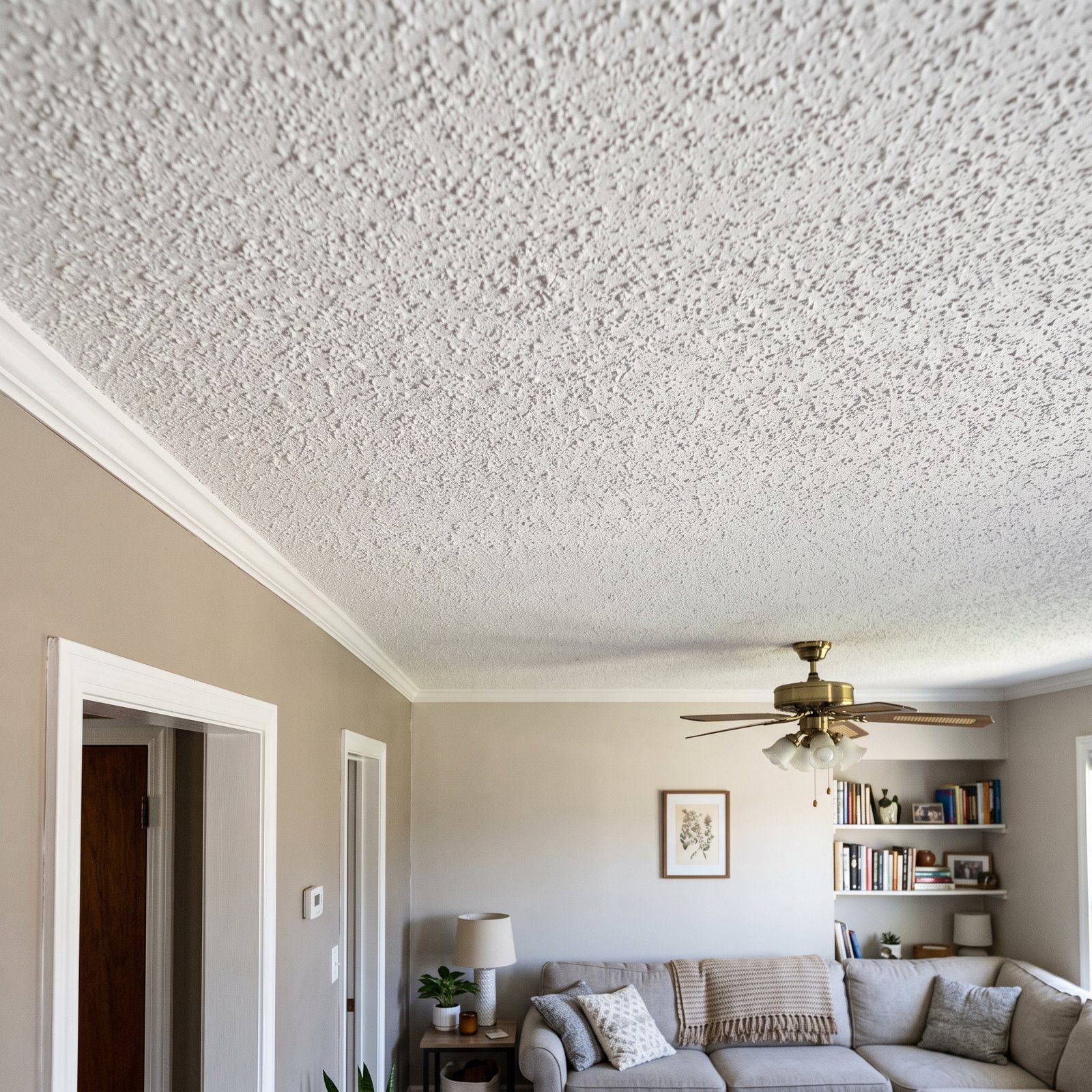
For example, remodeling a basement without fixing exterior drainage may lead to repeated moisture problems. Updating a ceiling without addressing a roof leak may result in new stains. Replacing interior drywall while siding still leaks may only hide the issue temporarily.
Contractors Candy’s article on what are the signs your home needs better drainage explains how pooling water, erosion, basement moisture, gutter discharge, and grading problems can affect the home.
Project Delays Can Add Indirect Costs
Delays do not always show up as a line item, but they can still make a remodel feel more expensive. Homeowners may spend more on temporary housing, eating out, storage, pet care, childcare, or taking time off work. Delays can also create stress if the project affects a kitchen, bathroom, bedroom, or main living area.
Delays may happen because of material backorders, permit review, inspections, weather, hidden damage, subcontractor scheduling, or late homeowner decisions.
Contractors Candy’s article on common construction delays and how homeowners can prepare for them explains why delays happen and how homeowners can plan for them.
Unrealistic Initial Budgets Create Problems
Sometimes a remodel feels more expensive than expected because the original budget was too low for the desired outcome. Online cost ranges can be broad, outdated, or not specific to the home’s condition, location, material choices, and project complexity.
A realistic budget should account for labor, materials, permits, inspections, demolition, disposal, hidden damage, code updates, design changes, and contingency funds. It should also distinguish between must-have repairs and optional upgrades.
Contractors Candy’s article on how to plan a home remodel without going over budget can help homeowners set priorities before work begins.
How to Reduce Unexpected Remodel Costs
Homeowners cannot prevent every surprise, but they can reduce risk. Start with a detailed scope of work. Ask what is included and excluded. Review allowances. Choose materials early. Understand permit needs. Build in a contingency budget. Avoid making informal changes during the project. Ask how hidden damage will be handled if found.
It also helps to choose a contractor based on detail and communication, not only price. A very low bid may leave out important scope, permit costs, material allowances, or necessary prep work. The lowest number is not always the most predictable final cost.
Contractors Candy’s guide on what homeowners should know before hiring a roofing contractor is roofing-specific, but the same principle applies to most projects: ask detailed questions before work begins.
Final Thoughts
A home remodel can become more expensive than expected because of hidden damage, plumbing or electrical problems, structural changes, permits, material upgrades, poor previous work, HVAC issues, exterior moisture problems, delays, and scope creep.
Some of these costs are avoidable with better planning. Others are discovered only after work begins. The best approach is to enter the remodel with a clear scope, realistic budget, contingency fund, and contractor who communicates well.
A remodel should improve your home, not create constant surprises. By understanding where extra costs usually come from, homeowners can plan smarter, make better decisions, and protect both the project and the budget.