Poor airflow can make a home feel uncomfortable even when the heating or cooling system is running. One room may feel too hot, another may feel too cold, and certain areas may always seem stale or stuffy. You may notice weak air coming from vents, lingering odors, higher energy bills, or an HVAC system that runs longer than it should.
Airflow problems are common in many homes, especially older houses, remodeled spaces, homes with aging ductwork, or rooms that were added after the original HVAC system was installed. Sometimes the issue is simple, such as a blocked vent or dirty filter. Other times, poor airflow may point to duct leaks, poor ventilation, insulation problems, or an HVAC system that is not distributing air properly.
According to ENERGY STAR, a typical home with forced-air heating and cooling can lose about 20% to 30% of the air moving through its duct system because of leaks, holes, and poorly connected ducts. That lost air can make rooms harder to heat and cool and can increase utility costs. Poor indoor air quality can also be connected to inadequate ventilation, moisture, and filtration issues, which the EPA identifies as important parts of maintaining healthier indoor air.
Here are the signs your home may have poor airflow and when HVAC or ventilation improvements may help.
Uneven Temperatures From Room to Room
One of the most common signs of poor airflow is uneven temperature. The thermostat may say the house is comfortable, but one bedroom feels hot, another room feels chilly, and the upstairs or downstairs never seems to match the rest of the home.
Uneven temperatures can happen for several reasons. Air may not be reaching certain rooms effectively. Ducts may be leaking or poorly connected. The system may be too large, too small, or aging. Insulation may be weak in certain areas. Closed doors, blocked vents, or poorly designed room layouts can also affect circulation.
If the problem only happens in one room, check for simple causes first. Make sure the supply vent is open, furniture is not blocking airflow, and the return path is not restricted. If multiple rooms have temperature problems, the issue may be more system-wide.
Contractors Candy’s article on how HVAC problems can affect indoor air quality explains how heating and cooling issues can affect more than temperature alone.
Rooms Feel Stale or Stuffy
A room can be the right temperature and still feel uncomfortable if the air is not moving well. Stale or stuffy rooms may feel heavy, humid, or closed off. You may notice that odors linger longer in certain areas or that the air feels less fresh than the rest of the house.
Poor ventilation can contribute to these issues. The EPA explains that improving indoor air quality generally involves source control, improved ventilation, and filtration. Most home heating and cooling systems do not mechanically bring fresh outdoor air into the home, so ventilation often depends on exhaust fans, open windows when appropriate, and properly designed systems.
Stuffy rooms can also happen when air enters but cannot return to the HVAC system easily. For example, if a bedroom has a supply vent but no good return air path, closing the door may reduce circulation. The room may feel uncomfortable even though the vent is technically working.
If one room always feels stale, the solution may involve return air improvements, duct evaluation, ventilation upgrades, or changes to how air moves through the home.
Weak Air Coming From Vents
Weak airflow at the vents is another clear sign of a problem. When the system is running, you should feel a steady flow of conditioned air from supply registers. If the airflow feels faint, uneven, or much weaker in one room than another, something may be restricting distribution.
Possible causes include dirty filters, blocked vents, closed dampers, duct leaks, crushed flexible ducts, undersized ductwork, blower issues, or a failing HVAC system. ENERGY STAR lists tangled or kinked flexible ducts, ducts in attics or crawlspaces, and rooms that are hard to heat or cool as signs that duct performance may be poor.
Start with visible checks. Make sure vents are open and not covered by rugs, curtains, furniture, or storage. Replace the HVAC filter if it is dirty. If airflow is still weak, the problem may be inside the ductwork or system.
Contractors Candy’s article on common HVAC problems and how to fix them can help homeowners understand basic HVAC warning signs before calling a professional.
The HVAC System Runs Constantly
If the HVAC system runs for long periods but the house still does not feel comfortable, poor airflow may be part of the problem. A system that cannot distribute conditioned air properly may keep running because the thermostat is not satisfied or because certain areas never reach the desired temperature.
This can increase energy use and place more strain on HVAC components. A dirty filter, duct leakage, blocked vents, poor insulation, or equipment problems can all contribute.
Sometimes homeowners assume the HVAC unit itself needs to be replaced, but airflow issues should be evaluated before making that decision. If the ductwork is leaking or poorly designed, a new system may still struggle to keep the home comfortable.
Contractors Candy’s guide on how to know when it is time to replace your HVAC system explains when replacement may make sense and when other factors should be reviewed first.
Some Rooms Have No Return Air Path
A balanced HVAC system needs more than supply vents. Air also needs a way to return to the system. If a room receives conditioned air but has no return vent or transfer path, air movement may become restricted when the door is closed.
This can make the room feel stuffy, hot, or cold. It can also create pressure imbalances that affect the rest of the house. You may notice doors pulling shut, whistling around gaps, or air rushing under a door when the HVAC system runs.
Return air issues are common in bedrooms, finished basements, bonus rooms, and additions. Solutions may include transfer grilles, jump ducts, added returns, or other HVAC design improvements. A professional can help determine the right option based on the home’s layout.
Closed-Off Spaces Feel Different
Closed-off spaces often reveal airflow problems. A room with the door open may feel fine, but once the door closes, it becomes hot, cold, or stale. This can happen in bedrooms, home offices, laundry rooms, finished attics, bonus rooms, and basements.
Poor airflow may also happen in rooms that were remodeled or converted from another use. For example, a garage conversion, attic room, or finished basement may not have been designed with adequate supply and return airflow. Even if the room has a vent, the airflow may not be enough for the size, insulation, or heat load of the space.
If a closed-off room is consistently uncomfortable, do not assume the thermostat setting is the only issue. The room may need better duct design, added ventilation, insulation improvements, or a zoning solution.
Contractors Candy’s article on understanding HVAC zoning systems for American homes explains how zoning can help some homes manage different comfort needs in different areas.
Lingering Odors
Lingering odors can be another sign that air is not circulating well. Cooking smells, pet odors, mustiness, bathroom humidity, smoke, or chemical smells from cleaning products may remain longer when ventilation is weak.
The EPA notes that source control is usually the most effective way to improve indoor air quality, but ventilation also helps lower indoor pollutant concentrations by bringing in outdoor air and exhausting contaminated air from specific areas. Kitchen and bathroom exhaust fans that vent outdoors can be especially helpful in removing moisture and odors from the source.
If odors linger in certain rooms, check whether exhaust fans work properly, whether air returns are blocked, and whether the room has enough air movement. Persistent musty odors may also point to moisture problems, hidden leaks, or mold concerns.
Contractors Candy’s article on why proper ventilation matters in every home explains why airflow, moisture control, and ventilation are connected.
Excess Humidity or Moisture
Poor airflow can make humidity problems worse. Bathrooms, kitchens, laundry areas, basements, and poorly ventilated rooms may feel damp or humid if moisture is not exhausted or diluted properly.
High indoor humidity can make the home feel warmer in summer and can contribute to musty smells, condensation, and moisture-related damage. The EPA recommends controlling moisture and keeping indoor humidity below 60%, ideally between 30% and 50%, as part of protecting indoor air quality.
If your home feels humid even when the HVAC system runs, the issue may be ventilation, oversized equipment, duct leakage, poor drainage, or moisture entering from outside. In some homes, airflow improvements may need to be combined with insulation, air sealing, or moisture control.
Contractors Candy’s article on signs of a hidden plumbing leak behind walls is also useful if humidity or musty smells may be connected to a leak rather than airflow alone.
Dust Builds Up Quickly
Frequent dust buildup can sometimes point to duct or filtration problems. If ducts are leaky, dirty, or pulling air from dusty areas such as attics, crawlspaces, or garages, dust may circulate through the home. A poor-fitting or dirty filter can also reduce filtration and restrict airflow.
Dust alone does not automatically mean the ducts are bad. Homes naturally collect dust from people, pets, fabrics, outdoor air, and daily activity. But if dust builds up quickly after cleaning, vents look dirty, or certain rooms seem dustier than others, it may be worth checking the HVAC filter, duct condition, and return air pathways.
The EPA notes that filtration can be a useful supplement to source control and ventilation, although air cleaners and HVAC filters cannot remove all pollutants from indoor air. Choosing the right filter and replacing it regularly can help support better airflow and indoor air quality.
Doors Slam or Whistle When the System Runs
Pressure problems can show up in small ways. Doors may slam, feel hard to open, or whistle around the edges when the HVAC system runs. You may hear air rushing under closed doors or notice drafts in certain areas.
These signs can mean the home has pressure imbalances caused by supply and return problems, closed-off rooms, duct leakage, or poor ventilation design. Pressure imbalances can affect comfort and may also pull unconditioned air from attics, crawlspaces, or wall cavities.
If pressure issues are noticeable, a professional HVAC evaluation may be needed. The solution may involve duct balancing, return air improvements, sealing leaks, or adjusting ventilation.
Airflow Problems After a Remodel
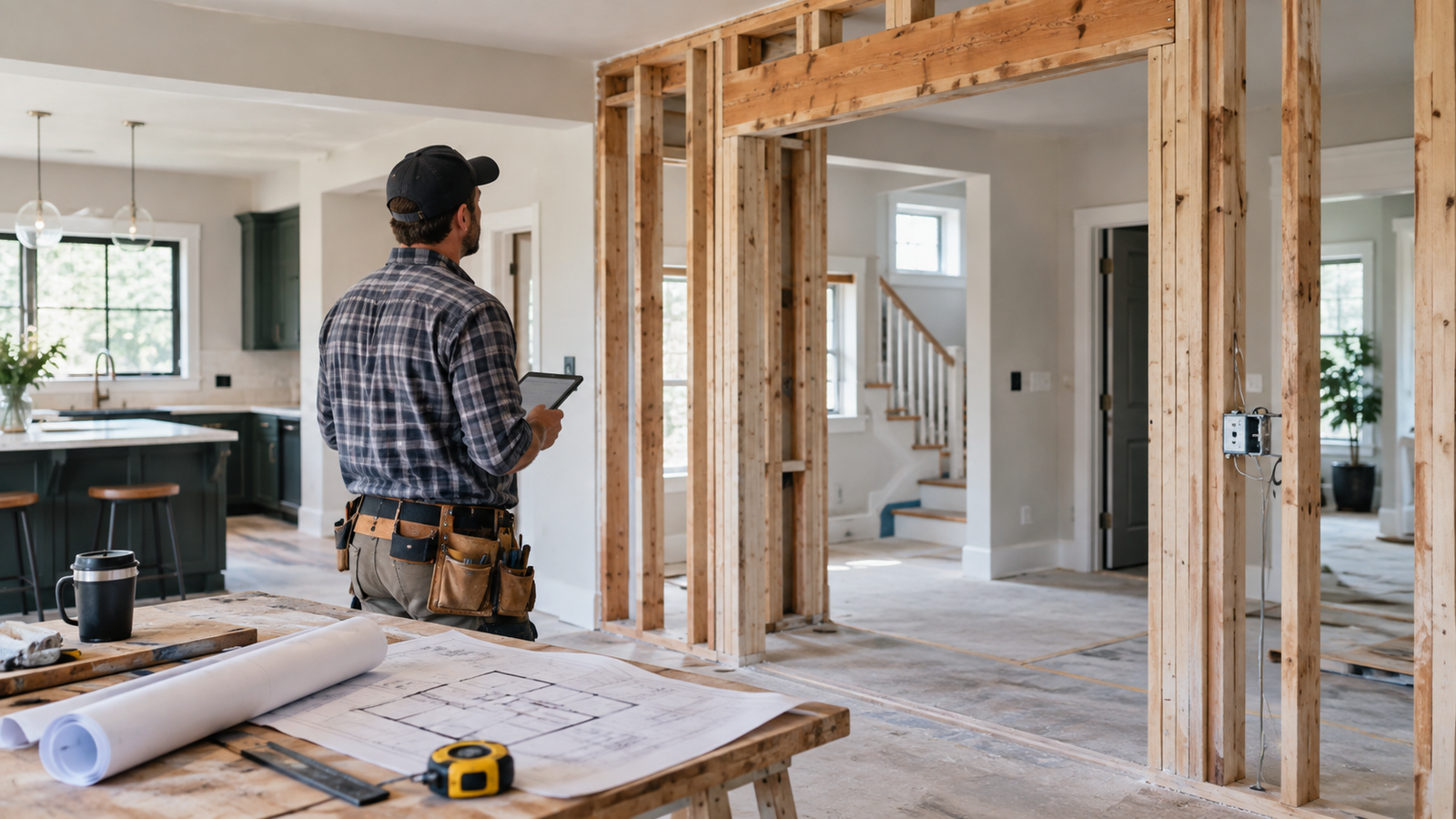
Home remodeling can change how air moves through a house. Removing walls, adding rooms, finishing basements, enclosing porches, changing kitchens, or altering ceilings can all affect airflow. If HVAC design is not considered during a remodel, some areas may become uncomfortable.
This is why mechanical systems should be part of renovation planning. A room that looks finished may still perform poorly if it does not have adequate supply, return, insulation, or ventilation.
Contractors Candy’s article on how to plumbing problems can affect a remodel timeline focuses on plumbing, but the same broader lesson applies: hidden systems can affect the success of a remodel. HVAC and airflow planning should not be an afterthought.
For larger renovations, Contractors Candy’s guide on how to prepare your home for a major renovation can help homeowners think through disruptions and planning needs before work begins.
When Duct Issues May Be the Cause
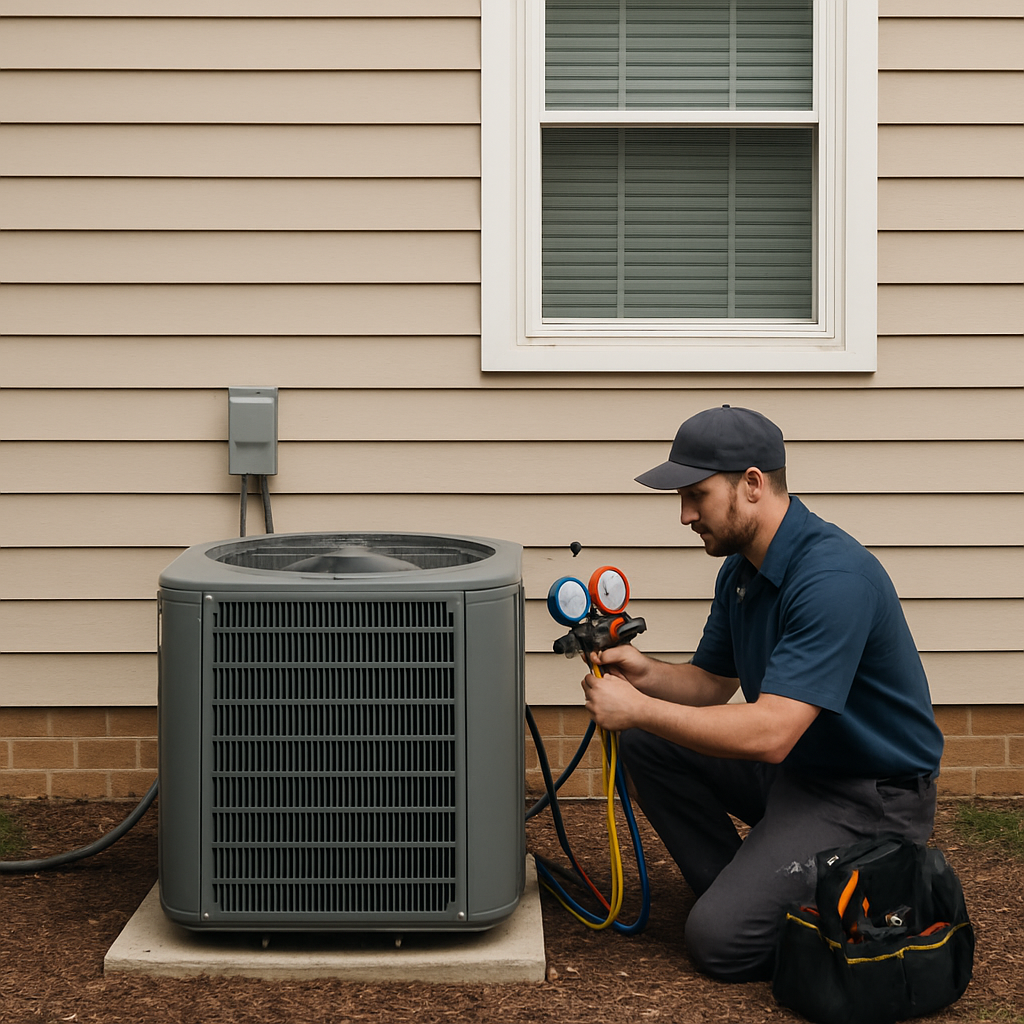
Ductwork is one of the biggest factors in home airflow. Leaky, disconnected, undersized, crushed, or poorly designed ducts can prevent conditioned air from reaching the rooms where it is needed.
Duct issues are especially common when ducts run through attics, crawlspaces, garages, or other unconditioned areas. If conditioned air leaks into those spaces, the home loses comfort and efficiency.
ENERGY STAR recommends duct sealing as a way to improve comfort, energy efficiency, and safety in homes with forced-air systems. Signs of poorly performing ducts include high utility bills, hard-to-heat or cool rooms, stuffy rooms, ducts in attics or crawlspaces, and tangled or kinked flexible ducts.
If your home has multiple airflow symptoms, duct inspection may be one of the most important next steps.
When Ventilation Improvements May Help
Ventilation improvements may help when the home feels stale, humid, musty, or odor-prone. Bathroom fans, kitchen exhaust fans, attic ventilation, whole-home ventilation systems, and properly designed HVAC ventilation can all play roles depending on the issue.
However, ventilation should be balanced with energy efficiency and moisture control. Simply opening windows is not always practical, especially during extreme weather, high pollen, wildfire smoke, or high humidity. A professional can help determine whether the home needs exhaust improvements, fresh air intake, duct changes, filtration upgrades, or other solutions.
Contractors Candy’s article on why proper ventilation matters in every home is a helpful related resource for understanding how ventilation supports comfort and indoor air quality.
When HVAC Replacement May Be Needed
Poor airflow does not always mean the HVAC system needs replacement. Filters, ducts, vents, insulation, returns, and ventilation should all be considered first. But replacement may be needed if the system is aging, improperly sized, inefficient, frequently breaking down, or unable to maintain comfort even after airflow issues are addressed.
If your HVAC system runs constantly, struggles during peak weather, makes unusual noises, or needs frequent repairs, it may be time to evaluate replacement options.
Contractors Candy’s articles on what to know before replacing your HVAC system and when to replace vs. repair your HVAC system can help homeowners think through repair, replacement, efficiency, and long-term comfort.
Final Thoughts
Poor airflow can show up as uneven temperatures, stale rooms, weak vents, closed-off spaces, lingering odors, humidity, dust buildup, pressure problems, or an HVAC system that runs too long. These signs may point to simple issues like blocked vents or dirty filters, but they can also reveal duct leaks, return air problems, ventilation concerns, or equipment limitations.
The best solution depends on the cause. Some homes need duct sealing. Some need better ventilation. Some need insulation or air sealing. Others may need HVAC repair, replacement, or zoning improvements.
Homeowners should not ignore airflow problems because comfort issues often get worse over time. A home with balanced airflow can feel more comfortable, support better indoor air quality, and help the HVAC system work more efficiently.
If certain rooms never feel right, vents seem weak, or the air inside your home feels stale, it may be time to look beyond the thermostat and evaluate how air is actually moving through the house.