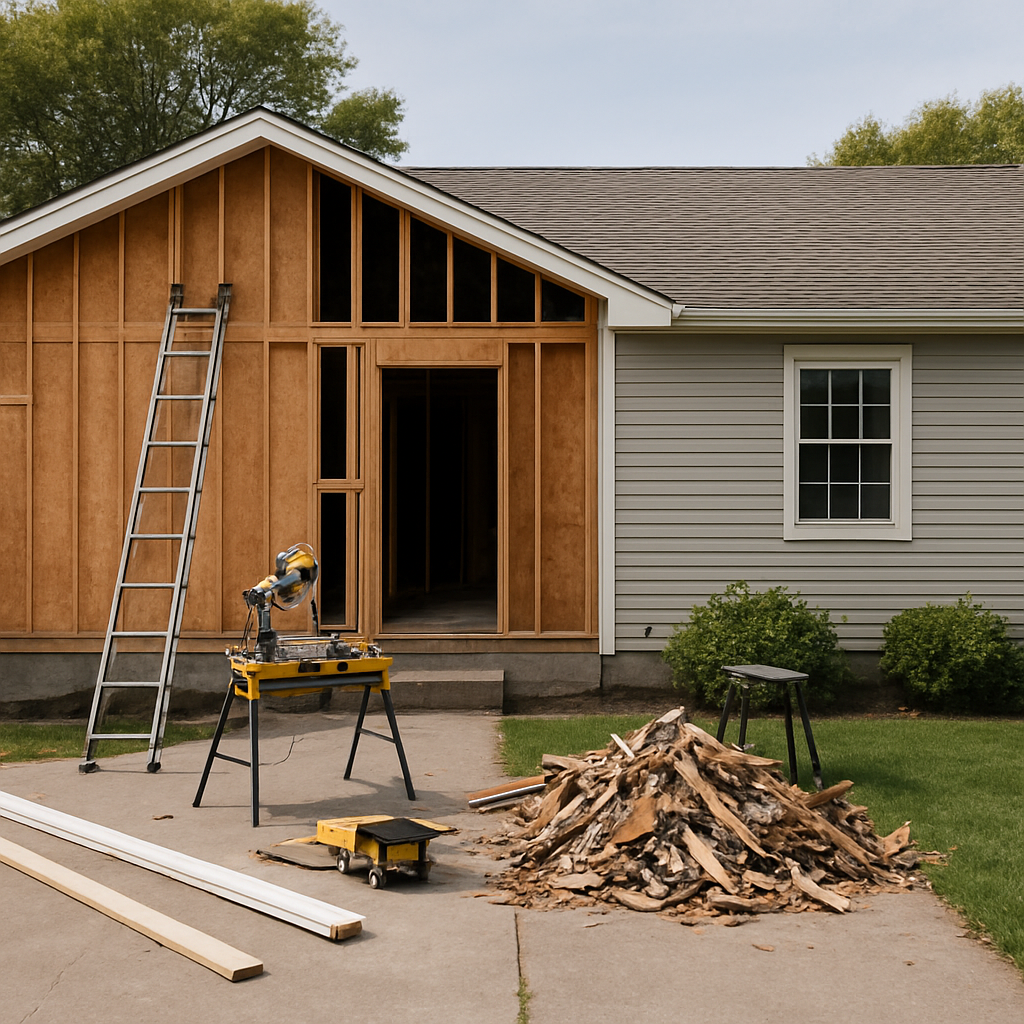
The framing stage is one of the most exciting parts of a construction project because it is when the structure finally starts to take shape. After planning, permits, site preparation, foundation work, and early utility coordination, framing turns drawings into something visible. Walls go up. Rooms become recognizable. Rooflines begin to form. Open spaces start looking like a real home, addition, garage, or remodeled area.
For homeowners, this stage can feel like rapid progress. One day there may be only a foundation or exposed floor system, and a few days later the outline of the project is standing. But framing is more than just wood or steel going into place. It affects the strength, layout, safety, inspection process, mechanical systems, windows, doors, roofing, insulation, and finish work that come later.
Understanding what happens during framing helps homeowners know what to expect, what questions to ask, and why this stage is so important to the success of the entire project.
What Is Framing?
Framing is the construction of the structural skeleton of a building or remodel. It creates the shape and support system for walls, floors, ceilings, roofs, openings, and load-bearing components. In residential construction, framing is often built with dimensional lumber, engineered wood products, trusses, beams, posts, joists, and sheathing. Some projects may also use steel or other structural materials.
The framing stage follows approved plans. Framers use the construction drawings to place walls, openings, supports, and roof structures in the correct locations. This work determines where rooms begin and end, where doors and windows go, how ceilings are shaped, and how loads move through the building.
In simple terms, framing gives the project its bones. Everything that comes later depends on those bones being placed correctly.
Framing Usually Begins After the Foundation or Subfloor Is Ready
Before framing can begin, the base of the project must be prepared. For new construction or additions, this usually means the foundation has been poured, cured, inspected, and approved. For remodels, it may mean demolition is complete and the existing structure is ready for new framing.
If the project includes a crawl space, basement, slab, or raised foundation, the framing crew needs a stable surface to build from. They may begin with sill plates, floor joists, beams, subflooring, or wall layout depending on the project type.
Any foundation issues, measurement errors, moisture concerns, or plan changes can affect the framing stage. If the foundation is not square, level, or properly prepared, framing becomes more difficult and may require corrections before work moves forward.
Layout Comes First
Before walls are built, the crew lays out the project. This involves marking where walls, rooms, openings, stairs, posts, and structural elements will go. Layout is one of the most important steps because small errors can create problems later.
For example, if a wall is framed in the wrong location, it can affect cabinet layouts, bathroom clearances, door swings, hallway widths, furniture placement, plumbing rough-ins, and code compliance. If a window opening is wrong, the ordered window may not fit. If a load-bearing point is misplaced, structural corrections may be needed.
Good framers measure carefully and compare the field conditions to the plans. Homeowners may not notice layout work as much as walls going up, but it is critical to the finished result.
Walls Start Going Up Quickly
Once layout is complete, wall framing usually moves fast. Crews build wall sections using studs, plates, headers, and blocking. These sections may be assembled on the floor and lifted into place or built in position depending on the project.
This is often the moment when homeowners begin to see rooms clearly. Bedrooms, bathrooms, kitchens, closets, hallways, and living spaces become visible. In an addition, the new footprint starts feeling connected to the existing home. In a remodel, new walls can completely change the layout.
However, walls are not finished at this point. They are structural and rough. There is no drywall, insulation, paint, trim, or finished flooring yet. Open studs are normal. The space may still feel raw, dusty, and incomplete.
Door and Window Openings Are Framed
During the framing stage, rough openings are created for doors and windows. These openings must be sized correctly for the products being installed. They also need proper headers, supports, and framing details so the structure remains strong around the openings.
Window and door placement affects natural light, ventilation, traffic flow, furniture layout, exterior appearance, and energy performance. If something looks wrong during framing, this is the time to ask questions. Moving an opening is much easier before plumbing, electrical, insulation, drywall, siding, and trim are installed.
Homeowners should not make changes casually, though. Moving a window or door can affect structure, permits, exterior design, cabinet layouts, and costs. Any change should be reviewed with the contractor before work is altered.
Roof Framing or Trusses May Follow
After walls are in place, the roof structure begins. Some homes use roof trusses, which are engineered components built off-site and delivered to the project. Others use stick framing, where rafters, ridge beams, ceiling joists, and related components are built on-site.
Roof framing gives the project its shape from the outside. It affects attic space, ceiling height, roof pitch, overhangs, drainage, ventilation, and future roofing installation.
Trusses can often be installed quickly, but they require careful handling and correct placement. Stick-framed roofs may take longer but allow more flexibility for complex rooflines, vaulted ceilings, dormers, or custom designs.
Once roof framing is complete, sheathing is usually installed to create a solid surface for roofing materials.
Sheathing Adds Strength and Enclosure
Sheathing is the layer of panels installed over wall framing, roof framing, or floor framing. Common sheathing materials include plywood and oriented strand board. Wall sheathing helps strengthen the structure and provides a surface for weather barriers and siding. Roof sheathing provides the deck for underlayment and roofing.
At this stage, the project may start to feel more enclosed. Open framing begins to look like a building shell. Depending on the schedule, weather barriers, house wrap, roof underlayment, and temporary weather protection may follow.
Sheathing must be installed correctly because it contributes to structural stability. Proper fastening patterns, panel spacing, and alignment matter. These details may be checked during inspections.
Framing Inspections Are Important
Most construction projects require a framing inspection before walls are covered. The inspector checks that framing follows approved plans and meets building code requirements. They may review wall construction, beams, headers, joists, fire blocking, bracing, roof framing, fasteners, stair framing, and structural connections.
In many projects, rough plumbing, rough electrical, and rough HVAC inspections may happen around the same general phase before insulation and drywall. The exact inspection order depends on local requirements and project scope.
If the inspector finds issues, corrections must be made before the project moves forward. This can feel frustrating, but it is much easier to fix framing problems while the structure is open. Once drywall and finishes are installed, corrections become more expensive and disruptive.
Expect Noise, Dust, and Jobsite Activity
Framing is noisy and active. Homeowners should expect saws, nail guns, compressors, lumber deliveries, equipment, workers moving materials, and frequent measuring and cutting. If the project is a remodel or addition where the homeowner is living in the home, this stage can be disruptive.
Dust and debris are also normal. Framing creates sawdust, wood scraps, nails, packaging, and construction waste. A professional jobsite should still be managed safely, but it will not look clean and finished during this stage.
If you are living in the home, ask the contractor what areas will be blocked off, when workers will be on-site, and how access will be managed. Clear communication helps reduce stress.
Weather Can Affect Framing
Weather can affect the framing timeline, especially for new construction, additions, decks, garages, and outdoor structures. Rain, snow, high wind, extreme heat, or freezing conditions can slow progress or create safety concerns.
Some exposure to weather is normal during framing, but contractors usually try to dry in the structure as quickly as practical. “Drying in” generally means getting the roof, exterior sheathing, underlayment, windows, doors, or weather barriers installed enough to protect the interior from major weather exposure.
If lumber gets wet during construction, that does not always mean there is a problem. Framing lumber is commonly exposed to some moisture. The important issue is whether it has time to dry properly before being enclosed behind insulation and drywall.
Framing Can Reveal Design or Site Issues
Even with good plans, framing may reveal issues that were not obvious earlier. A beam may need adjustment. Existing walls may not be square. Old framing may be damaged. Ceiling heights may feel different in person than expected. A window location may not look ideal once the wall is built.
This is why the framing stage is a key time for walkthroughs. Homeowners should review the layout with the contractor before mechanical rough-ins and drywall begin. If something feels off, ask about it early.
Changes are easier during framing than later, but they can still affect cost, permits, engineering, materials, and schedule. Good communication is important.
Mechanical Trades Come After or During Framing
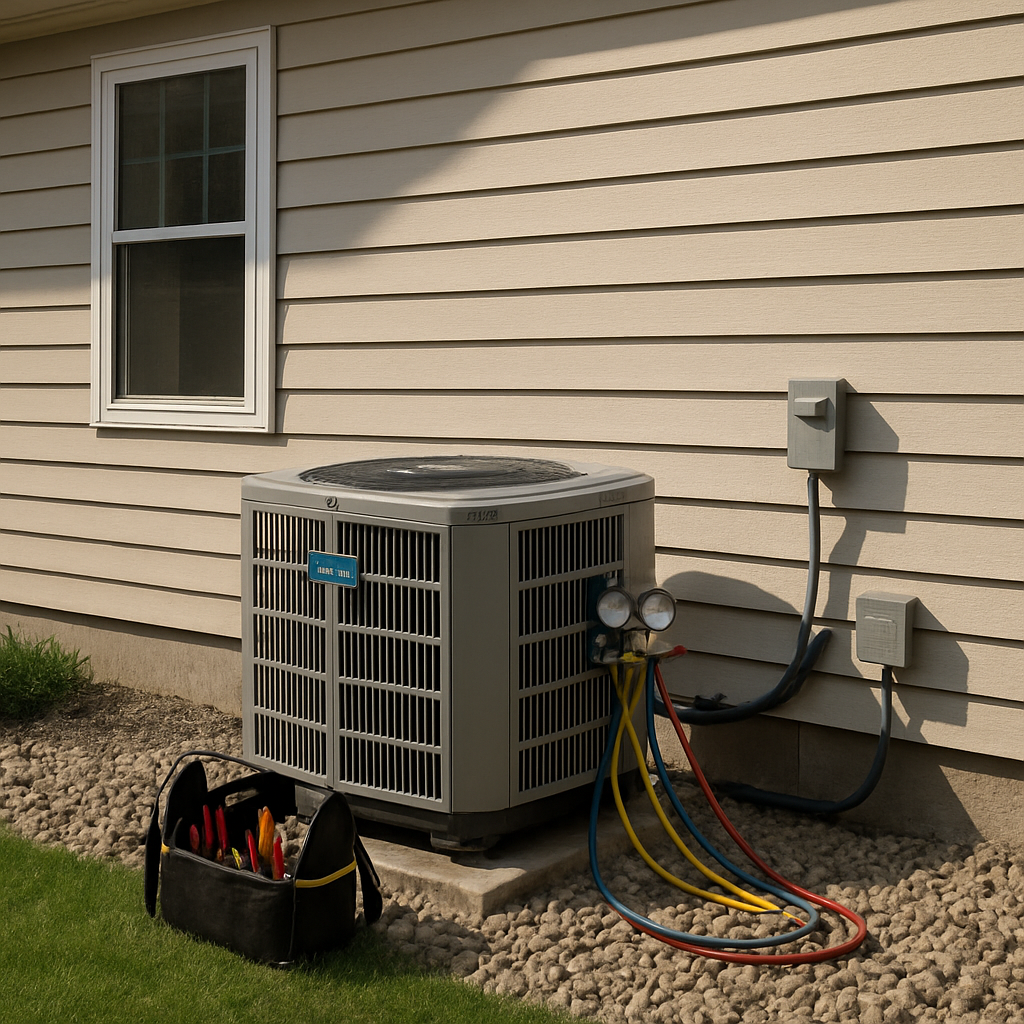
Plumbing, electrical, and HVAC contractors often begin rough-in work after framing is complete enough to define wall and ceiling cavities. They need the framed structure in place to know where pipes, wires, ducts, vents, outlets, switches, and fixtures will go.
This is another reason accurate framing matters. If walls or openings are wrong, mechanical systems may need adjustment. If framing blocks duct runs or plumbing paths, the contractor may need to coordinate solutions.
In a well-managed project, the general contractor coordinates framing with mechanical trades so systems fit properly before walls are closed.
Final Thoughts
The framing stage is where a construction project begins to feel real. It creates the structure, layout, openings, roof shape, and basic form of the home or addition. It is also a critical stage for safety, code compliance, inspections, and future finish work.
Homeowners should expect fast visual progress, noise, dust, inspections, possible weather delays, and important decisions if anything needs adjustment. This is the right time to walk the project, ask questions, confirm layouts, and make sure the structure matches the plans.
Strong framing sets the foundation for everything that follows. When the framing is accurate, well-built, and properly inspected, the rest of the construction process has a much better chance of staying on track.