Attic ventilation is one of those home systems many homeowners rarely think about until there is a problem. The attic is out of sight, so it is easy to assume everything is fine as long as the living space feels comfortable. But attic ventilation affects much more than comfort. It can influence roof health, moisture control, insulation performance, summer heat, winter condensation, indoor air quality, and the long-term durability of the home.
A properly vented attic allows outdoor air to move through the attic space in a controlled way. In most traditional vented attic designs, cooler outside air enters through lower intake vents, often at the soffits or eaves, while warmer air exits through higher exhaust vents, such as ridge vents, roof vents, or gable vents. This airflow helps move heat and moisture out of the attic.
According to ENERGY STAR, natural attic ventilation helps move super-heated air out of the attic during summer and helps reduce moisture problems. ENERGY STAR also notes that in winter, ventilation helps keep the attic cold, which can reduce the potential for ice dams when combined with proper air sealing and insulation.
Here is what homeowners should know about attic ventilation and why it matters for the whole house.
Attic Ventilation Helps Protect the Roof
Your roof is exposed to sun, heat, rain, wind, and seasonal temperature changes. The attic below it can either help protect the roof system or contribute to problems.
In summer, attic temperatures can climb much higher than outdoor temperatures. Without proper ventilation, heat can build up under the roof deck. Over time, excessive attic heat may contribute to shingle wear, roof deck stress, and higher cooling demand inside the home.
Ventilation helps move hot air out of the attic. It does not make the attic feel like an air-conditioned room, but it can reduce trapped heat and support better roof performance. This is especially important in homes where the attic sits directly under a large roof surface exposed to afternoon sun.
Roof problems can also come from storm damage, material wear, missing shingles, or poor maintenance. Contractors Candy’s article on the most common roofing problems homeowners should watch for explains other roof issues that can affect long-term home protection.
Moisture Is One of the Biggest Attic Concerns
Attic ventilation is not only about heat. Moisture is often the bigger concern. Warm, moist air from the living space can enter the attic through gaps around light fixtures, plumbing penetrations, attic hatches, duct chases, and other openings. If that moisture has nowhere to go, it can collect on cold attic surfaces.
Moisture problems may show up as damp insulation, moldy odors, stained roof decking, rusted nails, or dark marks on wood. In serious cases, moisture can contribute to wood rot or mold growth.
The EPA explains that mold needs moisture to grow, and controlling moisture is key to preventing mold problems. While attic ventilation alone does not fix every moisture issue, it can be part of a broader strategy that includes air sealing, insulation, roof leak repair, and proper exhaust fan venting.
If your home has musty smells, damp insulation, or signs of water staining, do not assume ventilation is the only issue. A roof leak, plumbing leak, bathroom fan problem, or air leakage from the living space may also be involved.
Bathroom and Kitchen Fans Should Not Vent Into the Attic
One common attic problem is exhaust fans that vent into the attic instead of outdoors. Bathroom fans, kitchen fans, and clothes dryers should not dump warm, moist air into the attic space.
Moist bathroom air can quickly create condensation problems when it enters a cooler attic. Over time, this can wet insulation, stain roof decking, and contribute to mold growth. Kitchen exhaust can also bring moisture and airborne residue into the attic.
ENERGY STAR lists kitchen, bathroom, and clothes dryer vents that exhaust directly into the attic as conditions homeowners should correct before attic sealing and insulating work.
If you notice a bathroom fan duct ending inside the attic, disconnected ductwork, or moisture stains near a vent, have it corrected. Exhaust should be directed outdoors through an appropriate vent, not released into the attic.
Contractors Candy’s article on why proper ventilation matters in every home explains why ventilation is closely tied to moisture control, comfort, and indoor air quality.
Insulation and Ventilation Work Together
Many homeowners think attic insulation and attic ventilation are opposites. Insulation is meant to keep heat in or out, while ventilation allows outside air into the attic. But in a traditional vented attic, the two systems work together.
Insulation slows heat transfer between the living space and attic. Air sealing helps stop conditioned indoor air from leaking upward into the attic. Ventilation helps move attic heat and moisture out of the space.
ENERGY STAR explains that the combination of attic insulation and ventilation is key to a durable and energy-efficient home. It also warns that one of the most common insulation mistakes is blocking airflow at the eaves, especially by covering soffit vents with insulation.
If insulation is pushed into the soffits and blocks intake vents, attic airflow can be reduced. In that case, the home may have insulation, but the attic still may not ventilate properly. Rafter vents or baffles can help maintain airflow from soffit vents into the attic.
Contractors Candy’s article on signs your home may need new insulation is a useful related resource for homeowners evaluating comfort, energy efficiency, and attic performance.
Attic Air Sealing Matters Too
Ventilation does not replace air sealing. If warm indoor air is leaking into the attic, ventilation may help remove some moisture, but it does not solve the source of the problem.
Air sealing focuses on closing gaps between the living space and the attic. Common leak points include recessed lights, attic hatches, plumbing stacks, wiring penetrations, dropped soffits, open wall cavities, and gaps around chimneys or flues.
ENERGY STAR recommends sealing air leaks in the attic floor before adding insulation because it helps insulation perform as intended. The same guidance notes that contractors should avoid blocking soffit vents when adding insulation and should make sure ducts in the attic are not damaged during the work.
When homes are sealed more tightly, ventilation and indoor air quality also need to be considered. ENERGY STAR warns that sealing a home may trap indoor pollutants if ventilation and pollutant sources are not addressed properly.
In other words, the goal is balance: seal unwanted leaks, insulate properly, and ventilate intentionally.
Poor Attic Ventilation Can Increase Summer Heat
A poorly ventilated attic can become extremely hot in summer. That heat can radiate into the living space below, especially if insulation is weak or uneven. The result may be hot upstairs rooms, long cooling cycles, or an HVAC system that struggles during peak temperatures.
Attic ventilation helps remove some of that trapped heat, while insulation helps resist heat transfer into the home. When either part is missing, comfort can suffer.
If your air conditioner runs constantly but certain rooms still feel hot, the attic may be part of the problem. Ductwork located in a hot attic can also lose efficiency if ducts are poorly sealed or insulated.
Contractors Candy’s article on why your AC runs constantly but still does not cool the house explains how HVAC performance, insulation, airflow, and home conditions can all affect comfort.
Winter Condensation Can Damage Attic Materials
In winter, attic ventilation serves a different purpose. Warm indoor air can rise into the attic through leaks. When that warm, moist air meets cold roof decking or other cold surfaces, condensation can form.
This moisture can wet insulation and wood framing. Damp insulation does not perform as well, and repeated condensation can contribute to mold growth or wood deterioration.
ENERGY STAR notes that attic ventilation helps keep attics cold in winter, which can reduce ice dam potential. Proper insulation and air sealing also help keep heat and moist indoor air from entering the attic in the first place.
Winter attic problems can be confusing because homeowners may see frost, dampness, or stains and assume the roof is leaking. Sometimes that is true, but condensation from air leakage can look similar. A professional evaluation can help identify whether the issue is roof damage, ventilation, insulation, or air sealing.
Attic Ventilation Can Help Reduce Ice Dam Risk
In colder climates, ice dams can form when heat from the attic warms the roof surface, melting snow. The melted water can refreeze near the colder eaves, creating a ridge of ice. That ice can prevent proper drainage and may contribute to roof leaks or damage.
Proper attic ventilation, insulation, and air sealing work together to reduce this risk. Ventilation helps keep the underside of the roof deck closer to outdoor temperatures, while insulation and air sealing help keep household heat out of the attic.
Even in areas where heavy snow is not constant, winter temperature swings can still create condensation and moisture concerns. The same principles apply: control heat movement, manage moisture, and maintain airflow.
Blocked Soffit Vents Are a Common Problem
Soffit vents are intake vents located under the roof eaves. They allow outside air to enter the attic. If these vents are blocked, the attic may not receive enough intake air for proper ventilation.
Blocked soffit vents may be caused by insulation pushed too far into the eaves, debris, bird nests, paint, dust, or poor installation. Without intake air, exhaust vents may not work effectively. A ridge vent, for example, needs enough intake airflow to function properly.
Homeowners should be careful when adding insulation. Covering soffit vents can reduce ventilation and create moisture or heat problems. ENERGY STAR specifically warns homeowners not to cover attic soffit vents with insulation and recommends using rafter vents and soffit vents to maintain airflow.
Too Much Exhaust Without Enough Intake Can Create Problems
Attic ventilation is not just about having more vents. Balance matters. A home needs enough intake and exhaust for air to move properly. Too much exhaust without enough intake can create pressure issues and may pull air from the living space instead of from the soffits.
This can make attic air sealing even more important. If exhaust vents are pulling conditioned air from the home through ceiling leaks, the house may lose energy and send moisture into the attic.
A contractor can evaluate vent balance, intake paths, and exhaust placement. The right ventilation plan depends on the roof design, attic layout, insulation levels, and local climate.
Poor Ventilation Can Affect Indoor Comfort
Attic ventilation is not the same as room ventilation, but it can still affect comfort inside the home. A hot attic can make upper floors feel warmer. Damp insulation can reduce thermal performance. Air leaks into the attic can waste heating and cooling energy. Poorly managed moisture can create musty smells or indoor air quality concerns.
If certain rooms are hard to heat or cool, attic conditions may be one piece of the puzzle. HVAC performance, ductwork, insulation, windows, air sealing, and ventilation can all overlap.
Contractors Candy’s article on how to tell if your home has poor airflow explains signs such as uneven temperatures, stale rooms, weak vents, and duct issues.
Roof Leaks and Ventilation Problems Can Look Similar
Water stains in the attic may come from a roof leak, but they can also come from condensation. This distinction matters because the solution is different.
A roof leak may require flashing repair, shingle replacement, or other roof work. Condensation may require air sealing, insulation improvements, ventilation correction, or fixing exhaust fans that vent into the attic.
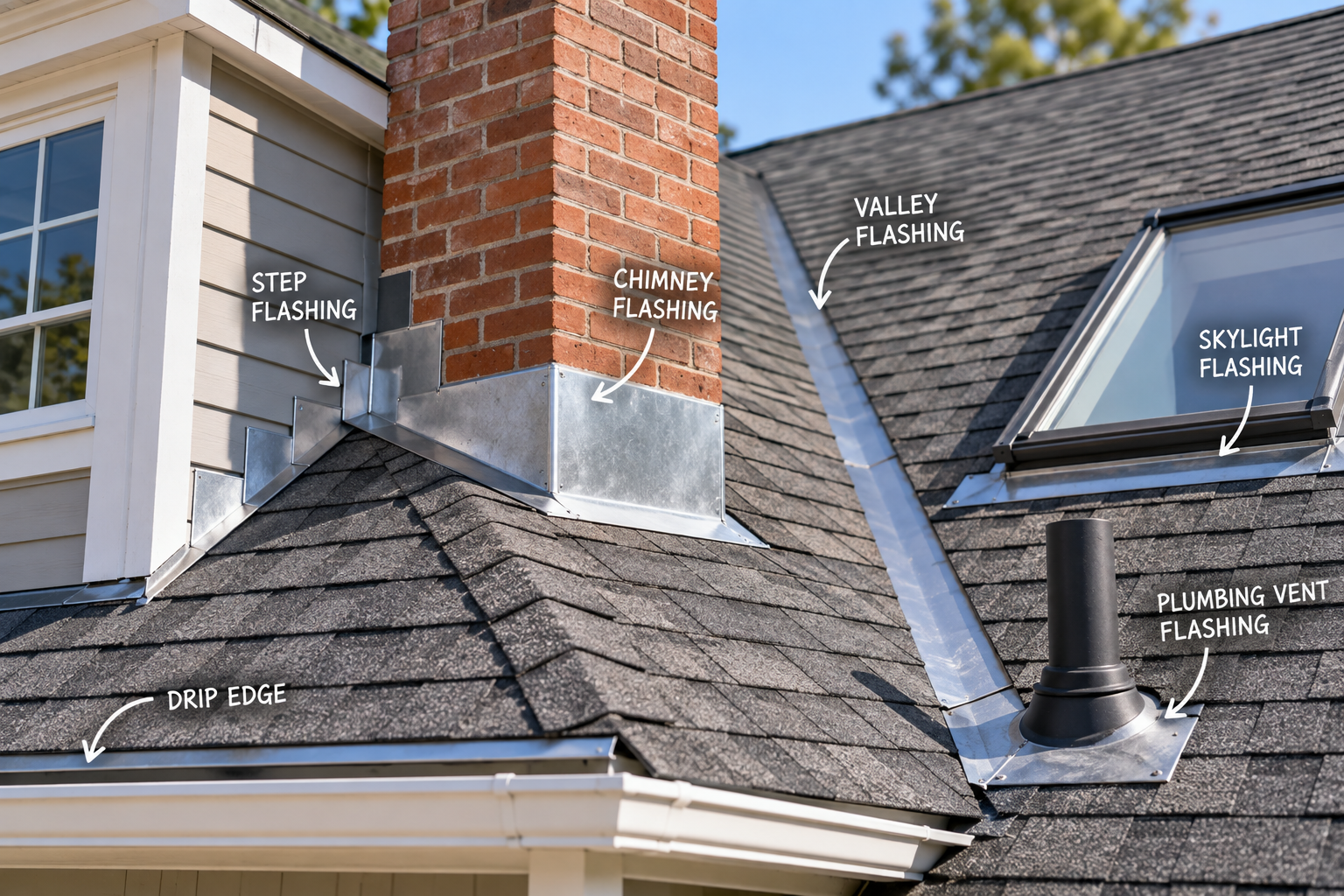
Homeowners should look for patterns. Stains after rain may suggest a roof leak. Frost or dampness during cold weather may suggest condensation. Staining around roof penetrations, chimneys, or vents may point to flashing issues. Damp insulation near bathroom fan ducts may suggest an exhaust problem.
Contractors Candy’s article on how to spot roofing damage can help homeowners understand signs of roof problems, while attic ventilation concerns may require a broader home performance evaluation.
Attic Ventilation Can Affect Remodel Planning
If you are planning a remodel, attic ventilation should not be ignored. Adding insulation, finishing attic space, installing recessed lighting, moving walls, upgrading HVAC, or changing rooflines can all affect attic performance.
A remodel that improves the visible living space but blocks attic airflow or creates new air leaks can cause problems later. This is why ventilation, insulation, and mechanical systems should be part of planning.
Contractors Candy’s article on how to prepare your home for a major renovation explains why planning ahead helps homeowners avoid surprises during larger projects.
Signs Your Attic Ventilation May Need Attention
Homeowners do not need to inspect every inch of the attic to notice warning signs. Possible signs of attic ventilation problems include:
Hot upstairs rooms in summer
Ice dams or uneven roof snow melt in winter
Musty attic smells
Damp or compressed insulation
Moldy or dark-stained roof decking
Rusty roofing nails visible in the attic
Bathroom fan ducts ending in the attic
Soffit vents blocked by insulation
Roof shingles aging faster than expected
Condensation or frost on attic surfaces
HVAC ducts in the attic sweating or losing performance
If you notice these issues, a professional evaluation can help determine whether the problem is ventilation, insulation, roof damage, air leakage, or a combination.
When to Call a Professional
Some attic tasks are simple, such as visually checking whether stored boxes are blocking vents or replacing an HVAC filter. But many attic ventilation problems require professional help.
Call a contractor, roofer, insulation specialist, or HVAC professional if you see wet insulation, moldy or rotted wood, roof leaks, blocked or missing vents, damaged ductwork, bathroom fans venting into the attic, signs of pests, or unsafe wiring.
ENERGY STAR recommends considering a contractor before attic sealing and insulating if you find wet insulation, moldy or rotted rafters, bathroom or dryer vents exhausting into the attic, little or no attic ventilation, or other serious conditions.
Final Thoughts
Attic ventilation affects much more than comfort. It helps protect roof materials, move summer heat out of the attic, reduce moisture buildup, support insulation performance, limit winter condensation, and improve the overall durability of the home.
The best attic performance usually comes from a combination of proper ventilation, air sealing, insulation, and moisture control. If one part is missing, the others may not work as well as expected.
For homeowners, the key is to look beyond the thermostat. If your upstairs rooms are hot, your attic smells musty, your insulation is damp, or your roof seems to be aging faster than expected, attic ventilation may be part of the issue. Addressing it early can help protect the roof, improve comfort, and prevent small moisture problems from becoming larger home repairs.